Long before dill became a fixture in pickling brines and Scandinavian cuisine, its seeds were steeped in hot water and sipped as medicine. Ancient Egyptians recorded dill’s use as a soothing herb over five thousand years ago, and the Romans fed it to gladiators to promote strength and calm the stomach after feasts. The name itself is believed to derive from the Old Norse word dilla, meaning to lull or soothe, a fitting origin for a plant that has quieted restless digestive systems across cultures and centuries. In Ayurvedic tradition, dill seed is classified as a warming, digestive herb that kindles agni, the digestive fire, and disperses gas from the intestinal tract.
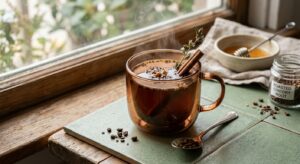
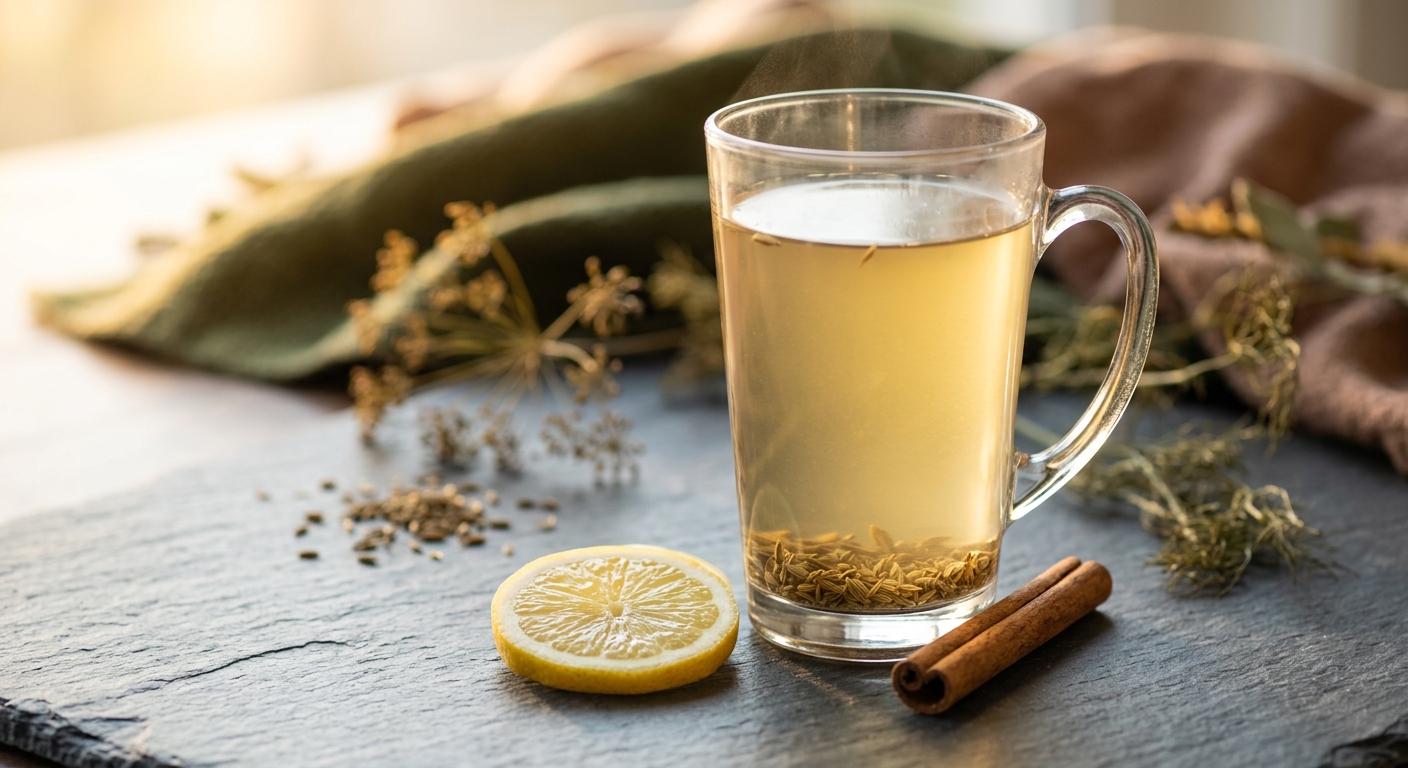
What makes dill seed particularly special as a tea herb is that it delivers genuine therapeutic action through a remarkably pleasant sensory experience. The seeds release a complex aroma that is at once warm and herbaceous, faintly anise-like without the intensity of star anise or fennel, with a subtle citrus brightness underneath. Brewed as a tea, it produces a golden liquor that soothes and warms from the first sip. It is the kind of herbal tea that feels purposeful, something you drink not just for enjoyment but because your body genuinely responds to it.
Modern research has begun to validate what traditional healers long observed. Dill seeds contain a range of volatile oils and flavonoid compounds that relax smooth muscle tissue in the gastrointestinal tract, reduce intestinal spasms, and inhibit the bacterial fermentation that contributes to gas production. Whether you are dealing with post-meal bloating, cramping, or general digestive sluggishness, dill seed tea offers a gentle and evidence-supported path toward relief. It is one of the most underappreciated digestive teas in the Western herbalism tradition, and once you brew your first cup, it is easy to understand why ancient healers kept returning to it.
2
cups
Ingredients
- 2 tspdried dill seeds, lightly crushed
- 480 mlwater (95°C / 203°F)
- —raw honey or a slice of fresh lemon to taste (optional)
How to Brew
Click on an item below to shop for the recommended items for this recipe on Amazon.
As an Amazon Associate, we earn from qualifying purchases.
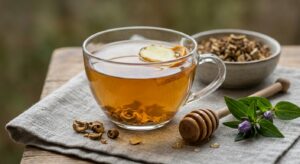
- Measure 1 teaspoon of dried dill seeds per cup (approximately 240 ml). Place the seeds in a mortar and use the pestle to lightly crack them open, pressing rather than grinding, just enough to break the seed coat. Alternatively, press them briefly with the flat side of a knife on a cutting board.
- Bring filtered water to approximately 95°C (203°F). If you do not have a temperature-controlled kettle, bring water to a full boil and allow it to rest for 30 seconds before pouring.
- Place the lightly crushed seeds in a tea infuser or directly in your mug. Pour the hot water over the seeds, submerging them fully.
- Cover the mug with a small plate or lid to trap the volatile aromatic oils, which would otherwise escape as steam. Steep for 10 to 15 minutes. A longer steep produces a more potent digestive brew with a slightly more pronounced spice note.
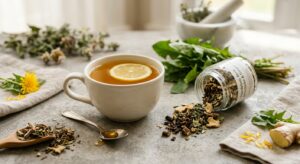
- Strain thoroughly and discard the seeds. Sip slowly after meals. Add raw honey or a squeeze of lemon if desired, both of which complement the warm herbal character of dill beautifully.
- Measure 2 teaspoons of dried dill seeds per 480 ml of cold, filtered water. Lightly crush the seeds as you would for a hot brew to help the cold water extract their oils over time.
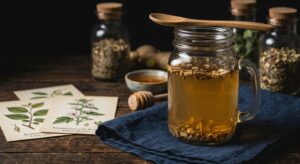
- Combine the crushed seeds and cold water in a glass jar. Stir briefly to ensure the seeds are fully submerged. Do not add hot water at any stage, as this converts the method into a hybrid brew and changes the flavor profile.
- Seal the jar and leave it at room temperature for one hour to begin extraction, then transfer it to the refrigerator. Allow it to steep for a further 7 to 11 hours, ideally overnight.
- In the morning, strain the brew through a fine mesh strainer or cheesecloth into a clean jar or pitcher, pressing the seeds gently to extract the last of the liquid. Discard the spent seeds.
- Store the cold brew in the refrigerator for up to 48 hours. Serve over ice or straight from the jar, chilled. A few mint leaves or a thin slice of cucumber added at serving time pairs beautifully with the cool, herbal character of the brew.
- Measure 3 teaspoons of dried dill seeds for every 480 ml of filtered water. Coarsely crush the seeds using a mortar and pestle, breaking them more thoroughly than you would for a hot brew, releasing visible inner fragments.
- Combine the crushed seeds and cold water in a small saucepan. Do not start with hot water. Bringing the seeds up to temperature gradually helps integrate the extraction process from the beginning.
- Place the saucepan over medium heat and bring the liquid slowly to a gentle simmer. Do not allow it to reach a rolling boil, as excessive heat can degrade the most delicate volatile compounds. Adjust the heat to maintain a steady, quiet simmer with small bubbles breaking the surface.
- Simmer uncovered for 15 to 20 minutes. You will notice the liquid deepening in color to a warm amber and the kitchen filling with a herbaceous, spiced aroma. For a milder concentrate, remove at 15 minutes; for a stronger medicinal brew, continue to 20 minutes.
- Remove from heat and allow the decoction to rest for 5 minutes. Strain through a fine mesh strainer, pressing the seeds firmly with the back of a spoon to recover all the liquid. Dilute with an equal volume of hot water before drinking, or drink as-is in smaller servings of 120 ml at a time. Sweeten with honey and a small slice of fresh ginger for an enhanced digestive tonic.
Health Benefits
Dill seeds are among the most well-documented carminative herbs in traditional medicine. The volatile oil carvone relaxes the smooth muscle walls of the intestine, allowing trapped gas to disperse naturally and reducing the uncomfortable pressure of bloating after meals.
The antispasmodic action of carvone and apiol targets overactive contractions in the gut wall, making dill seed tea particularly helpful for cramping associated with irritable bowel syndrome, indigestion, or general digestive upset.
Limonene and carvone together stimulate bile production and support the smooth movement of food through the digestive tract. Regular consumption of dill seed tea after meals has been associated with improved gastric emptying and reduced feelings of heaviness.
Kaempferol and dillapiole have demonstrated activity against harmful gut bacteria and fungi in laboratory studies. While human clinical trials are still limited, these findings support dill seed’s traditional use as a remedy for gut infections and dysbiosis.
Quercetin, one of the most studied flavonoids in plant medicine, modulates the release of pro-inflammatory cytokines in gut tissue. This action may help soothe mild gut inflammation associated with food sensitivities, gastritis, or dietary irritants.
🧪 Key Bioactive Compounds
The Science Behind Dill Seed
The digestive power of dill seed is rooted primarily in its rich volatile oil content, which can comprise up to four percent of the seed’s dry weight. The dominant compound in this oil is carvone, a monoterpene ketone that has been studied for its ability to relax smooth muscle tissue in the gastrointestinal wall. A 2011 study published in the journal Natural Product Communications demonstrated that carvone inhibited spontaneous contractions in isolated intestinal tissue, confirming the antispasmodic mechanism that traditional herbalists had relied upon for millennia. This action directly explains dill seed’s effectiveness at relieving cramping and the kind of painful trapped gas that follows a heavy or gas-producing meal.
Alongside carvone, dill seeds contain limonene and dillapiole, both of which contribute to the herb’s broader digestive profile. Limonene is well established in food science and pharmacology as a compound that stimulates the production of digestive enzymes and bile acids, facilitating more efficient breakdown of dietary fats and improving overall gastric motility. Dillapiole, a compound found in relatively higher concentrations in dill compared to closely related herbs, has demonstrated antifungal and mild antimicrobial activity in several in vitro studies, suggesting a role in maintaining a balanced gut microbiome and protecting against opportunistic gut pathogens.
The flavonoid fraction of dill seed, particularly quercetin and kaempferol, adds a meaningful anti-inflammatory dimension to the tea’s therapeutic action. Quercetin has been extensively studied for its ability to inhibit the release of histamine from mast cells in the gut lining and to suppress pro-inflammatory signaling pathways mediated by NF-kB, a key regulator of inflammatory gene expression. While most of the robust clinical evidence comes from isolated compound studies rather than whole-herb trials, the convergence of these bioactive mechanisms provides a scientifically plausible and compelling explanation for dill seed tea’s long-standing reputation as one of the most reliable digestive remedies in both European folk medicine and Ayurvedic practice.
Brewing Tips
- Always crack or lightly crush dill seeds before brewing regardless of the method you choose. Whole intact seeds release only a fraction of their volatile oils, producing a noticeably weaker and less therapeutic cup.
- For the best digestive effect, drink dill seed tea within 15 to 20 minutes after eating rather than during the meal. This timing aligns with the peak of gastric activity and allows the carminative compounds to act on the digestive process as it unfolds.
- Source your dill seeds from a reputable bulk herb supplier rather than the spice aisle if possible. Culinary dill seeds are often older stock that has lost a significant portion of its volatile oil content. Fresh, aromatic seeds should release a strong, spiced fragrance the moment they are crushed.