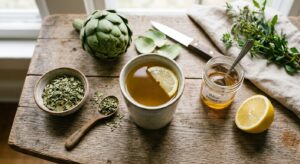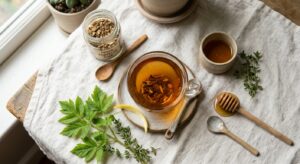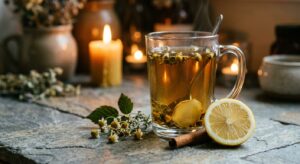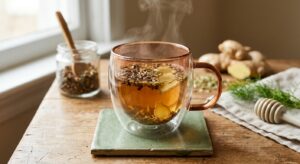
Few herbal pairings have as long and storied a history in plant medicine as ginger and fennel. Ginger (Zingiber officinale) has been used in Ayurvedic and Traditional Chinese Medicine for over 5,000 years, prized as a warming digestive stimulant that kindles the digestive fire known in Ayurveda as agni. Fennel (Foeniculum vulgare) was treasured in ancient Egypt, Rome, and medieval Europe as a carminative herb, chewed after meals to prevent gas and bloating and carried by Roman soldiers for its strengthening properties. When brewed together, these two herbs create a synergistic blend that addresses digestion from multiple angles, making them one of the most effective herbal pairings in the traditional apothecary.
What makes this blend so remarkable is the complementary way the two herbs work. Ginger’s pungent, warming compounds stimulate gastric motility and reduce nausea, while fennel’s sweet, anise-like volatile oils relax smooth muscle in the gastrointestinal tract, relieving spasm and trapped gas. The result is a tea that both moves things along and calms irritation at the same time, a balance that few single herbs can achieve on their own. This makes the blend particularly well-suited for post-meal bloating, sluggish digestion, menstrual cramping, and the queasiness that often accompanies stress or travel.
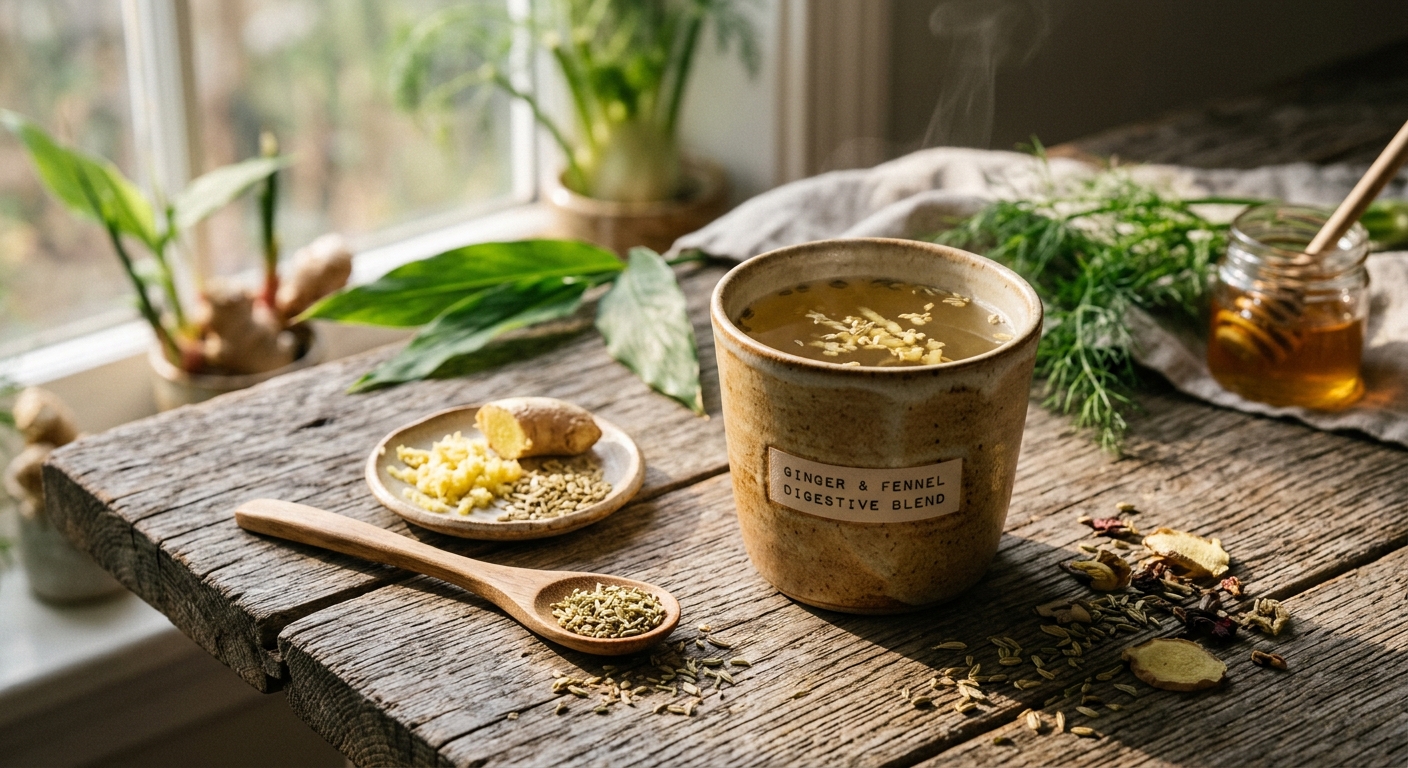
Sensory-wise, the cup is a genuine pleasure. Ginger brings bold, spicy warmth with a bright, almost citrusy bite, while fennel rounds it out with sweet, licorice-like softness and a clean, fresh finish. The color is a beautiful pale amber-gold, and the aroma rising from the cup is simultaneously warming and soothing. Whether you are reaching for this blend after a rich meal, during a bout of digestive discomfort, or simply as a mindful morning ritual, ginger and fennel tea delivers both therapeutic value and sensory delight.
2
cups
Ingredients
- 1 tspfreshly grated or thinly sliced fresh ginger root
- 1 tspdried fennel seeds, lightly crushed
- 480 mlwater (95°C / 203°F)
- —raw honey or a squeeze of lemon to taste (optional)
How to Brew
Click on an item below to shop for the recommended items for this recipe on Amazon.
As an Amazon Associate, we earn from qualifying purchases.
- Bring 480 ml of fresh, filtered water to 95 to 100°C (203 to 212°F). Unlike delicate green teas, ginger and fennel are robust ingredients that benefit from near-boiling water to fully extract their active compounds.
- While the water heats, lightly crush 2 teaspoons of dried fennel seeds using a mortar and pestle or by pressing them firmly with the back of a spoon on a cutting board. You should smell the sweet, anise-like aroma release immediately. Divide the crushed seeds evenly between two infusers or a teapot strainer.
- Prepare 2 teaspoons of fresh ginger by peeling a small knob and either grating it finely or cutting it into thin coins. Fresh ginger releases more gingerols than dried, giving the tea a brighter, more vibrant spice. Add the ginger to the infusers alongside the fennel.
- Pour the hot water directly over the herbs and steep for 8 to 10 minutes, covered. Covering the cup or teapot is important because fennel’s volatile aromatic oils can escape with the steam, reducing both the flavor and the therapeutic potency of the brew.
- Remove the infusers and stir gently. Taste the tea before adding any sweetener. If the ginger heat is very bold, a small spoonful of raw honey will soften it beautifully. A squeeze of fresh lemon brightens the blend and adds a little vitamin C. Sip slowly while warm for maximum digestive benefit.
- Prepare a glass jar or pitcher. Lightly crush 3 teaspoons of dried fennel seeds and add them directly to the jar without an infuser, as loose steeping in cold water maximizes contact and extraction over the long brew time.
- Peel and slice a generous 3 to 4 cm piece of fresh ginger into thin coins. Because cold water extracts more slowly and less aggressively than hot water, you will want slightly more ginger than in the hot brew to achieve a satisfying warmth. Add the ginger slices to the jar.
- Pour 700 ml of cold, filtered water over the herbs. Stir briefly to ensure all the herbs are submerged. If desired, add a thin slice of fresh lemon to the jar at this stage, as the citrus infuses beautifully during the long cold steep.
- Cover the jar tightly and place it in the refrigerator. Allow the tea to steep for 10 to 12 hours, ideally overnight. Do not leave it longer than 14 hours as the ginger can become sharp and overpowering with extended extraction.
- When ready, strain the tea through a fine mesh strainer into glasses filled with ice. Taste and sweeten lightly with a small drizzle of honey or agave syrup if desired, stirring well to dissolve. Serve immediately and refrigerate any remainder for up to 48 hours.
- Add 600 ml of cold, filtered water to a small saucepan. Place it on the stovetop over medium heat. Add a 5 cm piece of fresh ginger, peeled and cut into thick slices, and 2 teaspoons of whole or lightly crushed fennel seeds directly to the cold water before heating. Starting in cold water allows the compounds to extract gradually as the temperature rises.
- Bring the water to a gentle simmer, which is around 85 to 90°C (185 to 194°F). You will see small bubbles rising continuously but not a rolling boil. Reduce the heat to low once simmering begins and maintain this gentle simmer throughout the brew. A hard boil can degrade some of fennel’s delicate volatile oils.
- Simmer uncovered for the first 5 minutes to allow the most volatile aromatic compounds to concentrate slightly, then cover the pan partially with a lid for the remaining 10 to 15 minutes. This preserves the essential oils while still allowing a slow, thorough extraction of ginger’s heavier resinous compounds.
- After 15 to 20 minutes total simmering time, remove the pan from the heat and let it rest, covered, for an additional 5 minutes. This rest period allows the temperature to settle and lets the sediment sink to the bottom of the pan before straining.
- Pour the decoction through a fine mesh strainer or cheesecloth into two mugs, leaving any sediment in the pan. This tea will be noticeably more potent and golden than a standard hot brew. Stir in raw honey to taste and drink slowly. A decoction of this blend is particularly effective when sipped 20 to 30 minutes before a meal to prime digestive function, or immediately after eating to ease discomfort.
Health Benefits
Fennel’s anethole and fenchone directly relax the smooth muscle of the intestinal wall, allowing trapped gas to move and disperse. Multiple clinical reviews confirm fennel’s carminative efficacy, and it is included in several European pharmacopoeias for this indication.
Ginger is one of the most clinically validated herbal antiemetics available. A 2014 review published in the British Journal of Anesthesia confirmed that ginger significantly reduces post-operative and pregnancy-related nausea, with gingerols and shogaols modulating serotonin and dopamine receptors in the gut-brain axis.
Ginger has been shown in multiple studies to accelerate gastric emptying, the rate at which the stomach moves food into the small intestine. Sluggish gastric emptying is a primary driver of bloating, discomfort, and indigestion after meals, making ginger a genuine functional aid for slow digestion.
Both ginger and fennel have demonstrated antispasmodic and anti-inflammatory activity relevant to menstrual pain. A randomized controlled trial published in the Journal of Obstetrics and Gynaecology found that ginger was comparable to ibuprofen in reducing primary dysmenorrhea, while fennel’s smooth-muscle-relaxing properties help reduce uterine cramping.
Fennel seeds contain prebiotic fibers and polyphenols that selectively encourage the growth of beneficial gut bacteria. Ginger’s antimicrobial compounds, including gingerols and shogaols, help suppress pathogenic gut bacteria without significantly disrupting beneficial microbial communities, supporting long-term gut balance.
🧪 Key Bioactive Compounds
The Science Behind Ginger
The therapeutic power of this blend rests on the synergy between two distinct groups of bioactive compounds. Ginger’s primary actives are its phenolic compounds, principally 6-gingerol in fresh root and shogaols in dried or heated ginger. These molecules exert their digestive effects through several pathways simultaneously. They bind to 5-HT3 serotonin receptors in the gut, which are a key target for antiemetic drugs, reducing the neurological signaling that triggers nausea and vomiting. They also inhibit the production of prostaglandins and leukotrienes, inflammatory mediators that irritate the gut lining and contribute to cramping. Importantly, gingerols have also been shown to promote gastric motility by acting on motilin receptors, essentially signaling the stomach to empty its contents more efficiently and reducing the stagnation that causes post-meal heaviness and bloating.
Fennel’s mechanism is beautifully complementary. The dominant active compound in fennel seeds is anethole, a phenylpropanoid that accounts for the seed’s characteristic sweet, anise-like aroma. Anethole works primarily as an antispasmodic, blocking the calcium channels in smooth muscle cells that line the gastrointestinal tract. When these channels are modulated, the involuntary spasms that trap gas and cause cramping are significantly reduced. Alongside anethole, fenchone contributes antimicrobial activity against gas-producing bacteria in the gut, while the seeds’ fiber content provides a gentle prebiotic effect, nourishing beneficial bifidobacteria and lactobacillus species. Together, these compounds address the mechanical, microbial, and inflammatory dimensions of digestive discomfort.
From a pharmacological perspective, the pairing of ginger and fennel illustrates the concept of botanical synergy: each herb fills gaps in the other’s therapeutic profile. Ginger drives motility and reduces nausea originating from the gut-brain axis, while fennel resolves the downstream consequences of gas and smooth muscle tension. A 2019 in vitro study published in the journal Nutrients confirmed that combining ginger and fennel extracts produced stronger antioxidant and anti-inflammatory effects than either extract alone, offering preliminary scientific support for what traditional herbalists have known for centuries. While more human clinical trials are needed specifically on the combination, the individual evidence bases for both herbs are substantial and the synergy rationale is mechanistically sound.
Brewing Tips
- For the most potent fresh ginger flavor, choose plump, firm ginger rhizomes with smooth, taut skin. Older, wrinkled ginger tends to be drier and less juicy, which reduces the gingerol content extracted into the tea.
- Always crush or lightly grind fennel seeds before brewing, regardless of the method. Whole seeds steep very slowly and inefficiently. Even a brief press with a spoon releases the volatile oils and dramatically improves both aroma and therapeutic potency.
- If you find the ginger heat too intense, reduce the ginger quantity and add a strip of fresh orange peel to the brew instead. Orange peel contributes its own gentle digestive bitter compounds and limonene while softening the overall flavor profile of the cup.