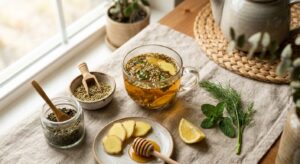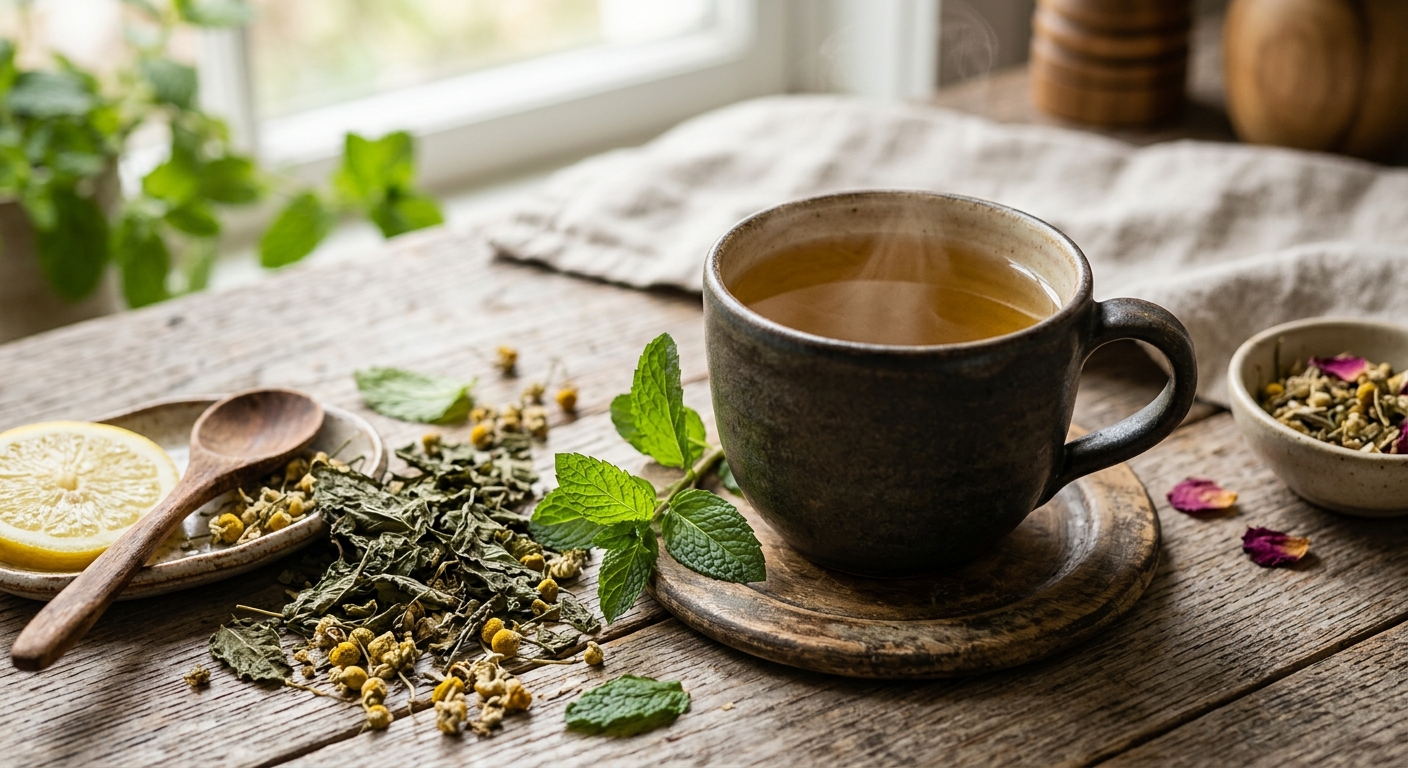
Few herbs have earned their reputation as thoroughly as peppermint. A natural hybrid of watermint and spearmint, Mentha x piperita has been cultivated and revered for at least two thousand years. Ancient Egyptians left dried peppermint leaves in tombs dating back to 1000 BCE, Greek and Roman physicians prescribed it for digestive ailments, and European monks grew it in monastery gardens as a cornerstone of their herbal apothecaries. By the eighteenth century, peppermint had been formally recognized in Western pharmacopeias as a legitimate medicinal plant, not merely a culinary herb.
What makes peppermint so extraordinary is the remarkable concentration of volatile oils in its leaves, particularly menthol, which gives the plant its signature icy-cool sensation without any actual drop in temperature. When brewed into a tea, these oils are released in their most bioavailable form, allowing the body to absorb them quickly through the digestive lining. Traditional herbalists across Europe, the Middle East, and the Americas have long prescribed a hot cup of peppermint tea after meals to ease gas, settle nausea, and stimulate the flow of bile for smoother fat digestion. This is one of those rare cases where folk wisdom and modern science are in near-perfect agreement.
Beyond the gut, peppermint tea offers a sensory experience that few other herbs can match. The aroma alone, bright, sharp, and green with a cool menthol finish, is enough to clear the sinuses and sharpen the mind. Brewed hot, it is warming and invigorating. Brewed cold, it becomes one of the most refreshing beverages imaginable. Whether you are reaching for it to calm a post-dinner stomach ache or simply craving something clean and revitalizing, peppermint tea delivers on every level.
2
cups
Ingredients
- 2 tbspfresh peppermint leaves (or 2 tsp dried peppermint leaves)
- 480 mlwater (90°C / 194°F)
- —raw honey or a slice of fresh lemon to taste (optional)
How to Brew
Click on an item below to shop for the recommended items for this recipe on Amazon.
As an Amazon Associate, we earn from qualifying purchases.
- Heat fresh water to 90 to 95°C (194 to 203°F). If you do not have a temperature-controlled kettle, bring water to a full boil and let it rest off the heat for 90 seconds before using.
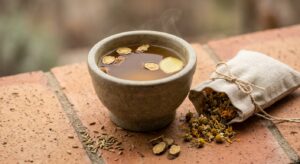
- Place 1 tablespoon of fresh peppermint leaves per cup (or 1 teaspoon of dried leaves per cup) into a tea infuser or directly into a warmed mug. Warming the mug first with a splash of hot water helps maintain steeping temperature.
- Cover the leaves with the hot water and immediately place a lid or small saucer over the mug. This is essential: peppermint’s volatile oils will escape with the rising steam, weakening both flavor and therapeutic effect if left uncovered.
- Steep for 5 to 7 minutes. A shorter steep produces a lighter, more aromatic cup; 7 minutes yields a bolder, more medicinal brew with maximum menthol extraction.
- Remove the infuser or strain out the leaves, sweeten with raw honey if desired, and sip slowly. For digestive relief, drink within 20 minutes of a meal or at the first sign of discomfort.
- Add 3 tablespoons of fresh peppermint leaves (or 1.5 tablespoons of dried leaves) per 500 ml of cold, filtered water into a clean glass jar or pitcher. The higher leaf-to-water ratio compensates for the slower, less aggressive extraction of cold water.
- Gently press the leaves with a spoon or muddler just enough to bruise them slightly. This opens the leaf cells and begins releasing the aromatic oils without fully crushing the plant material, which can introduce bitterness.
- Cover the jar and let it sit at room temperature for 45 to 60 minutes, then transfer it to the refrigerator.
- Steep in the refrigerator for a total of 8 to 12 hours (overnight is ideal). Do not exceed 14 hours, as prolonged cold steeping can pull out grassier, more vegetal flavors from the stems.
- Strain through a fine mesh strainer or cheesecloth, pressing the leaves gently to release the last of the infused liquid. Serve over ice in tall glasses. Add a slice of cucumber or a sprig of fresh mint to the glass for an extra layer of freshness.
- Select a 1-liter clear glass mason jar with a tight-fitting lid. Wash it thoroughly and allow it to dry completely. Clarity and cleanliness are important: a spotless jar maximizes solar energy absorption and minimizes contamination risk.
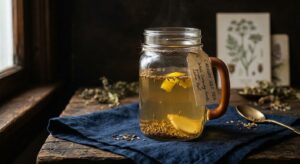
- Fill the jar with 1 liter of cold, filtered water and add 4 to 6 large fresh peppermint sprigs (roughly 20 to 25 leaves total), rinsed well. Fresh leaves are strongly preferred over dried for sun tea, as their volatile oils are more vibrant and extract beautifully at low heat.
- Seal the jar and place it in a spot that receives uninterrupted direct sunlight. A south-facing windowsill, garden bench, or patio table works well. The goal is gentle, sustained warmth rather than high heat.
- Allow the tea to steep in the sun for 2 to 4 hours, checking color at the 2-hour mark. The brew is ready when it has turned a clear, light golden-green and carries a bright, noticeably minty aroma when you open the lid.
- Bring the jar indoors, remove the mint sprigs, and refrigerate immediately. Consume within 24 hours. Serve over ice with a squeeze of fresh lime juice and a sprig of mint for a naturally solar-brewed summer drink.
Health Benefits
Menthol directly relaxes the smooth muscle of the intestinal wall, allowing trapped gas to move through the digestive tract more freely. Multiple clinical studies have confirmed peppermint’s carminative (gas-relieving) action, making it one of the most effective herbal remedies for postprandial bloating.
Peppermint oil, the concentrated form of peppermint’s active compounds, is backed by several randomized controlled trials demonstrating significant reduction in IBS pain, cramping, and urgency. While tea is less concentrated than encapsulated oil, regular consumption still delivers meaningful antispasmodic benefit to the gut.
Menthol’s interaction with gastrointestinal smooth muscle reduces the spasmodic contractions associated with nausea, and its aroma has been shown in clinical settings to reduce nausea perception through olfactory pathways. Peppermint tea is commonly used to ease morning sickness, motion sickness, and postoperative nausea.
Peppermint has traditionally been used as a cholagogue, a substance that stimulates the gallbladder to release bile. Improved bile flow aids in the emulsification and digestion of dietary fats, reducing the heavy, sluggish feeling that can follow rich meals.
Applied topically, peppermint oil is a well-documented tension headache remedy, but inhaling the steam of a freshly brewed cup also delivers menthol directly to nasal and sinus passages. This opens airways, reduces sinus pressure, and may ease headache intensity through combined aromatherapy and vasodilatory effects.
🧪 Key Bioactive Compounds
The Science Behind Peppermint
The therapeutic power of peppermint tea is rooted in its exceptionally high concentration of volatile oils, which can make up 1.2 to 3.9 percent of the dried leaf by weight. Menthol is the dominant compound, typically accounting for 35 to 55 percent of the total essential oil content. It exerts its effects primarily through two mechanisms: activation of TRPM8 cold thermoreceptors, which produces the characteristic cooling sensation without any change in actual tissue temperature, and direct binding to and inhibition of calcium channels in smooth muscle cells. This second action is the key to peppermint’s gastrointestinal benefits. By preventing calcium from entering smooth muscle cells, menthol causes those muscles to relax, reducing the painful cramping and spasms that characterize conditions like IBS, functional dyspepsia, and postprandial bloating.
Rosmarinic acid, a phenolic compound present in significant quantities in peppermint, adds an important anti-inflammatory dimension. Research published in peer-reviewed journals has shown rosmarinic acid to be a potent inhibitor of pro-inflammatory enzymes, including lipoxygenase and cyclooxygenase, the same enzymes targeted by common anti-inflammatory medications. It also demonstrates meaningful antioxidant activity, scavenging reactive oxygen species that can damage the intestinal lining. This makes peppermint tea not merely a symptomatic remedy for digestive discomfort but a plant with genuine potential to reduce the underlying inflammation associated with chronic gut conditions.
The flavonoids luteolin and eriocitrin round out peppermint’s bioactive profile. Luteolin has been studied for its ability to inhibit histamine release from mast cells, suggesting a mild antiallergic role that may benefit those whose digestive symptoms are triggered by food sensitivities. Eriocitrin, a flavanone glycoside particularly abundant in the mint family, has shown hepatoprotective effects in animal studies, supporting liver function and lipid metabolism. While human clinical trials specifically on peppermint tea remain less numerous than those on encapsulated peppermint oil, the pharmacological activity of its constituent compounds is well-established, and the traditional use of this herb as a digestive remedy across dozens of cultures over millennia is now increasingly supported by molecular science.
Brewing Tips
- Always cover your mug while steeping peppermint tea. The menthol and other volatile oils escape readily with steam, and covering the cup retains both the medicinal compounds and the intensity of flavor.
- Fresh leaves produce a noticeably brighter, more vibrant brew than dried. If you have access to a pot of fresh peppermint (which grows prolifically on a sunny windowsill), use roughly three times the volume of fresh leaves compared to dried for an equivalent brew.
- For the most potent digestive relief, drink peppermint tea about 20 minutes before a meal to prime digestive secretions, or within 30 minutes after eating to address bloating and gas as it develops. Avoid drinking it right at mealtime, as it may slightly interfere with iron absorption from food.