In Traditional Chinese Medicine, the liver is far more than a detoxifying organ. It is the seat of emotional flow, the regulator of qi (vital energy), and the system most vulnerable to the relentless pressure of modern life. When stress accumulates and qi stagnation sets in, the signs are unmistakable: a tight chest, irritability that flares without obvious cause, sighing frequently, disrupted sleep, and a sensation of something stuck in the throat. This pattern, known as Gan Qi Yu Jie (liver qi stagnation), has been recognized and treated in Chinese medicine for over two thousand years, and the herbal formulas developed to address it remain remarkably relevant today.
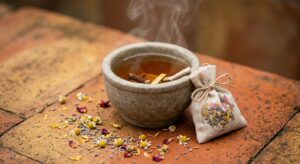
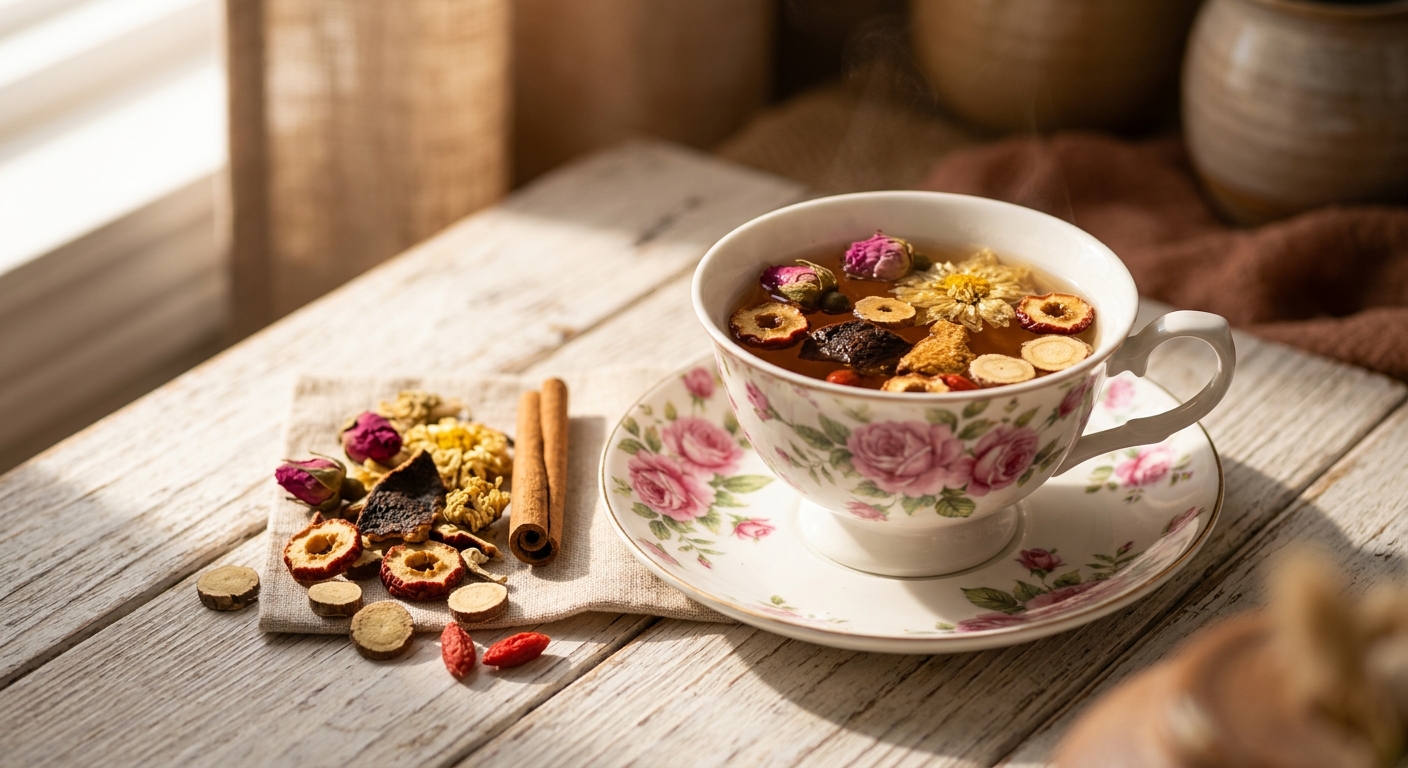
This tea blend draws on some of the most beloved herbs in the TCM pharmacopoeia for liver qi stagnation. Rose buds (mei gui hua) are among the primary herbs prescribed to move liver qi and soothe the spirit, with a flavor so gently sweet and aromatic that drinking them feels like an act of self-care in itself. Chrysanthemum flowers (ju hua) cool liver heat and calm the mind, traditionally paired with rose to balance the formula’s warming and cooling energies. Chen pi, the dried aged peel of mandarin orange, moves qi through the digestive system and transforms the dampness that so often accompanies stagnation. Together with a small amount of hawthorn berry (shan zha) to invigorate circulation and a thread of licorice root (gan cao) to harmonize the formula, this blend addresses the full picture of liver qi stagnation rather than just one symptom in isolation.
What makes this formula genuinely extraordinary is how precisely it bridges ancient theory and modern phytochemistry. Each herb contributes bioactive compounds that support the nervous system, reduce inflammation, modulate cortisol, or aid digestion, and their combined use reflects a sophisticated understanding of how emotional and physical health are inseparable. Whether you approach this tea through the lens of TCM energetics or through evidence-based herbal medicine, you will find in this cup something both deeply grounding and measurably effective.
2
cups
Ingredients
- 2 tspdried rose buds (mei gui hua)
- 1 tspdried chrysanthemum flowers (ju hua)
- 1 tspchen pi (dried aged mandarin peel), roughly broken
- 0.5 tsphawthorn berries (shan zha), sliced or crushed
- 0.25 tsplicorice root (gan cao), thinly sliced
- 500 mlwater (90°C / 194°F)
- —raw honey or rock sugar to taste (optional)
How to Brew
Click on an item below to shop for the recommended items for this recipe on Amazon.
As an Amazon Associate, we earn from qualifying purchases.
- Measure all herbs into a teapot or large infuser: rose buds, chrysanthemum flowers, broken chen pi, crushed hawthorn berries, and licorice root. Lightly crush the rose buds between your fingers as you add them to open up the volatile oils.
- Heat filtered water to 90 to 95°C. If using a standard kettle, bring water to a full boil then allow it to rest off the heat for 2 to 3 minutes before pouring.
- Pour the hot water over the herbs and cover the vessel immediately to trap the aromatic steam, which carries a significant portion of the therapeutic volatile compounds. Allow the tea to steep for 5 to 7 minutes.
- Strain the tea into two warmed cups. Taste before adding any sweetener, as the licorice root provides a natural background sweetness. Add rock sugar or raw honey only if needed.
- In TCM tradition, this tea is best consumed slowly, in a calm seated position, ideally in the late afternoon when liver qi tends to be most active. Inhale the aroma mindfully before each sip.
- Combine all herbs in a clean glass jar: rose buds, chrysanthemum flowers, chen pi, hawthorn berries, and licorice root. Use 600 ml of cold filtered water rather than 500 ml, as cold water extracts compounds more slowly and a slightly higher water volume compensates for the gentler extraction.
- Stir the herbs gently to ensure all plant material is fully submerged. Leave the jar uncovered at room temperature for 30 minutes to allow an initial gentle infusion before transferring to the refrigerator.
- Seal the jar and refrigerate for 8 to 10 hours. Overnight works perfectly. The slow cold extraction draws out the delicate floral glycosides and flavonoids from rose and chrysanthemum without releasing excessive bitterness from the chen pi or hawthorn.
- Remove the jar from the refrigerator and strain the tea through a fine mesh strainer into a pitcher or directly into glasses filled with ice. Taste the tea before adding any sweetener as the cold brew version tends to highlight the natural sweetness of the licorice and rose.
- Serve over ice garnished with a fresh or dried rose bud. This cold brew keeps refrigerated for up to 48 hours, and its flavor deepens subtly on the second day.
- Double the quantity of all herbs and combine in a small saucepan with 500 ml of filtered water. Unlike the hot brew, you may use water at a gentle boil here since the longer steep time and higher volume of plant material can withstand slightly higher temperatures without the over-extraction risks of a single cup brew.
- Bring the water just to a gentle simmer over medium heat, then reduce the heat to low. Allow the blend to simmer very gently, partially covered, for 15 to 20 minutes. The chen pi and hawthorn berries benefit from this longer extraction, releasing deeper digestive and circulatory compounds that are not fully extracted in a short steep.
- Remove from heat and allow the concentrate to cool for 10 minutes before straining through a fine mesh strainer lined with cheesecloth to capture all fine plant particles. Press the spent herbs gently to extract remaining liquid.
- Pour the concentrate into a clean glass jar and allow it to cool fully before sealing and refrigerating. The concentrate will keep for up to 5 days in the refrigerator.
- To serve, dilute one part concentrate with two to three parts hot water, sparkling water, or warm oat milk for a softer, creamier version. Adjust the ratio to taste. Add honey or rock sugar if desired. One batch of concentrate typically yields 6 to 8 servings.
Health Benefits
The combined volatile oils of rose buds and the flavonoids in chrysanthemum modulate both the limbic system and GABA pathways, addressing the irritability, frustration, and emotional reactivity that are the hallmark symptoms of liver qi stagnation. A 2021 clinical review of rose extract confirmed significant reductions in perceived stress and anxiety scores across multiple human trials.
Nobiletin and hesperidin from chen pi, along with gallic acid from rose and hawthorn, have demonstrated hepatoprotective activity in cell and animal studies, reducing oxidative damage to liver cells and supporting the smooth regulation of bile flow that TCM associates with unobstructed liver qi.
Chen pi is one of the most researched herbs in TCM for digestive qi stagnation, with documented prokinetic effects that reduce bloating, nausea, and the sensation of fullness or tightness in the upper abdomen that frequently accompanies emotional stress. Hawthorn berries complement this action by stimulating digestive enzyme activity.
Glycyrrhizin from licorice root influences the HPA axis by slowing cortisol breakdown, which can help buffer the adrenal fatigue pattern that accompanies prolonged liver qi stagnation. This effect is dose-dependent and beneficial at the quantities used in this tea formula.
Hawthorn’s hyperoside and vitexin content, combined with the vasodilatory properties of rose geraniol, support improved blood flow to the extremities and reduce the muscular tension and chest tightness that many people with liver qi stagnation experience as physical manifestations of emotional stress.
🧪 Key Bioactive Compounds
The Science Behind Rose Buds (Mei Gui Hua)
The bioactivity of this TCM formula maps with remarkable precision onto the neurological and physiological mechanisms that modern stress research has identified. Rose bud volatiles, particularly geraniol, citronellol, and citral, interact with the olfactory bulb and directly influence limbic system activity, including the amygdala’s threat-processing function. A 2019 study published in Frontiers in Behavioral Neuroscience demonstrated that geraniol inhalation reduced anxiety behavior in animal models by modulating serotonergic pathways, while human trials with rose extract have shown measurable reductions in salivary cortisol and heart rate in stressed participants. These are not subtle or speculative effects; they represent genuine central nervous system pharmacology delivered through an aromatic cup of tea.
Chrysanthemum’s flavonoid content, dominated by luteolin and apigenin, operates through a mechanism now well-understood in anxiolytic pharmacology: positive allosteric modulation of GABA-A receptors. These are the same receptors targeted by benzodiazepine medications, though chrysanthemum’s action is far gentler, producing calming without dependence or sedation. Research into chen pi’s polymethoxylated flavonoids, particularly nobiletin, has revealed an impressive range of activity including inhibition of NF-kB inflammatory pathways in liver tissue, cholinergic modulation relevant to mood and cognition, and direct effects on smooth muscle tone in the gastrointestinal tract that explain chen pi’s long-documented ability to relieve the bloating and digestive cramping that stress produces.
The formula’s inclusion of licorice root as a harmonizing agent reflects TCM’s concept of a messenger herb, but glycyrrhizin’s biochemical role is anything but symbolic. By inhibiting 11-beta-hydroxysteroid dehydrogenase, glycyrrhizin slows the conversion of active cortisol to inactive cortisone, effectively prolonging the available cortisol at tissue level and buffering the HPA axis dysregulation that chronic stress produces. Liquiritin, another licorice compound, has shown antidepressant effects in animal models comparable to fluoxetine at equivalent doses, operating through serotonin and norepinephrine reuptake pathways. Hawthorn’s oligomeric proanthocyanidins and flavonoid glycosides round out the formula with cardiovascular and antioxidant support, addressing the systemic oxidative burden that sustained emotional and physiological stress places on the body over time.
Brewing Tips
- Source chen pi that has been aged for at least three years if possible. Freshly dried mandarin peel has a sharper, more aggressive flavor and a different chemical profile. Properly aged chen pi is more fragrant, less bitter, and more effective as a qi-regulating herb in TCM practice.
- Drink this tea as a consistent daily practice rather than an occasional remedy. The compounds in this formula, particularly the flavonoids and polyphenols, exert their most meaningful effects through regular accumulation in the body over weeks. TCM practitioners typically recommend a minimum of two to four weeks of daily use to assess efficacy for liver qi stagnation patterns.
- Store each herb separately in airtight glass jars away from light and heat, and prepare the blend fresh each time rather than pre-mixing a large batch. Rose buds and chrysanthemum flowers lose their volatile oil content rapidly once broken open and exposed to air, and pre-mixed blends sitting in storage will have significantly diminished aromatic and therapeutic potency within a few weeks.