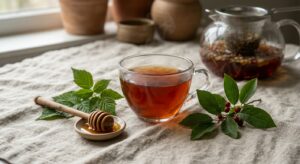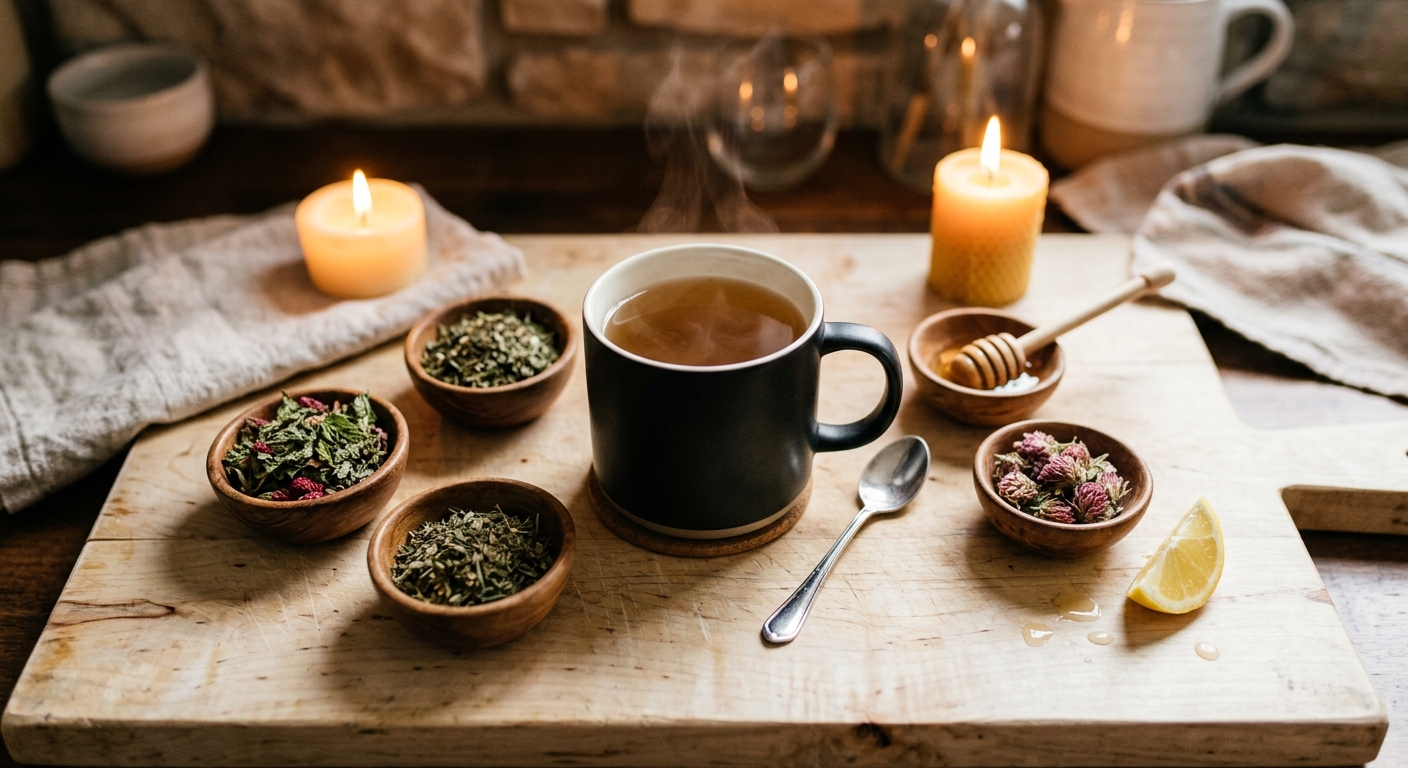
For centuries, women across cultures have turned to the plant kingdom for support during the tender, hopeful season of preparing for conception. From European folk medicine to Ayurvedic traditions, herbs like red raspberry leaf, nettle leaf, and red clover have been revered as foundational tonics for the female reproductive system. These are not quick-fix remedies but deep, nourishing allies meant to be sipped daily over weeks and months, gently coaxing the body into a state of readiness and vitality.
Red raspberry leaf is perhaps the most celebrated of all women’s herbs, valued for its rich concentration of fragarine, a plant alkaloid traditionally believed to tone the uterine muscles, alongside an impressive array of vitamins and minerals including magnesium, iron, and calcium. Nettle leaf brings its own extraordinary nutritional density to the cup, acting as a whole-food supplement in herbal form. Red clover, with its gentle phytoestrogenic isoflavones, rounds out the blend by supporting hormonal equilibrium and circulation to the reproductive organs. Together, these three herbs create a synergistic infusion that tastes pleasantly grassy and floral, making it easy to drink as part of a daily wellness ritual.
It is worth noting that pre-conception herbal support is a long game. Unlike pharmaceutical interventions, these botanical tonics work cumulatively, building nutritional reserves and gradually influencing hormonal patterns over time. Many herbalists and midwives recommend beginning this tea blend at least three months before trying to conceive, aligning with the roughly 90-day cycle of egg maturation. Whether you are just beginning to think about starting a family or have been on this journey for a while, this tea offers a grounding, nourishing ritual to anchor your intention.
2
cups
Ingredients
- 2 tspdried red raspberry leaf
- 1 tspdried nettle leaf
- 1 tspdried red clover blossoms
- 480 mlwater (95°C / 203°F)
- —raw honey to taste (optional)
- —a squeeze of fresh lemon juice (optional)
How to Brew
Click on an item below to shop for the recommended items for this recipe on Amazon.
As an Amazon Associate, we earn from qualifying purchases.
- Bring filtered water to 93 to 95°C (200 to 203°F). Avoid a rolling boil, which can degrade some of the delicate flavonoids in red clover. An electric kettle with temperature control is ideal.
- Measure 2 teaspoons of dried red raspberry leaf, 1 teaspoon of dried nettle leaf, and 1 teaspoon of dried red clover blossoms into a roomy tea infuser or a teapot with an internal strainer. The herbs will expand as they hydrate, so give them space.
- Pour the hot water over the herbs and cover the teapot or mug immediately with a lid or small plate. Covering the vessel traps volatile aromatic compounds and keeps the infusion at temperature for an even extraction.
- Steep for a minimum of 10 minutes and up to 15 minutes. Set a timer rather than guessing. This blend benefits from a proper, patient steep to draw out its full mineral content.
- Remove the infuser or strain the herbs through a fine-mesh strainer into your mug. Press the spent herbs gently with the back of a spoon to release the last of the liquid.
- Sweeten with raw honey if desired, or add a small squeeze of lemon to brighten the flavor. Sip mindfully, ideally in the morning or early afternoon.
- Measure a double quantity of herbs into a clean glass jar: 4 teaspoons of dried red raspberry leaf, 2 teaspoons of dried nettle leaf, and 2 teaspoons of dried red clover blossoms. Cold brewing requires a higher herb-to-water ratio to compensate for the slower extraction rate in cool water.
- Pour 480 ml of cool, filtered water (room temperature, around 20 to 22°C / 68 to 72°F) over the herbs in the jar. Stir gently to ensure all plant material is submerged and saturated.
- Seal the jar with a lid and leave it at room temperature for 1 hour to begin the extraction process, then transfer it to the refrigerator.
- Allow the herbs to steep in the refrigerator for 8 to 12 hours. An overnight steep is ideal and makes morning preparation effortless.
- Strain the cold brew through a fine-mesh strainer lined with a piece of cheesecloth directly into a glass or a second clean jar. Squeeze the cheesecloth to extract maximum liquid.
- Serve over ice or straight from the refrigerator. Add a slice of cucumber or a few fresh mint leaves for a refreshing variation. The cold brew will keep refrigerated for up to 48 hours.
- Use a generous handful of herbs: 3 tablespoons of dried red raspberry leaf, 1.5 tablespoons of dried nettle leaf, and 1 tablespoon of dried red clover blossoms. Place them into a 500 ml heatproof glass jar or a French press.
- Bring filtered water to a full boil (95°C / 203°F) and pour it immediately over the herbs, filling the jar to the brim. The large volume of near-boiling water initiates a thorough extraction from the dense plant cell walls.
- Stir briefly to ensure all the herb material is fully saturated and no dry pockets remain at the top. Cover the jar tightly with a lid or place the plunger loosely on the French press without pressing it down.
- Allow the jar to steep at room temperature, undisturbed, for a minimum of 4 hours. For a more potent, deeply mineralized infusion, steep for up to 8 hours. The liquid will cool naturally during this time, which is expected and desirable.
- Strain the infusion through a fine-mesh strainer, pressing the herbs firmly to release all liquid. The resulting tea will be a deep amber-green color, noticeably richer and more concentrated than a standard hot steep.
- Drink one to two cups of this long infusion per day. You may drink it at room temperature, gently warmed on the stove (do not reboil), or chilled. Store any remaining infusion in the refrigerator and consume within 24 hours for best nutritional quality.
Health Benefits
Red raspberry leaf contains fragarine, an alkaloid with a long tradition of use for toning the smooth muscles of the uterus. Several midwifery studies and practitioner surveys suggest it may help create a more hospitable and well-prepared uterine environment before and during pregnancy.
The phytoestrogenic isoflavones in red clover, particularly formononetin and biochanin A, interact gently with estrogen receptors and may help regulate menstrual cycle irregularities. This mild estrogenic activity is considered by many herbalists to be supportive rather than disruptive when used in moderate amounts as a tea.
Nettle leaf is one of the most mineral-dense plants available, offering iron, calcium, magnesium, potassium, and vitamins C and K in bioavailable forms. Building nutritional reserves before conception is associated with better outcomes for both mother and fetus in early development.
Quercetin and rutin, present across all three herbs in this blend, have documented antioxidant activity that may help protect oocytes (eggs) and the endometrial lining from free radical damage, contributing to a healthier cellular environment for fertilization.
The combined tonic action of red raspberry leaf on uterine muscle tone and red clover’s gentle phytoestrogenic influence may help regulate irregular or painful cycles over time, which can be an important factor in optimizing the timing and likelihood of conception.
🧪 Key Bioactive Compounds
The Science Behind Red Raspberry Leaf
The science behind pre-conception herbal teas is rooted in both traditional ethnobotany and emerging phytochemical research. Red raspberry leaf (Rubus idaeus) contains fragarine, a polypeptide-alkaloid compound that has demonstrated selective action on smooth muscle tissue in laboratory studies. Although large-scale human clinical trials are limited, fragarine is thought to act as an antispasmodic on over-contracted muscles while simultaneously improving tone in lax or underperforming tissue, a dual action that could theoretically support uterine health. A 1999 survey study published in the Australian College of Midwives journal found that a significant majority of practising midwives recommended raspberry leaf to their clients, with many reporting positive observations on labor outcomes in women who had used it pre-conception and during the later stages of pregnancy.
Red clover (Trifolium pratense) has attracted considerably more modern scientific attention due to its isoflavone content, specifically formononetin, biochanin A, daidzein, and genistein. These compounds are classified as phytoestrogens, plant-derived molecules capable of binding to estrogen receptors in the human body with a fraction of the potency of endogenous estrogen. This selective and gentle binding is thought to produce a regulatory effect: when circulating estrogen is low, phytoestrogens may provide mild estrogenic support, and when estrogen levels are elevated, they may competitively block receptor sites, helping to moderate excess estrogenic signaling. Multiple clinical studies have investigated red clover isoflavones in the context of menopausal symptom relief and cardiovascular health, and while fertility-specific research remains sparse, the hormonal modulating mechanisms are considered by reproductive herbalists to be directly relevant to cycle regulation and pre-conception preparation.
Nettle leaf (Urtica dioica) rounds out the blend not through hormonal mechanisms but through straightforward nutritional biochemistry. Peer-reviewed analysis of Urtica dioica has confirmed its exceptional mineral density, with iron levels approximately 2 to 3 mg per 100g of dried leaf, alongside significant calcium, magnesium, and vitamins C and K. Iron deficiency, even subclinical, is one of the most common nutritional concerns in women of reproductive age and is associated with anovulatory cycles and implantation difficulties. Building iron stores through dietary and herbal means in the months before conception is a recognized strategy in functional medicine and naturopathic reproductive health, and nettle leaf offers a gentle, food-form source of this critical nutrient. The combined antioxidant flavonoids quercetin and rutin, present across all three herbs, further support the blend by reducing reactive oxygen species that can damage both oocyte and sperm DNA, creating a more favorable biochemical environment for fertilization.
Brewing Tips
- Source certified organic dried herbs from a reputable supplier. Red clover and nettle in particular tend to accumulate nitrates if grown conventionally with heavy fertilizer use, so organic sourcing matters more here than with many other herbs.
- Make a larger batch of the long infusion method once or twice a week and keep it in a sealed glass jar in the refrigerator, drinking 1 to 2 cups daily. This is far more sustainable as a daily habit than brewing fresh each morning.
- Track your use alongside your cycle. Many women find it useful to start a simple journal when beginning this tea ritual, noting cycle length, symptom changes, and mood patterns over the weeks. This provides useful information for both personal reflection and any consultations with a healthcare provider.
- If the astringency of the hot brew is too pronounced, reduce the steep time to 7 to 8 minutes rather than cutting the herb quantity. You will retain more nutritional benefit while reducing tannin extraction.
- Add a small sprig of fresh lemon verbena or a thin slice of fresh ginger during steeping for a more complex flavor profile that also supports digestion, a common concern for women managing the hormonal fluctuations that accompany fertility preparation.