Moringa oleifera, often called the ‘miracle tree’ or ‘drumstick tree,’ has been cultivated and revered across South Asia, Africa, and the Caribbean for thousands of years. In Ayurvedic medicine, nearly every part of the plant, from its leaves and seeds to its roots and flowers, was prescribed for conditions ranging from anemia and fatigue to inflammation and hormonal irregularity. For women in particular, moringa held a sacred place in traditional wellness systems, given to nursing mothers to support milk production, to young women to replenish iron lost during menstruation, and to older women managing the fatigue and bone loss that accompany perimenopause and beyond.
What makes moringa genuinely extraordinary is its nutritional density. Gram for gram, dried moringa leaves contain more iron than spinach, more calcium than milk, more vitamin C than oranges, and more potassium than bananas. Unlike many herbal teas that offer therapeutic compounds in trace amounts, moringa leaf tea delivers a meaningful dose of micronutrients with every cup. This makes it especially valuable for women who follow plant-based diets or who struggle to meet their daily iron and calcium needs through food alone. Its chlorophyll-rich leaves also act as a mild alkalizing agent, supporting detoxification and liver health.
The flavor of moringa tea is best described as earthy and grassy with a faint peppery finish, reminiscent of a light green tea but with more body and a slightly savory edge. It is not sweet or floral on its own, but it pairs beautifully with warming spices like ginger and cinnamon, or brightening herbs like lemon verbena and hibiscus. Whether you are brewing it hot on a slow morning to support your energy levels, cold-steeping it overnight for a refreshing afternoon pick-me-up, or making a concentrate to blend into smoothies and lattes, moringa is a deeply versatile and profoundly nourishing addition to any woman’s wellness ritual.
2
cups
Ingredients
- 2 tspdried moringa leaf (loose or powdered)
- 480 mlwater (80°C / 176°F)
- —raw honey or maple syrup to taste (optional)
- —fresh lemon slice to taste (optional)
- —pinch of ground ginger (optional)
How to Brew
Click on an item below to shop for the recommended items for this recipe on Amazon.
As an Amazon Associate, we earn from qualifying purchases.
- Heat filtered water to 80 to 85°C (176 to 185°F). If you do not have a temperature-controlled kettle, bring water to a full boil and allow it to rest for 3 to 4 minutes before pouring.
- Place 1 teaspoon of dried moringa leaf per cup into a tea infuser or reusable muslin bag. If using moringa powder, measure half a teaspoon per cup and plan to strain through a fine mesh sieve.
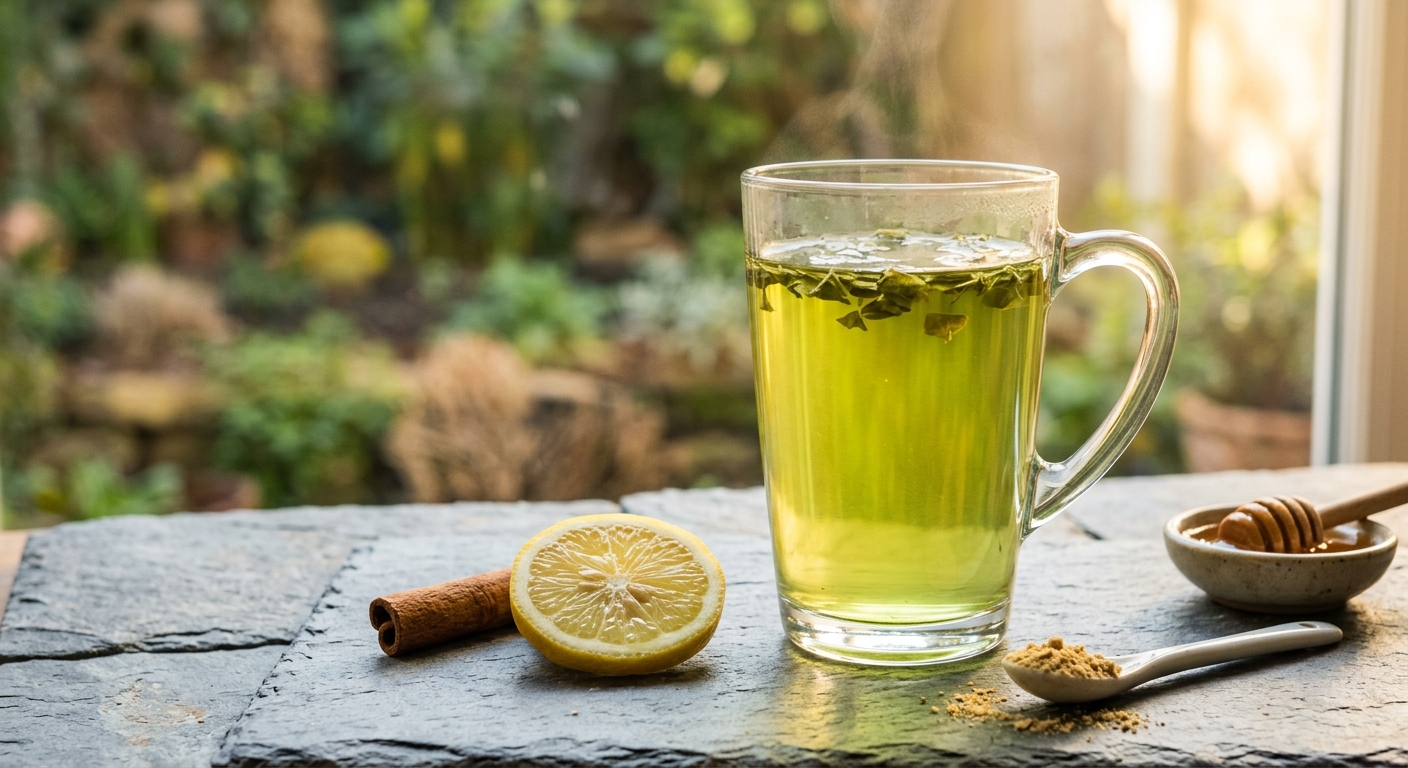
- Pour the heated water over the moringa in your mug or teapot. The water should immediately turn a vivid jade green as the chlorophyll begins to release.
- Steep for 3 to 5 minutes, tasting at 3 minutes. A shorter steep produces a milder, grassier cup. At 5 minutes the flavor deepens and becomes more earthy and slightly bitter.
- Remove the infuser or strain the powder. Stir in honey or maple syrup if desired, squeeze in a wedge of fresh lemon to brighten the flavor and enhance iron absorption, and add a pinch of ginger for warmth. Serve immediately.
- Add 2 teaspoons of dried moringa leaf per 480 ml of filtered water into a clean glass jar. If using moringa powder, use 1 teaspoon per 480 ml and be prepared to strain carefully.
- Pour room-temperature filtered water over the moringa. Do not use hot or warm water at any stage. Stir gently with a spoon to ensure the leaves are fully submerged.
- Seal the jar with a lid and leave it at room temperature for 1 hour to begin the initial extraction, then transfer it to the refrigerator.
- Allow the tea to cold-steep in the refrigerator for a further 7 to 11 hours (overnight is ideal). The longer the steep, the more concentrated and flavorful the result.
- Strain the liquid through a fine mesh sieve or nut milk bag into a clean pitcher or glass. Discard the spent leaves. Serve over ice with a squeeze of lime and a few fresh mint leaves for a refreshing and deeply nourishing cold drink.
- Heat 240 ml of filtered water to 80 to 85°C (176 to 185°F). You will be brewing at double strength, using twice the amount of moringa leaf relative to water.
- Add 2 teaspoons of dried moringa leaf (or 1 teaspoon of moringa powder) to a small teapot or heatproof jar with a lid.
- Pour the heated water over the moringa, cover with the lid to trap volatile aromatic compounds, and steep for 8 to 10 minutes. The longer steep time and reduced water volume will produce a deeply concentrated, richly colored liquid.
- Strain through a fine mesh sieve, pressing gently on the leaves to extract maximum liquid. Allow the concentrate to cool to room temperature.
- Transfer to a sealed glass jar and store in the refrigerator for up to 3 days. To use, dilute 1 part concentrate with 1 to 2 parts hot water, cold water, or plant-based milk. Sweeten with honey and add a pinch of cinnamon or turmeric for a nourishing moringa latte.
Health Benefits
Moringa leaves contain a significant amount of non-heme iron alongside natural vitamin C, a combination that enhances iron bioavailability in the body. This makes moringa tea particularly valuable for women experiencing fatigue, brain fog, or low energy related to iron depletion from menstruation.
Moringa contains beta-sitosterol and isothiocyanates that may influence estrogen metabolism and reduce inflammatory signaling involved in hormonal disruption. Traditional Ayurvedic texts prescribe moringa for irregular menstrual cycles, and emerging research supports its role in modulating inflammatory pathways linked to PMS and perimenopause symptoms.
Moringa leaves provide calcium and phosphorus in a highly bioavailable form, along with vitamin K, which is essential for bone mineralization. For women in perimenopause and postmenopause, when declining estrogen accelerates bone density loss, regular moringa consumption offers meaningful nutritional support.
The combined action of quercetin, kaempferol, and chlorogenic acid gives moringa tea a powerful antioxidant profile that rivals green tea. These compounds neutralize free radicals and inhibit pro-inflammatory cytokines, supporting joint health, skin integrity, and long-term cellular protection.
Chlorogenic acid in moringa has been shown in clinical studies to slow glucose absorption and improve insulin sensitivity. For women managing energy dips, premenstrual sugar cravings, or the blood sugar fluctuations associated with PCOS, moringa tea offers a gentle and natural stabilizing effect.
🧪 Key Bioactive Compounds
The Science Behind Moringa
Moringa oleifera leaves owe their remarkable health profile to an unusually dense concentration of bioactive compounds that work synergistically. Among the most studied are the isothiocyanates, particularly moringin, which are formed when glucosinolates in the leaf are broken down by the enzyme myrosinase during chewing, brewing, or digestion. These compounds are potent activators of Nrf2, a transcription factor that switches on the body’s own antioxidant defense systems, including glutathione production and phase II detoxification enzymes in the liver. For women, this pathway is particularly relevant because the liver plays a central role in estrogen metabolism. When estrogen is not properly conjugated and excreted, it recirculates in the body and contributes to hormonal imbalance, a pattern implicated in PMS, endometriosis, and estrogen-dominant conditions.
The flavonoids quercetin and kaempferol present in moringa leaves are well-documented in the scientific literature as inhibitors of cyclooxygenase (COX) enzymes, the same inflammatory enzymes targeted by over-the-counter pain medications like ibuprofen. A 2014 study published in the Journal of Food Science and Technology found that moringa leaf extract significantly reduced markers of oxidative stress and inflammation in animal models, while human trials examining moringa supplementation have demonstrated reductions in fasting blood sugar and improvements in lipid profiles. Kaempferol specifically has shown the ability to inhibit the synthesis of prostaglandins, hormone-like compounds that trigger uterine contractions and are a primary driver of menstrual cramping, offering a plausible biochemical explanation for moringa’s traditional use in women’s reproductive health.
Moringa’s micronutrient profile adds another layer of scientific interest. The leaves contain a form of non-heme iron that, unusually, is presented alongside ascorbic acid (vitamin C) within the same plant matrix. Vitamin C dramatically increases non-heme iron absorption by reducing ferric iron to its more absorbable ferrous form and inhibiting the formation of insoluble iron complexes in the gut. This natural co-packaging makes moringa leaf tea a more effective source of dietary iron than most plant foods consumed in isolation. Additionally, moringa contains calcium alongside vitamin K2, another co-factor pairing that enhances bone mineralization by directing calcium into bone tissue rather than arterial walls. These natural synergies suggest that moringa’s benefits are best captured through whole-leaf preparations like tea, rather than isolated extracts or supplements.
Brewing Tips
- Always brew moringa at below 90°C to protect its vitamin C content and delicate antioxidant compounds. A temperature-controlled kettle is the most reliable way to hit the ideal 80 to 85°C range consistently.
- Add a squeeze of fresh lemon or lime juice to every cup, not just for flavor but to further boost iron absorption. The added vitamin C from citrus works synergistically with the iron already present in the leaf.
- Buy organic, shade-dried moringa leaf from a reputable source. Moringa grown in heavily sprayed conditions can absorb agricultural chemicals, and high-temperature drum-drying degrades both the color and the nutritional compounds. Look for a vibrant, bright green powder or leaf as a marker of quality.