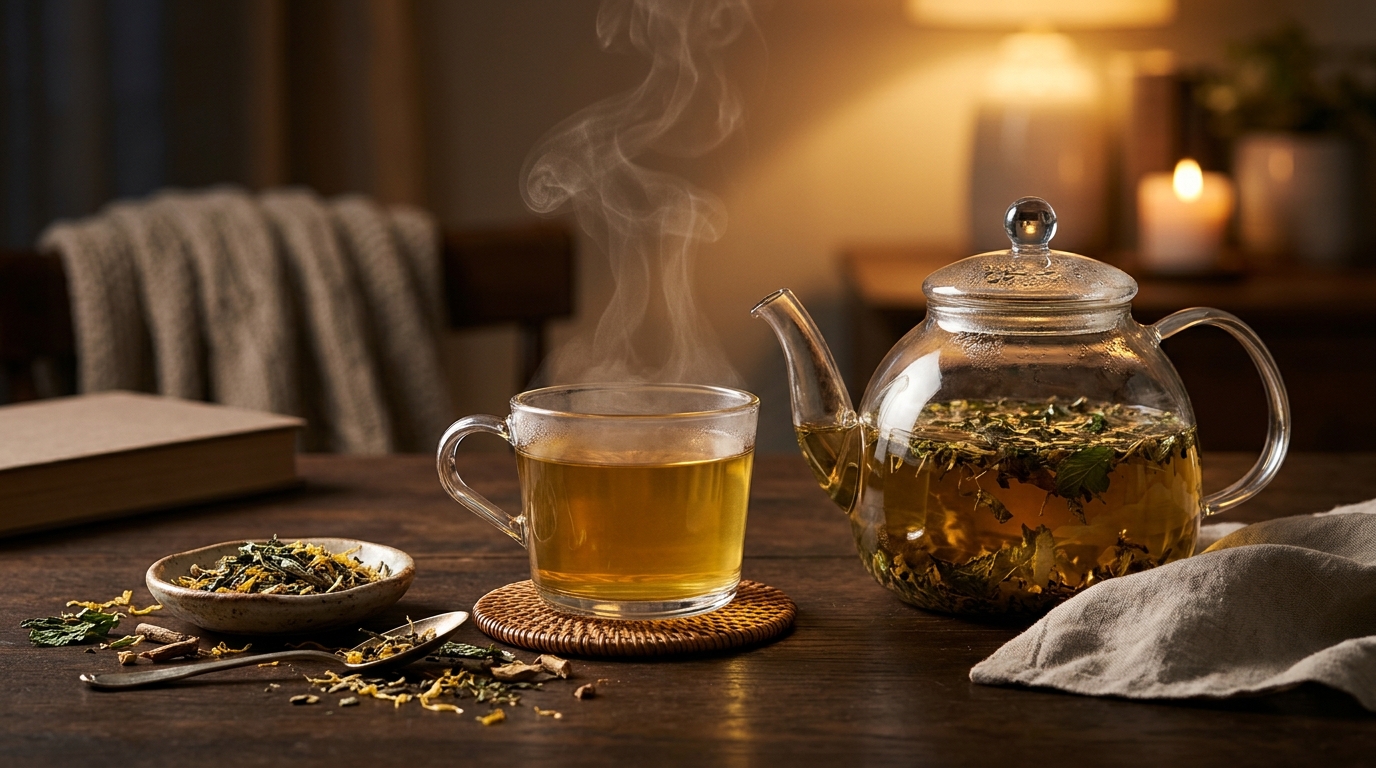
Peppermint (Mentha x piperita) has been woven into human digestive traditions for thousands of years. Dried mint leaves were found in Egyptian pyramids dating to around 1000 BCE, and Greek and Roman writers described mint as a remedy for stomach upset and a fragrant addition to feasts. In medieval European monasteries, peppermint was a staple of the physic garden, and by the 18th century it had been formally recognized in British pharmacopoeias. To this day, a cup of mint after a heavy meal remains one of the most widely shared digestive customs across cultures.
Dandelion (Taraxacum officinale) has a long history of its own. Though many gardeners treat it as a weed, traditional herbalists in Europe, China, and North America prized the plant. The name itself comes from the French dent-de-lion, or lion’s tooth, a nod to its jagged leaves. The root was traditionally used as a bitter tonic to stimulate appetite and digestion and to support liver and kidney function, while the leaves were valued as a mild diuretic. Roasted dandelion root has long been brewed as a caffeine-free, coffee-like drink, with a toasty, slightly bittersweet character.
Together, the two herbs make a thoughtful pairing. Peppermint brings a bright, cooling aroma and a relaxing effect on the smooth muscle of the gut, while dandelion root adds a grounded, roasted depth and the traditional bitter stimulus that herbalists associate with healthy digestion. The result is a calming evening cup that feels both refreshing and nourishing. A note on the word detox: no tea can cleanse the body on its own, since the liver and kidneys do that work every day. What this blend offers is gentle support for those organs and a comforting ritual that encourages you to slow down after dinner.
2
cups
Ingredients
- 2 tspdried peppermint leaf
- 1 tsproasted dandelion root, coarsely cut
- 480 mlwater (95°C / 203°F)
- —fresh lemon slice or raw honey to taste (optional)
How to Brew
Click on an item below to shop for the recommended items for this recipe on Amazon.
As an Amazon Associate, we earn from qualifying purchases.
- Bring fresh water to a boil, then let it rest for about 30 seconds so it settles near 95°C (203°F).
- Add the dried peppermint leaf and roasted dandelion root to a teapot or large mug, or to a tea infuser placed inside the mug.
- Pour the hot water over the herbs and immediately cover with a saucer or lid to trap the aromatic oils.
- Steep for 7 to 10 minutes. The longer end of the range pulls more flavor and bitterness from the dandelion root, so taste at 7 minutes and adjust to preference.
- Strain out the herbs, give the tea a gentle stir, and sip slowly about 20 to 30 minutes after your evening meal. Add a slice of lemon or a small spoonful of honey if you like.
- Combine the dried peppermint leaf and roasted dandelion root in a glass jar, using a little extra herb (about 3 tsp peppermint and 1.5 tsp dandelion root) to make up for the gentler extraction.
- Fill the jar with 480 ml of cold, filtered water and stir once so all the herbs are submerged.
- Seal the jar and place it in the refrigerator to steep for 8 to 12 hours, or overnight.
- Strain through a fine-mesh sieve into a clean glass or pitcher, pressing lightly on the herbs to release the last of the liquid.
- Serve over ice or straight from the fridge. Garnish with a fresh mint sprig. Drink within 48 hours and keep refrigerated.
- Add the roasted dandelion root and 480 ml of cold water to a small saucepan. Use a slightly larger measure of root here, about 2 tsp, since this method is designed to fully extract it.
- Bring the water to a gentle boil, then reduce the heat to low, cover, and simmer for 15 minutes until the liquid turns a deep, dark amber and smells toasty.
- Remove the pan from the heat and let it cool for about a minute, then stir in the dried peppermint leaf.
- Cover the pan again and steep for 5 minutes so the peppermint infuses without losing its aromatic oils.
- Strain through a fine-mesh sieve into two mugs. The tea will be richer and more coffee-like than the other methods. Sweeten lightly with honey or add a splash of oat milk if desired.
Health Benefits
Peppermint’s menthol relaxes intestinal smooth muscle, and peppermint oil is among the better-studied herbal options for functional digestive complaints, with clinical trials showing reduced cramping and bloating. Tea delivers a milder dose but offers the same soothing direction.
The bitter compounds in dandelion root engage taste receptors that signal the body to produce digestive juices and bile. This is why bitter herbs have long been taken before or after meals as digestive tonics.
Dandelion root is a rich natural source of inulin, a prebiotic fiber that selectively nourishes beneficial gut bacteria. Regular intake of prebiotic fibers is associated with improved digestive regularity.
Dandelion has a traditional reputation as a mild diuretic, and a small human study found a short-term increase in urination after dandelion leaf extract. This may help explain its folk use for reducing water retention, though the evidence is preliminary.
The aroma of peppermint is calming and mentally clearing, and the ritual of a warm, caffeine-free cup after dinner signals the body to wind down. Both herbs are naturally free of caffeine, so they will not interfere with sleep.
🧪 Key Bioactive Compounds
The Science Behind Peppermint
The digestive reputation of peppermint rests largely on menthol, its principal volatile compound. Research shows that menthol acts as a calcium channel blocker in the smooth muscle of the gastrointestinal tract, reducing the spasms that cause cramping and gas. Most clinical trials have used enteric-coated peppermint oil capsules, which deliver menthol to the intestines, but a hot cup of peppermint tea still carries a meaningful amount of these volatile oils. Its flavonoids and rosmarinic acid add antioxidant and anti-inflammatory activity on top of the antispasmodic effect.
Dandelion root works through a different but complementary pathway. Its bitterness comes from sesquiterpene lactones such as taraxinic acid glucoside, which activate bitter taste receptors in the mouth and gut. This is thought to trigger a reflex that increases the secretion of saliva, gastric juice, and bile, the foundation of the traditional bitter tonic. The root is also one of the richest plant sources of inulin, a fructan fiber that passes undigested to the colon, where it ferments and selectively feeds beneficial bacteria. Roasting the root deepens its flavor and creates a toasty taste, though it may reduce some heat-sensitive compounds.
It is worth being clear about what the science does and does not show. Much of the evidence for dandelion comes from animal studies, laboratory work, and small human trials, and the idea that any tea can detoxify the body is not supported by clinical research. The liver, kidneys, and gut perform detoxification continuously. What this blend can reasonably offer is support for comfortable digestion, a pleasant source of prebiotic fiber, and a calming evening routine that encourages mindful eating habits.
Brewing Tips
- Drink this tea 20 to 30 minutes after dinner rather than during the meal, so it can ease digestion once your stomach is actively working.
- Use coarsely cut or roasted dandelion root rather than powder for a cleaner cup, and choose whole peppermint leaf over dusty tea-bag grades for noticeably better aroma.
- Start with the lower end of the steeping time and increase gradually if you are new to bitter herbs, since dandelion root can taste strong at first.
- Store both herbs in airtight, opaque containers away from heat and light, and use within 12 months for the best flavor and potency.