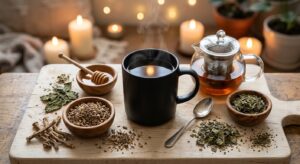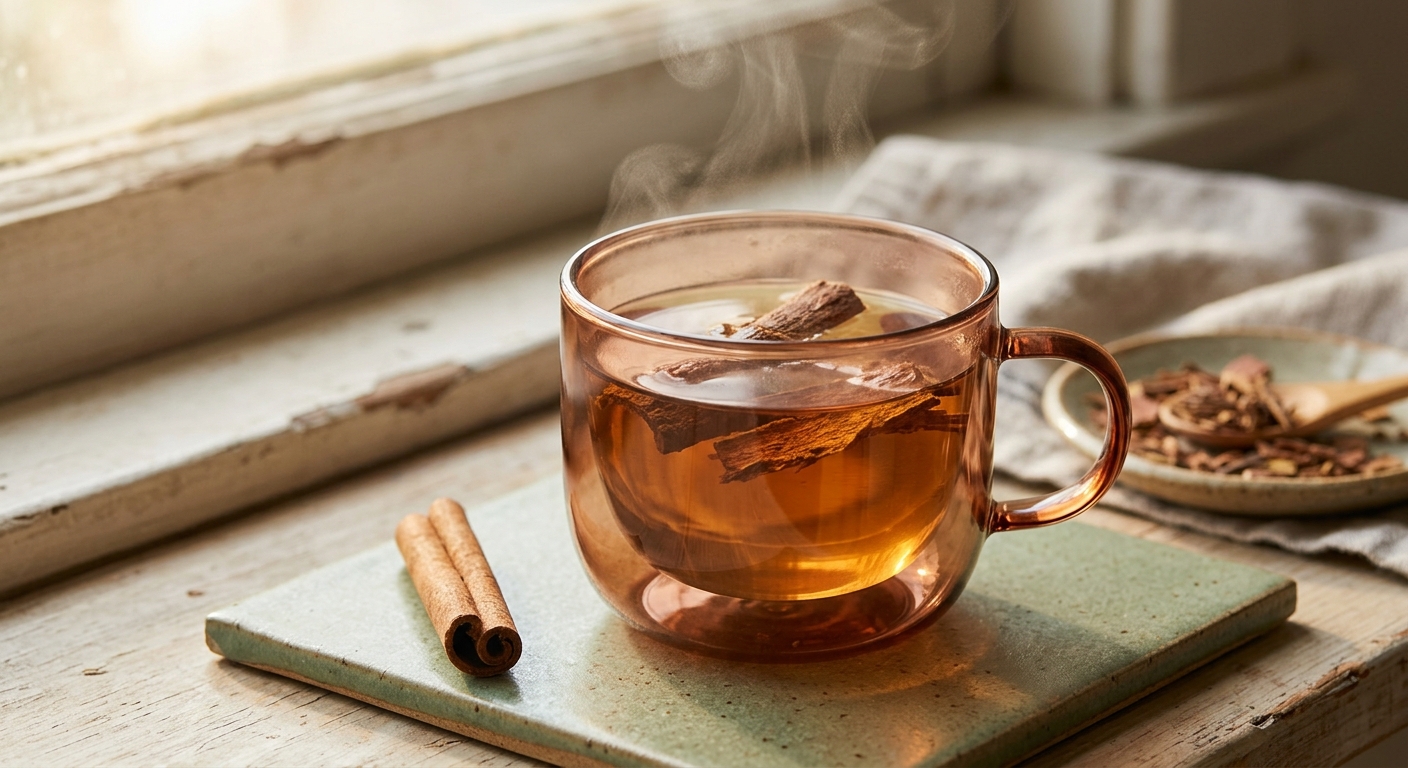
Known as He Huan Pi in Traditional Chinese Medicine, the bark of the mimosa tree (Albizia julibrissin) has been prescribed by herbalists for over two thousand years as a remedy for a heavy heart. Classical texts describe it as the herb that “makes the heart rejoice and causes worry to be forgotten,” and generations of practitioners have turned to it for grief, irritability, insomnia, and the kind of low-grade anxiety that settles into the chest and refuses to leave. The tree itself is a vision of delicate beauty, with feathery green leaves that fold together at nightfall and silky pink flower clusters that bloom in summer, earning it the poetic common name “happiness tree” or “collective happiness bark.”
In the Appalachian regions of the United States, where mimosa trees naturalized after being introduced from Asia in the 18th century, folk herbalists independently discovered uses for the bark and flowers, employing them as mild mood-lifters and sleep aids. Today, Western herbalists and integrative medicine practitioners are rediscovering what Asian traditions have long known, and modern phytochemical research is beginning to explain why. The bark is rich in a suite of bioactive compounds including triterpene saponins, flavonoids, and lignans that together exert a measurable influence on the brain’s stress-response systems.
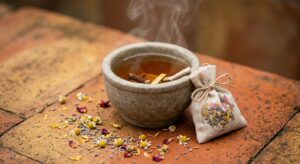
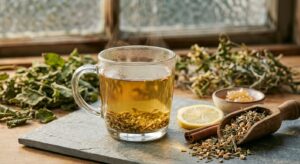
Brewed as a tea, mimosa bark yields a warm, earthy cup with subtle woody and mildly astringent notes. It is not an herb that shouts its presence with a dramatic or polarizing flavor; instead, it settles quietly into the background, much like the calm it is meant to cultivate. Whether you are navigating a period of grief, carrying chronic tension in your body, or simply struggling to wind down at the end of a long day, mimosa bark tea offers a gentle, time-tested invitation to soften and release.
2
cups
Ingredients
- 2 tbspdried mimosa bark (Albizia julibrissin), broken or coarsely ground
- 500 mlwater (100°C / 212°F)
- —raw honey or maple syrup to taste (optional)
- —a cinnamon stick or slice of fresh ginger (optional, to complement flavor)
How to Brew
Click on an item below to shop for the recommended items for this recipe on Amazon.
As an Amazon Associate, we earn from qualifying purchases.
- Measure 2 tablespoons of dried mimosa bark per 500 ml of water. If your bark pieces are large, use the back of a spoon or a mortar and pestle to crack them into smaller fragments to increase surface area.
- Combine the bark and cold water in a small saucepan. Starting with cold water and bringing it up to temperature together with the bark draws out compounds more gradually and thoroughly than adding bark to already-boiling water.
- Bring the mixture to a full rolling boil over medium-high heat, then immediately reduce the heat to a gentle simmer. Cover the saucepan with a lid to prevent volatile aromatic compounds from escaping with the steam.
- Simmer for 15 to 20 minutes. The liquid will deepen in color from pale straw to a warm amber or reddish-brown. A longer simmer of up to 25 minutes will produce a stronger, more potent brew.
- Remove from heat and allow to rest, covered, for 5 minutes. Then strain through a fine mesh strainer or cheesecloth into your mug, pressing gently on the bark to extract the last of the liquid.
- Add honey, maple syrup, or a pinch of cinnamon to taste. Drink warm, ideally 30 to 60 minutes before a stressful event or 1 hour before bed for sleep support.
- Measure 3 tablespoons of dried mimosa bark per 500 ml of filtered water. Cold brew requires a slightly higher bark-to-water ratio than hot methods because the cold extraction is less efficient at pulling out compounds from the woody material.
- Combine the bark and room-temperature filtered water in a glass jar. Stir briefly to ensure all the bark is fully submerged, then loosely cover the jar with a lid or cloth secured with a rubber band.
- Allow the jar to sit at room temperature for 1 to 2 hours to begin the extraction process, then transfer it to the refrigerator.
- Refrigerate for a minimum of 12 hours and up to 18 hours. Gently swirl the jar once or twice during this time if you remember. The brew is ready when the liquid has taken on a clear amber color with a smooth, faintly woody aroma.
- Strain through a fine mesh strainer or cheesecloth into a clean glass or pitcher, pressing on the bark to recover all the liquid. Serve over ice, or pour into a glass as-is for a room-temperature cold brew.
- Sweeten lightly with a simple honey syrup (honey dissolved in a small amount of warm water so it blends easily into the cold liquid) and add a slice of orange or a few drops of rose water for a bright, aromatic lift.
- Combine 4 tablespoons of dried mimosa bark with 500 ml of cold water in a small saucepan. This doubled bark ratio relative to the standard hot brew will produce a concentrate that is diluted before drinking.
- Bring to a full boil over medium-high heat, then reduce to a low simmer. Cover the pot and simmer gently for 30 to 40 minutes, checking occasionally and adding a small splash of water if the liquid reduces below 250 ml.
- After simmering, remove the pot from the heat and allow the concentrate to steep, covered, for an additional 10 minutes. This resting period allows residual heat to continue extracting compounds without over-reducing the liquid.
- Strain the concentrate through a fine mesh strainer or cheesecloth into a clean glass jar or small pitcher. You should have approximately 200 to 250 ml of richly colored, deeply flavored concentrate.
- Allow the concentrate to cool to room temperature before sealing and refrigerating. Label the jar with the date. The concentrate will keep for up to 5 days in the refrigerator.
- To serve, dilute 60 to 80 ml of concentrate with 180 ml of hot water, cold water, or your preferred herbal tea base. Adjust the ratio to your taste. For a calming evening tonic, blend with warm oat milk and a pinch of ashwagandha powder.
Health Benefits
Multiple preclinical studies have found that extracts of Albizia julibrissin bark reduce anxiety-related behaviors in animal models, with mechanisms linked to GABA-A receptor modulation and serotonin pathway support. Traditional Chinese Medicine has employed it specifically for the emotional heaviness associated with grief, worry, and persistent low mood.
The julibrosides and isovitexin in mimosa bark have demonstrated sedative properties in research settings, shortening sleep onset and improving sleep duration in animal models. Herbalists have long recommended it as a gentle, non-habit-forming sleep aid, particularly for insomnia rooted in anxiety or overthinking.
The chalcone flavonoid okanin has shown antidepressant-like effects in preclinical studies, influencing dopaminergic and serotonergic pathways. In TCM, He Huan Pi is considered a primary herb for what classical texts describe as “constrained liver qi,” a pattern closely aligned with modern depression and emotional stagnation.
Quercitrin and other polyphenolic compounds in mimosa bark exhibit antioxidant and anti-inflammatory effects that may protect neurons from oxidative damage over time. Chronic low-grade neuroinflammation is increasingly associated with anxiety and depression, making mimosa bark’s anti-inflammatory properties particularly relevant to its mood-supporting role.
The mild tannins and anti-inflammatory saponins in mimosa bark have a soothing effect on the gastrointestinal lining, helping to ease the stomach tension, nausea, and cramping that often accompany heightened anxiety. This gut-calming action complements its direct nervous system effects and addresses the full physical experience of stress.
🧪 Key Bioactive Compounds
The Science Behind Mimosa Bark
The anxiolytic and mood-lifting reputation of Albizia julibrissin bark is increasingly supported by phytochemical and pharmacological research. The most extensively studied compounds are the julibrosides, a family of triterpene saponins unique to this plant. In vitro and animal studies have shown that these saponins influence both the GABAergic and serotonergic systems, the same two neurotransmitter pathways targeted by many pharmaceutical anxiolytics and antidepressants. The julibroside fraction has demonstrated the ability to prolong sleep duration and reduce anxiety-related locomotion in rodent models, providing a biochemical basis for thousands of years of traditional use.
The flavonoid fraction of mimosa bark adds a second layer of neurological activity. Isovitexin, a C-glycosyl flavone, has been shown to bind to GABA-A receptors at a site distinct from classical benzodiazepine binding, producing anxiolytic effects without the same risk of tolerance or dependence observed with pharmaceutical options. Okanin, a chalcone-type flavonoid, has demonstrated antidepressant-like effects in the forced swim test and tail suspension test, two validated preclinical screens for antidepressant activity, and its mechanism appears to involve the monoamine neurotransmitter systems that regulate motivation, reward, and emotional resilience. Albiziin, a non-protein amino acid structurally related to glutamine, is thought to act as an antagonist at excitatory glutamate receptors, contributing a calming, anti-excitatory dimension to the bark’s overall profile.
While robust human clinical trials specifically on mimosa bark tea remain limited, the convergence of traditional use across multiple independent cultures and the mechanistic plausibility established by preclinical research make it one of the more scientifically compelling herbs in the anxiety and mood-support category. Researchers have also noted significant antioxidant and anti-neuroinflammatory activity from the bark’s polyphenol content, which is relevant given the growing body of evidence linking chronic neuroinflammation to depression and anxiety disorders. Future clinical trials focused on standardized extracts will be essential for establishing precise dosing guidelines, but the existing science strongly supports the herb’s traditional role as a gentle ally for the stressed and sorrowful nervous system.
Brewing Tips
- Source bark from a reputable supplier who can verify it is inner bark from Albizia julibrissin rather than outer cork bark, as the inner bark contains significantly higher concentrations of the active saponins and flavonoids responsible for the herb’s effects.
- For a stronger therapeutic effect, combine mimosa bark with mimosa flowers (He Huan Hua) in a 2-to-1 ratio of bark to flowers. The flowers have complementary calming properties and add a subtle floral sweetness that softens the bark’s earthiness considerably.
- Store dried mimosa bark in an airtight container away from light and heat. Properly stored bark retains potency for up to two years. If your bark has faded in color and lost its distinctive woody scent, it is time to replace it.