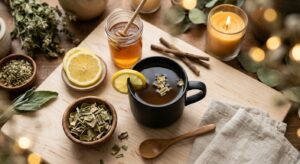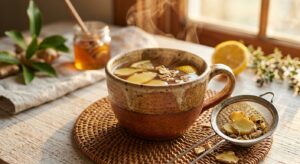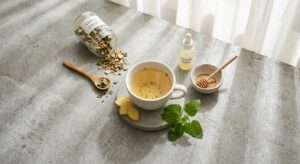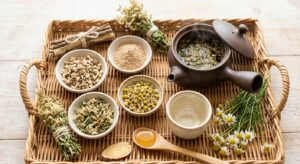
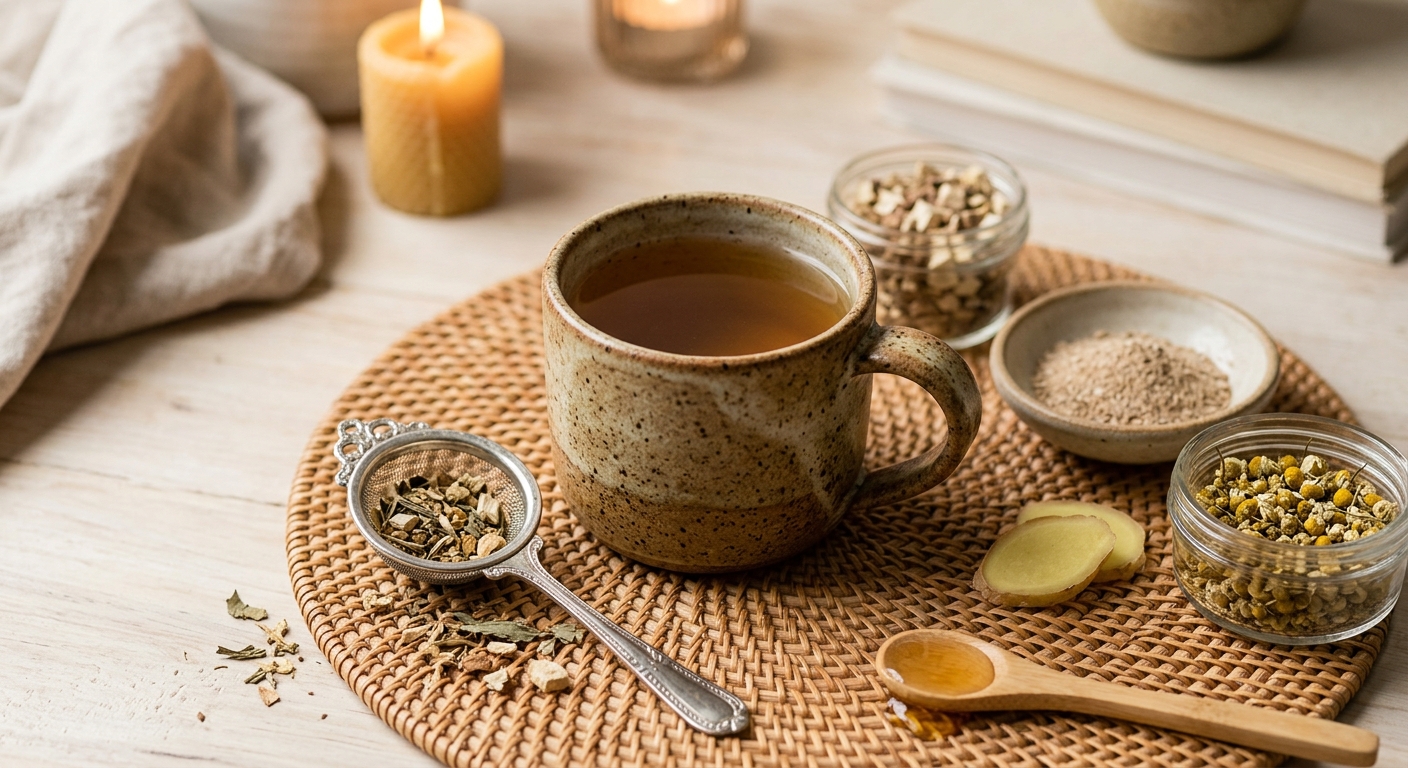
For anyone who has navigated the frustrating world of food sensitivities, the hours after a triggering meal can feel like a storm inside the gut. Bloating, cramping, urgency, and inflammation can all follow exposure to foods the body struggles to tolerate. Long before elimination diets and food intolerance testing became mainstream, traditional herbalists across Europe, the Middle East, and the Americas turned to mucilaginous, anti-inflammatory plants to quiet the reactive gut. Marshmallow root (Althaea officinalis), slippery elm bark (Ulmus rubra), and chamomile flowers (Matricaria chamomilla) form a trinity that addresses gut sensitivity from three complementary angles: coating and protecting the mucosa, reducing inflammation, and calming the nervous system that governs digestive function.
Marshmallow root has been used in European herbal medicine since at least the time of Hippocrates, and its name even inspired the original soft confection, which was once made from the plant’s mucilaginous root extract. Slippery elm has an equally storied history in North American Indigenous medicine, where the powdered inner bark was used as a food for the sick and as a poultice for irritated tissues. Chamomile, beloved across the ancient world from Egypt to Rome, brings its gentle antispasmodic and anti-inflammatory actions to relax the gut wall and reduce cramping. Together, these herbs create a tea that feels as nourishing as it is medicinal.
What makes this blend particularly well-suited for food sensitivity sufferers is its ability to address the leaky gut component that often underpins reactivity. Mucilaginous herbs like marshmallow root and slippery elm form a gel-like film over the intestinal mucosa, physically soothing inflamed tissue and providing a buffer against irritants. Chamomile’s bisabolol and apigenin compounds further reduce localized intestinal inflammation and modulate the gut-brain axis, easing the anxiety and tension that often amplify digestive distress. This is a tea you can return to daily, not just in moments of crisis.
2
cups
Ingredients
- 2 tspdried marshmallow root (cut and sifted)
- 1 tspslippery elm bark powder or cut bark
- 1 tspdried chamomile flowers
- 480 mlwater (85°C / 185°F)
- —raw honey or maple syrup to taste (optional)
- —a thin slice of fresh ginger (optional, for added digestive warmth)
How to Brew
Click on an item below to shop for the recommended items for this recipe on Amazon.
As an Amazon Associate, we earn from qualifying purchases.
- Heat filtered water to 85°C (185°F). If you do not have a temperature-controlled kettle, bring water to a full boil and allow it to cool for approximately 4 to 5 minutes before using.
- Add 2 tsp dried marshmallow root, 1 tsp slippery elm bark, and 1 tsp dried chamomile flowers into a tea infuser, muslin bag, or directly into a small teapot. If using slippery elm powder rather than cut bark, place it directly in the pot as it will naturally settle.
- Pour the 85°C water over the herbs and cover the vessel with a lid or small plate immediately. Covering the tea is important, as it traps the volatile aromatic compounds from the chamomile that would otherwise escape with the steam.
- Steep for 10 to 15 minutes. The longer the steep, the more mucilage is extracted from the marshmallow root and slippery elm, resulting in a thicker, more protective brew. For acute digestive sensitivity, aim for the full 15 minutes.
- Strain carefully into your mug. If using slippery elm powder, pour slowly and allow any settled powder to remain in the bottom of the pot. Sweeten with raw honey if desired, as honey itself has mild prebiotic properties. Sip slowly, ideally 20 to 30 minutes before or after meals.
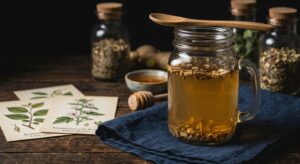
- Combine 2 tsp dried marshmallow root and 1 tsp slippery elm cut bark (not powder, as powder can become too thick and difficult to strain when cold-brewed) into a clean glass jar. Add 1 tsp dried chamomile flowers on top.
- Pour 480 ml of cold, filtered water at room temperature directly over the herbs. Do not use warm or hot water, as cold extraction preserves the polysaccharide chains at their full length, maximizing the mucilaginous, gut-coating quality.
- Stir gently to ensure all herbs are submerged, then place a lid or clean cloth over the jar to prevent contamination. Leave the jar at room temperature for the first 2 hours, then transfer to the refrigerator.
- Allow the herbs to infuse for a total of 8 to 12 hours (overnight is ideal). You will notice the liquid has taken on a slightly viscous, silky quality, this is the mucilage at work.
- Strain the tea through a fine mesh strainer or muslin cloth into a clean pitcher or directly into glasses. Gently warm individual servings to body temperature before drinking if desired, as cold liquids can sometimes aggravate a sensitive gut. Drink within 24 hours and keep refrigerated.
- Place 3 tsp dried marshmallow root and 2 tsp slippery elm cut bark into a small saucepan. Add 600 ml of cold filtered water (extra water is added to account for evaporation during simmering).
- Bring the water to a gentle simmer over medium-low heat, approximately 90 to 95°C. Do not bring to a rolling boil, as vigorous boiling can break down the mucilaginous polysaccharides and diminish their gut-protective effect. Maintain a gentle, quiet simmer.
- Simmer uncovered for 20 to 25 minutes, stirring occasionally. The liquid will reduce and deepen in color to a warm beige-amber, and you will notice a slight thickening in the consistency of the brew as the mucilage concentrates.
- Remove the saucepan from the heat and immediately add 2 tsp dried chamomile flowers directly to the hot liquid. Cover the pan with a lid and allow the chamomile to steep off the heat for 8 to 10 minutes. This protects the chamomile’s apigenin and bisabolol from heat degradation while still allowing full extraction.
- Strain through a fine mesh strainer, pressing the plant material gently with the back of a spoon to extract the remaining mucilaginous liquid. Pour into mugs and sweeten with honey or maple syrup if desired. This decoction produces a richer, more concentrated tea than the hot brew, so sip it slowly and enjoy it in smaller amounts, approximately 120 to 150 ml per sitting.
Health Benefits
Marshmallow root and slippery elm both contain high concentrations of mucilaginous polysaccharides that dissolve into the brewing water and physically coat the gut lining. This creates a temporary protective barrier that reduces direct contact between dietary irritants and inflamed mucosa, providing relief during and after food sensitivity reactions.
Chamomile’s chamazulene and alpha-bisabolol have been shown in multiple in vitro and animal studies to inhibit key inflammatory pathways including COX-2 and 5-lipoxygenase, reducing the localized gut inflammation that underlies food sensitivity symptoms such as cramping, bloating, and diarrhea.
Chamomile has a well-documented antispasmodic effect on the smooth muscle of the gastrointestinal tract. By reducing involuntary contractions, it eases the cramping and urgency that commonly follow exposure to trigger foods, particularly in those with overlapping irritable bowel syndrome.
Both slippery elm and marshmallow root have a long history of use in healing irritated and inflamed mucous membranes. Emerging research suggests that their polysaccharide content may support the proliferation of healthy gut epithelial cells and contribute to the restoration of gut barrier integrity, often referred to as sealing leaky gut.
Apigenin in chamomile acts on GABA-A receptors in the central and enteric nervous systems, reducing the anxiety-driven amplification of gut symptoms. For many people with food sensitivities, the anticipatory stress of eating and the anxiety response to symptoms create a feedback loop, and chamomile helps interrupt this cycle.
🧪 Key Bioactive Compounds
The Science Behind Marshmallow Root
The gut-protective action of this blend centers primarily on the chemistry of mucilage, a class of complex polysaccharides found in particularly high concentrations in marshmallow root and slippery elm bark. When these polysaccharides come into contact with water, they form a viscous, gel-like suspension that behaves similarly to the mucus naturally secreted by the intestinal goblet cells. When consumed, this gel coats the esophagus, stomach, and small intestine, forming a physical buffer between dietary irritants, acids, and the inflamed epithelial tissue beneath. For individuals with compromised gut barrier function, a condition now commonly referred to as increased intestinal permeability, this mechanical soothing can provide meaningful symptomatic relief and may support the environment needed for mucosal repair.
Chamomile contributes a sophisticated anti-inflammatory chemistry to the blend. Its most notable active compounds include apigenin, a flavonoid that inhibits NF-kB signaling pathways and downregulates pro-inflammatory cytokines including IL-6 and TNF-alpha, and alpha-bisabolol, a sesquiterpene alcohol with demonstrated antispasmodic effects on smooth muscle. During brewing, a thermal conversion also generates chamazulene from the precursor compound matricine, producing one of chamomile’s most potent anti-inflammatory agents. Chamazulene inhibits both cyclooxygenase-2 (COX-2) and 5-lipoxygenase enzymes, the same pathways targeted by many pharmaceutical anti-inflammatory drugs, making chamomile a genuinely pharmacologically active addition to this blend rather than a merely pleasant one.
Research into the gut-brain axis has increasingly illuminated why herbs like chamomile can have a measurable effect on digestive symptoms that have a strong nervous system component. The enteric nervous system, sometimes called the second brain, contains more neurons than the spinal cord and communicates bidirectionally with the central nervous system via the vagus nerve. Apigenin’s affinity for GABA-A receptors in both systems means that chamomile can reduce the neurological amplification of gut pain and reactivity, a particularly relevant mechanism for people whose food sensitivity symptoms are worsened by stress and anxiety. By combining mucilaginous protection, direct anti-inflammatory action, and nervous system calming, this three-herb blend addresses food sensitivity from the molecular level upward.
Brewing Tips
- For the most potent mucilage extraction, always use cut and sifted marshmallow root rather than the whole root or powder for hot brewing. The cut form offers optimal surface area for liquid contact without the cloudiness and difficult straining that comes with fine powders.
- Drink this tea on an empty stomach in the morning or at least 30 minutes before meals so the protective mucilaginous coating has time to settle across the gut lining before food arrives. This proactive approach is more effective than drinking it only after a sensitivity reaction has begun.
- Store any leftover cold brew or decoction in a sealed glass jar in the refrigerator for up to 24 hours. The mucilaginous quality will continue to develop and thicken overnight, and the following day’s cup may feel even more velvety and soothing than the freshly brewed batch.