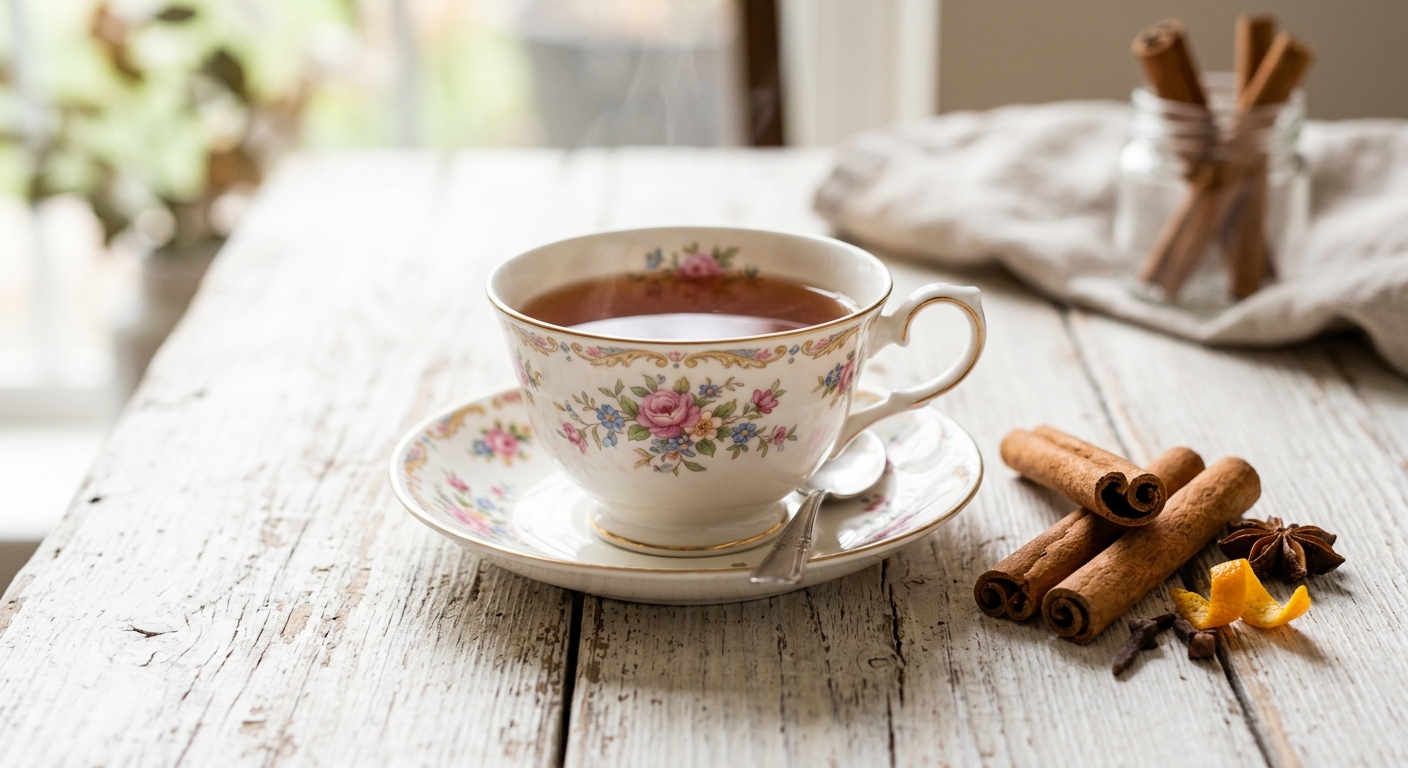
Few spices carry the weight of history that cinnamon does. Traded along ancient spice routes from Sri Lanka and China to Egypt and Rome, cinnamon was once considered more precious than gold. Ancient Egyptians used it in embalming rituals and as a temple offering. Chinese physicians documented its medicinal properties over 4,000 years ago in some of the earliest known herbal texts. In Ayurvedic medicine, cinnamon, known as tvak, was classified as a warming digestive tonic, prescribed to rekindle the digestive fire and ease sluggish gut function. Its journey from royal courts to everyday kitchen cupboards is a testament to how universally loved and useful this bark truly is.
There are two main types of cinnamon worth knowing before you brew. Ceylon cinnamon (Cinnamomum verum), often called true cinnamon, originates from Sri Lanka and has a delicate, mildly sweet flavor with thin, papery bark layers that roll into soft quills. Cassia cinnamon (Cinnamomum cassia), the variety most commonly found in grocery stores, is bolder and more pungent, with thicker, harder bark. For medicinal use and regular tea drinking, Ceylon cinnamon is the preferred choice because it contains significantly lower levels of coumarin, a compound that can stress the liver at high doses. Cassia is fine for occasional enjoyment, but if you drink cinnamon tea daily, reach for Ceylon.
What makes cinnamon tea so compelling beyond its flavor is the remarkable breadth of its therapeutic activity. Modern science has validated many of the uses ancient healers intuited, from its ability to support healthy blood glucose metabolism and ease digestive discomfort to its potent antioxidant and antimicrobial properties. Brewed as a tea, the bark releases a complex tapestry of volatile oils, polyphenols, and bioactive compounds into the cup, creating a drink that is simultaneously medicinal and deeply pleasurable. Whether you sip it warm after dinner to settle your stomach or cold over ice as a refreshing afternoon tonic, cinnamon tea is one of the most versatile and rewarding brews in the herbal pantry.
2
cups
Ingredients
- 2 sticksCeylon cinnamon sticks (approximately 7 to 10 cm each)
- 500 mlwater (filtered preferred)
- —raw honey or maple syrup to taste (optional)
- —a slice of fresh ginger (optional, for extra warmth)
- —a strip of orange peel (optional, for citrus brightness)
How to Brew
Click on an item below to shop for the recommended items for this recipe on Amazon.
As an Amazon Associate, we earn from qualifying purchases.
- Place 2 Ceylon cinnamon sticks into a small saucepan with 500 ml of cold filtered water. Starting in cold water allows the bark to slowly release its compounds as the temperature rises, producing a richer brew.
- Bring the water to a gentle boil over medium heat, then immediately reduce the heat to low. Allow the cinnamon to simmer gently for 10 to 15 minutes. The liquid will deepen from pale gold to a warm amber or copper color as it simmers.
- If using optional additions like fresh ginger slices or orange peel, add them to the saucepan in the last 5 minutes of simmering to preserve their volatile aromatic compounds.
- Remove the saucepan from heat and allow the brew to rest for 2 minutes. This lets the temperature drop slightly and the sediment settle.
- Pour through a fine mesh strainer into warmed mugs. Add raw honey or maple syrup to taste if desired. Serve immediately and sip slowly.
- Lightly crush or score 2 to 3 Ceylon cinnamon sticks using the back of a heavy spoon or a muddler. Breaking the bark slightly increases the surface area and helps extract flavor during the cold, slow brew without heat.
- Place the cinnamon sticks into a clean glass jar or pitcher. Add 500 ml of cold filtered water. Do not use hot water at any point, as the goal is a slow ambient extraction.
- Stir briefly, then seal the jar or cover the pitcher with a lid or plastic wrap. Leave at room temperature for 1 hour to begin the extraction, then transfer to the refrigerator.
- Allow the tea to cold brew in the refrigerator for 12 to 16 hours, or overnight. The longer it steeps, the deeper and more developed the flavor will be, though it will remain smooth and never sharp.
- Remove the cinnamon sticks and pour the brew through a fine mesh strainer into tall glasses filled with ice. Sweeten with a splash of honey simple syrup if desired, and garnish with a fresh cinnamon stick.
- Combine 4 to 5 Ceylon cinnamon sticks with 750 ml of cold filtered water in a medium saucepan. For additional complexity, add 4 green cardamom pods (lightly crushed), 3 cloves, and a 2 cm piece of fresh ginger cut into coins.
- Bring the mixture to a full boil over medium-high heat, stirring once. Reduce the heat to a steady low simmer and cook uncovered for 25 to 30 minutes. The liquid will reduce by roughly one-third, concentrating all the volatile oils and polyphenols from the bark.
- Watch the color as it brews. By 20 minutes it should be a deep, dark amber approaching a reddish-brown tone. If it appears to be reducing too quickly, add a small splash of water and lower the heat.
- Remove from heat and allow to cool for 5 minutes. Strain through a fine mesh strainer lined with a piece of cheesecloth into a glass jar to remove all fine bark particles.
- To serve hot, combine 60 to 80 ml of concentrate with 180 ml of hot water or warmed oat milk in a mug. Sweeten as desired. To serve iced, pour 60 to 80 ml concentrate over a glass of ice and top with cold water or cold plant-based milk.
Health Benefits
Multiple human clinical trials have shown that cinnamon supplementation can reduce fasting blood glucose levels and improve insulin sensitivity. The polyphenols and cinnamaldehyde in the bark appear to mimic insulin action and slow the rate of gastric emptying, dampening post-meal blood sugar spikes.
Cinnamon has long been used as a carminative herb, meaning it helps relax intestinal spasms, reduce gas, and ease bloating. Cinnamaldehyde and eugenol both help relax the smooth muscle of the gastrointestinal tract, while the bark’s antimicrobial activity may help restore healthy gut microbial balance.
Cinnamon consistently ranks among the highest antioxidant-containing spices in the world, outperforming many well-known superfoods per gram. Its dense concentration of polyphenols scavenges free radicals and reduces oxidative stress, which is a contributing factor in aging and chronic disease.
Cinnamaldehyde, eugenol, and cinnamon’s procyanidins have each demonstrated the ability to inhibit key inflammatory signaling molecules, including NF-kB. Regular consumption of cinnamon tea may contribute to lower levels of systemic inflammation, which is implicated in conditions ranging from arthritis to cardiovascular disease.
Research suggests that cinnamon can help reduce LDL cholesterol and triglyceride levels while supporting healthy blood pressure. The combined effects of its antioxidant, anti-inflammatory, and blood sugar-modulating properties contribute to a favorable cardiovascular risk profile with regular consumption.
🧪 Key Bioactive Compounds
The Science Behind Cinnamon
The health reputation of cinnamon is anchored most firmly in the activity of cinnamaldehyde, the phenylpropanoid compound responsible for up to 90 percent of the essential oil in Ceylon cinnamon bark. Mechanistic studies show that cinnamaldehyde activates GLUT4 receptors, the glucose transporter proteins on cell surfaces, helping to pull glucose out of the bloodstream and into cells in a process that mirrors how insulin works. It also inhibits the enzyme alpha-glucosidase in the small intestine, slowing the breakdown of complex carbohydrates and reducing the rate at which glucose enters the bloodstream after a meal. These two actions working together explain why multiple human randomized controlled trials have found that cinnamon consumption measurably reduces fasting blood glucose and HbA1c over periods of eight to twelve weeks in people with type 2 diabetes or pre-diabetes.
Beyond blood sugar regulation, cinnamon’s procyanidins and condensed tannins have demonstrated significant anti-inflammatory activity. These polyphenols suppress the NF-kB signaling pathway, a master regulator of the body’s inflammatory response, and reduce the production of pro-inflammatory cytokines such as TNF-alpha and IL-6. This anti-inflammatory mechanism is relevant to gut health, where chronic low-grade inflammation in the intestinal lining contributes to conditions like irritable bowel syndrome and leaky gut. Eugenol, another key compound, adds to this effect by directly inhibiting cyclooxygenase enzymes, the same target as common anti-inflammatory drugs, while also exerting antimicrobial pressure against pathogenic gut bacteria including Helicobacter pylori.
The digestive benefits of cinnamon tea extend to its carminative and spasmolytic properties. Research indicates that the essential oil components, including cinnamaldehyde and linalool, relax the smooth muscle tissue of the gastrointestinal tract, reducing painful spasms, cramping, and the uncomfortable accumulation of gas that follows a heavy or poorly digested meal. Cinnamon’s tannin content also has a mild astringent effect on the gut lining, which can help firm loose stools and reduce intestinal permeability. Together, these mechanisms make brewed cinnamon tea a scientifically coherent and historically validated remedy for the full spectrum of common digestive complaints, from post-meal bloating to mild nausea and sluggish digestion.
Brewing Tips
- Always store cinnamon sticks in an airtight container away from light and heat. Whole sticks retain their essential oils far longer than pre-ground cinnamon powder, which loses potency quickly. Fresh, high-quality sticks will snap cleanly and release a strong, sweet fragrance when bent.
- To distinguish Ceylon from Cassia cinnamon at a glance, examine the quill structure. Ceylon cinnamon sticks have multiple thin, papery layers rolled tightly together like a cigar, while Cassia sticks are single, thick, hard rolls that are difficult to break by hand.
- Rinse your cinnamon sticks briefly under cold water before brewing. Bark can carry surface dust or residues from storage and shipping, and a quick rinse takes only seconds but ensures a cleaner, purer cup.