Few herbs carry a name as honest as cramp bark. Viburnum opulus, a shrubby deciduous tree native to Europe, northern Africa, and North America, has been harvested for its medicinal bark for centuries by healers across wildly different cultures. Indigenous peoples of North America, including the Meskwaki and Potawatomi nations, brewed the inner bark into strong decoctions to ease the painful muscle contractions associated with menstruation, childbirth, and cramping throughout the body. European herbalists adopted it enthusiastically, and by the nineteenth century it had earned a permanent place in both the Eclectic Medical tradition and early pharmacopeias as a premier uterine antispasmodic.
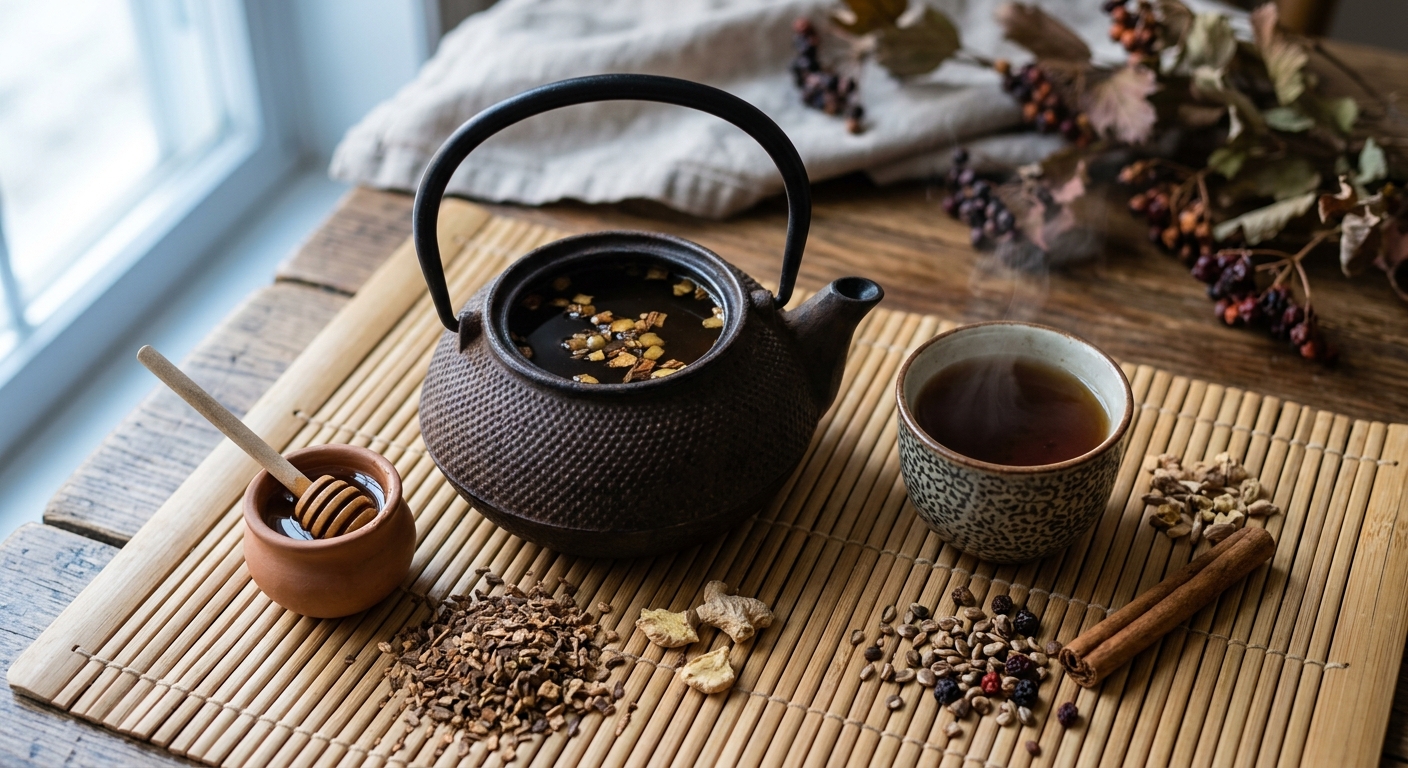
What sets cramp bark apart from most herbal teas is its woody, resinous character. Unlike delicate flowers steeped in warm water, cramp bark demands a proper decoction, meaning it must be gently simmered to coax its tightly bound bioactive compounds from the dense plant material. The resulting brew is earthy and slightly bitter, with warm woody undertones that speak to its medicinal seriousness. Herbalists often describe it as a tea that you drink with intention, not for pleasure alone, though honey and warming spices can transform it into something genuinely enjoyable.
Modern research has begun to validate what traditional healers understood intuitively. Studies have identified several key compounds in cramp bark, including scopoletin, viopudial, and isovaleric acid, that work together to relax smooth muscle tissue, reduce uterine spasms, and calm the nervous system. Whether you are navigating painful periods, muscle tension from physical exertion, or the deep aching that accompanies endometriosis, cramp bark tea offers a thoughtful, plant-based complement to your wellness routine.
2
cups
Ingredients
- 2 tbspdried cramp bark (Viburnum opulus), coarsely ground or broken
- 500 mlwater
- 1 tspdried ginger root (optional, for warmth and added antispasmodic support)
- —raw honey or cinnamon to taste (optional)
How to Brew
Click on an item below to shop for the recommended items for this recipe on Amazon.
As an Amazon Associate, we earn from qualifying purchases.
- Add 2 tablespoons of coarsely broken or ground dried cramp bark to a small saucepan. If using dried ginger root, add it now. Pour in 500 ml of cold water.
- Place the saucepan over medium heat and bring the water slowly to a gentle simmer. Do not rush this step. A gradual rise in temperature begins extracting the bark’s compounds more effectively than rapid boiling.
- Once simmering, reduce the heat to low and maintain a gentle simmer for 20 to 25 minutes. The liquid will deepen in color to a rich amber or reddish-brown and reduce slightly in volume. Keep a loose lid on to retain volatile compounds while allowing some steam to escape.
- Remove from heat and allow the decoction to rest for 5 minutes. This rest period allows any remaining compounds to settle out from the bark into the liquid.
- Strain the liquid through a fine mesh strainer or cheesecloth into a warmed mug. Press the bark gently with the back of a spoon to extract as much liquid as possible.
- Sweeten with raw honey or a pinch of cinnamon if desired. Drink 1 cup up to 3 times daily during acute cramping or muscle tension.
- Measure 3 tablespoons of coarsely broken cramp bark into a glass jar. Cold brewing requires a slightly higher bark-to-water ratio than hot decoction to compensate for the lower extraction temperature.
- Pour 600 ml of cold, filtered water over the bark. Stir briefly to ensure all bark pieces are submerged. Do not use warm or hot water, as the goal is a slow, cold extraction.
- Cover the jar with a lid or clean cloth secured with a rubber band. Allow the jar to sit at room temperature for 2 hours, then transfer to the refrigerator.
- Leave the jar in the refrigerator for a minimum of 12 hours and up to 14 hours. The slow extraction will produce a smooth, less bitter brew with a darker caramel color and softer earthy flavor compared to the hot decoction.
- Strain through a fine mesh strainer or cheesecloth into a clean pitcher or jar. Press the bark to extract the remaining liquid.
- Drink cold over ice, or gently warm a single serving in a small saucepan over low heat without boiling. The cold brew will keep refrigerated for up to 48 hours. Add honey or a squeeze of lemon to brighten the flavor before serving.
- Add 4 tablespoons of coarsely broken dried cramp bark to a medium saucepan. Add any supportive herbs you are working with, such as dried ginger or valerian root. Pour in 750 ml of cold water.
- Bring to a gentle simmer over medium heat, then reduce to low. Simmer uncovered or with a slightly vented lid for 35 to 45 minutes, allowing the liquid to reduce by roughly half. You should end up with approximately 350 to 375 ml of concentrated liquid.
- Monitor the saucepan regularly and top up with a small splash of water if the liquid reduces more than expected. The final concentrate should be deep reddish-brown in color and noticeably more intense and slightly more bitter than a standard single-serving decoction.
- Remove from heat and steep for an additional 10 minutes off the burner. Strain through a fine mesh strainer or cheesecloth, pressing the bark firmly to extract all liquid.
- Allow the concentrate to cool completely, then transfer to a sterilized glass jar or bottle with a tight lid. Label with the preparation date. Store in the refrigerator for up to 5 days.
- To use, dilute 60 to 90 ml of concentrate with 180 ml of hot water or herbal tea of your choice. Sweeten if desired. Take up to 3 diluted doses per day during acute cramping periods.
Health Benefits
Cramp bark’s scopoletin and viopudial compounds directly relax the smooth muscle of the uterus, reducing the intensity and frequency of painful contractions during menstruation. Traditional herbalists and early clinical observations support its use as a primary remedy for primary dysmenorrhea, and it remains one of the most widely recommended herbs in modern botanical medicine for this purpose.
The antispasmodic compounds in cramp bark act on skeletal muscle as well as smooth muscle, making it useful for tension-related back pain, muscle spasms, and cramping associated with overexertion or physical stress. Many women find it particularly helpful for the lower back pain that accompanies menstrual cramps.
Scopoletin has demonstrated mild vasodilatory activity in pharmacological studies, meaning it may help relax the walls of blood vessels and contribute to healthier blood pressure levels. This secondary benefit is relevant for individuals who experience tension-related blood pressure spikes alongside musculoskeletal or menstrual pain.
Isovaleric acid in cramp bark acts on the central nervous system to produce mild sedative and anxiolytic effects, similar in mechanism to compounds found in valerian root. For women who experience heightened anxiety or irritability alongside physical cramping, cramp bark may provide simultaneous physical and emotional relief.
Cramp bark has a long historical application in midwifery for calming uterine contractions in cases of threatened miscarriage, where excessive uterine irritability is a concern. Herbalists and integrative midwives have used it cautiously for this purpose, though any use during pregnancy must be supervised by a qualified healthcare provider.
🧪 Key Bioactive Compounds
The Science Behind Cramp Bark
The antispasmodic reputation of cramp bark rests on a well-characterized set of bioactive compounds, chief among them scopoletin, a coumarin derivative that has been studied for its ability to inhibit calcium ion movement across smooth muscle cell membranes. Calcium influx is the trigger that initiates and sustains muscle contraction, and by moderating this process, scopoletin effectively reduces the intensity and duration of involuntary spasms in the uterus, blood vessels, and digestive tract. Laboratory studies have confirmed this mechanism, lending solid pharmacological support to centuries of traditional use.
Viopudial, an iridoid glycoside unique to the Viburnum genus, complements scopoletin’s action through a partially distinct pathway. Research published in phytochemical and pharmacological literature has demonstrated viopudial’s capacity to relax isolated smooth muscle tissue, making it a key contributor to the overall antispasmodic profile of the herb. Alongside these primary compounds, isovaleric acid, which cramp bark shares with valerian root, acts on GABA pathways and the central nervous system to reduce nervous tension and promote muscular relaxation, adding a psychosomatic dimension to the herb’s pain-relieving effects.
The anti-inflammatory contribution of cramp bark should not be overlooked. Chlorogenic acid and amentoflavone both inhibit pro-inflammatory mediators, including prostaglandins, which are a primary driver of menstrual pain. Prostaglandins cause the uterine muscle to contract forcefully during menstruation, and their elevated levels are directly correlated with the severity of dysmenorrhea. By reducing the inflammatory environment in uterine tissue, cramp bark’s polyphenolic compounds address the pain cascade at a secondary but meaningful level, working in partnership with the direct antispasmodic compounds to provide more complete relief.
Brewing Tips
- Always break or grind the dried cramp bark before brewing. Whole chunks of bark will not release their compounds effectively even during a long simmer. A mortar and pestle or the flat of a heavy knife works well for coarse breaking.
- Pair cramp bark with warming circulatory herbs like ginger or cinnamon when brewing. Cold, stagnant circulation in the pelvic region can worsen cramping, and these herbs help move blood and warmth to where it is needed most.
- Begin drinking cramp bark tea one to two days before your period is expected to start rather than waiting until cramping begins. Preventive use allows the antispasmodic compounds to build up in your system and can significantly reduce the severity of initial cramps.