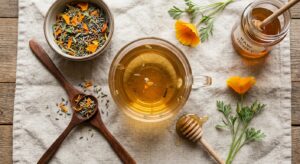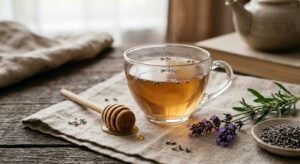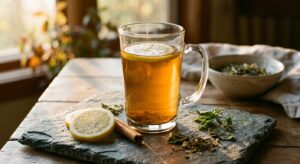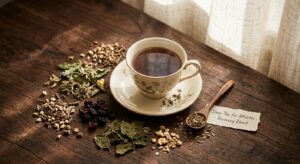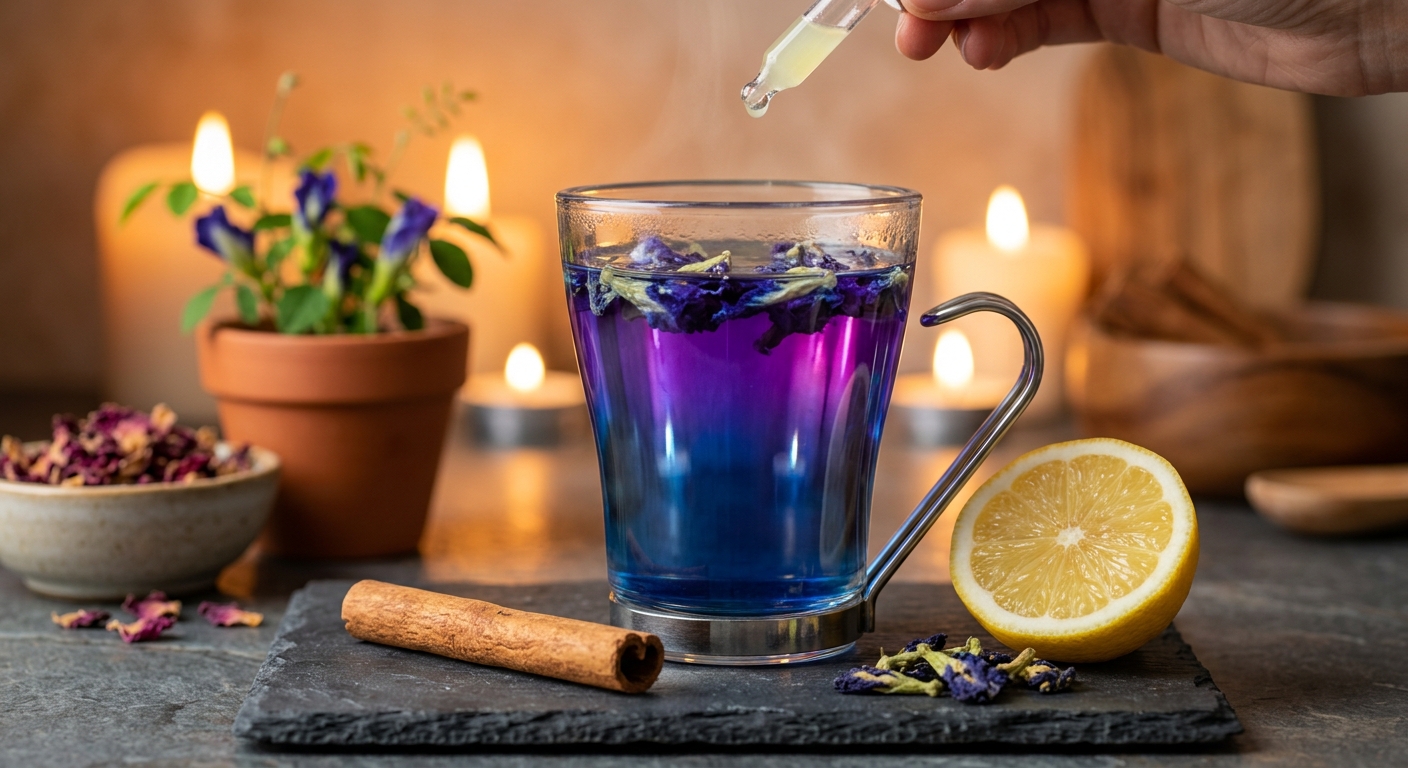
Few herbs captivate the senses quite like butterfly pea flower. Steeped in water, the dried blossoms of Clitoria ternatea release a breathtaking deep indigo blue that seems almost impossibly vivid. Add a squeeze of lemon juice and the tea transforms before your eyes into a brilliant violet or magenta, a natural pH reaction that has delighted drinkers across Southeast Asia for generations. In Thailand, this brew is known as nam dok anchan and is served both hot and iced, often sweetened with honey and finished with a curl of citrus peel. In Malaysia and Vietnam, it colors sticky rice and traditional sweets. Long before it became a social media sensation in the West, it was deeply woven into the culinary and medicinal traditions of the region.
In Ayurvedic medicine, butterfly pea flower has been prized as a medhya rasayana, a class of herbs believed to nourish the mind, sharpen memory, and calm the nervous system. Traditional practitioners prescribed preparations of the plant to ease anxiety, reduce mental fatigue, and promote deeper sleep. The blossoms were also applied topically to support hair growth and skin health, reflecting the plant’s broad role in holistic wellness. Modern herbalists have embraced butterfly pea flower for many of the same reasons, finding it a gentle and approachable addition to evening wind-down rituals and sleep-support blends.
What makes butterfly pea flower especially exciting today is that science is beginning to validate what traditional healers observed centuries ago. Researchers have identified a rich concentration of anthocyanins, flavonoids, and peptides in the blossoms that appear to interact with the brain’s GABA system, the same calming pathway targeted by many conventional sleep and anxiety medications, though in a much gentler and non-habit-forming way. Whether you are drawn to it for its therapeutic potential, its extraordinary color show, or simply the pleasure of a mild, earthy, slightly woody cup of tea at the end of a long day, butterfly pea flower deserves a place in every herbal pantry.
2
cups
Ingredients
- 2 tspdried butterfly pea flowers
- 480 mlwater (85°C / 185°F)
- —raw honey or coconut sugar to taste (optional)
- —fresh lemon or lime juice for color-shifting effect (optional)
How to Brew
Click on an item below to shop for the recommended items for this recipe on Amazon.
As an Amazon Associate, we earn from qualifying purchases.
- Heat filtered water to 85 to 90°C (185 to 194°F). If you do not have a temperature-controlled kettle, bring water to a full boil and allow it to rest off the heat for 2 to 3 minutes before using.
- Place 1 teaspoon of dried butterfly pea flowers per cup (approximately 240 ml) into a tea infuser or small teapot. The flowers are large and open easily, so a medium-mesh infuser or a cloth tea bag works best to prevent petals from escaping.
- Pour the measured hot water directly over the flowers and cover the cup or teapot with a lid or small saucer to trap volatile aromatics and retain heat during steeping.
- Steep for 5 to 7 minutes. The liquid will deepen from pale lavender to a rich, jewel-like indigo. Remove the infuser promptly at 7 minutes to prevent bitterness from over-extraction.
- Sweeten lightly with raw honey or coconut sugar if desired. To trigger the stunning color shift to violet or magenta, stir in a small squeeze of fresh lemon or lime juice just before drinking and watch the transformation happen in real time.
- Add 3 teaspoons of dried butterfly pea flowers per 480 ml of cold, filtered water into a clean glass jar or pitcher. The higher flower-to-water ratio compensates for the slower extraction at cold temperatures.
- Stir gently to ensure all the flowers are submerged and in contact with the water. Do not crush or muddle the flowers, as this can introduce unwanted bitterness.
- Seal the jar or cover the pitcher and leave it at room temperature for 1 hour to begin extraction, then transfer it to the refrigerator.
- Allow the tea to cold-steep for a total of 8 to 12 hours, or overnight. The resulting liquid will be a deeply saturated indigo blue, often more vivid than the hot-brewed version due to the gentler extraction.
- Strain the flowers through a fine-mesh strainer or cheesecloth into a clean serving vessel and discard the spent petals. Store covered in the refrigerator for up to 48 hours.
- Serve over ice in a clear glass to showcase the color. Add honey syrup (made by dissolving equal parts honey and warm water) and a squeeze of citrus for a refreshing, calming evening drink.
- Add 4 teaspoons of dried butterfly pea flowers to a large, clean glass jar. Use a clear glass jar rather than plastic or colored glass so sunlight can penetrate fully and you can watch the infusion develop through the afternoon.
- Fill the jar with 480 ml of clean, cold filtered water at room temperature. Stir briefly to wet all the flowers, then seal the jar with its lid.
- Place the jar in a sunny outdoor spot or on a south-facing windowsill where it will receive 3 to 5 hours of unobstructed direct sunlight. The gentle, consistent warmth will slowly coax the indigo pigment from the petals without overheating the brew.
- Check the tea after 3 hours. It should be a rich, deep indigo. If the color is still pale or the flavor feels thin, allow it to continue steeping for up to 2 more hours. The longer it steeps in the sun, the more concentrated and smooth the flavor becomes.
- Once the desired depth is reached, bring the jar indoors and strain the flowers through a fine-mesh strainer. Transfer the strained tea to the refrigerator to chill before serving.
- Pour over ice and add lemon juice, fresh mint leaves, or a splash of coconut milk for a calming late-afternoon or pre-bedtime ritual.
Health Benefits
The flavonoids in butterfly pea flower, particularly kaempferol and quercetin, interact with GABA-A receptors in the brain in a manner similar to benzodiazepine drugs but far more gently and without dependency risk. A 2020 study published in the journal Applied Sciences found that butterfly pea flower extract significantly reduced sleep latency and increased total sleep duration in animal models, suggesting it may help those who struggle to fall or stay asleep.
Traditional Ayurvedic use of butterfly pea flower as a nerve tonic is supported by modern pharmacological research showing that its flavonoid compounds can modulate the GABAergic system, the brain’s primary inhibitory network, helping to quiet racing thoughts and reduce situational anxiety. Several animal studies have demonstrated significant anxiolytic effects comparable to low doses of established anti-anxiety compounds.
Butterfly pea flower contains some of the highest concentrations of anthocyanins found in any edible plant, with its ternatin-class pigments demonstrating particularly strong free-radical scavenging activity. Antioxidants protect cells from oxidative damage linked to aging, chronic inflammation, and neurodegenerative disease, making this tea a genuinely functional addition to an antioxidant-rich diet.
Long used in Ayurvedic practice as a brain tonic, butterfly pea flower has been investigated in several clinical and preclinical studies for its nootropic potential. Research published in the Journal of Applied Sciences showed that extracts of Clitoria ternatea improved spatial memory and learning in rodent models, likely due to the combined action of its anthocyanins and cyclic peptides in reducing neuroinflammation and supporting acetylcholine signaling.
Multiple compounds in butterfly pea flower, including quercetin, kaempferol, and p-coumaric acid, work synergistically to inhibit pro-inflammatory cytokines and reduce systemic inflammation. Chronic low-grade inflammation is implicated in poor sleep quality, heightened anxiety, and numerous long-term health conditions, making butterfly pea flower a particularly well-rounded herb for the Sleep and Relaxation category.
🧪 Key Bioactive Compounds
The Science Behind Butterfly Pea Flower
The remarkable color of butterfly pea flower tea is not merely decorative. It is a direct expression of the flower’s most therapeutically significant compounds: the ternatin-class polyacylated anthocyanins. These highly complex pigment molecules are structurally distinct from the simpler anthocyanins found in blueberries or red cabbage, featuring multiple acyl and glycosyl modifications that make them unusually stable and bioavailable. Research from Kasetsart University in Thailand has shown that ternatin anthocyanins demonstrate potent free-radical scavenging activity and inhibit lipid peroxidation, a key driver of cellular aging and neuroinflammation. Their stability across a range of temperatures (below 95°C) also makes them effective even after brewing, meaning you are consuming bioactive compounds, not just pigment.
The calming and sleep-supportive effects of butterfly pea flower appear to be mediated primarily through its flavonoid content, particularly kaempferol and quercetin. These compounds have been shown in multiple in vitro and animal studies to act as positive allosteric modulators of GABA-A receptors, the same molecular targets engaged by benzodiazepine drugs like diazepam. By enhancing the binding efficiency of gamma-aminobutyric acid (GABA), the brain’s primary inhibitory neurotransmitter, these flavonoids can reduce neuronal excitability, lower subjective anxiety, and shorten the time it takes to transition into sleep. Critically, flavonoid modulation of GABA-A receptors does not appear to cause the receptor downregulation associated with dependency and tolerance seen with pharmaceutical GABA modulators, making butterfly pea flower a sustainable option for long-term support.
The nootropic dimension of butterfly pea flower is linked in part to a class of compounds called cyclotides, small cyclic peptides that are unusually resistant to enzymatic degradation in the gut and may cross the blood-brain barrier. Early research suggests these peptides may protect neurons against excitotoxicity and support acetylcholine transmission, a neurotransmitter system critical for memory consolidation and learning. While large-scale human clinical trials are still needed to confirm these effects, the mechanistic evidence is compelling and consistent with centuries of Ayurvedic observation. The combination of anthocyanin-based antioxidant protection, flavonoid-mediated GABAergic calming, and cyclotide neuroprotection makes butterfly pea flower a genuinely multidimensional herb worthy of serious scientific attention.
Brewing Tips
- Buy whole dried butterfly pea flowers rather than powdered form for the fullest color and most complete therapeutic profile. Powder oxidizes quickly and often yields a dull gray-blue rather than the brilliant indigo of whole-flower extraction.
- Always use water below 95°C (203°F). Boiling water degrades the ternatin anthocyanins rapidly, muting the color and reducing the therapeutic potency of the brew. An 85°C steep is the sweet spot for both vibrance and flavor.
- Keep a small bottle of diluted lemon or lime juice next to your butterfly pea flower tea for the color-shifting ritual. Adding citrus just before drinking transforms the cup from indigo to violet in seconds, and the pH shift also slightly increases the bioavailability of some of the flower’s flavonoid compounds.
- Store dried butterfly pea flowers in an airtight, dark-colored glass container away from light and moisture. Anthocyanins are photosensitive and will fade and degrade if the flowers are stored in clear containers on a bright countertop.
- For a sleep-specific blend, brew butterfly pea flower tea approximately 45 minutes before bed and drink it in a dimly lit, screen-free environment to allow the GABAergic flavonoids to work in concert with your body’s natural melatonin rise.