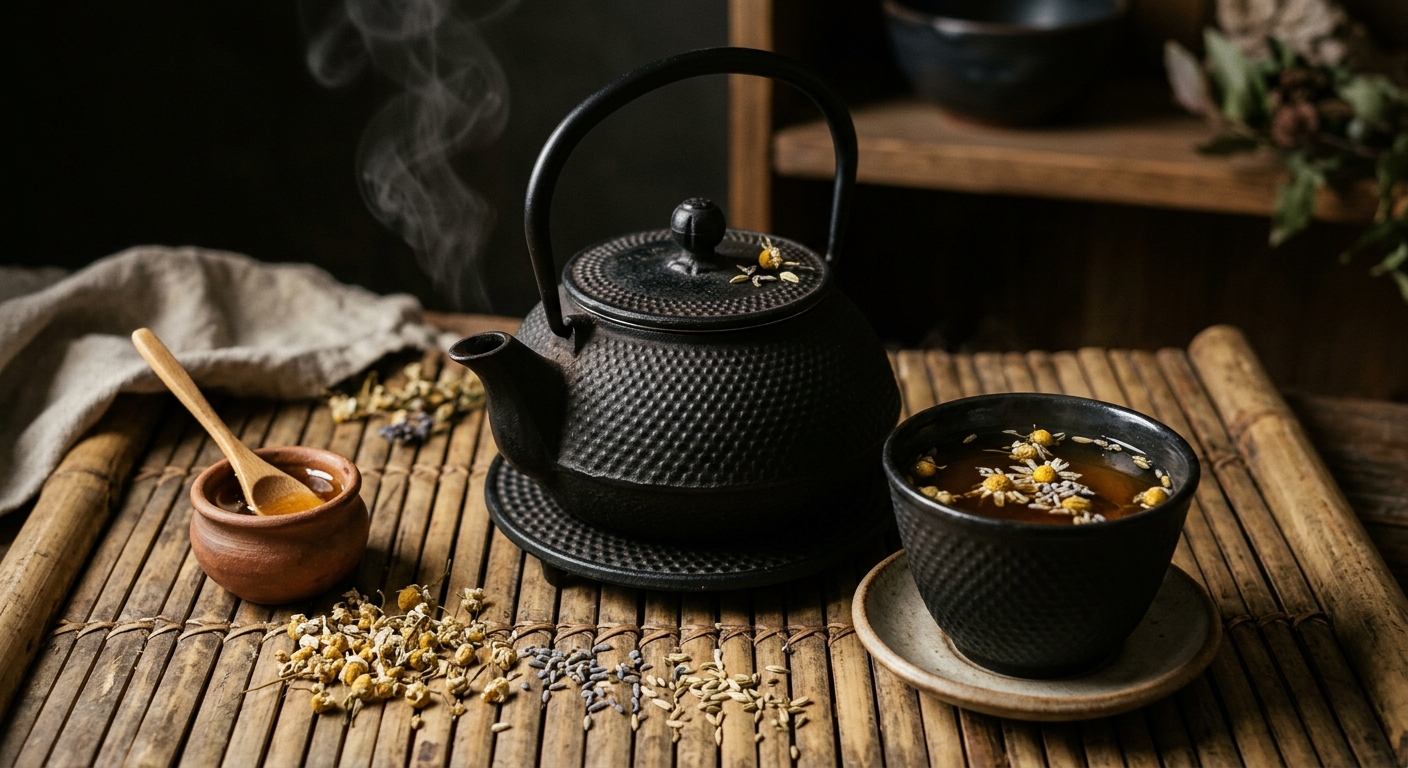
Few herbal combinations have stood the test of time quite like lavender and chamomile. Chamomile, known botanically as Matricaria chamomilla, has been brewed as a calming remedy since ancient Egypt, where it was offered to the sun god Ra and used to treat fevers and nervous complaints. Lavender (Lavandula angustifolia) carries an equally storied past, treasured by the Romans for bathing, by medieval monks for healing gardens, and by generations of European herbalists who tucked it beneath pillows to invite peaceful dreams. Together, they form a tea that feels less like a supplement and more like a centuries-old ritual.
What makes this blend particularly special is the synergy between the two plants. Chamomile contributes a soft, apple-like sweetness and a warm, golden liquor, while lavender adds a floral, faintly herbal depth that keeps the cup from feeling one-dimensional. Neither herb overpowers the other. Instead, they create something greater than the sum of their parts: a tea that calms the nervous system, soothes the digestive tract, and gently invites the mind to slow its pace. Aromatherapy researchers have noted that simply inhaling the steam from this blend can begin to shift the body toward a more relaxed state before the first sip is even taken.
On herbalteaguide.com, we believe that the best herbal teas are also the most intentional ones. This lavender and chamomile blend rewards a slow approach: a few quiet minutes in the kitchen, a warm mug held with both hands, and the willingness to let the evening settle around you. Whether you are managing stress, battling insomnia, or simply seeking a nourishing end to a long day, this is a tea worth making well.
2
cups
Ingredients
- 2 tspdried chamomile flowers
- 1 tspdried culinary lavender buds
- 480 mlwater (90°C / 194°F)
- —raw honey or agave to taste (optional)
- —a thin slice of lemon (optional)
How to Brew
Click on an item below to shop for the recommended items for this recipe on Amazon.
As an Amazon Associate, we earn from qualifying purchases.
- Heat filtered water to 90 to 93°C (194 to 200°F). If you do not have a temperature-controlled kettle, bring water to a boil and allow it to rest off heat for 90 seconds before using.
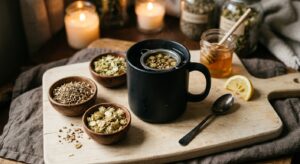
- Add 2 tsp dried chamomile flowers and 1 tsp dried lavender buds to a tea infuser or strainer placed inside your mug or teapot. For two servings, double the quantities.
- Pour the hot water slowly over the herbs, ensuring all the plant material is fully submerged. Cover the mug or pot with a lid or small plate to trap the aromatic steam and preserve volatile oils.
- Steep for 5 to 7 minutes. Taste at the 5-minute mark; lavender can become soapy or overpowering if steeped too long, so err on the shorter side for a more balanced cup.
- Remove the infuser and discard the spent herbs. Stir in raw honey to taste and add a thin slice of lemon if desired. Serve immediately and sip slowly.
- Measure 3 tsp dried chamomile flowers and 1.5 tsp dried lavender buds into a clean glass jar. Cold brewing is slower and produces a more dilute extraction, so use a 50 percent higher herb ratio than you would for hot brew.
- Pour 480 ml of cold, filtered water over the herbs. Stir gently to ensure all plant material is saturated and not floating on top.
- Seal the jar with a lid and allow it to sit at room temperature for 30 minutes to begin the initial extraction, then transfer it to the refrigerator.
- Steep in the refrigerator for 8 to 12 hours or overnight. The cold, slow extraction produces a notably smoother, silkier liquor with a more pronounced floral note and very little bitterness.
- Strain the tea through a fine-mesh strainer or cheesecloth into a pitcher or glasses filled with ice. Sweeten with a lavender simple syrup or light agave nectar, which blends more easily than honey in cold liquid. Serve over ice and garnish with a fresh sprig of lavender if available.
- Combine 3 tsp dried chamomile flowers and 1.5 tsp dried lavender buds in a clean, large clear glass jar. The transparency of the glass allows sunlight to gently warm the water and activate the herbs.
- Fill the jar with 480 ml of cold, filtered water. Stir lightly, then seal the jar with its lid.
- Place the sealed jar in a spot that receives direct sunlight for the majority of the steeping period, such as a sunny windowsill or outdoor patio. The warmth of the sun slowly coaxes the floral compounds and subtle sweetness from both herbs without the harshness that boiling water can introduce.
- Allow the jar to steep in the sun for 2 to 4 hours, checking the color and aroma at the 2-hour mark. The tea is ready when it has developed a warm golden amber color and the kitchen or window area smells gently floral.
- Strain the sun tea through a fine-mesh strainer into glasses. Taste before sweetening, as sun tea made with chamomile and lavender is often naturally sweet enough to enjoy plain. Refrigerate any leftovers and consume within 24 hours for best flavor and safety.
Health Benefits
Chamomile’s apigenin binds to GABA-A receptors to reduce neuronal excitability, while lavender’s linalool further quiets an overactive nervous system. Clinical studies, including a 2017 randomised controlled trial published in the Journal of Advanced Nursing, found that chamomile extract significantly improved sleep quality in postpartum women, and multiple trials have confirmed lavender aromatherapy reduces nighttime waking and improves sleep efficiency.
Both herbs independently demonstrate anxiolytic activity through complementary pathways. Chamomile extract has been studied in generalised anxiety disorder with positive outcomes in several placebo-controlled trials at the University of Pennsylvania, while lavender’s modulation of glutamate receptors produces a calming effect comparable in some studies to low-dose lorazepam, but without the sedation or dependency risk.
Chamomile’s bisabolol and chamazulene reduce inflammation in the gut lining and relax smooth muscle, making this blend a traditional remedy for irritable bowel symptoms, cramping, bloating, and nausea. Lavender’s antispasmodic compounds compound this effect, and the warm liquid itself supports healthy peristalsis and motility.
The anti-inflammatory and muscle-relaxant properties of both herbs, combined with the calming neurological effects of linalool and apigenin, make this blend a gentle supportive remedy for stress-induced and tension-type headaches. Inhaling the steam while brewing delivers volatile terpenes directly to olfactory receptors, providing faster symptomatic relief than ingestion alone.
Quercetin and apigenin are both well-characterised antioxidant flavonoids that reduce oxidative damage to cells. Regular consumption of antioxidant-rich herbal teas is associated in epidemiological research with reduced markers of chronic inflammation, improved vascular function, and lower risk of oxidative-stress-related conditions over time.
🧪 Key Bioactive Compounds
The Science Behind Lavender And Chamomile
The calming power of this blend originates primarily from two complementary neurochemical pathways. Chamomile’s most studied compound, apigenin, is a flavonoid that binds with meaningful affinity to benzodiazepine receptor sites on GABA-A receptor complexes in the brain. GABA (gamma-aminobutyric acid) is the central nervous system’s primary inhibitory neurotransmitter, and when apigenin occupies these binding sites it gently amplifies GABAergic signalling, slowing neuronal firing and producing the recognisable sense of mental quieting that chamomile drinkers have described for millennia. Unlike pharmaceutical benzodiazepines, apigenin’s binding affinity is partial and selective, which is why chamomile produces relaxation without sedation, dependency, or cognitive impairment at normal dietary doses.
Lavender contributes through an overlapping but distinct mechanism. Its primary volatile compounds, linalool and linalyl acetate, reach the bloodstream both through olfactory pathways when the aroma is inhaled and through gastrointestinal absorption when the tea is consumed. Once systemically available, linalool has been shown in animal studies and human electroencephalography (EEG) research to modulate both glutamate (excitatory) and GABA (inhibitory) neurotransmission, shifting the brain toward slower alpha and theta wave activity associated with drowsiness and meditative calm. A 2014 clinical trial published in Phytomedicine found that an oral lavender oil preparation (Silexan, 80 mg daily) was as effective as lorazepam 0.5 mg in reducing anxiety scores in generalised anxiety disorder, with no reported dependency or withdrawal effects.
Chamazulene and bisabolol, formed or concentrated in chamomile during heat extraction, contribute anti-inflammatory activity by inhibiting the cyclo-oxygenase-2 (COX-2) enzyme pathway, the same mechanism targeted by non-steroidal anti-inflammatory drugs such as ibuprofen, though at far lower potency. This action reduces prostaglandin synthesis in the gut and peripheral tissues, explaining the traditional use of chamomile for cramping, gastritis, and tension-related physical discomfort. Quercetin, present in both plants, rounds out the profile with broad-spectrum antioxidant activity, helping to neutralise reactive oxygen species that accumulate during periods of stress and poor sleep, creating a restorative cycle where better relaxation supports lower oxidative burden and vice versa.
Brewing Tips
- Use culinary-grade or food-safe dried lavender buds specifically labelled for consumption. Ornamental lavender sold for crafts or potpourri may be treated with pesticides or fragrances that are not safe to ingest.
- Always cover your mug or teapot while steeping. Both lavender and chamomile carry volatile aromatic compounds that escape rapidly in open steam, and trapping that steam preserves both the therapeutic potency and the sensory pleasure of the tea.
- Brew this blend 30 to 45 minutes before bedtime rather than immediately before lying down. This gives the active compounds time to enter the bloodstream and allows you to complete one bathroom visit before sleep, so the mild diuretic effect of chamomile does not interrupt your rest.