Long before modern sleep aids lined pharmacy shelves, healers across China, Korea, and the Middle East were reaching for the small, wrinkled fruit of Ziziphus jujuba, a thorny tree that has been cultivated for more than four thousand years. Known in China as da zao (red date) when dried, or suan zao ren when referring specifically to the roasted seed, the jujube plant holds a revered place in Traditional Chinese Medicine as a nourishing tonic for the heart and spirit. Ancient texts such as the Shennong Bencao Jing, one of the foundational works of Chinese herbal medicine, cited ziziphus seeds as a remedy for irritability, insomnia, and excessive dreaming, prescribing them to calm what practitioners called the shen, the mental and emotional consciousness said to reside in the heart.
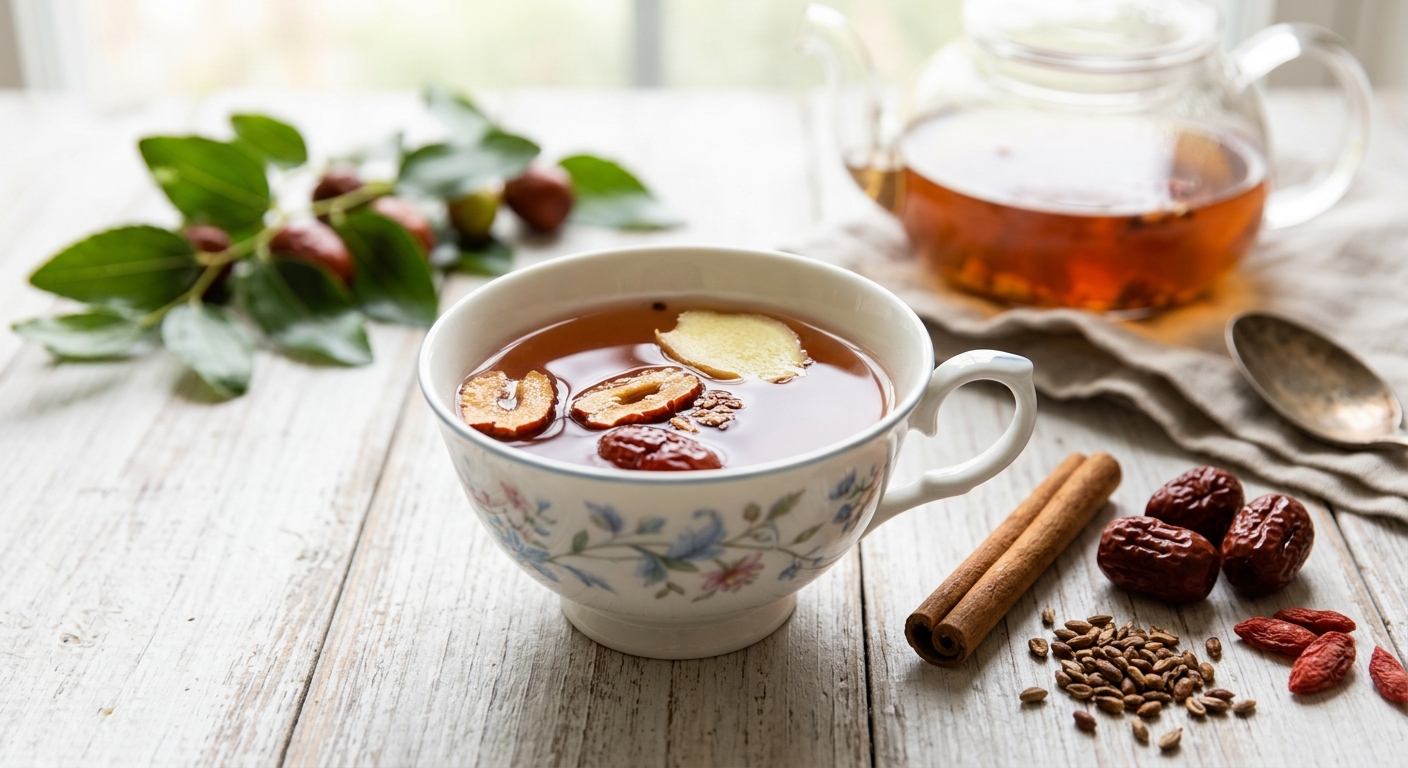
The flavor of ziziphus tea shifts depending on which part of the plant you brew. Dried jujube fruit produces a rich, subtly sweet tea with warming date-like depth and a smooth, almost syrupy finish that makes it feel more like a nourishing tonic than a simple herbal infusion. Roasted ziziphus seeds, known as suan zao ren, add a deeper, nuttier, and faintly earthy dimension that traditional herbalists considered especially potent for calming an overactive mind. Both forms have been used for millennia in medicinal formulas across East Asia, and modern pharmacology is now confirming what those ancient practitioners observed: this plant contains a remarkable suite of compounds that genuinely support sleep and reduce anxiety.
Today, ziziphus tea is experiencing a well-deserved revival among those seeking plant-based support for sleep and stress. Whether you are sipping a pot of slow-simmered dried jujube fruit on a quiet evening or enjoying a chilled cold brew made from roasted seeds, this tea invites you into a tradition of care that spans continents and millennia. Its gentle sweetness, warming character, and deeply calming effect make it one of the most accessible and enjoyable herbs in the sleep and relaxation category, equally at home in a modern wellness routine and in the centuries-old apothecary kitchens of classical Chinese medicine.
2
cups
Ingredients
- 6 wholedried jujube fruits (da zao), pitted and halved
- 1 tbsproasted ziziphus seeds (suan zao ren), lightly crushed (optional, for deeper sedative effect)
- 500 mlwater (for hot decoction) or filtered cold water (for cold brew)
- —raw honey or rock sugar to taste (optional)
- —a few thin slices of fresh ginger (optional, for warmth)
How to Brew
Click on an item below to shop for the recommended items for this recipe on Amazon.
As an Amazon Associate, we earn from qualifying purchases.
- If using dried jujube fruits, slice them thinly or pierce them several times with a fork so the hot water can penetrate the flesh. If using roasted ziziphus seed powder, measure one heaped teaspoon per cup directly into a fine-mesh infuser or tea strainer.
- Heat filtered water to approximately 90 to 95°C (194 to 203°F). Avoid a full rolling boil, as sustained high heat can diminish some of the more delicate aromatic compounds in the fruit.
- Place the sliced fruit or seed powder into your infuser or teapot. Pour the hot water over the herb and cover immediately with a lid or small plate to trap the volatile aromatic compounds inside the vessel.
- Steep for 7 to 10 minutes. The liquid should turn a warm amber to light rust color. Taste at the 7-minute mark; if you want a stronger, more pronounced sweetness and depth, allow it to steep for the full 10 minutes.
- Strain into a prewarmed mug and sweeten with a small piece of rock sugar or a drizzle of honey if desired. Drink slowly in the hour before bedtime for the most noticeable calming effect.
- Pit and halve 6 to 8 dried jujube fruits and, if using, lightly crush one tablespoon of roasted ziziphus seeds using a mortar and pestle or the flat of a knife. Crushing the seeds dramatically increases the surface area and accelerates the release of active compounds during simmering.
- Combine the prepared fruit and seeds in a small stainless steel or ceramic saucepan. Add 600 ml of cold filtered water. Starting in cold water allows the plant material to gradually release its constituents as the temperature climbs, producing a fuller, rounder extraction than dropping herbs into already-boiling water.
- Bring the water to a full boil over medium-high heat, then immediately reduce the heat to low. The liquid should be at a gentle, steady simmer with small bubbles breaking the surface. Place a lid loosely on the pan, leaving a small gap for steam to escape.
- Simmer for 25 to 40 minutes. At 25 minutes the tea will be lightly sweet and golden-amber. At 40 minutes it deepens to a rich mahogany red with a fuller, more concentrated flavor and a noticeably more potent calming quality. Add a few slices of fresh ginger in the last 10 minutes if desired for a warming finish.
- Remove from heat and allow to rest for 5 minutes. Strain through a fine-mesh strainer into mugs, pressing the softened fruit gently with the back of a spoon to extract the last of the liquid. The cooked jujube fruit can be eaten as a pleasant, chewy byproduct. Sweeten with rock sugar or honey to taste and serve warm.
- Pit and thinly slice 8 to 10 dried jujube fruits. If including roasted ziziphus seeds, crush them lightly with a mortar and pestle to open the surface. Use slightly more fruit than you would for a hot brew, as cold water extracts at a slower rate and benefits from a more generous amount of herb.
- Place the sliced fruit and crushed seeds into a clean glass jar or pitcher. Pour 600 ml of cold, filtered water over the herb. There is no need to heat the water; cold extraction is the entire point of this method and produces a distinctly different flavor profile.
- Stir gently with a long spoon to ensure all the fruit is submerged. Leave the jar uncovered at room temperature for approximately 2 hours to allow initial extraction to begin, then seal with a lid or cover tightly with plastic wrap and transfer to the refrigerator.
- Allow the tea to cold brew in the refrigerator for 10 to 14 hours, or overnight. The color will develop slowly from pale gold to a clear, warm amber. Avoid brewing for longer than 16 hours, as the seeds can begin to impart a slightly bitter edge at extended times.
- When ready, strain through a fine-mesh strainer or cheesecloth into a jug or individual glasses. Taste before sweetening, as the natural sweetness of the jujube fruit is often sufficient on its own when cold brewed. Serve over a small amount of ice if desired, or simply chilled straight from the refrigerator.
Health Benefits
Clinical studies and animal research consistently show that jujuboside A and B, alongside the flavonoid spinosin, reduce the time it takes to fall asleep and increase total sleep duration by modulating serotonin pathways and mildly depressing central nervous system excitability. A 2020 randomized pilot study found that participants taking ziziphus seed extract reported significant improvements in sleep quality compared to placebo over a four-week period.
The saponin and flavonoid constituents of ziziphus seeds act on GABA and serotonin receptors in the limbic system, producing a calming effect on the nervous system without the grogginess or dependency associated with pharmaceutical sedatives. Traditional Chinese Medicine has prescribed suan zao ren for centuries specifically for anxious, restless minds and what practitioners called heart-fire, an excess of agitated mental energy.
Ziziphus polysaccharides and triterpenoids have shown cardioprotective activity in preclinical studies, including the ability to reduce oxidative damage to cardiac tissue and improve lipid profiles. The fruit has long been used in TCM formulas to nourish the heart blood, a concept that modern research is beginning to validate at the molecular level.
The anti-inflammatory compounds in ziziphus, particularly betulinic acid and the mucilaginous polysaccharides released during simmering, help soothe the digestive lining and may reduce symptoms of gastric irritation and bloating. This makes a warm decoction particularly useful as an evening drink for those whose digestive discomfort contributes to difficulty sleeping.
Dried jujube fruit is exceptionally rich in antioxidant compounds including polyphenols, flavonoids, and vitamin C, which together help neutralize free radicals and support immune resilience. Regular consumption of jujube-based preparations has been associated in population studies with reduced markers of systemic inflammation and improved overall vitality.
🧪 Key Bioactive Compounds
The Science Behind Ziziphus (Jujube)
The sleep-promoting reputation of ziziphus is backed by a growing body of pharmacological research that has begun to isolate and study its most active constituents. The most significant compounds are the triterpenoid saponins jujuboside A and B, which appear to work by inhibiting the reuptake of serotonin and dampening excitatory glutamate signaling in hippocampal neurons. In animal models, administration of jujuboside A significantly decreased spontaneous locomotor activity and prolonged barbiturate-induced sleeping time, suggesting genuine central nervous system sedation. These same saponins have also been shown to attenuate the firing of noradrenergic neurons, the neural circuits most associated with the fight-or-flight stress response, which may explain why traditional practitioners observed ziziphus as particularly effective for anxiety driven by mental overactivity rather than simple physical fatigue.
Spinosin, a C-glycoside flavonoid found almost exclusively in the seed of Ziziphus jujuba var. spinosa, contributes a complementary mechanism. Research published in the Journal of Ethnopharmacology demonstrated that spinosin enhances the effect of 5-HTP, the immediate precursor to serotonin, effectively amplifying the brain’s own capacity for calm and sleep induction. Unlike benzodiazepines, which force open GABA channels regardless of the brain’s current state, spinosin and the saponins appear to work more gently by potentiating existing calming neurotransmitter systems, which may account for the absence of next-day sedation or dependency reported in traditional use. This nuanced, multi-target activity is characteristic of many well-studied herbal medicines and suggests that the whole herb extract may be more effective and better tolerated than any single isolated constituent.
The polysaccharide fraction of ziziphus adds a further dimension to its therapeutic profile. Ziziphus polysaccharides have demonstrated significant antioxidant activity in cell-based studies, protecting neurons from oxidative stress, a contributing factor in both insomnia and anxiety disorders. They also appear to modulate the gut-brain axis by acting as a prebiotic substrate for beneficial gut bacteria, an increasingly recognized pathway through which herbal medicines influence mood and sleep. Taken together, the pharmacological evidence paints a picture of a genuinely multifaceted herb whose traditional applications were not the product of placebo or cultural habit, but of real, measurable interactions between plant chemistry and human physiology.
Brewing Tips
- Always pit and halve or slice dried jujube fruits before brewing. The skin is quite tough and the flat surface area of a halved fruit extracts far more efficiently than a whole one, especially in shorter hot brew methods.
- For maximum sleep benefit, use the roasted seed form (suan zao ren) rather than fruit alone, and choose seeds that have been lightly roasted rather than raw. Traditional herbalists and modern research both suggest the roasting process activates and concentrates the key saponin and flavonoid compounds. Look for them at Chinese herbal pharmacies or reputable online herb suppliers.
- Brew your decoction in a ceramic or stainless steel vessel rather than aluminum, which can react with the organic acids in the fruit and subtly alter the flavor and potentially the chemistry of the brew. A traditional clay or sand pot, available at many Asian kitchenware stores, is the classical vessel of choice and is said to produce the most harmonious extraction.