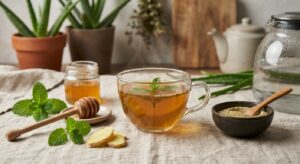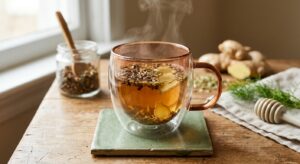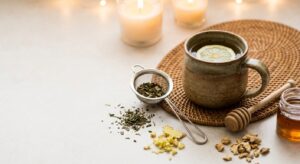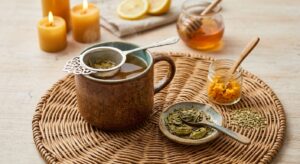
Constipation is one of the most common digestive complaints worldwide, affecting people of all ages and lifestyles. Long before laxative pharmaceuticals existed, herbalists across cultures turned to the plant kingdom for relief. Senna leaves were prescribed by Arab physicians as far back as the 9th century, while ginger and fennel have been mainstays of Ayurvedic and Traditional Chinese Medicine for millennia. This tea brings together these three time-tested herbs into a purposeful, effective blend designed to encourage natural bowel movement without harsh cramping.
The star of this blend is senna (Senna alexandrina), a shrubby plant native to North Africa and the Arabian Peninsula whose leaves and pods contain powerful anthraquinone glycosides. These compounds interact directly with the muscles of the large intestine, promoting peristalsis, the wave-like contractions that move stool along. Ginger root adds warming, anti-spasmodic support that softens the stimulant action of senna, reducing the griping discomfort that can accompany laxative herbs. Fennel seed rounds out the blend with its carminative properties, relieving the bloating and gas that often accompany sluggish digestion.
This is a tea to be used mindfully and occasionally, not as a daily habit. When constipation strikes after travel, dietary shifts, or stress, this blend offers reliable, gentle relief within six to twelve hours of consumption. The flavor is warming and pleasantly spiced, with a mild bitterness from the senna balanced beautifully by the sweet anise notes of fennel and the bright heat of ginger. Brew it in the evening and let it work quietly overnight.
2
cups
Ingredients
- 2 tspdried senna leaves
- 1 tspfreshly grated or dried ginger root
- 1 tspfennel seeds, lightly crushed
- 480 mlwater (90°C / 194°F)
- —raw honey or maple syrup to taste (optional)
- —a squeeze of fresh lemon juice (optional)
How to Brew
Click on an item below to shop for the recommended items for this recipe on Amazon.
As an Amazon Associate, we earn from qualifying purchases.
- Lightly crush the fennel seeds using a mortar and pestle or the back of a spoon to release their volatile oils before adding them to your infuser.
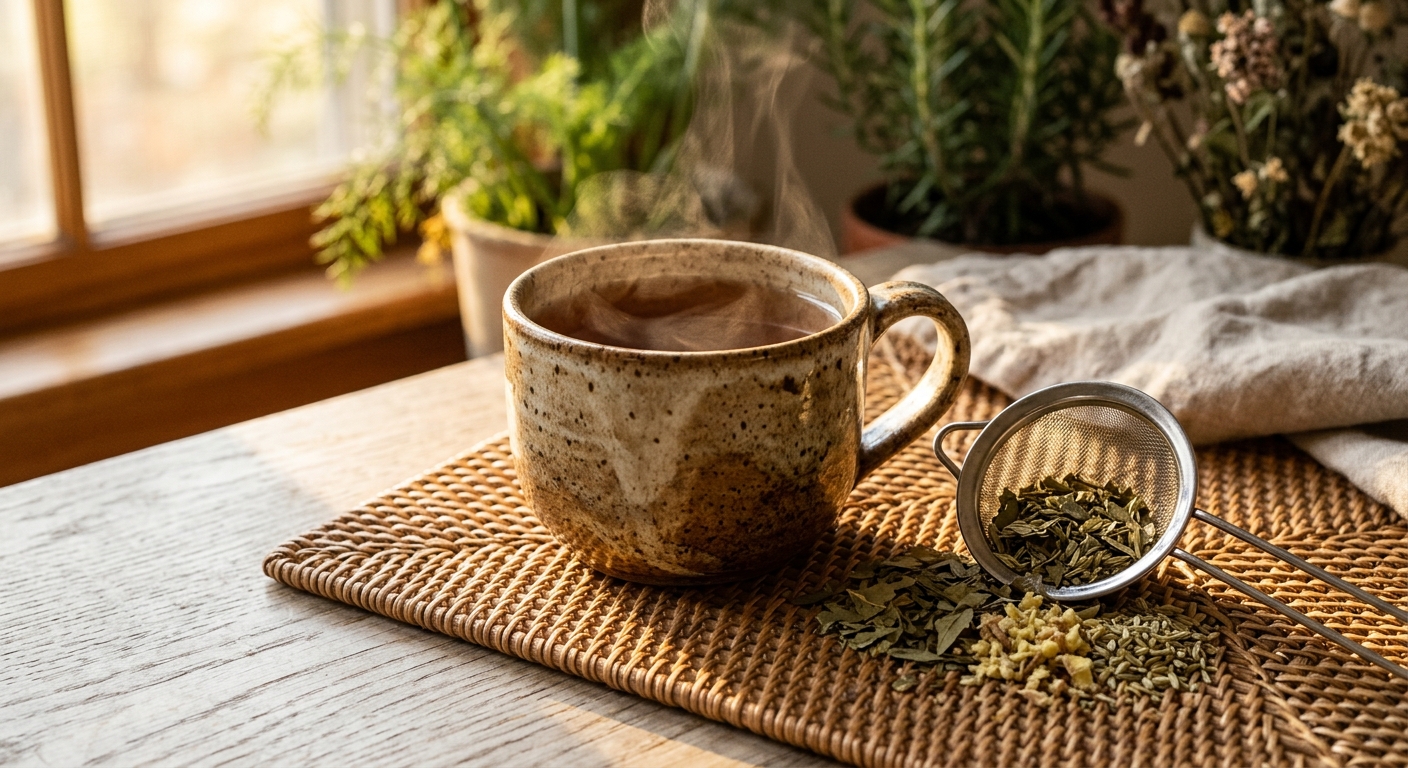
- Combine the dried senna leaves, crushed fennel seeds, and grated or dried ginger in a mesh tea infuser or filter basket. Place it in your mug or teapot.
- Heat filtered water to 90 to 95°C (194 to 203°F). Avoid using a full rolling boil, as very high heat can degrade some of the more delicate aromatic compounds in ginger and fennel.
- Pour the hot water directly over the herb-filled infuser and steep for exactly 5 to 7 minutes. Set a timer and do not exceed this window.
- Remove the infuser promptly. Sweeten lightly with raw honey if desired and add a small squeeze of lemon to brighten the flavor. Drink one cup in the evening, ideally 6 to 8 hours before you need relief.
- Lightly crush the fennel seeds and combine them with the dried senna leaves and ginger root in a clean glass jar.
- Pour 480 ml of cold, filtered water over the herbs. Do not use hot water for this method. Stir gently to ensure all the herb material is submerged.
- Cover the jar with a lid or a small plate and leave it at room temperature for 30 minutes to allow the initial infusion to begin, then transfer the jar to the refrigerator.
- Steep in the refrigerator for 6 to 8 hours. An overnight cold brew prepared before bed and consumed the next morning is a convenient and well-tolerated approach.
- Strain the liquid through a fine-mesh strainer or cheesecloth into a glass. Discard the spent herbs. Add a slice of fresh lemon or a drizzle of honey if desired and drink within 24 hours.
- Peel and thinly slice a 2 cm piece of fresh ginger root. Add the ginger slices and lightly crushed fennel seeds to a small saucepan with 540 ml of cold filtered water.
- Bring the water to a gentle simmer over medium-low heat. Do not allow it to reach a full rolling boil. Simmer the ginger and fennel for 8 minutes, allowing the roots and seeds to fully release their aromatic compounds.
- Remove the saucepan from the heat entirely. Now add the dried senna leaves directly to the hot liquid in the pan. Cover the pan with a lid to trap the volatile oils.
- Allow the senna to steep off the heat for 4 to 5 minutes only. The residual heat will extract the active glycosides without over-concentration.
- Strain the decoction through a fine-mesh strainer into two mugs, pressing the herbs gently to extract the last of the liquid. Sweeten with honey if needed. Drink one cup in the evening.
Health Benefits
Senna is one of the few herbal laxatives with strong clinical evidence behind it. Multiple randomized trials have confirmed that sennosides produce reliable bowel movements within 6 to 12 hours, with efficacy comparable to some pharmaceutical laxatives for short-term use.
Fennel seeds contain anethole and fenchone, compounds with well-documented carminative activity. They relax the smooth muscle of the intestinal wall, allowing trapped gas to pass more easily and relieving the abdominal distension associated with slow transit.
Ginger’s gingerols and shogaols act as antispasmodics on gastrointestinal smooth muscle. Clinical research supports ginger’s ability to reduce nausea and gut spasm, making it a valuable companion to senna’s more forceful stimulant action.
Both ginger and fennel have demonstrated pro-kinetic effects in human and animal studies, meaning they help speed the movement of contents through the digestive tract. This complements senna’s stimulant laxative mechanism for a multi-pronged approach to relief.
The combined carminative and antispasmodic properties of ginger and fennel help address the abdominal heaviness and discomfort that often accompany constipation, providing symptomatic relief even while the senna’s laxative effect is still developing.
🧪 Key Bioactive Compounds
The Science Behind Senna
The primary mechanism behind senna’s laxative effect lies in its anthraquinone glycosides, specifically sennoside A and sennoside B. When ingested, these compounds pass largely unabsorbed through the small intestine and reach the colon, where resident gut bacteria convert them into their active aglycone form, rhein anthrone. This metabolite acts on two fronts: it stimulates the myenteric nerve plexus within the colon wall, triggering the rhythmic muscular contractions known as peristalsis, and it simultaneously inhibits the reabsorption of water and electrolytes from the colon, resulting in softer, more easily passed stool. The time delay between ingestion and action, typically 6 to 12 hours, reflects the time needed for bacterial conversion in the colon.
Ginger’s contribution to this blend is both mechanical and anti-inflammatory. The compound 6-gingerol, abundant in fresh ginger, and its dehydrated counterpart 6-shogaol, dominant in dried ginger, bind to serotonin receptors (5-HT3) in the gut and modulate smooth muscle tone. Peer-reviewed studies have shown that ginger accelerates gastric emptying and reduces colonic transit time independent of senna, while its antispasmodic action directly counters the cramping that stimulant laxatives can provoke. This makes ginger not merely a flavoring agent in this blend but a functional modifier that improves tolerability and broadens the therapeutic effect.
Fennel seeds operate through a complementary pathway. Anethole, the compound responsible for fennel’s characteristic sweet licorice aroma, has been shown in research to relax smooth muscle throughout the gastrointestinal tract via calcium channel antagonism. This reduces spasm and allows gas to move freely through the intestines. Fenchone, another key volatile compound, contributes mild laxative and antimicrobial properties. Together, these three botanicals create a synergistic blend where senna drives the primary laxative action, ginger modulates and smooths the muscular response, and fennel relieves the secondary symptoms of bloating and gas, addressing the full experience of constipation rather than a single symptom in isolation.
Brewing Tips
- Always steep senna for the minimum effective time (5 to 7 minutes for hot brew). Over-steeping dramatically increases anthraquinone concentration and raises the risk of cramping without improving the laxative outcome.
- Drink this tea in the evening about 8 hours before you wish to have a bowel movement. The delayed action of senna means timing your cup is more important than with most herbal teas.
- Stay well hydrated throughout the day when using this blend. Senna draws water into the colon to soften stool, and insufficient hydration can make constipation worse and increase the chance of electrolyte depletion.