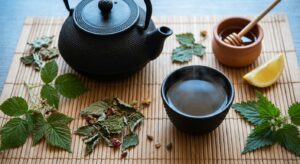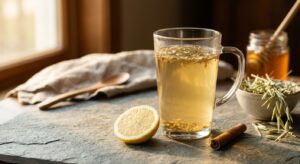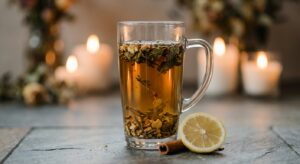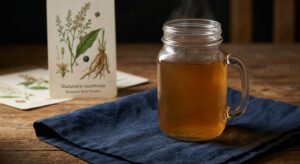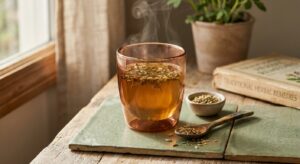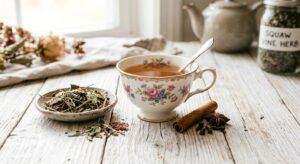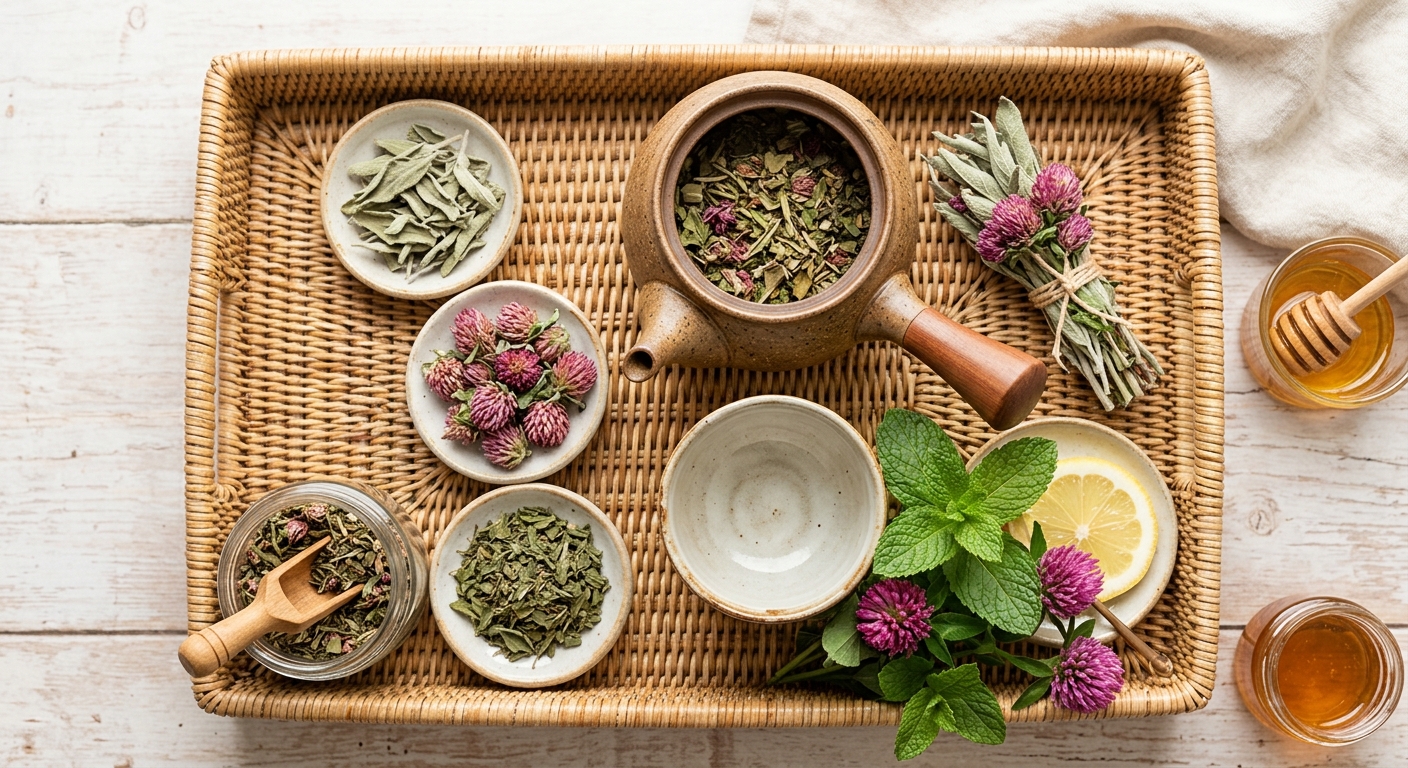
For thousands of years, women navigating menopause have turned to the plant kingdom for comfort. In medieval Europe, sage was called Salvia officinalis for good reason, the Latin root salvare meaning “to save,” and herbalists prescribed it specifically for the sweating and heat surges experienced during “the change.” Red clover, long prized in Ayurvedic and European folk traditions, was gathered from meadows and prepared as a daily tonic to restore hormonal equilibrium. Spearmint brought cooling relief and pleasant flavor, making the blend something women genuinely looked forward to drinking each morning and evening.
What makes this particular combination so effective is the elegant way each herb addresses a different facet of the hot flash experience. Sage contains diterpenoid compounds that appear to reduce the hypothalamic dysregulation driving temperature surges. Red clover is exceptionally rich in isoflavones, plant-based compounds that weakly mimic estrogen at receptor sites, gently smoothing out the hormonal swings responsible for vasomotor symptoms. Spearmint adds rosmarinic acid and menthol, providing an immediate sensory cooling effect while also lending mild anti-androgenic properties that many women find beneficial during perimenopause.
This tea is as much a ritual as it is a remedy. The act of brewing a warm, fragrant cup, sitting quietly, and drinking with intention creates a moment of parasympathetic calm in the middle of a day that hormonal fluctuations can make feel chaotic. Whether you are newly entering perimenopause or well into postmenopause, this blend meets you where you are, offering steady, cumulative relief with each cup.
2
cups
Ingredients
- 2 tspdried sage leaves (Salvia officinalis)
- 2 tspdried red clover blossoms (Trifolium pratense)
- 1 tspdried spearmint leaves (Mentha spicata)
- 480 mlwater (90°C / 194°F)
- —raw honey or maple syrup to taste (optional)
- —a slice of lemon (optional, brightens flavor and enhances isoflavone extraction)
How to Brew
Click on an item below to shop for the recommended items for this recipe on Amazon.
As an Amazon Associate, we earn from qualifying purchases.
- Heat filtered water to 90 to 93°C (194 to 200°F) using an electric kettle with temperature control. If you do not have a temperature-controlled kettle, bring water to a full boil and allow it to rest off the heat for 90 seconds before pouring.
- Measure 2 tsp dried sage, 2 tsp dried red clover blossoms, and 1 tsp dried spearmint into a tea infuser, muslin bag, or teapot with a built-in strainer. For two servings, use a 500 ml teapot.
- Pour the hot water over the herbs immediately. Cover the teapot or mug with a lid or small plate to trap the volatile oils and aromatic compounds, preventing them from escaping as steam.
- Steep for 7 to 10 minutes. A full 10-minute steep extracts the maximum level of isoflavones from the red clover and diterpenes from the sage. Do not exceed 12 minutes or the sage may become bitter.
- Remove the infuser or strain the tea through a fine mesh strainer into your mugs. Add honey and lemon if desired. Sip slowly and steadily over 10 to 15 minutes.
- In a clean glass jar, combine 3 tsp dried sage, 3 tsp dried red clover blossoms, and 1.5 tsp dried spearmint. Cold water extracts compounds more slowly, so the herb-to-water ratio is increased by 50 percent compared to hot brewing to ensure adequate potency.
- Pour 480 ml of cold, filtered water over the herbs. Stir gently with a long spoon to ensure all plant material is saturated and submerged.
- Place a tight-fitting lid on the jar and let it sit at room temperature for 30 minutes to begin extraction, then transfer to the refrigerator and allow to steep for 10 to 12 hours, or overnight.
- The following morning, strain the tea through a fine mesh strainer lined with a thin cotton cloth or cheesecloth, pressing the herbs gently to release the last of the liquid. Discard the spent herbs.
- Serve over a generous glass of ice. Add a squeeze of fresh lemon juice, a sprig of fresh mint, or a few drops of liquid stevia for a pleasant, refreshing cooling drink that is especially soothing during a hot flash episode.
- Combine 4 tsp dried sage, 4 tsp dried red clover blossoms, and 2 tsp dried spearmint in a small saucepan or heat-safe pitcher. These doubled ratios will produce a concentrated brew intended for dilution, not direct drinking.
- Heat 480 ml of filtered water to 88 to 90°C (190 to 194°F). Pour over the herbs in the saucepan. Place a lid on the saucepan to preserve volatile compounds and steep for 12 to 15 minutes over the lowest possible heat setting on your stove, just enough to maintain warmth without simmering.
- Remove from heat and allow to cool for 5 minutes with the lid still on. Strain through a fine mesh strainer into a clean glass jar or storage bottle, pressing herbs firmly to extract all liquid. You should have approximately 400 ml of rich, dark concentrate.
- Allow the concentrate to cool fully at room temperature, then seal and refrigerate. It will keep for up to five days.
- To serve: pour 60 to 80 ml of concentrate into a mug and top with 160 to 180 ml of hot water for a warming tea, or pour over ice and top with cold water for an iced version. Adjust the ratio to taste. Add honey or lemon as desired.
Health Benefits
Clinical trials examining red clover isoflavones, particularly formononetin and biochanin A, have shown statistically significant reductions in hot flash frequency compared to placebo. A 2007 meta-analysis published in the journal Maturitas found that red clover isoflavone supplements reduced hot flash frequency by up to 44 percent over 12 weeks.
Sage has been used as an antiperspirant herb since antiquity, and modern research supports this use. A 2011 study in Advances in Therapy found that a once-daily sage tablet reduced intensity of hot flashes by 64 percent and severe hot flashes by 100 percent over eight weeks, attributing the effect to sage’s influence on hypothalamic thermoregulation.
The phytoestrogenic activity of red clover isoflavones appears to moderate mood fluctuations tied to estrogen decline, while rosmarinic acid in sage and spearmint modulates GABAergic pathways associated with anxiety. Many women report a calming effect from drinking this tea consistently over several weeks.
Sage has a well-documented affinity for acetylcholine, inhibiting the enzyme acetylcholinesterase and thereby supporting memory and mental clarity. This is particularly relevant during menopause, when many women experience brain fog and word-finding difficulties linked to declining estrogen levels.
Menopause is associated with a shift in cardiovascular risk as estrogen’s protective effects decline. The polyphenols in this blend, including rosmarinic acid, luteolin, and red clover isoflavones, have demonstrated lipid-lowering and vascular-protective effects in several observational and small clinical studies, contributing to heart health during and after the menopausal transition.
🧪 Key Bioactive Compounds
The Science Behind Sage
The scientific case for this blend centers primarily on the isoflavone content of red clover (Trifolium pratense). Red clover contains four major isoflavones: formononetin, biochanin A, daidzein, and genistein. These compounds are classified as phytoestrogens because they are structurally similar to 17-beta-estradiol and bind to estrogen receptors (ERs), particularly the ER-beta subtype, which is expressed in the brain, bone, and cardiovascular system. During menopause, declining estrogen levels leave these receptors understimulated, triggering vasomotor instability. Phytoestrogens provide a weak but meaningful signaling effect that blunts the severity of this dysregulation without the risks associated with pharmaceutical hormone replacement therapy.
Sage contributes its own distinct mechanism of action. Research published in the journal Phytotherapy Research has shown that Salvia officinalis extracts inhibit acetylcholinesterase, supporting cholinergic neurotransmission and cognitive function. More directly relevant to hot flashes, sage’s diterpenoid compounds appear to exert a stabilizing effect on the hypothalamic thermostat, the region of the brain responsible for triggering vasodilation and sweating in response to perceived temperature shifts. This is thought to explain the reduction in both frequency and intensity of hot flashes observed in clinical trials using standardized sage preparations. Carnosic acid and carnosol are the primary diterpenoids credited with this thermostatic activity.
Spearmint adds a layer of support through a different pathway. Animal and small human studies have found that spearmint tea exhibits anti-androgenic activity, reducing free testosterone and modulating the androgen-to-estrogen ratio. While this research originated in the context of polycystic ovary syndrome (PCOS), the underlying mechanism is relevant across the hormonal spectrum of women’s health. Additionally, rosmarinic acid, found abundantly in both spearmint and sage, is a potent inhibitor of inflammatory prostaglandins and has shown meaningful antioxidant activity in cell studies. Menopause is characterized by a measurable rise in systemic oxidative stress, and regular consumption of rosmarinic acid-rich herbs may help offset this biological burden, supporting not just symptom relief but longer-term cellular resilience.
Brewing Tips
- Consistency matters more than quantity. Drinking one to two cups of this blend daily for four to six weeks produces cumulative isoflavone loading in the body, which is when most women begin noticing a measurable reduction in hot flash frequency.
- Source your red clover blossoms from a reputable supplier that tests for isoflavone content. Isoflavone levels in commercially dried red clover can vary significantly by harvest time and drying method, so quality sourcing directly affects therapeutic potency.
- For night sweats specifically, brew a cup of the cold brew version and keep it refrigerated in a small flask on your nightstand. Sipping a cool drink immediately upon waking during a night sweat episode can shorten its duration and help you return to sleep faster.