Insulin resistance is quietly affecting millions of women, often showing up long before a formal diagnosis through symptoms like persistent fatigue, sugar cravings, stubborn weight around the abdomen, irregular cycles, and skin changes such as darkening at the neck or underarms. For women with polycystic ovary syndrome (PCOS), perimenopause, or metabolic syndrome, the body’s ability to respond to insulin can become significantly impaired, creating a cascade of hormonal disruptions. Herbal traditions across Ayurveda, Traditional Chinese Medicine, and Mediterranean folk medicine have long reached for specific plants to restore metabolic harmony, and modern phytochemistry is now confirming what healers observed for generations.
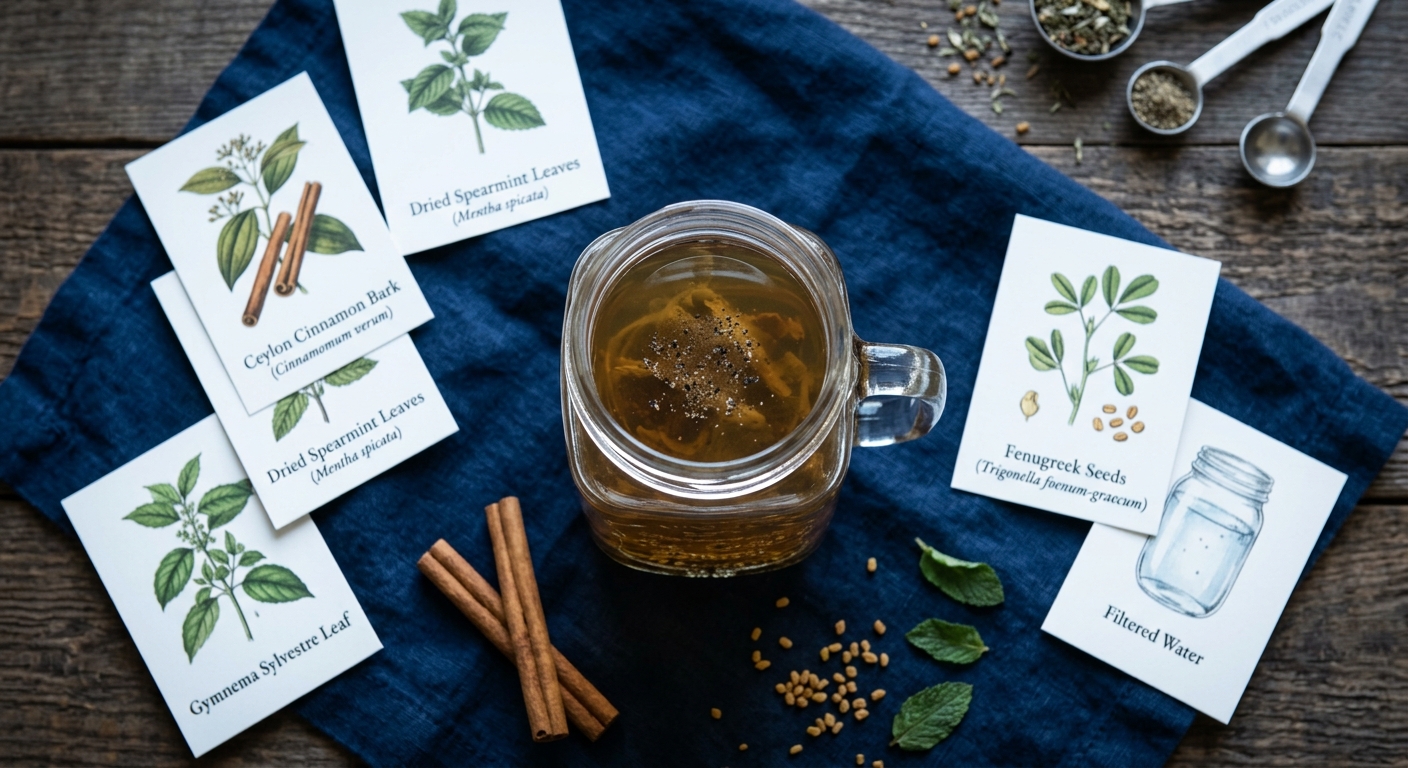
This tea blend centers on four powerhouse herbs: cinnamon bark, spearmint, gymnema sylvestre, and fenugreek seed. Cinnamon has been used in Ayurvedic and Chinese medicine for thousands of years to warm digestion and regulate blood sugar. Spearmint, beloved in Mediterranean herbalism, has demonstrated meaningful anti-androgenic effects particularly relevant for women with PCOS-driven insulin resistance. Gymnema, known in Sanskrit as Gurmar meaning sugar destroyer, has a 2,000-year history in Ayurvedic practice for managing sweet cravings and supporting pancreatic function. Fenugreek seeds, a staple of Middle Eastern and South Asian kitchens and apothecaries alike, bring soluble fiber and steroidal saponins that slow glucose absorption and improve insulin sensitivity.
What makes this blend genuinely special is the synergy between its ingredients. Rather than relying on a single compound, it works across multiple metabolic pathways simultaneously: slowing carbohydrate absorption, improving cellular insulin signaling, reducing androgenic hormones that disrupt glucose metabolism, and curbing the sugar cravings that make dietary changes so difficult. Brewed daily, this tea becomes a ritual of metabolic self-care, a warm, slightly spiced, subtly sweet cup that signals to your body that balance is the intention.
2
cups
Ingredients
- 1 tspCeylon cinnamon bark chips (not Cassia)
- 1 tspdried spearmint leaves
- 0.5 tspgymnema sylvestre dried leaf
- 0.5 tspfenugreek seeds, lightly crushed
- 500 mlfiltered water
- —a pinch of black pepper (enhances absorption)
- —raw honey or stevia to taste (optional)
How to Brew
Click on an item below to shop for the recommended items for this recipe on Amazon.
As an Amazon Associate, we earn from qualifying purchases.
- Add the cinnamon bark chips, lightly crushed fenugreek seeds, and a pinch of black pepper to a small saucepan with 500 ml of cold filtered water. Bring to a gentle boil over medium heat.
- Once boiling, reduce to a low simmer and cook uncovered for 8 to 10 minutes. The liquid will deepen to a rich amber color and the kitchen will fill with a warm, spiced aroma. This decoction step is essential for extracting the water-soluble polyphenols and saponins from the woody cinnamon and hard fenugreek seeds.
- Remove the saucepan from heat and allow the liquid to cool for 90 seconds until it is just below a rolling boil (around 90°C / 194°F). Add the dried spearmint leaves and gymnema sylvestre leaf directly to the pot.
- Cover with a lid and steep for an additional 5 minutes. Covering the pot is important as it traps the volatile aromatic compounds in spearmint that would otherwise escape as steam.
- Strain the tea through a fine mesh strainer or muslin cloth into two warmed mugs. Taste before adding any sweetener. If desired, sweeten with a small amount of raw honey or a few drops of liquid stevia, both of which are preferable to refined sugar for insulin-resistant individuals.
- Drink one cup in the morning before or with breakfast, and a second cup in the early afternoon to help stabilize post-lunch blood sugar. Consistency over weeks, not just days, is when the benefits of this blend become most apparent.
- Place the cinnamon bark chips and lightly crushed fenugreek seeds into a glass jar. Unlike hot brewing, these harder ingredients do not need to be decocted first because the extended cold steeping time will draw out their soluble compounds slowly and thoroughly.
- Add the dried spearmint leaves and gymnema sylvestre leaf on top of the harder herbs. Pour 500 ml of cold filtered water over all the herbs. The cold water will extract the polyphenols and saponins at a slower, gentler pace, which reduces bitterness significantly, particularly from the gymnema.
- Stir gently to ensure all herbs are submerged. Cover the jar with a lid or a small plate. Leave at room temperature for one hour to allow the initial extraction to begin before the cold slows the process.
- Transfer the covered jar to the refrigerator and allow it to steep overnight, between 10 and 12 hours. Do not exceed 14 hours as the fenugreek can impart an increasingly bitter, almost medicinal taste with very long cold steeping.
- The next morning, strain the cold brew through a fine mesh strainer into a glass or pitcher. The resulting tea will be a clear amber-copper color, noticeably lighter than the hot-brewed version, with a cleaner, more refreshing flavor.
- Serve over ice with a fresh sprig of mint. If sweetening, use liquid stevia or a small amount of monk fruit sweetener as these dissolve readily in cold liquid and have no glycemic impact. Drink within 48 hours and keep refrigerated.
- Scale up the recipe to make 6 to 8 servings: use 4 tsp of cinnamon bark chips, 2 tsp of fenugreek seeds, 2 tsp of gymnema sylvestre leaf, 4 tsp of dried spearmint, and a generous pinch of black pepper. Combine the cinnamon, fenugreek, and black pepper with 750 ml of cold filtered water in a medium saucepan.
- Bring to a boil over medium heat, then reduce to a steady low simmer. Cook uncovered for 15 minutes, stirring occasionally. The liquid will reduce slightly and deepen to a dark copper-brown. This longer simmer time, compared to the standard hot brew method, is intentional and necessary to create the concentrated base.
- Remove from heat and allow the decoction to cool to approximately 90°C (194°F). Add the spearmint and gymnema leaves. Cover tightly and steep for 8 minutes, slightly longer than the standard method to account for the denser herb-to-water ratio.
- Strain thoroughly through a fine mesh strainer lined with cheesecloth, pressing the spent herbs gently to extract the remaining liquid. Pour the concentrate into a clean glass jar or airtight glass bottle.
- Allow to cool completely at room temperature, then seal and refrigerate. The concentrate will keep for up to 5 days. A thin layer of natural sediment at the bottom is normal and indicates the presence of soluble fiber from the fenugreek.
- To serve, combine equal parts concentrate and hot or cold water in your cup (approximately 120 ml concentrate to 120 ml water). Adjust the ratio to taste. Serve hot, chilled over ice, or at room temperature. Label the jar with the date prepared so you can track freshness.
Health Benefits
The combination of cinnamaldehyde and Type-A procyanidins from cinnamon bark activates insulin receptor signaling pathways, reducing the amount of insulin the pancreas must secrete to manage blood glucose. Multiple clinical trials in women with type 2 diabetes and PCOS have shown significant reductions in fasting blood glucose and HOMA-IR scores with daily cinnamon supplementation.
Spearmint contains rosmarinic acid and luteolin, which have demonstrated anti-androgenic activity in both animal models and human trials. A 2010 randomized controlled trial published in Phytotherapy Research found that women with PCOS who drank spearmint tea twice daily for 30 days showed significant reductions in free testosterone, which directly contributes to the insulin resistance cycle in PCOS.
Gymnemic acids in gymnema sylvestre and soluble fiber (galactomannans) in fenugreek both reduce the rate at which glucose enters the bloodstream after a meal. This blunts post-meal blood sugar spikes, which over time reduces the chronic hyperinsulinemia that drives insulin resistance further.
Gymnema sylvestre’s gymnemic acids temporarily block sweet taste receptors on the tongue and glucose receptors in the intestinal wall. Regular consumption has been shown in clinical studies to reduce sweet food cravings and caloric intake from sugar, addressing one of the most common behavioral challenges for women managing insulin resistance.
Fenugreek’s steroidal saponins and 4-hydroxyisoleucine have been shown in multiple trials to reduce total cholesterol, LDL cholesterol, and triglycerides, all of which are commonly elevated alongside insulin resistance in women with metabolic syndrome or PCOS. Cinnamon has also demonstrated triglyceride-lowering effects in several randomized trials.
🧪 Key Bioactive Compounds
The Science Behind Cinnamon Bark
The science behind this tea blend operates across three interconnected metabolic axes. The first is the insulin signaling pathway itself. Research published in the Journal of Agricultural and Food Chemistry has shown that the Type-A procyanidins unique to cinnamon bark activate insulin receptor autophosphorylation and inhibit protein tyrosine phosphatase-1B, the enzyme that essentially switches the insulin signal off prematurely in insulin-resistant cells. Cinnamaldehyde independently has been shown to activate GLUT4 translocation to the cell surface, the mechanism by which glucose actually enters muscle and fat cells. Together, these compounds act like a molecular key that helps stuck insulin receptors function more effectively, reducing the need for the pancreas to overproduce insulin to compensate.
The second axis is glucose absorption in the gastrointestinal tract. Gymnemic acids in gymnema sylvestre are structurally similar enough to glucose that they temporarily occupy the sodium-glucose cotransporter-1 (SGLT1) receptors in the intestinal brush border, effectively reducing the rate at which dietary glucose passes into the bloodstream. This is the same physiological target as the SGLT2 inhibitor class of prescription diabetes medications, though gymnema operates with considerably more modest potency. Fenugreek’s galactomannans, a viscous soluble fiber, physically slow gastric emptying and form a gel-like matrix in the small intestine that further blunts glucose absorption. Multiple meta-analyses have confirmed that fenugreek supplementation consistently lowers HbA1c and fasting blood glucose in people with type 2 diabetes and impaired glucose tolerance.
The third axis is androgen-driven insulin resistance, particularly relevant for women with PCOS. Elevated free testosterone and DHEA-S in PCOS directly impair insulin receptor sensitivity in both skeletal muscle and adipose tissue, creating a self-reinforcing cycle where insulin resistance raises androgens and elevated androgens deepen insulin resistance. Spearmint’s rosmarinic acid has been shown to inhibit the enzyme 3-beta-hydroxysteroid dehydrogenase, which is involved in androgen synthesis in the ovaries and adrenal glands. The 2010 Phytotherapy Research trial demonstrated that twice-daily spearmint tea consumption for 30 days reduced free testosterone by a statistically significant margin while raising luteinizing hormone ratios, suggesting a genuine hormonal rebalancing effect rather than a simple symptom mask. For women with PCOS, this hormonal dimension makes spearmint a uniquely valuable addition that sets this blend apart from generic blood-sugar teas.
Brewing Tips
- Always use Ceylon cinnamon (Cinnamomum verum), sometimes labeled as ‘true cinnamon’ or ‘Sri Lanka cinnamon’, rather than Cassia cinnamon for daily use. Ceylon has 250 times less coumarin than Cassia and is safe for regular therapeutic consumption. The sticks are lighter in color and roll into a single tight scroll rather than multiple layers.
- For maximum gymnema effectiveness, drink the tea 20 to 30 minutes before your largest meal of the day. The gymnemic acids need time to reach and occupy intestinal glucose receptors before food arrives. Timing matters significantly with this herb.
- Lightly cracking the fenugreek seeds before brewing, by pressing them once or twice with the flat of a knife or using a mortar and pestle briefly, dramatically increases the surface area available for water extraction and will deepen both the flavor and the potency of your cup without requiring longer brewing times.