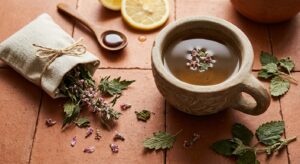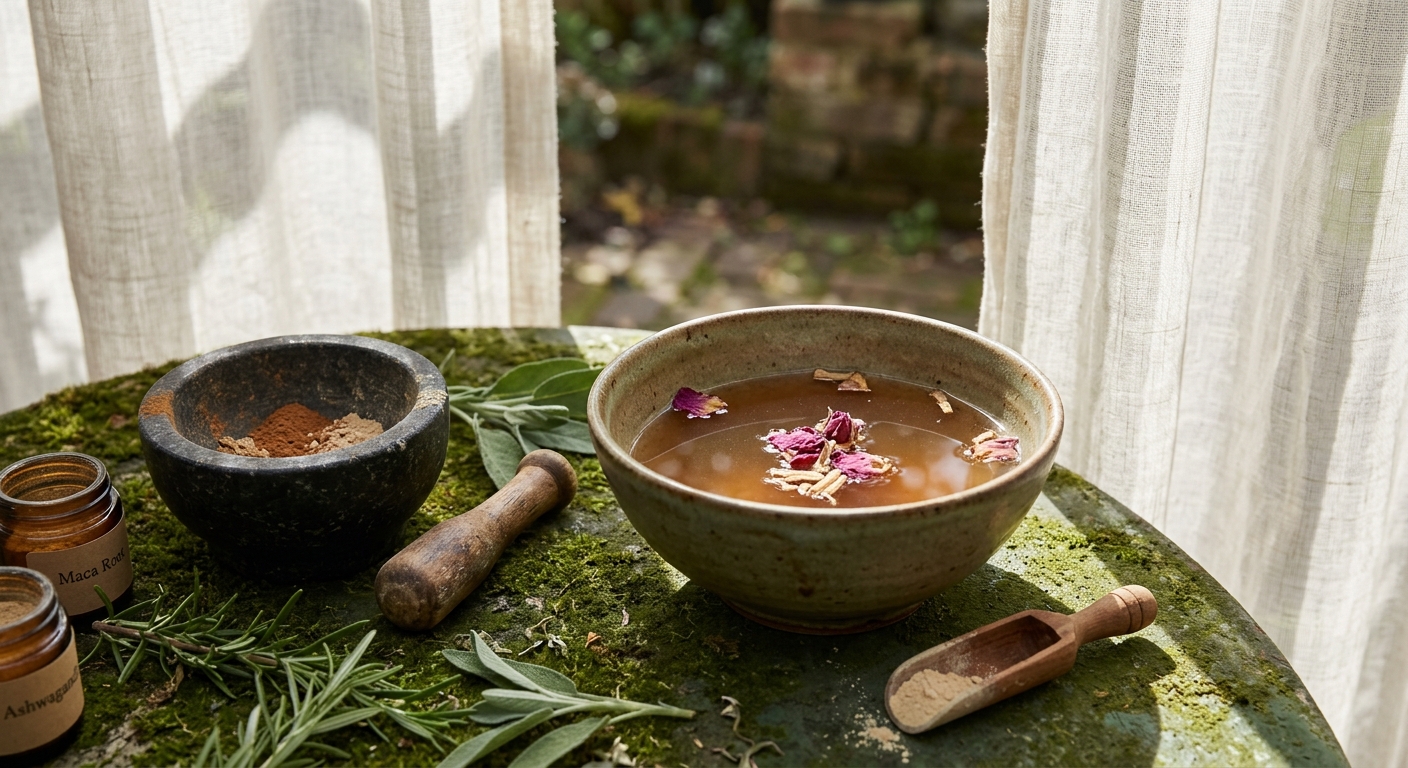
For centuries, women across cultures have turned to the plant kingdom for support with desire, vitality, and reproductive wellness. From the high-altitude root fields of Peru where maca has been cultivated for over 2,000 years, to the lush hillsides of India where Ayurvedic healers have long revered shatavari as the ultimate female tonic, these herbs carry deep traditions of honoring women’s bodies and their needs. Rose petals, beloved across Persian, Chinese, and European traditions, have symbolized love and sensuality while simultaneously offering real physiological benefits to the heart, nervous system, and hormonal landscape.
Low libido in women is far more common than openly discussed, and it rarely has a single cause. Stress, hormonal fluctuations, poor sleep, anxiety, and nutritional depletion all play roles. This is precisely why a multi-herb approach resonates so well: maca works as an adaptogen to reduce stress-related hormonal disruption, shatavari gently supports estrogen balance and reproductive tissue health, and rose petals soothe the nervous system while elevating mood. Together, they address the root causes rather than simply stimulating surface-level arousal.
This tea is as much a ritual as it is a remedy. Brewing it intentionally, inhaling its warm, floral, and earthy aromas, and carving out quiet time to enjoy it can itself signal to your nervous system that you are worthy of pleasure and rest. Whether you are navigating perimenopause, recovering from postpartum depletion, managing chronic stress, or simply wanting to feel more alive in your body, this blend invites you to slow down and reconnect with yourself.
2
cups
Ingredients
- 1 tspshatavari root powder or dried root pieces
- 1 tspmaca root powder
- 1 tbspdried rose petals
- 0.5 tspdried ashwagandha root powder
- 0.25 tspground cinnamon
- 480 mlwater (90 to 95°C / 194 to 203°F)
- —raw honey or maple syrup to taste (optional)
- —splash of warm oat milk or coconut milk (optional)
How to Brew
Click on an item below to shop for the recommended items for this recipe on Amazon.
As an Amazon Associate, we earn from qualifying purchases.
- Bring 480 ml of filtered water to 90 to 95°C (194 to 203°F). If using whole dried shatavari root pieces rather than powder, combine them with the water in a small saucepan and gently simmer for 5 minutes before proceeding.
- Add the shatavari powder, maca powder, and ashwagandha powder directly into the hot water and whisk or stir vigorously for 30 seconds to help the powders dissolve evenly and prevent clumping.
- Place the dried rose petals and ground cinnamon into a tea infuser or reusable muslin bag, and lower it into the same pot or heatproof pitcher. Allow everything to steep together for 10 to 12 minutes with the lid on to trap volatile aromatic compounds.
- Remove the rose petal infuser and strain the liquid through a fine mesh strainer into two warmed mugs to catch any remaining root powder sediment.
- Sweeten with raw honey or maple syrup if desired, and add a splash of warm oat milk or coconut milk for a creamier, more nourishing cup. Drink slowly and intentionally.
- Combine the shatavari powder, maca powder, ashwagandha powder, dried rose petals, and ground cinnamon in a clean glass jar. Pour 600 ml of cold filtered water over the herbs, using slightly more water than the hot brew to compensate for the slower, cooler extraction.
- Stir the mixture thoroughly with a long spoon to disperse the powders, then seal the jar with a lid. Allow the blend to sit at room temperature for 1 hour to begin extraction, then transfer to the refrigerator.
- Steep in the refrigerator for 10 to 12 hours or overnight. The longer steep at cold temperature slowly draws out the saponins, adaptogenic compounds, and floral notes without the bitterness that can develop at high heat.
- Remove from the refrigerator and strain the liquid through a fine mesh strainer lined with cheesecloth or a coffee filter into a pitcher or serving glasses filled with ice, pressing gently on the solids to release the last of the liquid.
- Sweeten with a liquid sweetener such as agave syrup or simple honey syrup (which dissolves more easily in cold liquid), add a few fresh rose petals as garnish, and serve over ice for a beautiful and refreshing libido tonic.
- Place the whole or roughly chopped dried shatavari root pieces and ashwagandha root chips into a small saucepan with 600 ml of cold filtered water. Starting in cold water and slowly bringing it to temperature draws out a fuller spectrum of the roots’ water-soluble constituents.
- Bring the water to a full boil over medium-high heat, then immediately reduce the heat to a low simmer. Add the maca powder and ground cinnamon at this stage and stir well to combine.
- Simmer uncovered for 20 to 25 minutes, stirring occasionally. The liquid will reduce by roughly 20 percent and deepen in color to a warm amber. If the liquid reduces too quickly, add small amounts of hot water to maintain volume.
- Remove the saucepan from heat and add the dried rose petals directly to the hot decoction. Cover with a lid and allow the rose petals to infuse as the liquid cools slightly for 5 minutes. This off-heat infusion preserves the delicate aromatic and emotional-support properties of the rose.
- Strain the entire decoction through a fine mesh strainer into two mugs, pressing the spent root material firmly with the back of a spoon to extract every last drop. Sweeten with raw honey, add warm milk of choice, and serve as a deeply nourishing evening tonic.
Health Benefits
Shatavari’s steroidal saponins interact with estrogen receptors to support vaginal lubrication and sexual desire, particularly during hormonal shifts such as perimenopause or postpartum recovery. Maca independently enhances sexual function without altering hormone levels directly, making it suitable across a wide range of hormonal profiles.
Both ashwagandha and maca are classified as adaptogens, meaning they help the body regulate its stress response. Chronically elevated cortisol is one of the most common physiological suppressors of female libido, and ashwagandha’s withanolides have been shown in clinical trials to significantly reduce serum cortisol and self-reported stress levels.
Rose petals contain flavonoids and aromatic terpenes that interact with the limbic system and serotonin pathways, producing measurable anxiolytic and mood-lifting effects. A calmer, more positive emotional state is foundational to sexual desire in women, for whom psychological context plays a significant role in arousal.
Maca has been studied for its effects on energy and vitality, with several randomized trials showing improvements in self-reported energy levels and reductions in fatigue. This is particularly relevant for women experiencing libido loss related to exhaustion, depletion, or perimenopause.
Shatavari has been shown in preclinical and traditional use contexts to support the health of reproductive tissues including the uterine lining and vaginal mucosa. Its moistening, nourishing qualities are particularly valued in Ayurveda for women experiencing dryness and discomfort associated with low estrogen states.
🧪 Key Bioactive Compounds
The Science Behind Shatavari
The science behind this libido blend centers on the interplay between the hypothalamic-pituitary-adrenal axis, sex hormone pathways, and the brain’s emotional and arousal centers. Shatavari’s steroidal saponins, particularly Shatavarin I and IV, have demonstrated phytoestrogenic activity in research models, binding to estrogen receptors and supporting the health of estrogen-responsive tissues including vaginal and uterine mucosa. Unlike synthetic estrogens, these plant saponins appear to exert selective receptor activity, meaning they may support tissues that are estrogen-deficient without over-stimulating others. This selectivity is why shatavari has been used safely in Ayurvedic practice for women across all life stages.
Maca’s mechanism of action is distinct and particularly intriguing because it does not raise or lower circulating sex hormone levels directly. Instead, its unique bioactive compounds, the macamides and macaenes, appear to work through the endocannabinoid system and the hypothalamus to normalize hormonal signaling. Several small randomized controlled trials have demonstrated improvements in sexual dysfunction scores in postmenopausal women taking maca, with one landmark 2008 study published in Menopause showing significant improvements in sexual dysfunction and psychological symptoms at doses consistent with regular tea consumption. Ashwagandha complements this by addressing the cortisol connection: a 2019 clinical study in the journal BioMed Research International found that women taking ashwagandha root extract reported significant improvements in sexual function, lubrication, and satisfaction, attributed largely to reductions in stress and fatigue.
Rose petals, often underestimated as merely a flavorful and symbolic addition, contribute real pharmacological value through their flavonoid and terpene content. Compounds such as geraniol, citronellol, and quercetin have demonstrated anxiolytic effects in animal models and preliminary human studies, acting on GABA and serotonin receptor pathways to reduce tension and promote emotional openness. Since female libido is profoundly influenced by psychological state, this nervous system support is not a trivial contribution. Cinnamon’s cinnamaldehyde rounds out the blend by enhancing peripheral circulation and micro-vascular blood flow, which directly supports genital engorgement and sensory sensitivity during arousal.
Brewing Tips
- Use maca powder that is gelatinized rather than raw if you have a sensitive digestive system, as gelatinization removes the starch and makes it far easier to digest without causing bloating or gas.
- Consistency matters more than quantity with adaptogenic herbs. Drinking one cup daily for four to six weeks is significantly more effective than occasional large doses, as adaptogens build their effects gradually through sustained nervous system and endocrine modulation.
- If the earthy, slightly bitter taste of shatavari or ashwagandha is too strong for your palate, increase the proportion of rose petals and add a quarter teaspoon of cardamom, which pairs beautifully with the Ayurvedic roots and softens their intensity considerably.