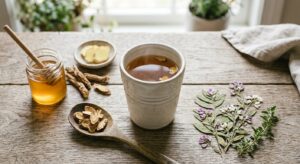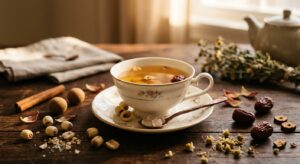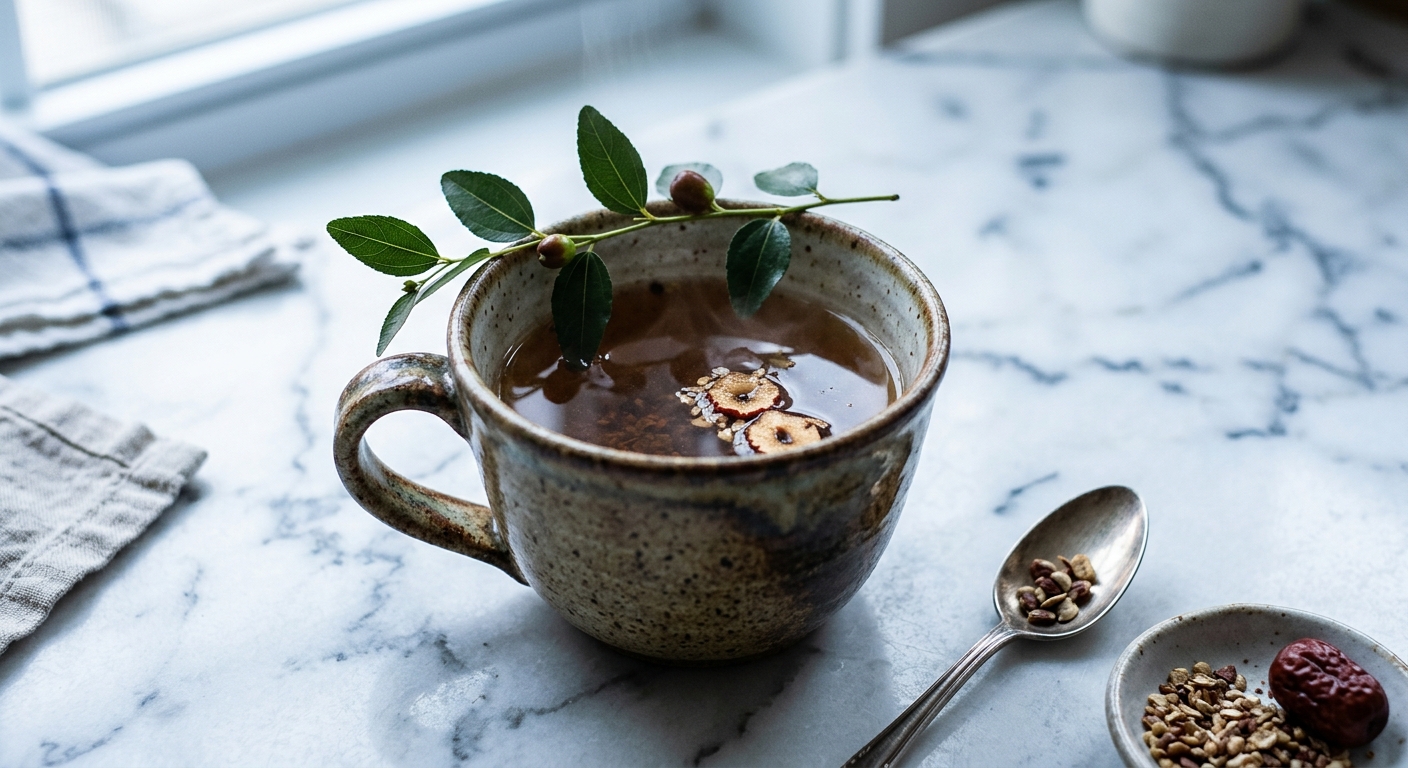
Long before melatonin supplements lined pharmacy shelves, healers in China were turning to the humble jujube seed to quiet restless minds and restore peaceful nights. Known in Traditional Chinese Medicine (TCM) as Suan Zao Ren, the dried and often lightly roasted seeds of Ziziphus jujuba var. spinosa have been prescribed for insomnia, anxiety, and heart palpitations for over two thousand years. The Shennong Bencao Jing, one of the foundational texts of Chinese herbal medicine compiled around the first century CE, lists jujube seed as a premier remedy for calming the shen, or spirit, the classical concept encompassing the mind, emotions, and consciousness.
The jujube tree itself is a deeply woven thread in the fabric of Asian agricultural and culinary history. Its bright red fruits, commonly called red dates, are eaten fresh, dried, and simmered into soups and teas across China, Korea, and Japan. But while the fruit steals most of the culinary spotlight, it is the small, almond-shaped seed nestled within the stone that herbalists have long regarded as the true medicinal treasure. When cracked and gently roasted, these seeds develop a warm, nutty, subtly earthy aroma that makes the resulting tea as comforting to the senses as it is restorative to the body.
In modern herbal practice, jujube seed tea bridges the ancient and the contemporary with remarkable grace. A growing body of clinical and laboratory research is validating what TCM practitioners observed centuries ago: the seeds contain a suite of bioactive compounds, including saponins, flavonoids, and alkaloids, that act on the central nervous system to reduce anxiety and lengthen sleep duration without the grogginess associated with pharmaceutical sleep aids. Whether you brew a simple hot infusion before bed or prepare a slow cold brew overnight, a cup of jujube seed tea is an invitation to slow down, breathe deeply, and let the evening settle into rest.
2
cups
Ingredients
- 15 gdried jujube seeds (suan zao ren), lightly crushed or ground
- 500 mlwater (90 to 95°C / 194 to 203°F)
- —raw honey or rock sugar to taste (optional)
- —a few dried jujube fruits for added sweetness (optional)
How to Brew
Click on an item below to shop for the recommended items for this recipe on Amazon.
As an Amazon Associate, we earn from qualifying purchases.
- If starting with whole dried jujube seeds, place them in a mortar and pestle or spice grinder and crack them into coarse fragments. You do not need a fine powder, just enough to break the hard outer shell and expose the inner seed.
- Bring filtered water to 90 to 95°C (194 to 203°F). Avoid a rolling boil, which can degrade some of the more delicate flavonoid compounds.
- Add the crushed jujube seeds to a small saucepan or directly into a tea infuser basket placed in your mug. Pour the hot water over the seeds.
- Cover the mug or saucepan with a lid to trap volatile aromatic compounds and steep for 15 to 20 minutes. The longer steep draws out a richer, more amber-colored brew with a deeper nutty flavor.
- Strain through a fine mesh strainer into your cup, pressing the spent seeds gently to extract the last of the liquid. Sweeten with raw honey or a small piece of rock sugar if desired, and drink 30 to 60 minutes before bed.
- Crack or coarsely grind 20 g of dried jujube seeds using a mortar and pestle. Because cold water extracts compounds more slowly, a slightly larger amount of seeds compensates for the lower extraction efficiency.
- Place the crushed seeds into a clean glass jar. Add 600 ml of cold, filtered water at room temperature. Give the jar a gentle stir to ensure all seeds are submerged.
- Seal the jar and leave it on the counter for 1 hour to begin the extraction at room temperature, then transfer to the refrigerator and continue steeping for 9 to 13 hours, or overnight.
- When ready to serve, strain the tea through a fine mesh strainer or a piece of cheesecloth into a pitcher or directly into glasses. The cold brew will be a lighter golden amber with a noticeably smoother, more subtly sweet flavor than the hot version.
- Serve over ice if desired, or gently warm a single portion in a small saucepan over low heat without boiling for a softer bedtime drink. Keeps refrigerated for up to 48 hours.
- Measure 20 g of dried jujube seeds and crack them thoroughly with a mortar and pestle or the flat of a heavy knife. For a classic TCM formula, add 3 to 4 dried jujube fruits (hong zao) to the pot alongside the seeds to contribute natural sweetness and additional calming properties.
- Combine the cracked seeds (and optional dried jujube fruits) with 700 ml of cold, filtered water in a small ceramic or stainless steel saucepan. Starting with cold water and gradually bringing it to temperature allows a slower, more complete extraction.
- Bring the water to a gentle boil over medium heat, then immediately reduce the heat to a low simmer. Cover the saucepan with a lid, leaving a small gap for steam to escape, and allow the decoction to simmer gently for 25 to 35 minutes.
- Check the liquid level periodically. The volume should reduce by roughly one-third, concentrating the active compounds. If the liquid reduces too quickly, add a small splash of hot water to maintain the simmer.
- Remove from heat and allow the decoction to cool for 5 minutes. Strain through a fine mesh strainer into a mug, pressing the solids firmly. You should have approximately 400 ml of a rich, deep amber liquid. Sweeten lightly with rock sugar if desired and drink warm about 45 minutes before sleep.
Health Benefits
Clinical trials and animal studies consistently demonstrate that jujube seed extracts, particularly jujuboside A and spinosin, reduce the time it takes to fall asleep and extend total sleep duration by modulating GABAergic and serotonergic pathways in the brain. A 2020 randomized controlled trial found that participants taking a jujube seed extract experienced significant improvements in sleep quality scores compared to placebo.
The flavonoid swertisin and the saponin fraction of jujube seed exert anxiolytic effects comparable in some studies to low-dose pharmaceutical anxiolytics, without the dependency risks. These compounds interact with GABA-A receptors, the same receptors targeted by benzodiazepines, to calm overactive neural circuits.
In TCM, jujube seed is a cornerstone herb for what practitioners describe as heart yin deficiency, characterized by restlessness, palpitations, and excessive sweating at night. Emerging pharmacological research suggests the alkaloid and saponin fractions may exert mild cardioprotective and antiarrhythmic effects by stabilizing cardiac cell membrane excitability.
Regular consumption of jujube seed tea has been associated in both traditional use and preliminary clinical studies with reduced markers of psychological stress, including lower evening cortisol variability. The herb is considered adaptogenic in some traditional frameworks, helping the body maintain equilibrium during prolonged periods of mental strain.
The flavonoid and triterpene content of jujube seeds exhibits meaningful free radical scavenging activity in laboratory studies, protecting neurons from oxidative damage. This is particularly relevant for individuals experiencing the neurological wear associated with chronic insomnia and high stress lifestyles.
🧪 Key Bioactive Compounds
The Science Behind Jujube Seed (Suan Zao Ren)
The sleep-promoting effects of jujube seed are among the better-studied phenomena in Chinese herbal medicine, with researchers having identified a rich matrix of bioactive compounds that act synergistically on the central nervous system. The most pharmacologically significant are the triterpenoid saponins, principally jujuboside A and jujuboside B. These compounds have been shown in multiple animal studies to inhibit glutamate-evoked neuronal firing in the hippocampus, one of the brain’s primary centers for arousal regulation. By dampening excitatory neurotransmission, jujubosides reduce the kind of racing, repetitive thinking that keeps many people awake long after they have gone to bed.
Equally important is the C-glycoside flavonoid spinosin, which researchers have found to prolong sleep duration in rodent models by potentiating activity at serotonin 1A receptors. Serotonin 1A receptor activation is associated with anxiolysis, mood stabilization, and the promotion of slow-wave sleep, the deepest and most physically restorative phase of the sleep cycle. Working alongside spinosin is swertisin, another flavonoid that interacts with GABA-A receptors in a manner that mirrors, though at a gentler level, the action of pharmaceutical benzodiazepines. This multi-target mechanism is characteristic of many traditional herbal sedatives and likely explains why jujube seed produces a calming effect without the sharp sedation or next-morning cognitive impairment common to pharmaceutical sleep aids.
Beyond sedation, jujube seed extracts have demonstrated meaningful antioxidant and neuroprotective activities in laboratory research. Betulinic acid and the flavonoid fraction collectively scavenge reactive oxygen species and reduce markers of neuroinflammation, which is particularly significant given that chronic sleep deprivation is itself a driver of oxidative stress and neuronal damage. A 2020 randomized controlled pilot trial published in Evidence-Based Complementary and Alternative Medicine found statistically significant improvements in Pittsburgh Sleep Quality Index scores among participants supplementing with standardized jujube seed extract over four weeks, lending clinical weight to centuries of traditional observation. While larger, longer trials are still needed, the convergence of mechanistic data and clinical evidence makes jujube seed one of the most scientifically compelling herbs in the sleep and relaxation category.
Brewing Tips
- Always crack or grind your jujube seeds before brewing. The hard outer shell acts as a significant barrier to extraction, and whole uncracked seeds will produce a very weak, ineffective tea regardless of how long you steep them.
- Source your suan zao ren from a reputable TCM herb supplier or a Chinese herbal pharmacy rather than generic online marketplaces. High-quality seeds should smell mildly nutty and have a uniform dark reddish-brown color. Seeds that smell musty or look shriveled and pale have likely lost much of their potency.
- Consistency matters more than dose for this herb. Traditional practitioners recommend drinking jujube seed tea nightly for at least two to four weeks to experience the full cumulative benefit, as its effects on sleep architecture tend to deepen with regular use rather than delivering a strong immediate sedative effect on the first night.