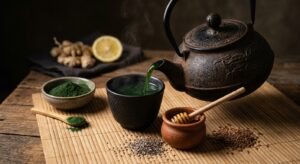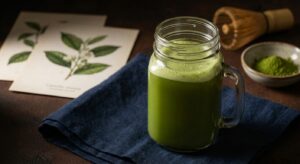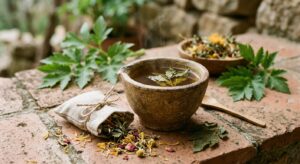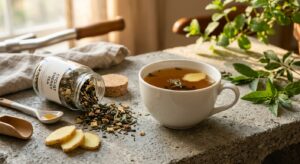
Long before modern neuroscience had words like “neuroplasticity” or “BDNF,” healers in India, Sri Lanka, and Southeast Asia were prescribing a small, fan-shaped leaf that grew along riverbanks and in rice paddies. Gotu kola (Centella asiatica) earned the nickname “the herb of longevity” in Ayurvedic tradition, where it was classified as a medhya rasayana, meaning a rejuvenating herb specifically for the mind. Ancient texts recommended it for sharpening memory, calming anxiety, and sustaining mental clarity well into old age. In traditional Sri Lankan culture, the herb was eaten fresh as a daily salad green, and elephants, who were observed grazing on it along riverbanks, became a symbol of the plant’s reputation for longevity and wisdom.
Gotu kola made its way into Traditional Chinese Medicine as well, where it was known as ji xue cao and used to treat conditions ranging from poor circulation to cognitive decline. In Indonesia and Malaysia, it forms the base of pegagan, a popular fresh-squeezed green drink still sold by street vendors today. What unites all these traditions is a consistent emphasis on the plant’s ability to nourish the nervous system, reduce mental fatigue, and support calm, focused attention without the stimulating edge of caffeine. Unlike many adaptogens that energize through stimulation, gotu kola works by rebuilding and protecting the neural architecture itself.
What makes gotu kola genuinely remarkable is the growing body of peer-reviewed research that validates what these traditions observed empirically over centuries. Studies have identified a class of compounds called triterpenoid saponins, particularly asiaticoside and madecassoside, as the primary drivers of its neuroprotective effects. These compounds have been shown to stimulate collagen synthesis in connective tissue (including the myelin sheath around nerve fibers), inhibit amyloid-beta plaque formation relevant to Alzheimer’s research, and upregulate brain-derived neurotrophic factor (BDNF), the protein responsible for growing and maintaining neurons. Brewed as a tea, gotu kola offers a gentle, sustainable way to incorporate these compounds into a daily cognitive wellness ritual.
2
cups
Ingredients
- 2 tspdried gotu kola leaf
- 480 mlwater (85°C / 185°F)
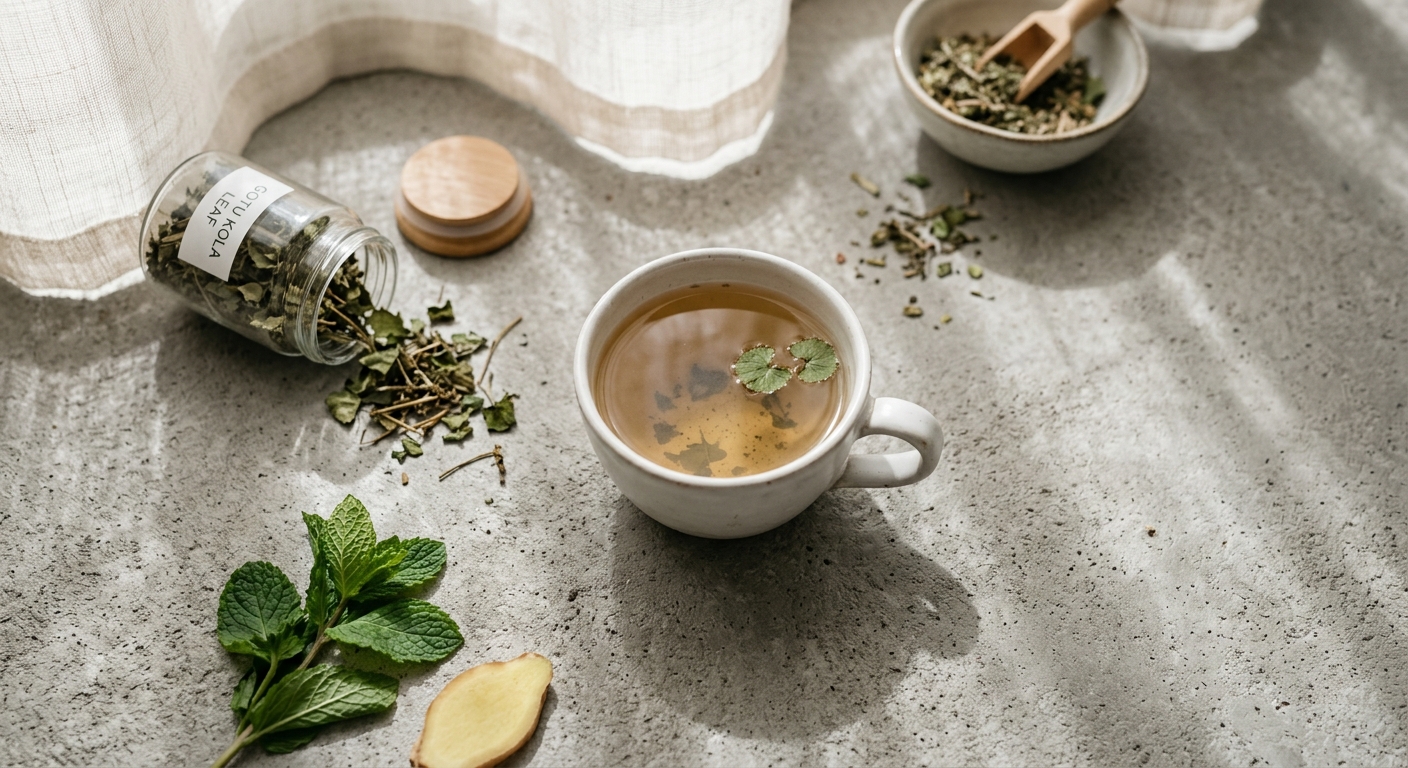
- —raw honey or a slice of fresh ginger to taste (optional)
- —a few fresh mint leaves to brighten the flavor (optional)
How to Brew
Click on an item below to shop for the recommended items for this recipe on Amazon.
As an Amazon Associate, we earn from qualifying purchases.
- Heat filtered water to 80 to 90°C (176 to 194°F). If you do not have a temperature-controlled kettle, bring water to a full boil and allow it to rest off heat for 3 to 4 minutes before pouring.
- Add 1 teaspoon of dried gotu kola leaf per 240 ml of water into a tea infuser or small loose-leaf strainer. For a more potent therapeutic brew, increase to 1.5 teaspoons per cup.
- Pour the heated water over the dried leaf and cover the cup with a small saucer or lid to trap volatile aromatic compounds and maintain temperature throughout the steep.
- Steep for 7 to 10 minutes. Taste at 7 minutes for a milder, grassier cup, or allow the full 10 minutes for a stronger, more earthy brew with maximum compound extraction.
- Remove the infuser, pressing gently against the side of the cup to release any remaining liquid. Add raw honey or a few mint leaves if desired, and sip slowly while warm.
- Measure 2 teaspoons of dried gotu kola leaf per 480 ml of cold, filtered water. Place the dried herb directly into a clean glass jar or cold brew pitcher, no infuser required at this stage.
- Pour cold filtered water over the herb, ensuring all the leaf material is fully submerged. If leaves float, place a small spoon on top briefly to press them under the surface, then seal the jar.
- Allow the jar to sit at room temperature for 30 minutes to initiate initial extraction, then transfer it to the refrigerator and steep for 10 to 14 hours (overnight is ideal).
- After steeping, strain the infusion through a fine mesh strainer or cheesecloth into a serving glass or pitcher, pressing the spent herb gently to extract the last of the liquid.
- Serve cold over ice. The cold brew version pairs exceptionally well with a squeeze of fresh lemon juice and a drizzle of raw honey, which complement the mild vegetal flavor and enhance the refreshing quality of the drink.
- Combine 1 tablespoon of dried gotu kola leaf with 480 ml of cold, filtered water in a small saucepan. Using cold water from the start allows for a gradual, more thorough extraction of the triterpenoid compounds as the temperature rises.
- Bring the water and herb to a gentle boil over medium heat, then immediately reduce the heat to a low simmer (85 to 90°C / 185 to 194°F). You want steady, gentle bubbling, not a rolling boil, to protect the more heat-sensitive active compounds.
- Simmer uncovered for 15 to 20 minutes, stirring occasionally, until the liquid has reduced by roughly one-third and has taken on a deeper olive-green color and noticeably stronger aroma.
- Remove from heat and allow the decoction to cool slightly for 2 to 3 minutes, then strain through a fine mesh strainer into a cup or jar, pressing the spent herb firmly to extract every drop.
- This yields a strong concentrate. Drink one small cup (approximately 120 ml) as a single serving, or dilute to taste with warm water. Add a small amount of raw honey and a pinch of black pepper, which traditional Ayurvedic practice uses to enhance bioavailability of fat-soluble plant compounds.
Health Benefits
Multiple human clinical trials, including a double-blind study published in the Journal of Alzheimer’s Disease, found that Centella asiatica extract significantly improved working memory, attention, and processing speed in older adults. The mechanism centers on asiatic acid’s ability to elevate BDNF levels and support hippocampal neurogenesis.
Laboratory and animal studies show that madecassoside and asiaticoside inhibit the aggregation of amyloid-beta plaques, a hallmark of Alzheimer’s disease, while also reducing tau protein tangles. These findings have generated significant interest in gotu kola as a complementary strategy for long-term brain aging.
A randomized, double-blind trial published in the Journal of Clinical Psychopharmacology found that a single dose of Centella asiatica extract significantly reduced acoustic startle response, a validated measure of anxiety, in healthy adults. Unlike caffeine-based nootropics, this calming effect promotes focused attention without nervous system stimulation.
Gotu kola has a well-documented ability to strengthen capillary walls and improve microvascular blood flow, including in the brain. Improved cerebral circulation means more efficient delivery of oxygen and glucose to neurons, which directly supports mental clarity, processing speed, and sustained concentration.
As a mild adaptogen, gotu kola has been shown to modulate the HPA (hypothalamic-pituitary-adrenal) axis response to chronic stress, reducing cortisol-related cognitive fatigue. Traditional practitioners have long prescribed it for students and scholars facing demanding mental work.
🧪 Key Bioactive Compounds
The Science Behind Gotu Kola
The neuroprotective reputation of gotu kola rests primarily on its triterpenoid saponin complex, a group of bioactive compounds that includes asiaticoside, madecassoside, asiatic acid, and madecassic acid. These molecules are lipophilic enough to cross the blood-brain barrier, which is a prerequisite for any compound with genuine central nervous system effects. Once in neural tissue, asiatic acid has been shown in multiple cell and animal studies to upregulate the expression of BDNF (brain-derived neurotrophic factor), a signaling protein often described as “fertilizer for the brain.” BDNF promotes the survival of existing neurons, stimulates the growth of new synaptic connections, and supports hippocampal neurogenesis, the process by which new neurons are formed in the memory centers of the brain throughout adult life.
Madecassoside and madecassic acid contribute a complementary layer of neuroprotection through their antioxidant and anti-inflammatory mechanisms. Chronic neuroinflammation, driven by overactivated microglia and excess reactive oxygen species (ROS), is increasingly recognized as a central driver of age-related cognitive decline and neurodegenerative conditions including Alzheimer’s and Parkinson’s disease. Madecassoside has been shown to suppress NF-kB signaling, a key inflammatory pathway in the brain, and to reduce mitochondrial oxidative damage in neurons. Separately, both madecassoside and asiaticoside have demonstrated the ability to inhibit amyloid-beta peptide aggregation in vitro, meaning they interfere with the formation of the toxic plaques that accumulate in Alzheimer’s disease pathology.
Beyond direct neuroprotection, gotu kola’s flavonoid fraction, particularly quercetin and kaempferol, contributes meaningfully to the tea’s cognitive benefits through its vascular effects. These compounds strengthen the walls of capillaries and venules, reducing permeability and improving the tone of small blood vessels throughout the brain. Enhanced cerebral microcirculation translates to more efficient delivery of oxygen and glucose to neurons during periods of sustained cognitive demand. This vascular mechanism, combined with the direct neurotropic effects of the triterpenoids, gives gotu kola a multi-pathway profile that helps explain why both ancient healers and modern researchers have found it consistently effective for cognition across a wide range of populations and study designs.
Brewing Tips
- Store dried gotu kola in an airtight glass jar away from light and heat. The triterpenoid saponins can degrade with prolonged exposure to moisture and UV light, which reduces both potency and shelf life. Properly stored dried leaf retains full potency for up to 12 months.
- If you find the earthy, slightly bitter taste challenging at first, blend gotu kola 50/50 with dried peppermint or spearmint leaf. The mint complements rather than masks the green flavor and adds its own mild cognitive-support properties through rosmarinic acid and menthol.
- For maximum triterpenoid extraction in the hot brew method, always cover your cup while steeping. Many volatile aromatic compounds escape with steam if the cup is left open, and covering it also maintains the ideal temperature window of 80 to 90°C throughout the full steep time.