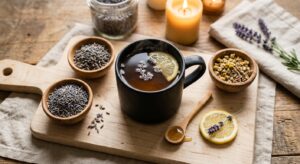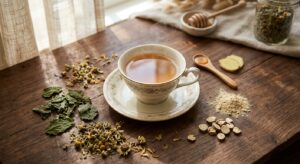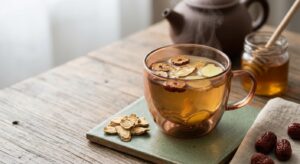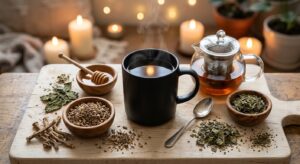
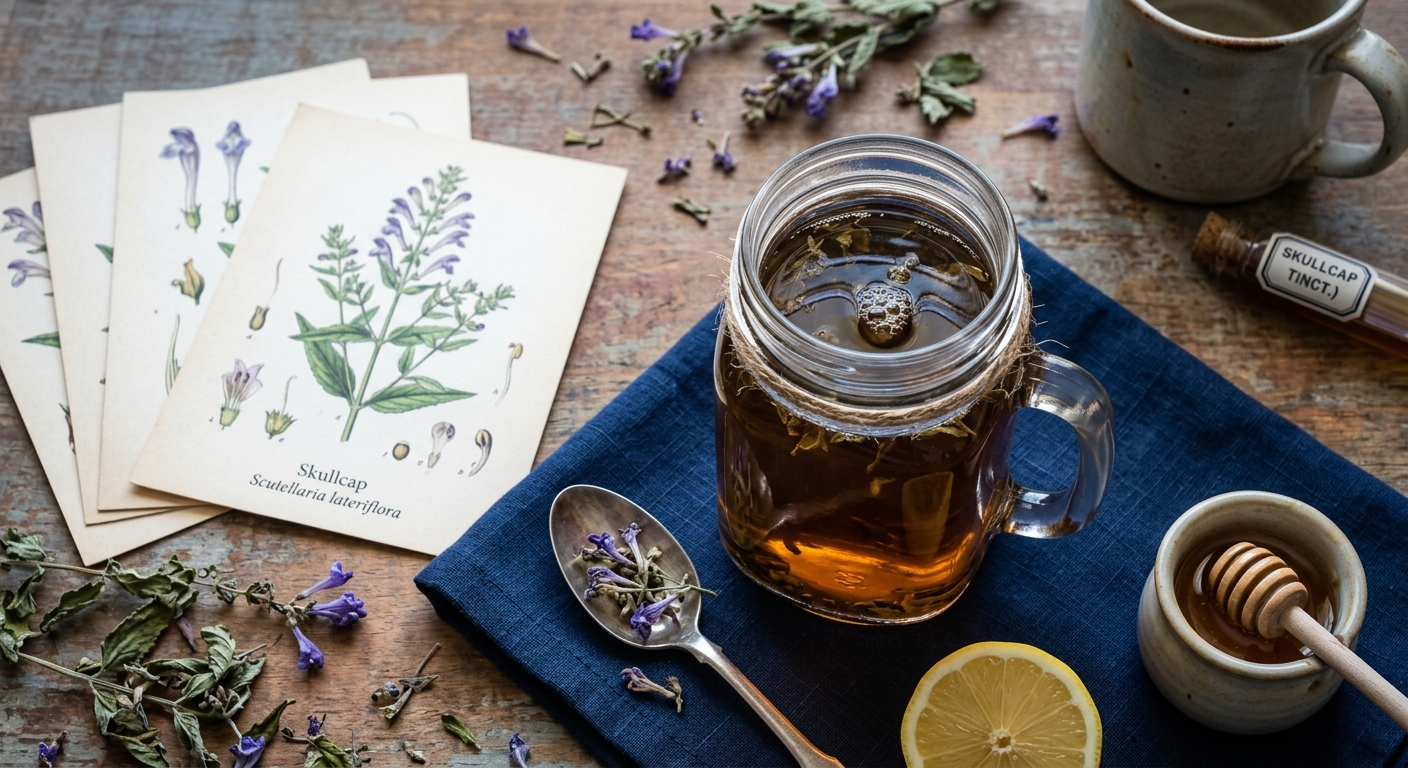
Long before modern pharmacology introduced benzodiazepines and beta-blockers, the Indigenous peoples of North America were turning to Scutellaria lateriflora, commonly known as skullcap, to quiet a restless mind and soothe a nervous system pulled taut by daily life. Cherokee healers used it in ceremonies and as a women’s tonic, while early American eclectic physicians in the 19th century elevated it to one of their most trusted remedies for nervous exhaustion, hysteria, and insomnia. The name itself comes from the small, helmet-shaped calyx of its delicate blue-purple flowers, a visual echo of the calm, protective quality this plant has long been associated with.
What makes skullcap particularly beloved in modern herbal practice is its reputation as a trophorestorative nervine, meaning it does not merely suppress nervous activity but is believed to nourish and rebuild the nervous system over time. Unlike valerian, which can feel heavy and sedating, skullcap is described by practitioners as a clear-headed calm: the sensation of a deep breath rather than a heavy blanket. It is the herb many herbalists reach for when anxiety presents as racing thoughts, muscle tension, or the wired-but-tired feeling that follows prolonged stress.
Skullcap belongs to the mint family (Lamiaceae) and carries with it the faint grassiness and mild bitterness characteristic of many of its relatives. The aerial parts, particularly the leaves and stems harvested at flowering, contain the highest concentrations of its active compounds. Because quality varies enormously between suppliers, sourcing fresh, organically grown dried skullcap or growing your own is one of the most important steps you can take to ensure a potent and effective cup. When you get it right, skullcap tea rewards you with a quiet, grounding ritual that feels as therapeutic as the herb itself.
2
cups
Ingredients
- 2 tspdried skullcap aerial parts (leaves and stems)
- 480 mlwater (85°C / 185°F)
- —raw honey or maple syrup to taste (optional)
- —a squeeze of fresh lemon juice (optional)
How to Brew
Click on an item below to shop for the recommended items for this recipe on Amazon.
As an Amazon Associate, we earn from qualifying purchases.
- Heat filtered water to 85°C (185°F). If you do not have a temperature-controlled kettle, bring water to a boil and allow it to cool for 3 to 4 minutes before pouring.
- Measure 1 teaspoon of dried skullcap aerial parts per 240 ml of water. Place the herb into a tea infuser or directly into your teapot.
- Pour the heated water over the skullcap and cover the vessel immediately with a lid or small plate. Covering is important because volatile aromatic compounds responsible for skullcap’s nervine qualities will otherwise escape with the steam.
- Steep for 10 to 15 minutes. Taste at 10 minutes for a lighter infusion, or extend to 15 minutes for a fuller, more potent brew. The liquid should turn a soft amber-green.
- Strain thoroughly and pour into a warmed mug. Add honey or a squeeze of lemon if desired. Honey softens the mild bitterness beautifully without masking the herb’s character.
- Sip slowly in a calm environment, ideally away from screens. One to two cups in the evening or during periods of acute stress is a typical therapeutic amount.
- Measure 3 teaspoons of dried skullcap aerial parts per 480 ml of cold, filtered water. Cold brewing is less efficient than heat extraction, so a higher herb-to-water ratio is essential for a potent result.
- Combine the skullcap and cold water in a glass jar. Stir gently to ensure all the plant material is fully submerged. Do not use a metal container, as prolonged contact with metal can affect the delicate flavonoids.
- Seal the jar with a lid and allow it to steep at room temperature for the first 1 to 2 hours, then transfer to the refrigerator. Continue steeping for a total of 8 to 12 hours, or overnight.
- The next morning, strain the infusion through a fine mesh strainer lined with cheesecloth to remove all plant material. The resulting liquid should be a clear, pale olive-gold color.
- Pour over ice if preferred, or drink chilled as-is. Add a small drizzle of honey or a strip of lemon peel for brightness. Consume within 48 hours and keep refrigerated.
- Prepare your herb blend: combine 1 teaspoon dried skullcap, 1 teaspoon dried lemon balm, and half a teaspoon dried passionflower per 240 ml of water. Scale up proportionally for two servings at 480 ml.
- Place the blended herbs into a teapot or heatproof vessel with a lid. A teapot is ideal here because the larger volume encourages even extraction across all three herbs.
- Heat filtered water to 85 to 90°C (185 to 194°F) and pour it over the herb blend. Cover the teapot immediately to trap volatile aromatic compounds from the lemon balm, which are particularly sensitive to heat loss.
- Steep for 12 to 15 minutes. Longer steeping allows the passionflower to release its mildly bitter flavone compounds alongside skullcap’s baicalin, creating a more complete nervine profile.
- Strain into warmed mugs through a fine mesh strainer. The infusion should display a warm amber-green tone. Taste before sweetening, as lemon balm adds a pleasant citrus brightness that may mean no sweetener is needed.
- This blend is well suited to evenings before bed or to wind-down rituals after particularly demanding days. Avoid driving or operating heavy machinery after consuming, as the combined nervine effect of all three herbs is meaningfully relaxing.
Health Benefits
Skullcap’s primary flavonoids, baicalin and wogonin, bind to GABA-A receptors in the brain, the same receptor system targeted by benzodiazepine drugs, enhancing inhibitory signaling and reducing the neural overactivity experienced as anxiety. A 2014 randomized crossover trial published in Alternative Therapies in Health and Medicine found that skullcap significantly enhanced global mood without reducing energy or cognition in healthy adults.
Unlike valerian or hops, skullcap promotes sleep by calming a hyperactive mind rather than imposing sedation on the body, making it particularly useful for anxiety-driven insomnia characterized by racing thoughts at bedtime. Users typically report falling asleep more easily while retaining alertness and clarity during waking hours.
Skullcap has a long traditional use as an antispasmodic, helping to relax involuntary muscle tension that frequently accompanies chronic stress, including jaw clenching, neck tightness, and tension headaches. Its GABA-modulating activity likely contributes to this peripheral relaxation effect alongside its central calming action.
Baicalein and scutellarein have demonstrated the ability to cross the blood-brain barrier and exert antioxidant effects directly within neural tissue, protecting neurons from oxidative damage linked to chronic stress and neurodegeneration. This is one basis for the traditional herbalist concept of skullcap as a nervous system restorative rather than merely a symptomatic relaxant.
Chronic psychological stress promotes systemic inflammation, and skullcap’s flavonoids, particularly baicalin, have demonstrated significant anti-inflammatory activity by inhibiting NF-kB signaling and reducing pro-inflammatory cytokine production. This dual action on both neural and inflammatory pathways makes it a meaningful ally for stress that has moved into the body as physical symptoms.
🧪 Key Bioactive Compounds
The Science Behind Skullcap
Skullcap’s most significant bioactive compounds are its flavones, particularly baicalin, baicalein, wogonin, and scutellarein, which collectively act on the central nervous system through several well-documented mechanisms. The most clinically relevant is their affinity for GABA-A receptors, the brain’s primary inhibitory receptors. Both baicalin and wogonin have been shown in in vitro and animal studies to bind at or near the benzodiazepine site on these receptors, enhancing the effect of GABA (gamma-aminobutyric acid) and thereby reducing the excessive neural firing that underlies anxiety, muscle tension, and insomnia. Crucially, preclinical research suggests these compounds act as partial agonists rather than full agonists, which may explain why skullcap produces calming without the cognitive dulling, dependency risk, or withdrawal effects associated with pharmaceutical benzodiazepines.
Beyond GABA modulation, baicalein has demonstrated inhibitory activity against monoamine oxidase (MAO), the enzyme responsible for breaking down neurotransmitters such as serotonin, dopamine, and norepinephrine. By slowing MAO activity, baicalein may help sustain elevated levels of these mood-supportive neurotransmitters, lending skullcap a secondary antidepressant dimension that aligns with its traditional use for nervous exhaustion and low mood accompanying anxiety. Wogonin has also been studied for its ability to inhibit the NLRP3 inflammasome, a key driver of neuroinflammation, suggesting that skullcap’s benefits may extend to conditions where chronic stress has triggered inflammatory changes in brain tissue.
A notable human study published in Alternative Therapies in Health and Medicine (Wolfson and Hoffmann, 2003; updated by Brock et al., 2014) used a randomized, double-blind, crossover design to evaluate the effects of skullcap on mood in healthy volunteers. The study found significant improvements in global mood state and increased feelings of wellbeing with no reduction in energy, focus, or task performance, setting skullcap apart from most conventional anxiolytic agents. The bioavailability of skullcap’s flavonoids is enhanced by the presence of hot water extraction, which hydrolyzes baicalin from its glycoside form into the more readily absorbed aglycone baicalein in the gut. This means that proper brewing technique, including adequate steep time and appropriate temperature, is not merely a matter of taste but is directly relevant to the therapeutic quality of your cup.
Brewing Tips
- Always cover your cup or pot while steeping skullcap. The aromatic volatile compounds that contribute to its nervine action are water-soluble but will escape with rising steam if left uncovered, reducing both the flavor and the therapeutic potency of your brew.
- Purchase skullcap from suppliers who provide third-party testing or certificates of analysis. The most common form of adulteration in commercial skullcap is the substitution or contamination with germander (Teucrium species), which contains hepatotoxic compounds. Reputable suppliers will test for species verification.
- Skullcap works best as a consistent tonic taken daily over several weeks rather than as a one-off remedy. Herbalists often describe its benefits as cumulative, with nervous system support deepening the longer it is used at regular low doses.