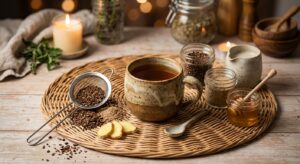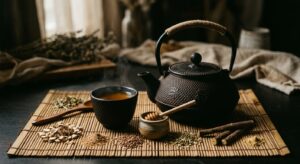
For centuries, herbalists across cultures have reached for specific plants when digestive sluggishness became a concern. In Ayurvedic medicine, fennel and licorice root have been prescribed together as a classic digestive formula for thousands of years, valued for their ability to move stagnant energy through the gut while soothing the intestinal lining. Senna leaf, native to Egypt and Sudan, was documented in 9th-century Arabic medical texts and remains one of the most widely studied herbal laxatives in the world. This trio forms a beautifully balanced blend where stimulating, soothing, and carminative actions work in concert.
What makes this blend distinctive is not just its effectiveness but its gentleness when used correctly. Senna provides the reliable stimulant laxative action through anthraquinone glycosides that prompt peristalsis, while licorice root protects and coats the intestinal walls, reducing the cramping that harsher laxative preparations can cause. Fennel seed contributes its powerful antispasmodic and gas-relieving properties, addressing the bloating and discomfort that often accompany constipation. The result is a tea that works with your digestive system rather than overwhelming it.
The flavor of this blend is surprisingly pleasant: the deep, anise-like warmth of fennel mingles with the naturally sweet, almost caramel-like depth of licorice root, grounding the slightly bitter, earthy undertone of senna leaf into something genuinely enjoyable to drink. This is not a remedy to be endured but a ritual to be savored in the evening, giving the herbs time to work gently overnight so that relief arrives naturally in the morning.
2
cups
Ingredients
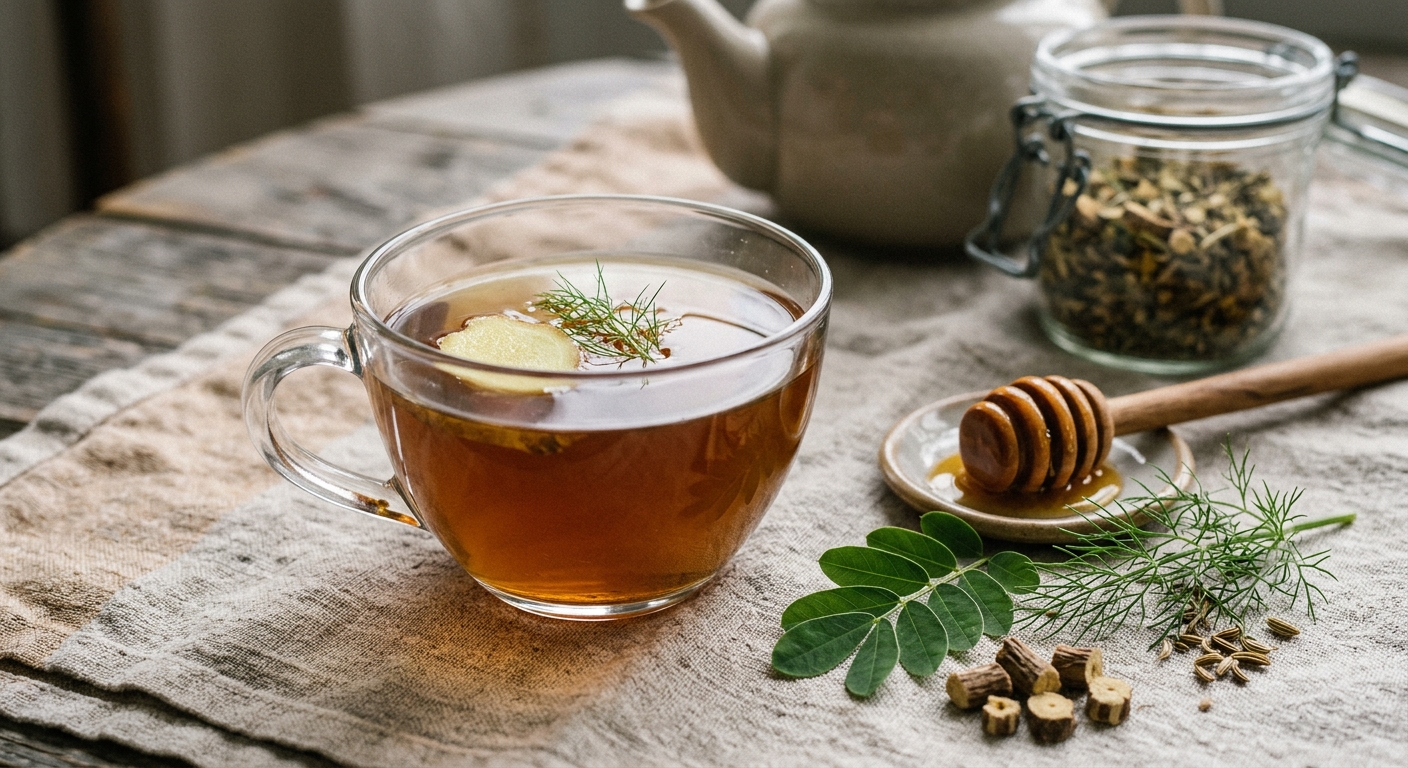
- 1 tspdried senna leaf
- 1 tspfennel seeds (lightly crushed)
- 0.5 tspdried licorice root (cut and sifted)
- 480 mlwater (90°C / 194°F)
- —fresh ginger slice (optional, to reduce cramping)
- —raw honey to taste (optional)
How to Brew
Click on an item below to shop for the recommended items for this recipe on Amazon.
As an Amazon Associate, we earn from qualifying purchases.
- Heat filtered water to 90 to 95°C (194 to 203°F). Avoid a full rolling boil, as excessive heat can degrade the delicate volatile oils in fennel that provide its antispasmodic benefit.
- Lightly crush 1 tsp of fennel seeds using a mortar and pestle or the back of a spoon. This opens the seed coat and releases the volatile anethole compounds more effectively into the water.
- Combine the crushed fennel seeds, dried senna leaf, and licorice root in a tea infuser or strainer set inside your mug or teapot.
- Pour the hot water over the herbs and cover the mug immediately with a small plate or lid. Covering traps the volatile aromatic compounds that would otherwise escape as steam.
- Steep for exactly 5 minutes for a mild, gentle effect or up to 10 minutes for a stronger action. Use a timer and do not exceed 10 minutes.
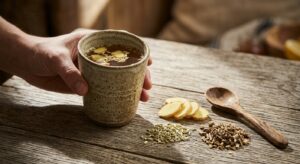
- Remove the infuser, stir in a slice of fresh ginger or a small amount of honey if desired, and allow to cool slightly before drinking. Best consumed in the evening, 30 to 60 minutes before bed.
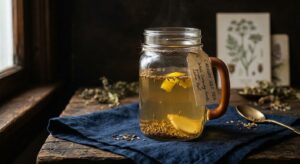
- Lightly crush 1 tsp of fennel seeds and combine with the dried senna leaf and licorice root in a clean glass jar.
- Add 480 ml of cold, filtered water at room temperature. Do not use hot or warm water for this method, as the slow, cool extraction is precisely what keeps the sennoside concentration mild and tolerable.
- Stir the herbs briefly, seal the jar with a lid, and place it on your kitchen counter for 1 hour to allow the initial extraction to begin at room temperature.
- Transfer the sealed jar to the refrigerator and allow it to cold-steep for a further 5 to 7 hours, for a total steeping time of 6 to 8 hours. Overnight is convenient and effective.
- Strain the liquid through a fine mesh strainer lined with cheesecloth into a glass or pitcher, pressing gently on the herbs to extract the last of the liquid.
- Drink cold or bring to room temperature before consuming. Sip slowly over 10 to 15 minutes rather than drinking all at once. Expect results within 6 to 12 hours.
- Place 0.5 tsp of licorice root pieces in a small saucepan with 520 ml of cold filtered water. Allow the licorice root to soak in the cold water for 5 minutes before applying heat. This pre-soak helps soften the woody root tissue and improves compound extraction.
- Bring the saucepan to a very gentle simmer over low to medium heat. You should see small bubbles rising slowly, not a vigorous boil. Maintain this gentle simmer for 10 minutes, stirring occasionally.
- After 10 minutes, remove the saucepan from heat and immediately add the lightly crushed fennel seeds and the dried senna leaf directly to the hot liquid.
- Cover the saucepan with a lid and allow the fennel and senna to infuse in the residual heat for exactly 5 minutes. The licorice decoction retains enough heat to extract the more delicate compounds from fennel and senna without destroying them.
- Strain the liquid through a fine mesh strainer into mugs, pressing lightly on the herbs. Discard the spent plant material.
- Allow to cool to a comfortable drinking temperature. Sweeten lightly with honey if desired. Because this method produces a more concentrated extraction, consume only one cup per session and avoid repeating on consecutive days.
Health Benefits
Senna leaf is among the most clinically validated herbal laxatives available. Its sennosides are converted by colonic bacteria into compounds that stimulate intestinal muscle contractions and reduce water reabsorption, producing a bowel movement in most adults within 6 to 12 hours of consumption.
Fennel seed’s high anethole content acts on smooth muscle receptors in the intestinal wall, reducing spasms that trap gas. Multiple clinical studies have confirmed fennel’s efficacy as a carminative herb, and its use in digestive blends is supported by both traditional practice and modern gastroenterology.
Licorice root contains glycyrrhizin and related saponins that coat and protect the mucosal lining of the gastrointestinal tract, reducing the inflammation and irritation that can accompany laxative use. This protective action makes licorice a valuable pairing with stimulant herbs like senna.
When consumed occasionally and in appropriate doses, senna-based teas support the natural motility reflex of the colon. Evidence suggests that short-term use of 1 to 2 weeks does not impair long-term bowel function in healthy adults, provided daily use is avoided.
The antispasmodic properties of both fennel and licorice root act synergistically to reduce the cramping and abdominal tension that often accompany constipation. This combination addresses not only transit time but also the pain and discomfort that make constipation a significant quality-of-life concern.
🧪 Key Bioactive Compounds
The Science Behind Senna Leaf
The laxative action of senna leaf is among the most thoroughly studied of all herbal medicines. Its key compounds, sennoside A and sennoside B, are classified as anthraquinone glycosides. When consumed, these compounds pass largely unabsorbed through the small intestine until they reach the large intestine, where resident gut bacteria cleave the glycoside bond and convert them into the active metabolite rhein anthrone. This molecule acts on two fronts: it stimulates the enteric nervous system to increase propulsive peristaltic contractions of the colon, and it reduces the active transport of sodium and water out of the colon back into the body, resulting in softer, bulkier stool that is easier to pass. This dual mechanism is why senna is reliable but must be used with respect.
Fennel seed’s carminative and antispasmodic effects are mediated primarily through anethole, a phenylpropanoid that constitutes 80 to 90 percent of fennel essential oil. Research published in gastroenterological literature has demonstrated that anethole relaxes smooth muscle tissue in the gastrointestinal tract by modulating calcium ion channels, which reduces the involuntary spasms that cause cramping and trap gas. A secondary compound, fenchone, contributes to this action and is also responsible for the slight camphor-like warmth in fennel’s flavor. Together, these compounds address the painful, gassy component of constipation that pure laxative herbs cannot.
Licorice root’s inclusion in this formula is not merely for flavor. Glycyrrhizin, the triterpenoid saponin responsible for licorice root’s characteristic sweetness (it is approximately 50 times sweeter than sucrose), has well-documented anti-inflammatory activity in the gastrointestinal mucosa. It inhibits the 11-beta-hydroxysteroid dehydrogenase enzyme pathway, reducing local prostaglandin activity and thereby dampening intestinal inflammation. Glabridin, a lipophilic isoflavonoid also found in licorice root, contributes additional antispasmodic effects. The practical result of including licorice in this blend is a meaningfully smoother experience: the gut lining is calmed and protected, the likelihood of cramping is reduced, and the overall formula behaves more like a supportive digestive remedy than a harsh laxative intervention.
Brewing Tips
- Always drink an additional full glass of plain water immediately after consuming this tea. Senna requires adequate hydration to work properly and safely, and dehydration will worsen constipation and increase the risk of cramping.
- Steep senna for the minimum time first, especially if this is your initial experience with the blend. The 5-minute steep is noticeably milder than the 10-minute steep, and it is far easier to increase steeping time next time than to undo an overly strong brew.
- Avoid drinking this tea on consecutive days. Use it as an occasional remedy when needed, and focus on increasing dietary fiber, water intake, and physical activity as the primary long-term strategies for bowel regularity.