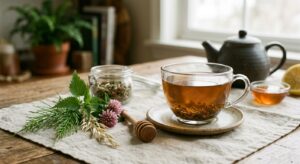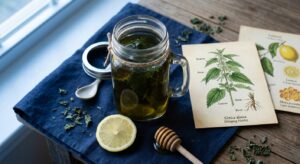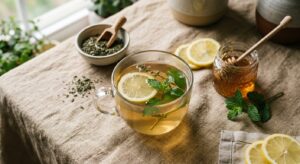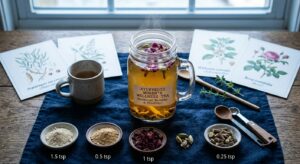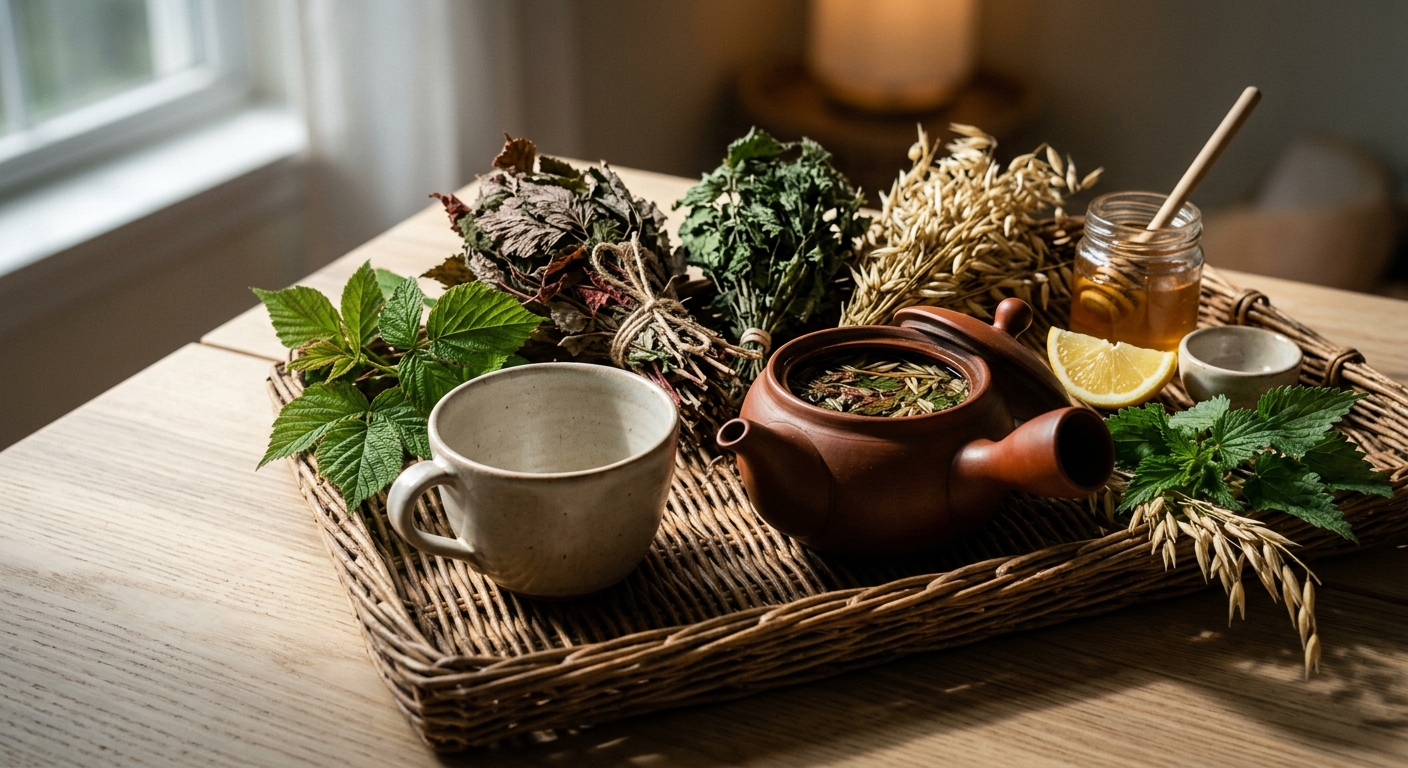
The third trimester is one of the most physically demanding seasons of a woman’s life. The body is working overtime, nutrient demands are at their peak, ligaments are softening, sleep is elusive, and the uterus is preparing for one of its greatest feats. Long before prenatal vitamins existed, midwives and traditional healers across Europe, North America, and beyond reached for a handful of specific plants to nourish and prepare expectant mothers in these final weeks. Red raspberry leaf, stinging nettle, and oatstraw formed the backbone of this tradition, and their reputations have only grown stronger as modern herbalists and some researchers have taken a closer look at what they offer.
Red raspberry leaf (Rubus idaeus) is perhaps the most celebrated uterine tonic in Western herbalism. Its use during pregnancy has been documented in European and North American folk medicine for centuries, with particular emphasis on the third trimester when its fragine content is thought to tone and prepare the uterine muscle for the rhythmic work of labor. Nettle leaf (Urtica dioica) is the nutritional powerhouse of the blend, delivering iron, calcium, magnesium, vitamin K, and chlorophyll in a form that is highly bioavailable from a hot water infusion. Oatstraw (Avena sativa, the green milky tops and stem) brings a quieter kind of support: deep nourishment for the nervous system, steady energy, and a mild calming quality that can ease the anxiety and tension that often accompany late pregnancy.
Together, these three herbs create a tea that is far more than the sum of its parts. The flavor is grassy and gently astringent from the raspberry leaf, earthy and mineral-rich from the nettle, and sweetly milky-smooth from the oatstraw. Sipped warm in the morning or cooled over ice on a summer afternoon, this blend has become a beloved daily ritual for many pregnant people in their final trimester. As with all herbal preparations during pregnancy, timing, dosage, and individual health context matter deeply, so read the cautions section carefully and always work with your midwife or care provider before beginning any herbal regimen.
2
cups
Ingredients
- 2 tspdried red raspberry leaf
- 1 tspdried nettle leaf
- 1 tspdried oatstraw
- 480 mlwater (95°C / 203°F)
- —raw honey or maple syrup to taste (optional)
- —a squeeze of fresh lemon (optional, enhances iron absorption)
How to Brew
Click on an item below to shop for the recommended items for this recipe on Amazon.
As an Amazon Associate, we earn from qualifying purchases.
- Heat filtered water to 95°C (203°F). Avoid a full rolling boil, which can degrade some of the more delicate volatile compounds. An electric kettle with temperature control is ideal, or bring water just to the point where vigorous bubbles begin to form.
- Warm your teapot or infuser mug first by rinsing it with a small amount of hot water. This keeps the steeping temperature stable and prevents the brew from cooling too rapidly before the herbs have finished releasing their constituents.
- Measure 2 teaspoons of dried red raspberry leaf, 1 teaspoon of dried nettle leaf, and 1 teaspoon of dried oatstraw directly into your infuser basket or a muslin tea bag. If the herbs are whole-leaf, crumble them lightly between your fingers to increase surface area.
- Pour 480 ml of hot water over the herbs, cover the vessel with a lid or a small plate to trap volatile aromatic compounds and prevent heat loss, and steep for 10 to 15 minutes. The cover is not optional here: it keeps the beneficial plant oils from escaping with the steam.
- Remove the herbs and discard or compost them. If tannins are a concern or you find the tea too astringent, start with a 10-minute steep and gradually increase as your palate adjusts.
- Add a squeeze of fresh lemon juice to the finished tea if desired. Vitamin C from the lemon dramatically increases iron absorption from the nettle. Sweeten with raw honey or maple syrup if preferred. Pour into a wide mug, sit down, and drink mindfully.
- Measure a slightly larger quantity of herbs for the cold brew to compensate for the slower extraction rate: use 3 teaspoons of dried red raspberry leaf, 1.5 teaspoons of dried nettle leaf, and 1.5 teaspoons of dried oatstraw.
- Place the herbs loosely into a clean glass jar. Pour 480 ml of room-temperature filtered water over the herbs. Do not use cold water straight from the refrigerator, as the minerals and polysaccharides in nettle and oatstraw extract best starting at room temperature.
- Stir gently to ensure all the herbs are fully submerged. Place a small plate or cloth over the top of the jar to keep dust and debris out while still allowing some airflow.
- Leave the jar at room temperature for 1 hour to allow initial extraction to begin, then move it to the refrigerator and steep for a further 8 to 12 hours, or overnight. The cold slow extraction pulls out iron-bearing compounds, calcium, and the mucilaginous oatstraw constituents with a gentler profile.
- In the morning, strain the infusion through a fine mesh strainer or cheesecloth, pressing the herbs firmly to extract all liquid. Discard the spent herbs.
- Pour into a glass over ice, add a splash of lemon juice to boost iron absorption, and drink within 24 hours. The cold brew version is especially refreshing in warm weather and is gentle enough to sip throughout the day in small amounts.
- Bring 1 liter of filtered water to a near-boil, around 95 to 100°C (203 to 212°F). Use a full-size kettle or a pot on the stovetop.
- Place 4 teaspoons of dried red raspberry leaf, 2 teaspoons of dried nettle leaf, and 2 teaspoons of dried oatstraw into a wide-mouth glass jar (a standard preserving jar works perfectly). The larger dose relative to water volume is intentional and central to this method.
- Pour the near-boiling water directly over the herbs, filling the jar to within 2 cm of the top. The herbs will rise at first and then slowly settle as they absorb water and become saturated.
- Seal the jar tightly with its lid. The sealed environment is essential: it traps volatile compounds and maintains a stable infusing temperature far longer than an open vessel. Do not skip this step.
- Set the jar on a folded kitchen towel at room temperature. Allow it to steep for a minimum of 4 hours and up to 8 hours. The brew will darken significantly over this period, shifting from light green to a deep olive or amber hue. This color change signals deep mineral extraction.
- Strain the infusion through a fine mesh strainer or cheesecloth, pressing the herbs firmly. The liquid will be richly flavored, thicker than a standard cup of tea, and deeply nourishing. Drink 1 to 2 cups per day during the third trimester. Refrigerate any unused portion and consume within 36 hours. Reheat gently or enjoy chilled.
Health Benefits
Red raspberry leaf has a long traditional use as a uterine tonic in the third trimester. A 1999 pilot study published in the Journal of Midwifery and Women’s Health found that women who consumed red raspberry leaf tablets in late pregnancy had shorter second stages of labor and lower rates of forceps delivery, suggesting a toning effect on uterine musculature.
Nettle leaf provides a notable quantity of non-heme iron alongside vitamin C-like cofactors that aid absorption. Third-trimester iron demands spike as the fetus builds its own iron stores, making nettle a valuable dietary complement to prenatal iron supplementation under a care provider’s guidance.
Oatstraw has been used in Western herbalism for centuries as a nervine tonic, meaning it nourishes and supports the nervous system over time rather than acting as an acute sedative. Its avenacosides and B-vitamin content are thought to buffer cortisol reactivity and support emotional resilience during the heightened anxiety of late pregnancy.
The combined calcium, magnesium, silica, and potassium content of this three-herb blend supports fetal skeletal development, maternal bone integrity, and electrolyte balance. Long infusions of these herbs can deliver mineral quantities approaching those found in food sources, making them a meaningful nutritional complement to a whole-food prenatal diet.
Magnesium deficiency is closely linked to the nocturnal leg cramps that afflict many people in the third trimester. Both oatstraw and nettle contribute meaningful quantities of magnesium in a bioavailable form, and many midwives anecdotally report that consistent consumption of nourishing herbal infusions reduces cramping frequency in their clients.
🧪 Key Bioactive Compounds
The Science Behind Red Raspberry Leaf
The scientific investigation of red raspberry leaf remains in relatively early stages compared to more extensively studied medicinal herbs, but the existing evidence supports many of its traditional uses. The most cited study, a 1999 randomized controlled trial by Parsons, Simpson, and Ponton published in the Journal of Midwifery and Women’s Health, observed that women who used red raspberry leaf from 32 weeks of pregnancy experienced shorter second stages of labor and were significantly less likely to require forceps assistance during delivery. Researchers have attributed these effects to fragine, a compound unique to Rubus species that appears to act on the uterine smooth muscle in a selective toning capacity, strengthening the muscle without triggering premature contractions when used appropriately in late pregnancy. In vitro studies have shown that raspberry leaf extracts can both stimulate and relax uterine tissue depending on the state of the muscle, suggesting a regulatory rather than simply stimulatory action.
Nettle leaf (Urtica dioica) has been analyzed extensively for its nutritional composition. Research confirms that it contains iron at levels comparable to spinach, along with calcium, magnesium, potassium, silica, and vitamins A, C, and K. The bioavailability of these minerals from an aqueous infusion, particularly when prepared as a long nourishing infusion using near-boiling water steeped for four or more hours, is considered high relative to many plant sources. Vitamin K1 in nettle is particularly relevant in late pregnancy: the fetus has limited vitamin K reserves at birth, and maternal dietary vitamin K crosses the placenta in small but meaningful amounts, contributing to the newborn’s clotting capacity before the standard prophylactic vitamin K injection administered at birth.
Oatstraw, the green vegetative part of Avena sativa harvested before the grain matures, contains steroidal saponins called avenacosides, B vitamins including B1, B2, and B5, calcium, magnesium, and silica. Research into oatstraw as a nervine tonic is still largely preclinical or based on traditional ethnobotanical evidence, but a 2011 study published in the Journal of Alternative and Complementary Medicine found that oat herb extract significantly improved cognitive performance and mood in older adults under mental stress, supporting the traditional view of oatstraw as a nervous system restorative. Its silica content is also noteworthy for connective tissue support, which is relevant during a period when the body’s ligaments are relaxing under the influence of the hormone relaxin and structural integrity throughout the pelvis and joints requires all the nutritional support it can receive.
Brewing Tips
- Buy certified-organic versions of all three herbs from a reputable supplier. Nettle and raspberry leaf are often wildcrafted, but quality and mineral content vary significantly depending on growing conditions and harvest timing. Look for herbs that are vivid green, not brown or grey, which indicates proper drying and storage.
- Prepare your long infusion in the evening before bed so it is ready to strain and drink first thing in the morning. Drinking a cup of this blend on an empty stomach, followed by a vitamin C-rich breakfast, maximizes iron absorption from the nettle.
- Consider making a larger batch of the cold brew or long infusion and storing it in the refrigerator for up to 36 hours. Having a ready supply means you are more likely to drink it consistently, which matters because the benefits of uterine toning and mineral nourishment are cumulative over weeks rather than immediate.