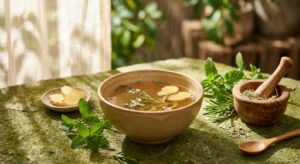
Long before sports drinks lined store shelves, herbalists across Africa, the Middle East, and the Americas were brewing deeply hydrating plant infusions to restore vitality after exertion, illness, or heat exposure. Hibiscus flowers, known as zobo in West Africa and agua de jamaica across Latin America, were steeped in cool water and served at festivals and harvest gatherings as a communal restorative. Nettle, revered in European folk medicine for centuries, was gathered each spring as a mineral-rich tonic to rebuild strength after winter. Lemon verbena, native to South America and later beloved in French and Spanish herbal traditions, was prized for its ability to calm the mind while lifting the spirits, a combination that pairs beautifully with the demands of mental focus.
What makes this blend exceptional as a hydration tea is not just the water it carries but the compounds dissolved within it. Hibiscus is rich in organic acids and anthocyanins that support electrolyte balance and cardiovascular circulation. Nettle contributes meaningful amounts of magnesium, potassium, and iron, minerals essential for nerve signaling and sustained cognitive performance. Lemon verbena adds verbascoside and volatile citral compounds that reduce oxidative stress in the brain and ease the low-grade inflammation that so often underlies afternoon mental fatigue. Together, these three herbs create a synergistic infusion that does what plain water simply cannot.
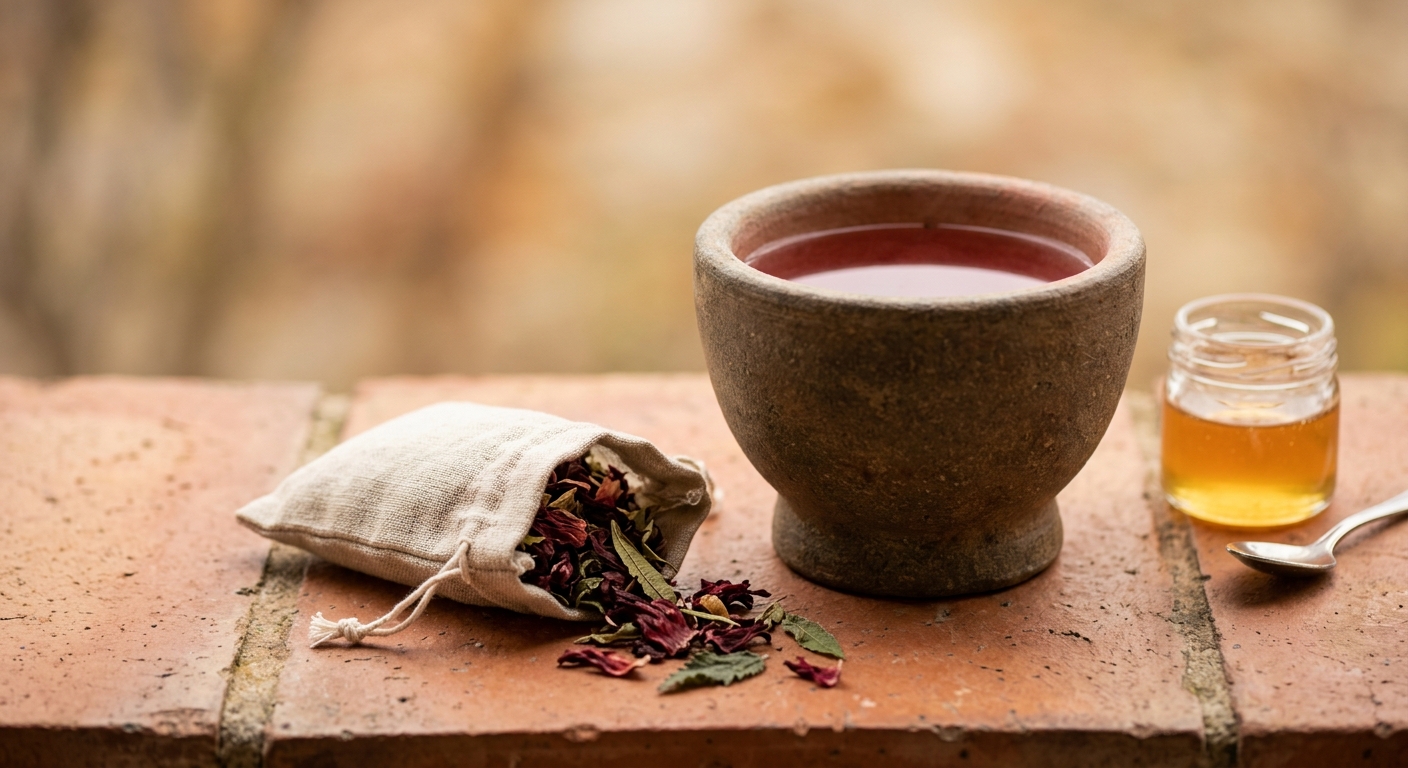
This is a tea designed for the person who reaches for a second coffee at two in the afternoon, for the athlete recovering between sessions, or for anyone who simply forgets to drink enough throughout a demanding day. It is tart, floral, and brightly aromatic, vivid ruby-red in the cup, and genuinely pleasant to sip without any sweetener at all. Whether brewed hot on a cool morning or cold-steeped into a pitcher for the week ahead, Hydration Herbal Tea is one of the most practical and pleasurable additions you can make to a daily wellness routine.
2
cups
Ingredients
- 2 tspdried hibiscus flowers (Hibiscus sabdariffa)
- 1 tspdried lemon verbena leaves
- 1 tspdried nettle leaf (Urtica dioica)
- 480 mlwater (85°C / 185°F for hot brew)
- —pinch of Colima Sea SaltMicroplastic Free Salt (optional, for electrolyte support)
- —raw honey or agave to taste (optional)
- —fresh lemon slice to garnish (optional)
How to Brew
Click on an item below to shop for the recommended items for this recipe on Amazon.
As an Amazon Associate, we earn from qualifying purchases.
- Heat 480 ml of filtered water to 85 to 90°C (185 to 194°F). If you do not have a temperature-controlled kettle, bring water to a boil and let it rest for 3 to 4 minutes before pouring.
- Combine the dried hibiscus flowers, lemon verbena leaves, and nettle leaf in a tea infuser, muslin bag, or directly into a teapot. The combination of fine nettle leaf and larger hibiscus calyx benefits from a roomy infuser that allows water to circulate freely.
- Pour the heated water over the herbs and cover the vessel immediately with a lid or small plate. Covering traps the volatile citral and linalool compounds from the lemon verbena that would otherwise escape as steam, preserving the bright lemony aroma in the cup.
- Steep for 7 to 10 minutes. At 7 minutes the tea is floral and lightly tart. By 10 minutes it deepens into a more robust, cranberry-like acidity with a stronger mineral note from the nettle.
- Remove the infuser or strain the herbs completely. If using the optional sea salt, stir in a small pinch now while the tea is still hot to help it dissolve evenly.
- Pour into warmed mugs and garnish with a fresh lemon slice if desired. Sweeten lightly with raw honey or agave only if needed, as this blend is naturally pleasant without added sugar.
- Measure out the full herb blend (2 tsp hibiscus, 1 tsp lemon verbena, 1 tsp nettle) and place it into a large glass jar or pitcher. Because cold water extracts more slowly, increase the herb quantity by 25 percent (roughly an extra half teaspoon of hibiscus) for a fuller-flavored result.
- Pour 480 ml of cold, filtered water directly over the herbs at room temperature. Do not use warm or hot water, as the goal of cold brew is a slow, low-temperature extraction that preserves delicate compounds and produces a clearer, less astringent liquid.
- Stir gently to ensure all the herbs are submerged. Cover the jar with a lid or stretch of plastic wrap and leave it at room temperature for 30 minutes to allow the initial extraction to begin, then transfer to the refrigerator.
- Refrigerate for a total of 8 to 12 hours. An overnight steep of 10 to 12 hours produces the best balance of hibiscus tartness, nettle minerals, and lemon verbena brightness. Do not steep beyond 14 hours, as the nettle can develop a slightly grassy, overpowering character.
- Strain through a fine mesh strainer into a clean pitcher or individual glasses filled with ice. Add a pinch of sea salt and a squeeze of fresh lemon if desired. This cold brew keeps refrigerated in a sealed jar for up to 3 days.
- Increase the herb quantities to 4 tsp hibiscus, 2 tsp lemon verbena, and 2 tsp nettle leaf. Place all the herbs into a small saucepan or a large teapot with an infuser.
- Heat 480 ml of filtered water to 85 to 90°C (185 to 194°F) and pour over the herbs. Because you are brewing a concentrate, the water-to-herb ratio is intentionally high. You are extracting into half the usual volume to produce a syrupy, intensely flavored liquid.
- Steep covered for 15 to 20 minutes. The longer steep time at this concentration level is necessary to fully extract the anthocyanins from hibiscus and the mineral content from nettle without boiling, which would introduce bitterness.
- Strain the herbs thoroughly through a fine mesh strainer or cheesecloth, pressing the spent herbs gently to recover the last of the liquid. Discard the spent herbs.
- Allow the concentrate to cool to room temperature, then transfer to a sealed glass bottle or jar. Store in the refrigerator for up to 5 days.
- To serve, dilute 1 part concentrate with 2 to 3 parts liquid of your choice: still water, sparkling mineral water, or coconut water for added electrolytes. Pour over ice and add a pinch of sea salt and a squeeze of lime for a genuinely functional hydration drink.
Health Benefits
Nettle contributes potassium and magnesium that help cells retain and use water more effectively, while hibiscus organic acids support kidney filtration. Together they make the fluid you drink more bioavailable than plain water alone.
Verbascoside from lemon verbena and the anthocyanins from hibiscus both reduce neuroinflammation and oxidative stress, two primary drivers of the mental fatigue and difficulty concentrating that often peak in the mid-afternoon hours.
Multiple clinical trials, including a study published in the Journal of Nutrition, have found that regular hibiscus tea consumption significantly reduces both systolic and diastolic blood pressure in adults with mild hypertension, improving blood flow to the brain and muscles.
The combination of hibiscus anthocyanins, lemon verbena verbascoside, and nettle flavonoids creates a broad-spectrum antioxidant blend that protects cells from free radical damage, reduces systemic inflammation, and supports immune resilience over time.
Physical exertion and prolonged mental stress both deplete magnesium, potassium, and iron. Nettle leaf provides all three in meaningful amounts, making this blend particularly valuable for athletes, active individuals, and those in high-demand professional environments.
🧪 Key Bioactive Compounds
The Science Behind Hibiscus
The hydrating power of this blend goes well beyond the water used to brew it. Hibiscus flowers (Hibiscus sabdariffa) contain some of the highest concentrations of anthocyanins found in any common food plant, with delphinidin-3-sambubioside as the dominant pigment responsible for the tea’s vivid red color. These anthocyanins have been shown in multiple randomized controlled trials to reduce systolic blood pressure by an average of 7 to 10 mmHg, a clinically meaningful reduction comparable to low-dose pharmaceutical interventions. The mechanism appears to involve the inhibition of angiotensin-converting enzyme (ACE) and an improvement in endothelial function, both of which directly improve blood flow to the brain and peripheral muscles, making oxygenation and nutrient delivery more efficient throughout the body.
Lemon verbena (Aloysia citrodora) contributes verbascoside, a phenylethanoid glycoside that has attracted growing research interest for its neuroprotective properties. Studies published in journals including the Journal of Ethnopharmacology have demonstrated that verbascoside can cross the blood-brain barrier and reduce the activity of pro-inflammatory cytokines in neural tissue. This is significant because neuroinflammation is increasingly recognized as a key driver of cognitive fatigue, reduced working memory, and the kind of low-grade mental sluggishness that disrupts sustained focus. In parallel, the citral content of lemon verbena acts through the olfactory system and peripheral nervous system to promote a state of alert calm, heightening sensory clarity without the jittery overstimulation associated with caffeine.
Nettle leaf (Urtica dioica) is perhaps the most underappreciated of the three herbs in terms of its nutritional density. A standard serving of nettle tea provides bioavailable potassium, magnesium, calcium, and iron in concentrations that compare favorably to many leafy vegetables. Potassium and magnesium are both essential electrolytes for maintaining the electrochemical gradient across cell membranes, the fundamental mechanism by which neurons fire and muscles contract. Deficiency in either mineral, which is extremely common in adults eating a processed-food diet, is directly linked to fatigue, poor concentration, and impaired physical performance. By including nettle in this blend, the tea becomes not just hydrating in the conventional sense but genuinely mineralizing, replacing what stress, sweat, and poor diet continuously remove.
Brewing Tips
- Always use filtered water for this blend. The high mineral content of hard tap water can interact with hibiscus acids and produce a slightly metallic, flat flavor that diminishes the bright tartness the tea is known for.
- For the most vibrant color and the fullest flavor extraction, store your dried hibiscus flowers in an airtight jar away from direct light. Hibiscus that has faded from deep ruby to pale pink has lost a significant portion of its anthocyanin content and will produce a weaker, less functional brew.
- If you find the tartness of hibiscus too intense, reduce the steep time to 5 minutes rather than adding sweetener. The sourness of hibiscus compounds into a sharper acidity the longer it steeps, so time control is the most effective way to manage tartness without compromising the other herb flavors.