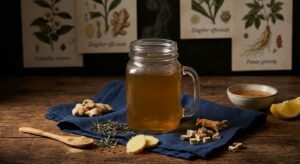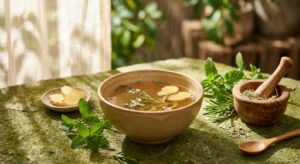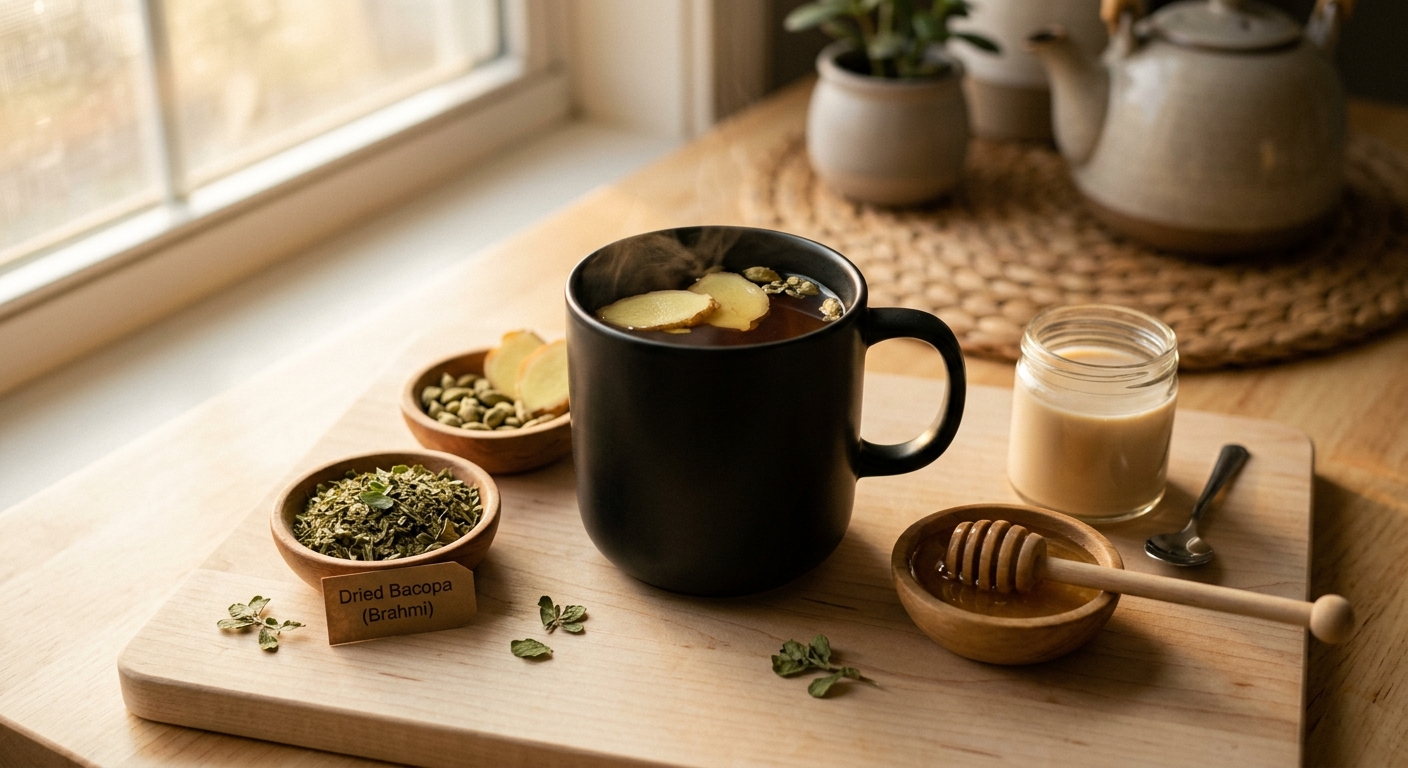
Long before modern neuroscience had words like ‘nootropic’ or ‘neuroplasticity,’ Ayurvedic scholars in ancient India were prescribing a small, creeping wetland herb called Bacopa monnieri to sharpen the minds of students and sages alike. Known in Sanskrit as Brahmi, meaning ‘that which gives knowledge of Brahman’ or the supreme consciousness, Bacopa held a place of profound reverence in traditional Indian medicine. It was administered to children to accelerate learning, given to scholars before rigorous study, and used by yogis seeking to deepen meditation and mental clarity. This is not a herb that arrived on the wellness scene with a trend; it earned its reputation across millennia.
What makes Bacopa so fascinating from both a traditional and scientific standpoint is its dual nature. Unlike stimulant herbs that push the nervous system into high gear, Bacopa works as an adaptogen and nervine tonic, gently calming anxious mental chatter while simultaneously enhancing the brain’s capacity to form and retain new information. Ayurvedic practitioners classified it as a Medhya Rasayana, a category of herbs specifically dedicated to rejuvenating the mind and intellect. It was often combined with ghee or warm milk to aid absorption, and its bitter, slightly astringent taste was considered a mark of its potency in classical rasa shastra, the Ayurvedic science of taste and its effects on the body.
As a tea, Bacopa offers a grounding, contemplative ritual perfectly suited to a study session, a creative work block, or any moment when you need your thoughts to feel less scattered and more intentional. The flavor is earthy and mildly bitter, with a green, almost aquatic undertone that reflects its origins in ponds and marshlands across South Asia and parts of Australia. Paired with warming spices like ginger or cardamom, it transforms into something genuinely enjoyable. Whether you brew it hot on a quiet morning or cold-steep it overnight for a smooth afternoon drink, Bacopa Focus Tea is a ritual that your brain will thank you for.
2
cups
Ingredients
- 2 tspdried bacopa monnieri herb (Brahmi)
- 480 mlwater (90°C / 194°F)
- 2 thin slicesfresh ginger root
- 2 podsgreen cardamom, lightly crushed
- —raw honey or coconut sugar to taste (optional)
- —splash of oat milk or warm almond milk (optional, aids absorption of bacosides)
How to Brew
Click on an item below to shop for the recommended items for this recipe on Amazon.
As an Amazon Associate, we earn from qualifying purchases.
- Heat filtered water to 90 to 95°C (194 to 203°F). Avoid a full rolling boil, as excessive heat can degrade some of the delicate saponins in bacopa. If you do not have a temperature-controlled kettle, bring water to a boil and let it rest for 60 to 90 seconds.
- Add 1 teaspoon of dried bacopa monnieri herb per cup into a tea infuser or mesh strainer placed inside your mug or teapot. Add 1 slice of fresh ginger and 1 lightly crushed cardamom pod per cup to balance the bitterness and add warming, aromatic depth.
- Pour the hot water over the herbs and cover the mug with a small plate or lid. Covering the tea is important as it traps the volatile aromatic compounds and keeps the brew at a consistent temperature throughout the steep.
- Steep for 7 to 10 minutes. For a milder flavor and more delicate cognitive lift, aim for 7 minutes. For a more robust, potent brew suited to deep focus sessions, steep the full 10 minutes.
- Remove the infuser and give the tea a gentle stir. If desired, add a small splash of warm oat milk or almond milk to mellow the bitterness and support the absorption of the fat-soluble bacosides. Sweeten lightly with raw honey or coconut sugar if needed. Drink mindfully before or during a period of focused work or study.
- Measure 2.5 teaspoons of dried bacopa monnieri herb per 480 ml of cold, filtered water. Use a slightly higher ratio than hot brewing to compensate for the slower, cooler extraction. Add 3 to 4 thin slices of fresh ginger and 2 crushed cardamom pods to the jar.
- Combine the herbs and cold filtered water in a clean glass jar. Stir gently to ensure the herbs are fully submerged and saturated. Do not add sweeteners or milk at this stage.
- Loosely cover the jar with a lid or a square of cheesecloth secured with a rubber band. Allow the jar to sit at room temperature for the first 2 hours, then transfer to the refrigerator and steep for a further 8 to 12 hours, ideally overnight.
- When ready, strain the cold brew through a fine mesh strainer lined with cheesecloth or a nut milk bag into a clean pitcher or bottle. Press or squeeze the spent herbs gently to extract the remaining liquid.
- Serve over ice in tall glasses. Add a small pour of cold oat milk or coconut milk for creaminess and improved bacoside absorption. Sweeten with a simple syrup made from raw honey if desired. The cold brew keeps refrigerated in a sealed bottle for up to 48 hours.
- Combine 3 teaspoons of dried bacopa monnieri, 4 thin slices of fresh ginger, 3 lightly crushed cardamom pods, and 1 small cinnamon stick in a small saucepan. Add 600 ml of cold filtered water. Starting with cold water allows for a more gradual and thorough extraction of the herb’s constituents as the temperature rises.
- Place the saucepan over medium heat and bring the mixture slowly to a gentle boil, stirring occasionally. Once you see the first bubbles, reduce the heat to maintain a low, active simmer with small bubbles breaking the surface. Do not allow it to boil vigorously, as this can destroy heat-sensitive compounds.
- Simmer uncovered for 15 to 20 minutes, allowing the liquid to reduce by roughly one quarter. This concentration process is central to the traditional Kashaya method and intensifies the therapeutic compounds in the brew. The color will deepen to a warm golden-amber.
- Remove from heat and allow the decoction to rest for 3 to 5 minutes. Strain through a fine mesh strainer into a heatproof cup or small teapot, pressing the herbs firmly to extract all remaining liquid.
- Add a small splash of warm whole milk, oat milk, or a few drops of coconut oil to the finished decoction. The fat content is particularly important in this concentrated preparation as it significantly enhances the bioavailability of the fat-soluble bacosides. Sweeten with raw honey stirred in after the brew has cooled slightly below 60°C (140°F) to preserve the honey’s beneficial enzymes. Sip slowly and deliberately, ideally in the morning before study or focused creative work.
Health Benefits
Multiple randomized controlled trials have found that consistent supplementation with Bacopa monnieri extract significantly improves delayed word recall, spatial memory, and working memory in healthy adults. The primary mechanism involves the bacosides increasing the efficiency of nerve impulse transmission and promoting the repair of synaptic connections in the hippocampus, the brain’s primary memory center.
Bacopa functions as an adaptogen, meaning it helps modulate the body’s physiological response to stress. Studies show it reduces levels of cortisol and inhibits the enzymes responsible for breaking down serotonin and dopamine, resulting in a calmer, more stable mental state that supports sustained focus without the anxious edge associated with stimulant-based focus aids.
Research published in journals including Phytomedicine and Neuropsychopharmacology has found that Bacopa supplementation improves sustained attention, cognitive processing speed, and the ability to switch between tasks. These effects are thought to arise from enhanced cholinergic neurotransmission and improved cerebral blood flow in prefrontal regions associated with executive function.
The bacosides and flavonoids in Bacopa monnieri have demonstrated significant free-radical scavenging activity in neural tissue, protecting neurons from oxidative damage caused by chronic stress, environmental toxins, and normal metabolic processes. This neuroprotective quality is one reason Ayurvedic practitioners historically used Bacopa not just for acute mental performance but as a long-term tonic for preserving cognitive function with aging.
Unlike caffeine-based focus supplements, Bacopa does not stimulate the adrenal system or increase heart rate. Instead, it promotes a state of relaxed alertness by supporting balanced dopaminergic and serotonergic activity. This makes Bacopa tea an excellent choice for those who are sensitive to caffeine or who need sustained mental clarity without the crash that follows stimulant use.
🧪 Key Bioactive Compounds
The Science Behind Bacopa Monnieri
The cognitive benefits of Bacopa monnieri are rooted in a family of bioactive compounds called bacosides, primarily Bacoside A and Bacoside B, which are triterpenoid saponins unique to this plant. These compounds have been extensively studied for their effects on neuronal communication and synaptic plasticity. Research has shown that bacosides facilitate the repair of damaged neurons by enhancing the activity of protein kinases involved in neural cell signaling, particularly in the hippocampus and prefrontal cortex, the brain regions most closely associated with memory formation, learning, and executive decision-making. A landmark double-blind, placebo-controlled study published in Neuropsychopharmacology found that adults taking standardized Bacopa extract for 12 weeks showed significant improvements in delayed word recall and memory consolidation compared to placebo groups, with the most notable effects appearing after 8 to 12 weeks of consistent use.
Beyond memory, Bacopa exerts notable effects on the brain’s monoamine neurotransmitter systems. It inhibits the enzymes acetylcholinesterase, which breaks down acetylcholine, and monoamine oxidase, which degrades serotonin and dopamine. By slowing the degradation of these neurotransmitters, Bacopa effectively prolongs their activity in synaptic gaps, resulting in improved cholinergic neurotransmission that supports attention and learning, alongside more stable serotonergic and dopaminergic tone that reduces anxiety and emotional reactivity. This dual action is why Bacopa is described as producing ‘relaxed focus’ rather than the wired alertness associated with stimulant nootropics. Clinical trials have also documented reductions in cortisol levels and self-reported anxiety scores in adults taking Bacopa regularly, consistent with its classification as an adaptogenic herb.
The neuroprotective dimension of Bacopa’s pharmacology is equally compelling. The bacopasaponins and flavonoids present in the herb, including luteolin and apigenin, demonstrate significant antioxidant activity in neural tissue, scavenging reactive oxygen species that accumulate during periods of cognitive stress, aging, and environmental toxin exposure. Studies on animal models have shown that Bacopa extract can reduce amyloid plaque formation and lipid peroxidation in brain tissue, pointing to potential long-term applications in cognitive resilience and neurodegenerative disease prevention. While human clinical trials specifically targeting neurodegenerative conditions are still in early stages, the mechanistic evidence is consistent with Ayurveda’s 3,000-year-old characterization of Bacopa as the premier herb for sustaining a clear, powerful, and enduring mind.
Brewing Tips
- Bacopa’s cognitive benefits are cumulative and build over time. Most clinical research shows meaningful improvements after 8 to 12 weeks of consistent daily use, so think of your Bacopa tea ritual as a long-term investment rather than an immediate fix.
- Always consume Bacopa tea with food or with a small splash of milk or a fat-containing ingredient. Bacosides are fat-soluble compounds and their bioavailability is meaningfully enhanced in the presence of dietary fat.
- Source your dried bacopa from a reputable supplier that provides third-party testing or a Certificate of Analysis. Quality varies significantly between suppliers, and adulteration with other Brahmi species such as Centella asiatica (which is also called Brahmi in some regions of India) is not uncommon.
- For the most flavorful cup, combine bacopa with tulsi, ginger, or licorice root to temper its natural bitterness and add aromatic complexity.
- If you find the bitterness of bacopa tea challenging at first, start with a shorter steep time of around 5 minutes and a lower herb-to-water ratio, then gradually increase both as your palate adjusts over the first two weeks.