Long before banana peel tea appeared in wellness circles, traditional communities across Southeast Asia, South America, and parts of Africa recognized the banana plant as more than just a source of fruit. The peel, often dismissed in Western kitchens as waste, contains a concentrated array of nutrients and plant compounds that the whole fruit only partially delivers. Folk healers in these regions used various parts of the banana plant to address digestive complaints, skin irritations, and nervous tension, with the peel brewed into simple drinks as a calming nighttime ritual.
The modern rediscovery of banana peel tea owes much to the growing interest in food-as-medicine and zero-waste cooking. When you steep a banana peel in hot water, you draw out its rich reserves of magnesium and potassium, two minerals that play a direct role in muscle relaxation and nervous system regulation. The peel also contains L-tryptophan, the same amino acid found in turkey that famously invites drowsiness, which the body converts into serotonin and then melatonin, the hormone that governs your sleep-wake cycle.
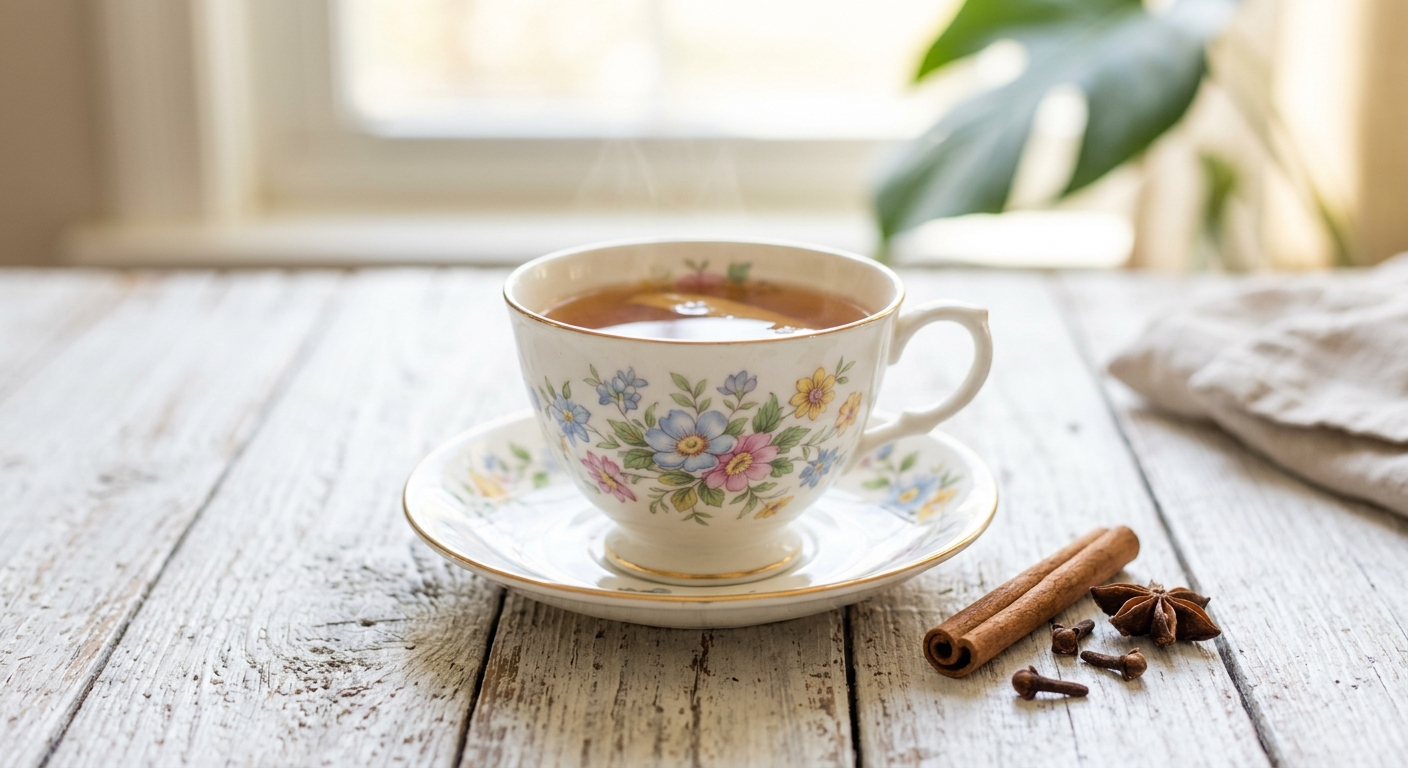
What makes banana peel tea particularly appealing is its accessibility and gentleness. It requires no specialist ingredients, no dried herbs from a health food store, and no elaborate preparation. A single organic banana peel, a pot of water, and ten minutes are all you need. The resulting brew is surprisingly pleasant: mildly sweet, faintly earthy, with a warm, starchy depth that feels genuinely comforting. Adding a small pinch of cinnamon or a drizzle of honey transforms it into something that rivals any commercial sleep tea on the market.
2
cups
Ingredients
- 1 wholeorganic banana peel (from a ripe banana, ends trimmed)
- 480 mlwater
- 1 smallcinnamon stick (optional)
- —raw honey or maple syrup to taste (optional)
- —pinch of nutmeg for serving (optional)
How to Brew
Click on an item below to shop for the recommended items for this recipe on Amazon.
As an Amazon Associate, we earn from qualifying purchases.
- Wash the banana peel thoroughly under cold running water, scrubbing gently with a vegetable brush to remove any surface residue or wax. Trim and discard both ends of the peel.
- Place the whole peel in a small saucepan along with 480 ml of fresh cold water. Add a cinnamon stick now if using, allowing it to infuse throughout the entire simmer.
- Bring the water to a full boil over medium-high heat, then immediately reduce the heat to a gentle simmer. Allow the peel to simmer uncovered for 10 to 15 minutes. The water will turn a warm golden amber and the peel will soften and darken slightly.
- Remove the saucepan from the heat. Use a slotted spoon or tongs to lift out the peel and cinnamon stick, then pour the tea through a fine mesh strainer into two warmed mugs.
- Sweeten with raw honey or maple syrup if desired, and finish with a small pinch of nutmeg over the top. Serve immediately and drink 30 to 60 minutes before bed.
- Wash the banana peel thoroughly under cold running water and trim the ends. Slice the peel into four or five smaller segments to increase the surface area exposed to the water during the long cold steep.
- Place the peel segments into a clean glass jar or pitcher and pour over 480 ml of fresh filtered cold water at room temperature. Stir gently to ensure the pieces are fully submerged.
- Leave the jar uncovered at room temperature for one hour to begin the extraction process, then seal with a lid and transfer to the refrigerator.
- Allow the peel to cold brew in the refrigerator for 8 to 12 hours, or overnight. The water will develop a soft golden hue and a gentle natural sweetness without any bitterness.
- Strain the liquid through a fine mesh strainer into glasses filled with ice. Add a squeeze of lemon or a few drops of vanilla extract to brighten the flavor. Sweeten lightly if desired and serve chilled.
- Wash the banana peel well and trim the ends. Score the inner white surface of the peel lightly with a knife in a crosshatch pattern. This opens up more of the fibrous tissue and allows deeper extraction during the extended boil.
- Combine the scored peel in a saucepan with 600 ml of cold water. Add a cinnamon stick, three or four cardamom pods lightly crushed, and a thin slice of fresh ginger for a warming spiced profile.
- Bring the mixture to a full rolling boil over medium-high heat and maintain the boil, uncovered, for 20 to 25 minutes. As water evaporates, you will be left with approximately 400 to 480 ml of a richer, more concentrated amber liquid.
- Remove from heat and allow to rest for two minutes. Strain the decoction through a fine mesh strainer lined with a piece of cheesecloth if available, pressing the softened peel gently against the strainer to release any remaining liquid.
- Pour into mugs and stir in honey or a small amount of coconut sugar to balance the depth of flavor. A splash of warm oat milk or full-fat coconut milk blended in will create a soothing, latte-style sleep tonic.
Health Benefits
The combination of L-tryptophan, serotonin, and magnesium in banana peel works synergistically to raise melatonin levels and calm the nervous system. Several small studies and nutritional analyses confirm that banana peel contains measurable amounts of these compounds at concentrations higher than those found in the fruit flesh alone.
Magnesium and potassium are both well-documented electrolytes that regulate muscle contraction and relaxation. Drinking banana peel tea in the evening may help reduce the frequency of nocturnal leg cramps and general muscular tightness associated with stress or physical activity.
Tryptophan is converted first to 5-HTP and then to serotonin, a neurotransmitter closely associated with mood stability and reduced anxiety. Elevating serotonin levels in the evening supports a more relaxed mental state and creates the biochemical conditions needed for melatonin production.
Banana peels are rich in polyphenols, carotenoids, and flavonoids including lutein and catechins. These compounds help neutralize free radicals and reduce systemic inflammation, contributing to healthier cellular repair during overnight rest.
Research published in food science journals has identified bioactive compounds in unripe and ripe banana peels that exhibit mild hypoglycemic properties. Keeping blood sugar stable through the night can prevent the cortisol spikes that cause early waking and broken sleep.
🧪 Key Bioactive Compounds
The Science Behind Banana Peel
The sleep-supporting reputation of banana peel tea is grounded in real nutritional biochemistry rather than wellness folklore alone. The peel of a ripe banana contains L-tryptophan, an essential amino acid that the human body cannot synthesize on its own and must obtain from dietary sources. Once absorbed, tryptophan crosses the blood-brain barrier and is converted by enzymes into 5-hydroxytryptophan (5-HTP) and then into serotonin, the neurotransmitter most closely associated with emotional stability and wellbeing. In the pineal gland, serotonin is further metabolized into melatonin in response to darkness, which is precisely why consuming tryptophan-rich foods or teas in the evening can meaningfully support sleep onset and quality.
Magnesium is perhaps the most clinically significant compound extracted into banana peel tea. This mineral acts as a natural calcium channel blocker, quieting neural excitability and facilitating the transition from wakefulness to sleep. Research published in the Journal of Research in Medical Sciences found that magnesium supplementation significantly improved sleep efficiency, sleep time, and early morning awakening in elderly subjects with insomnia. Magnesium also suppresses the hypothalamic-pituitary-adrenal (HPA) axis, reducing the release of cortisol, the primary stress hormone that interferes with melatonin production. Potassium complements magnesium by maintaining the electrochemical gradients needed for healthy neuromuscular function, helping to prevent the involuntary muscle contractions that wake many people during the night.
Beyond its sleep-specific compounds, banana peel is a significant source of polyphenolic antioxidants, including catechins, anthocyanins, and carotenoids such as lutein and beta-carotene. A 2011 study in the journal Food Chemistry identified banana peels as having substantially higher antioxidant activity than the banana pulp itself, suggesting that the peel is actually the more nutritionally dense portion of the fruit. These antioxidants reduce systemic oxidative stress, which is increasingly recognized as a contributor to poor sleep architecture. The presence of endogenous serotonin and dopamine in the peel, documented in multiple food science analyses, adds another biochemical dimension: these neurotransmitters in dietary form may not cross the blood-brain barrier in large amounts, but they contribute to gut-brain axis signaling through enteric serotonin receptors, which are known to influence mood and relaxation via the vagus nerve.
Brewing Tips
- Always choose organic bananas when making this tea. Conventionally grown banana peels may carry pesticide residues that concentrate during simmering, and no amount of washing will fully remove systemic treatments.
- The riper the banana, the sweeter and more mineral-rich the peel. A peel that is fully yellow with brown speckles will yield a more flavorful, nutrient-dense brew than one from a green or underripe fruit.
- Do not discard the simmered peel after brewing. The softened banana peel can be blended into a smoothie, added to overnight oats, or composted. This honors the zero-waste spirit of the tea and makes the most of the whole ingredient.