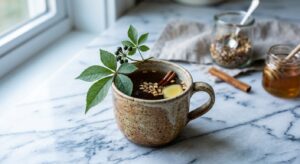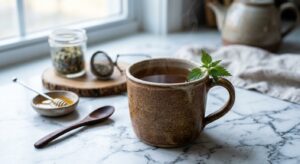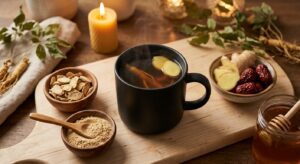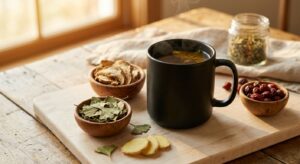
Deep in the Amazon rainforest, the Guaraní people of Brazil and Paraguay discovered something remarkable long before the modern world began its obsession with energy drinks. The seeds of Paullinia cupana, a woody climbing vine with brilliant red fruit, contained a potent stimulant unlike anything else in the plant kingdom. Ground into a paste, mixed with water, and consumed before long hunts or ceremonies, guarana was considered a sacred gift of endurance and mental clarity. Jesuit missionaries documented its use as early as the 17th century, noting that Guaraní warriors could travel for days on little food when fortified with this seed paste.
What sets guarana apart from every other caffeinated plant is the sheer concentration of its active compounds and the unique way they are delivered to the body. A single guarana seed contains roughly two to three times the caffeine of a coffee bean by dry weight, yet because the caffeine is bound tightly to tannins and other compounds within the seed’s dense matrix, it is released gradually over several hours. This creates the sustained focus and steady energy that guarana drinkers describe as a calm alertness rather than a wired buzz. Traditional Amazonian preparation involved sun-drying, roasting, and grinding the seeds into a fine powder, a practice still honored by many herbalists today.
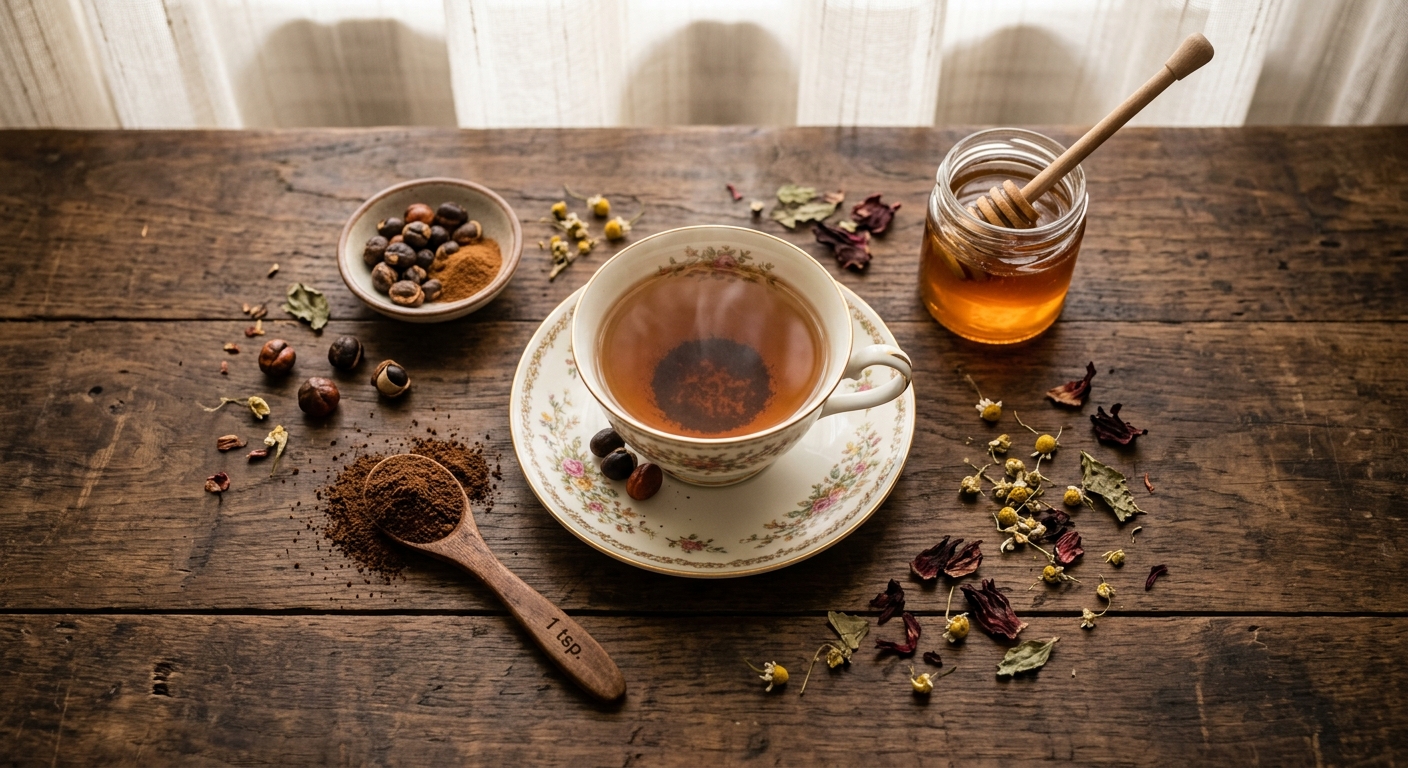
Beyond its caffeine content, guarana is a genuinely complex botanical with a rich sensory character. The brewed tea carries a slightly bitter, roasted, nutty depth with a faint astringency from its tannin content. It is earthy in a way that feels grounding rather than harsh, and many drinkers find it pairs beautifully with a touch of raw honey or cinnamon. Whether you are an athlete preparing for a long training session, a student facing an extended study block, or simply someone looking for a cleaner, more sustained alternative to coffee, guarana tea has earned its reputation as one of the Amazon’s most extraordinary botanical exports.
2
cups
Ingredients
- 1 tspguarana seed powder (or 2 tsp coarsely ground guarana seeds)
- 240 mlwater (85°C / 185°F)
- —raw honey or agave syrup to taste (optional)
- —pinch of cinnamon (optional)
How to Brew
Click on an item below to shop for the recommended items for this recipe on Amazon.
As an Amazon Associate, we earn from qualifying purchases.
- Heat filtered water to approximately 85°C (185°F). If you do not have a temperature-controlled kettle, bring water to a full boil and allow it to rest for 2 to 3 minutes before using.
- Add 1 teaspoon of guarana seed powder per 240 ml of water directly into a fine-mesh infuser, tea strainer, or a French press. If using coarsely ground seeds, use 2 teaspoons to ensure adequate extraction.
- Pour the hot water over the guarana powder slowly and evenly. For powder-based brewing, stir gently with a spoon to ensure the powder is fully saturated and not clumping on the surface.
- Steep for 5 to 8 minutes, adjusting to taste. A 5-minute steep produces a milder, less astringent cup, while 8 minutes delivers a bolder, more intensely caffeinated brew.
- Strain thoroughly through a fine-mesh sieve or paper filter to remove all sediment. Guarana powder is very fine and will settle at the bottom if not properly filtered.
- Sweeten with raw honey or a pinch of cinnamon to balance the natural bitterness, and drink within 20 minutes while the aromatic compounds are at their peak.
- Measure 2 teaspoons of guarana seed powder per 480 ml of cold filtered water. Cold brew uses a higher herb-to-water ratio than hot brew to compensate for slower extraction at low temperatures.
- Combine the guarana powder and cold water in a clean glass jar. Stir vigorously for 30 seconds to fully disperse the powder and ensure even saturation throughout the water.
- Seal the jar with a lid and allow it to steep at room temperature for the first 30 minutes to initiate extraction, then transfer to the refrigerator.
- Refrigerate for 10 to 14 hours (overnight works well). The slower, colder extraction pulls caffeine and beneficial compounds while leaving behind much of the harsh tannin bitterness associated with hot brewing.
- When ready, strain the cold brew through a fine-mesh sieve lined with a paper coffee filter to remove all fine powder. This step requires patience as the fine particles can clog the filter, so allow gravity to do the work.
- Serve over ice, dilute with cold water if the flavor is too intense, and sweeten lightly with agave syrup if desired. The cold brew can be stored in a sealed jar in the refrigerator for up to 48 hours.
- Heat 240 ml of filtered water to 85°C (185°F). This smaller volume of water combined with a higher herb ratio will produce a deeply concentrated brew rather than a ready-to-drink tea.
- Add 3 teaspoons of guarana seed powder to a small saucepan or French press. Using a saucepan allows you to gently stir the concentrate throughout steeping to maximize extraction.
- Pour the hot water over the guarana powder and stir immediately to prevent clumping. If using a saucepan, keep the heat on its lowest setting just to maintain temperature without simmering.
- Steep for 10 to 15 minutes, stirring every few minutes. Watch carefully: do not allow the liquid to boil at any point, as this will cause excessive tannin release and produce an unpleasantly bitter concentrate.
- Remove from heat and allow to cool for 5 minutes before straining through a fine-mesh sieve lined with a paper coffee filter directly into a small glass jar or bottle.
- To serve, add 2 to 3 tablespoons of the concentrate to 200 ml of hot water, cold water, or warm oat milk. Adjust the dilution ratio based on your desired caffeine intensity, and store remaining concentrate in the refrigerator.
Health Benefits
Because guarana’s caffeine is bound within a dense matrix of tannins and fiber, it is absorbed more slowly than the caffeine in coffee or energy drinks. Clinical pharmacokinetic studies confirm a prolonged plasma caffeine curve with guarana, meaning energy levels rise gradually and taper off gently rather than spiking and crashing.
Multiple randomized controlled trials have demonstrated that guarana supplementation significantly improves memory, attention, and reaction speed at doses as low as 75 mg of guarana extract. Researchers attribute this not only to caffeine but to the synergistic interaction between caffeine, catechins, and saponins unique to the whole plant.
Guarana seeds are among the most antioxidant-dense botanical materials studied, with catechins and proanthocyanidins showing strong free radical scavenging activity in vitro. Regular consumption has been associated with reduced markers of oxidative stress in human observational studies conducted in Brazil.
Caffeine and theobromine together promote lipolysis (the breakdown of stored fat for energy) and spare muscle glycogen during aerobic exercise. Athletes who consume guarana before training report improved endurance capacity and reduced perceived exertion, supported by sports nutrition research on caffeine-containing botanicals.
Traditional Amazonian uses of guarana included treating diarrhea and gastrointestinal infections, a practice supported by research showing that guarana’s tannins and saponins inhibit the growth of pathogenic bacteria including E. coli and Streptococcus mutans in vitro.
🧪 Key Bioactive Compounds
The Science Behind Guarana
Guarana’s reputation as the Amazon’s premier energy botanical rests on a pharmacological profile that is genuinely more complex than simple caffeine delivery. The seeds of Paullinia cupana contain caffeine at concentrations of 2 to 4.5 percent by dry weight, compared to 1 to 2 percent in coffee beans, but it is the structural context of that caffeine that makes guarana distinctive. Within the seed, caffeine molecules form non-covalent complexes with proanthocyanidins and other condensed tannins, creating what researchers describe as a slow-release matrix. When ingested, these complexes must be metabolized before caffeine is freed for absorption, extending the pharmacokinetic curve and flattening the sharp plasma spike associated with coffee consumption. Studies measuring serum caffeine levels after guarana versus coffee administration consistently show that guarana produces a lower peak concentration reached more slowly, with sustained elevated levels persisting for a longer duration overall.
Beyond caffeine, guarana’s co-stimulants theobromine and theophylline add important dimensions to its energetic profile. Theobromine, present at approximately 0.02 to 0.04 percent in the seeds, acts as a mild vasodilator and gentle cardiac stimulant with a much longer half-life than caffeine. It contributes the smooth, sustained background energy that guarana drinkers describe as different from the sharper jolt of coffee. Theophylline, present in smaller quantities, relaxes airway smooth muscle and enhances respiratory efficiency, which may partly explain guarana’s historical use by Amazonian hunters and warriors during prolonged physical exertion. Together, these three methylxanthines create a multi-layered stimulant effect that no single compound could produce alone.
Perhaps equally compelling is the emerging research on guarana’s cognitive effects that cannot be fully explained by caffeine alone. A series of clinical trials led by researchers at Northumbria University found that whole guarana extract at 75 mg improved secondary memory performance and increased speed of attention processing significantly more than an equivalent dose of isolated caffeine, suggesting that the catechins, saponins, or unidentified phytochemicals within guarana act synergistically with caffeine on neurological pathways. Catechins in guarana have been shown to inhibit acetylcholinesterase, the enzyme that breaks down acetylcholine in the brain, potentially enhancing cholinergic neurotransmission and supporting memory consolidation. This acetylcholinesterase inhibition mechanism, also seen in green tea catechins, positions guarana as more than a simple stimulant and opens intriguing possibilities for its role in long-term cognitive health research.
Brewing Tips
- Start with half a teaspoon of guarana powder if you are new to this herb. Its caffeine content is substantially higher than tea or coffee, and it is far easier to gradually increase your dose over several sessions than to deal with caffeine-related anxiety or palpitations from an overly strong first cup.
- Grind whole guarana seeds fresh using a spice grinder just before brewing for the most aromatic and potent cup. Pre-ground powder begins losing volatile aromatic compounds within weeks of opening, even when stored correctly.
- Store guarana powder or seeds in an airtight glass container away from heat and light. Exposure to humidity can cause clumping and degrade the active compounds, so avoid keeping it near the stove or in a poorly sealed container.