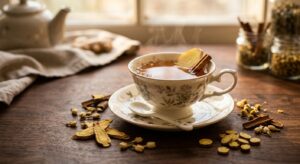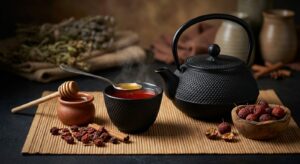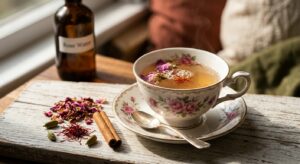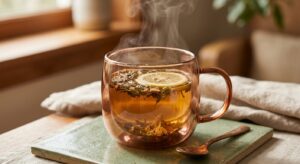
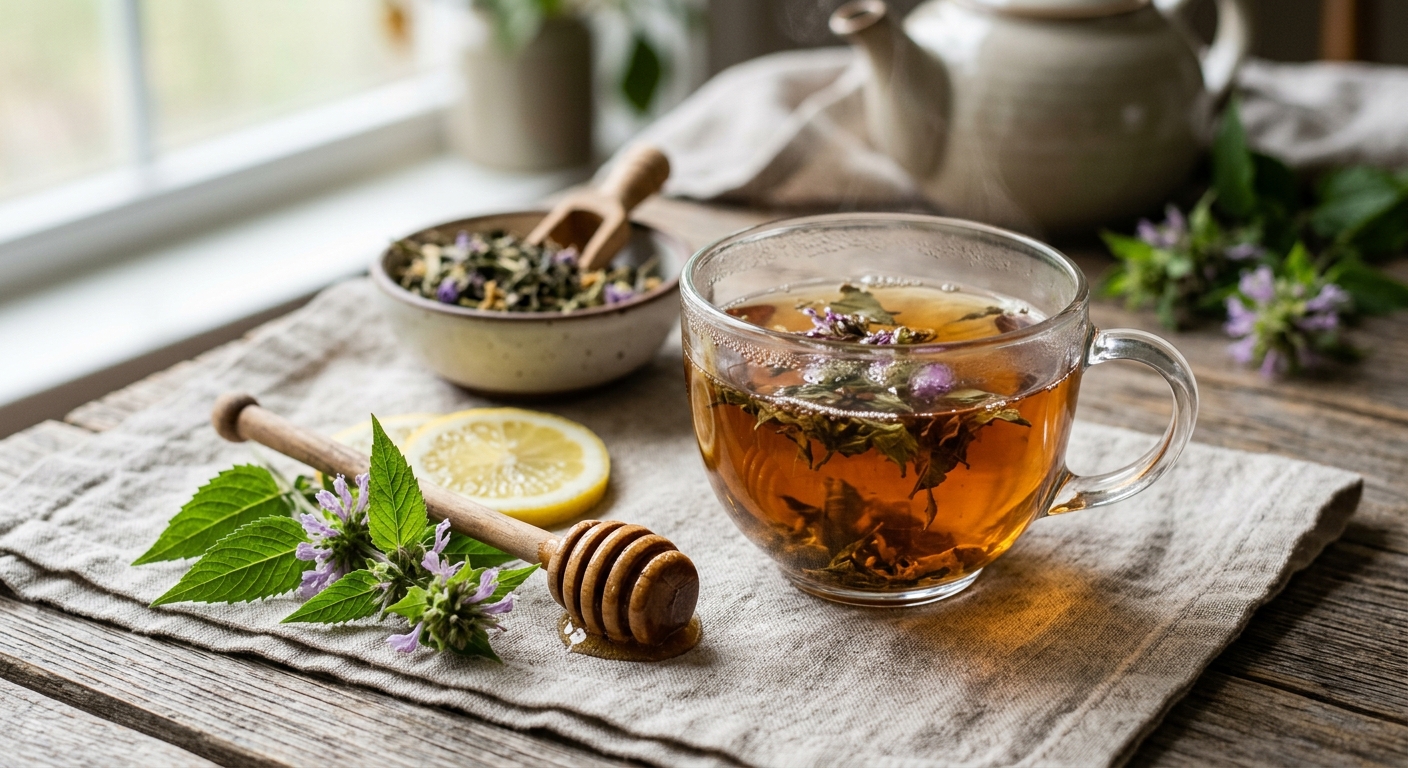
Bergamot has a story that spans two continents and two botanical identities. In Europe, the name refers to Citrus bergamia, a small, intensely aromatic citrus fruit grown primarily along the Calabrian coast of southern Italy. Its cold-pressed rind oil is the defining scent of Earl Grey tea, beloved worldwide since the 1800s. But in North America, bergamot is equally associated with Monarda fistulosa and Monarda didyma, wild flowering plants from the mint family that carry their own bright, oregano-like citrus fragrance and a deep history of use in Indigenous plant medicine. Both plants share that signature uplifting aroma, and both have earned a place in the herbal tea tradition.
For centuries, Oswego and Cherokee peoples used wild bergamot to brew medicinal teas for fevers, digestive complaints, and respiratory congestion. When European settlers arrived, they adopted the plant enthusiastically, and during the Boston Tea Party era it became one of several native herbs used as a substitute for taxed British tea. Meanwhile, in Italy and across the Mediterranean, bergamot citrus rind was steeped in hot water, blended into digestifs, and distilled into perfumes prized for their mood-lifting qualities. The two traditions converged around a shared experience: bergamot, in both its forms, makes people feel better.
What makes bergamot tea genuinely special for stress and anxiety is the combination of its aromatic compounds and its mild nervine action. Whether you are steeping dried Monarda leaves and flowers or using bergamot-scented loose leaf tea, the act of inhaling the steam alone has measurable effects on the nervous system. Modern research into linalool, one of bergamot’s key aromatic terpenes, confirms what herbalists have long observed: this plant quiets nervous agitation, softens tension, and restores a sense of calm without sedating you or dulling your focus.
2
cups
Ingredients
- 2 tspdried bergamot leaves and flowers (Monarda fistulosa or Monarda didyma)
- 480 mlwater (90°C / 194°F)
- —raw honey or agave to taste (optional)
- —thin slice of fresh lemon (optional)
How to Brew
Click on an item below to shop for the recommended items for this recipe on Amazon.
As an Amazon Associate, we earn from qualifying purchases.
- Heat filtered water to 90 to 95°C (194 to 203°F). If you do not have a temperature-controlled kettle, bring water to a full boil and let it rest off the heat for 2 to 3 minutes before using.
- Place 1 teaspoon of dried bergamot leaves and flowers per 240 ml of water into your tea infuser or a teapot lined with a strainer. The flowers carry a more intense floral note, so adjust the ratio to your preference.
- Pour the hot water slowly over the herbs, making sure all plant material is fully submerged. Cover your mug or teapot with a lid or small plate to trap the aromatic steam and prevent volatile compounds from escaping.
- Steep for 5 to 7 minutes. At 5 minutes the tea is bright and citrus-forward. At 7 minutes it deepens with a warmer, slightly spiced quality. Do not steep beyond 8 minutes as bitterness increases sharply.
- Remove the infuser or strain the tea, then add a thin slice of lemon and raw honey if desired. Breathe in the steam before your first sip for the full aromatic experience.
- Add 2 teaspoons of dried bergamot leaves and flowers per 480 ml of cold, filtered water to a glass jar or pitcher. Use a slightly higher herb ratio than hot brewing to compensate for the reduced extraction efficiency of cold water.
- Stir gently to ensure the herbs are fully saturated and not clumping on the surface. For a citrus boost, add 2 to 3 thin slices of fresh lemon or a small strip of lemon peel directly to the jar.
- Seal the jar with a lid and leave it at room temperature for 30 minutes to begin the initial aromatic infusion, then transfer to the refrigerator.
- Steep in the refrigerator for 8 to 12 hours, or overnight. Taste at 8 hours for a lighter, more delicate brew. Allow the full 12 hours for a more pronounced floral and citrus depth.
- Strain through a fine mesh strainer into a glass filled with ice. Sweeten with a light agave syrup if desired, as it dissolves more easily than granulated sugar in cold liquid. Serve immediately.
- Choose a clear glass jar with a tight-fitting lid to maximize sunlight exposure. Add 1.5 teaspoons of dried bergamot leaves and flowers per 240 ml of cold filtered water. For a 1-litre jar, use approximately 2 tablespoons of dried herb.
- Add a few sprigs of fresh lemon verbena or a thin strip of orange peel to complement bergamot’s citrus character, if available. Seal the jar securely.
- Place the jar in a sunny outdoor location or on a south-facing windowsill with direct sunlight between the hours of 10 AM and 2 PM, when solar intensity is highest.
- Steep for 3 to 4 hours, rotating the jar once halfway through to ensure even light exposure. The tea is ready when it reaches a warm golden amber color and the aroma is clearly fragrant when you briefly open the lid.
- Strain the tea through a fine mesh strainer into glasses over ice, or allow it to cool to room temperature first. Add honey and a slice of lemon to serve. Refrigerate any leftovers and consume within 24 hours for food safety.
Health Benefits
Bergamot’s linalool and linalyl acetate interact directly with the brain’s GABA system, the same pathway targeted by anti-anxiety medications, producing measurable reductions in anxiety and perceived stress. A 2015 clinical study found bergamot aromatherapy significantly reduced cortisol levels and heart rate in participants before surgery, and emerging evidence suggests ingested bergamot compounds may share similar mechanisms.
Limonene and other volatile compounds in bergamot have been shown to increase serotonin and dopamine activity in the brain’s emotional centers. Research published in the journal Phytotherapy Research found that bergamot essential oil inhalation produced measurable positive mood changes in healthy volunteers, supporting the traditional use of this herb as a botanical antidepressant.
Wild bergamot (Monarda) has a long history in Indigenous herbal medicine as a digestive remedy, and the thymol and carvacrol it contains confirm this use. These compounds reduce intestinal spasms, inhibit the growth of harmful gut bacteria, and ease bloating and nausea, making bergamot tea a useful after-meal drink.
Thymol, carvacrol, and several flavonoids in bergamot have demonstrated broad-spectrum antimicrobial activity against common pathogens including Staphylococcus aureus and Candida species. Historically, wild bergamot tea was used by Indigenous healers to treat throat infections and colds, a practice with solid biochemical grounding.
Studies on bergamot polyphenols, particularly in the context of Citrus bergamia extracts, have found benefits for healthy cholesterol balance and blood pressure regulation. The stress-reducing effects of bergamot tea may also indirectly support heart health by lowering cortisol-driven cardiovascular tension over time.
🧪 Key Bioactive Compounds
The Science Behind Bergamot
The calming reputation of bergamot is not simply a matter of pleasant fragrance. Its two most abundant volatile compounds, linalool and linalyl acetate, interact directly with the central nervous system in ways that have been confirmed in both animal models and human clinical trials. Linalool binds to GABA-A receptors, the same inhibitory receptors that benzodiazepine drugs target, reducing neuronal excitability and producing a state of relaxed alertness without sedation. Crucially, unlike pharmaceutical anxiolytics, linalool does not appear to cause dependency or tolerance with regular use at the concentrations found in herbal preparations.
Limonene, the bright citrus terpene prominent in bergamot, works through a different but complementary pathway. Research has shown that limonene increases the activity of serotonin and dopamine in the prefrontal cortex and hippocampus, two brain regions critically involved in mood regulation and emotional memory. This helps explain the traditional observation that bergamot tea lifts the spirits without overstimulating, making it effective for stress-related low mood and mild depressive episodes. Meanwhile, the flavonoid apigenin contributes a third anxiolytic mechanism by binding to benzodiazepine receptors, adding depth to the herb’s calming action.
In wild bergamot (Monarda species), the phenolic compounds thymol and carvacrol expand the herb’s pharmacological profile into antimicrobial and anti-inflammatory territory. Thymol disrupts the cell membranes of pathogenic bacteria and fungi, while carvacrol has demonstrated neuroprotective effects in early preclinical studies, inhibiting the production of pro-inflammatory cytokines in brain tissue. The gut-brain axis connection is also relevant here: by soothing intestinal spasms and reducing gut inflammation, these compounds may indirectly support mood and reduce the somatic sensations of anxiety that many people experience as digestive discomfort. Together, bergamot’s compounds create a multi-layered therapeutic action that makes it one of the more pharmacologically interesting herbs for the stress and anxiety category.
Brewing Tips
- Always cover your mug during steeping. Bergamot’s therapeutic aromatic compounds are highly volatile and will escape with the steam if the cup is left uncovered, reducing both the fragrance and the therapeutic value of your cup.
- For the most potent Monarda-based bergamot tea, source dried flowers and leaves that were harvested at peak bloom, when essential oil content is highest. Herb that is more than one year old will have lost a significant portion of its aromatic potency.
- If you are using Earl Grey tea as your bergamot source rather than pure Monarda herb, choose a loose-leaf variety with visible bergamot oil coating on the tea leaves rather than a pre-bagged version, as the oil concentration and therefore the therapeutic benefit is substantially higher.