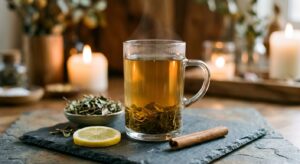
Long before alfalfa became synonymous with livestock feed and sprouted salads, ancient healers in Arabia, China, and India recognized this humble legume as a powerful tonic herb. The name itself comes from the Arabic al-fisfisa, meaning “father of all foods,” a title earned through the plant’s extraordinary ability to drive its roots up to 30 meters deep into the earth, drawing up a remarkable concentration of minerals and trace elements that most surface-growing plants simply cannot access. Traditional Ayurvedic practitioners prescribed alfalfa leaf preparations to restore vitality after illness, while early Chinese herbalists valued it for its cooling, alkalizing properties and its ability to support digestion.
What makes alfalfa tea genuinely special among herbal infusions is its nutritional density. The dried leaves contain measurable amounts of vitamins K, C, and several B vitamins, along with calcium, magnesium, phosphorus, iron, and zinc, all in bioavailable forms that the body can readily absorb. For those seeking a caffeine-free energy lift that comes from nourishment rather than stimulation, alfalfa tea offers a gentler, more sustainable alternative. It does not spike energy sharply and drop it; instead, it supports the underlying systems, including blood quality, digestion, and mineral balance, that make sustained focus and vitality possible.
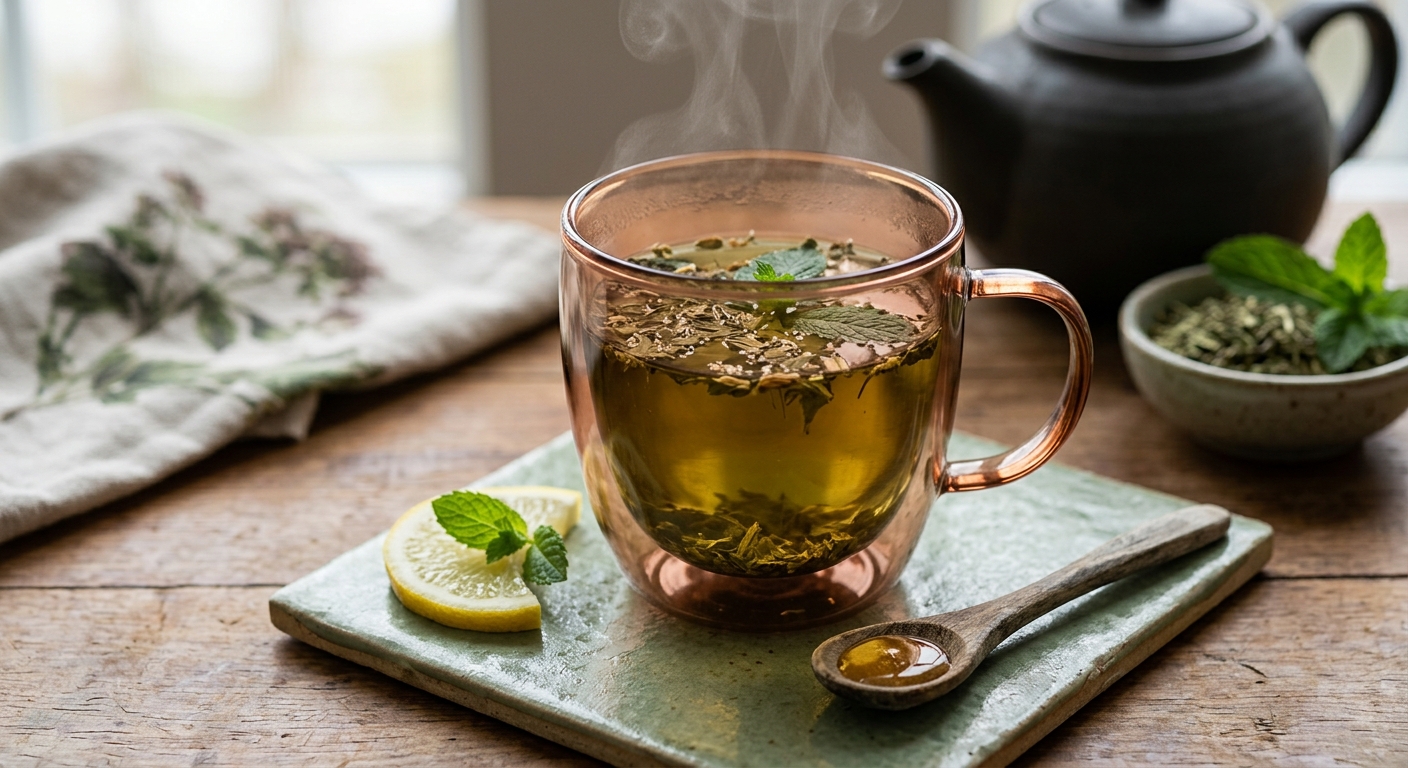
In the cup, alfalfa tea is mild, grassy, and subtly sweet, with a clean freshness reminiscent of a spring meadow. Its pale jade-green color is visually distinctive, and its gentle flavor makes it an excellent base for herbal blends. Paired with peppermint for clarity, lemon balm for calm focus, or nettle for extra mineral support, alfalfa tea becomes a highly versatile tonic that fits naturally into a daily wellness routine. Whether you are new to herbal teas or a seasoned plant-medicine enthusiast, alfalfa is a deeply rewarding herb to explore.
2
cups
Ingredients
- 2 tspdried alfalfa leaf (per cup)
- 240 mlwater per cup (85 to 90°C / 185 to 194°F)
- —raw honey or a slice of lemon to taste (optional)
- —fresh peppermint leaves (optional, for blending)
How to Brew
Click on an item below to shop for the recommended items for this recipe on Amazon.
As an Amazon Associate, we earn from qualifying purchases.
- Heat filtered water to 85 to 90°C (185 to 194°F). If you do not have a temperature-controlled kettle, bring water to a full boil and let it rest uncovered for 2 to 3 minutes before using.
- Add 2 heaped teaspoons of dried alfalfa leaf per cup (approximately 240 ml) into a tea infuser, mesh strainer, or teapot with a built-in filter. Alfalfa leaf is fine and fluffy, so a fine-mesh infuser is ideal to prevent small particles from escaping into your cup.
- Pour the heated water slowly over the alfalfa leaves and cover the cup or teapot immediately with a lid or small saucer. Covering the brew traps volatile aromatic compounds and helps maintain temperature throughout the steeping process.
- Steep for 5 minutes for a lighter, more delicate flavor or up to 10 minutes for a deeper, more mineral-rich infusion. Taste at the 5-minute mark and decide based on your preference.
- Remove the infuser or strain the tea carefully. Sweeten lightly with raw honey if desired, or add a squeeze of lemon to brighten the flavor and enhance iron absorption. Serve immediately while warm.
- Measure 3 teaspoons of dried alfalfa leaf per 240 ml of water (a slightly higher ratio than hot brew, as cold water extracts compounds more slowly). Place the leaves directly into a clean glass jar or pitcher.
- Pour cold, filtered water over the alfalfa leaves at room temperature. Do not use hot water. Stir gently with a long spoon to ensure all the leaf material is fully saturated.
- Seal the jar or cover the pitcher loosely with a lid or plastic wrap. Leave it at room temperature for 30 minutes to allow initial hydration, then transfer to the refrigerator.
- Steep in the refrigerator for a minimum of 8 hours and up to 12 hours. Overnight is ideal. The longer steep extracts a richer mineral profile without any bitterness.
- Strain the tea through a fine-mesh sieve or cheesecloth into a clean glass. Serve over ice, garnished with a sprig of fresh mint or a slice of cucumber. The cold brew keeps refrigerated for up to 48 hours, making it convenient for batch preparation.
- Add 3 teaspoons of dried alfalfa leaf per 240 ml of cold filtered water into a large, clean glass jar with a tight-fitting lid. For a batch serving four, use 12 teaspoons of alfalfa in roughly one liter of water.
- Seal the jar tightly and place it in a spot that receives 3 to 5 hours of direct sunlight, such as a sunny windowsill, a south-facing patio, or a garden table. The glass should feel warm but never hot to the touch.
- Allow the tea to steep for 3 to 5 hours, turning the jar gently once or twice to redistribute the leaves. Watch for the water to gradually shift from clear to a soft, glowing jade green, which signals that chlorophyll and minerals are actively infusing.
- Once the tea reaches your desired depth of color and flavor, bring the jar indoors and strain the liquid through a fine-mesh sieve into a clean pitcher. Taste for flavor, adjusting sweetness with honey or a splash of apple juice if desired.
- Refrigerate immediately after straining and serve chilled over ice within 24 hours. For a refreshing summer tonic, add fresh lemon slices and a few sprigs of spearmint before serving.
Health Benefits
Alfalfa’s dense mineral profile, including iron, magnesium, and B vitamins, directly supports cellular energy metabolism through the mitochondrial Krebs cycle. Unlike stimulants, this nourishment-based energy lift builds gradually and does not cause a subsequent crash.
The combination of iron, chlorophyll (which is structurally similar to hemoglobin), and vitamin C in alfalfa tea supports red blood cell production and enhances non-heme iron absorption. Traditional herbalists long used alfalfa as a tonic for anemia and post-illness recovery.
Alfalfa’s saponins and fiber content support healthy gut motility and may help reduce excess stomach acid. The herb’s naturally alkalizing ash content is valued in traditional herbalism for soothing an overly acidic digestive environment.
Exceptionally high levels of vitamin K1, calcium, and phosphorus make alfalfa tea a meaningful dietary contributor to bone mineralization and connective tissue integrity. Studies suggest adequate vitamin K1 intake correlates with reduced fracture risk in aging populations.
Alfalfa leaves contain a spectrum of antioxidants including beta-carotene, vitamin C, and flavonoids that help neutralize free radicals. This cumulative antioxidant action supports cognitive clarity and may reduce the inflammatory load associated with mental fatigue.
🧪 Key Bioactive Compounds
The Science Behind Alfalfa
Alfalfa’s reputation as an energy-supporting tonic is grounded in its unusual mineral density. Because the plant’s roots penetrate extraordinarily deep into subsoil layers, it accumulates calcium, magnesium, phosphorus, potassium, iron, and zinc in concentrations rarely found in leafy herbs grown in surface soils. These minerals are not merely present in trace amounts; they appear in forms that are genuinely bioavailable in an aqueous infusion. Magnesium, for example, is a required cofactor in over 300 enzymatic reactions, including those that convert glucose into ATP, the cell’s primary energy currency. A consistent dietary shortfall of magnesium, common in modern diets, is closely associated with fatigue, poor concentration, and muscle weakness. Alfalfa tea offers a gentle, cumulative way to supplement these foundational minerals.
The chlorophyll content of alfalfa leaf has attracted growing scientific interest beyond its role as a plant pigment. Chlorophyll and its derivative chlorophyllin share a strikingly similar molecular architecture with heme, the iron-containing core of hemoglobin. Several studies have explored whether dietary chlorophyll can support hemoglobin synthesis or act as a functional analog in oxygen transport, though research in humans remains preliminary. What is better established is chlorophyll’s role as an antioxidant and its ability to bind to certain mutagens and carcinogens in the gut, potentially reducing their absorption. The alkalizing effect of chlorophyll-rich foods on urinary pH is also well-documented and may contribute to the herb’s traditional use as a digestive and systemic tonic.
Alfalfa’s isoflavones, particularly formononetin and biochanin A, are phytoestrogens that bind weakly to estrogen receptors in the body. At moderate dietary intakes, these compounds are thought to exert a gentle balancing effect on hormonal activity, occupying receptors without triggering the full estrogenic response of endogenous estradiol. This mechanism has been studied in the context of menopausal symptom management and bone density preservation, with several trials showing modest but meaningful reductions in hot flash frequency and improvements in bone mineral markers. However, the same receptor activity that makes these isoflavones potentially beneficial for some individuals makes them a consideration for those with hormone-sensitive conditions, underscoring the importance of informed, individualized use of this herb.
Brewing Tips
- Buy certified organic dried alfalfa leaf from a reputable herb supplier. Alfalfa is a heavily sprayed commercial crop, and conventional leaf material may carry pesticide residues that undermine any health benefit.
- Store dried alfalfa in an airtight glass jar away from direct light and heat. The chlorophyll degrades quickly with light exposure, causing both color loss and reduced antioxidant activity. Properly stored leaf retains its pale green color and fresh meadow aroma for up to 12 months.
- If alfalfa’s grassy flavor feels too mild or one-dimensional on its own, try adding a small strip of lemon zest or a few leaves of lemon verbena to the infuser before pouring water. The citrus lift elevates the flavor profile significantly and makes the tea feel more vibrant and energizing.