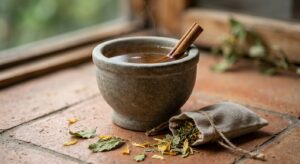
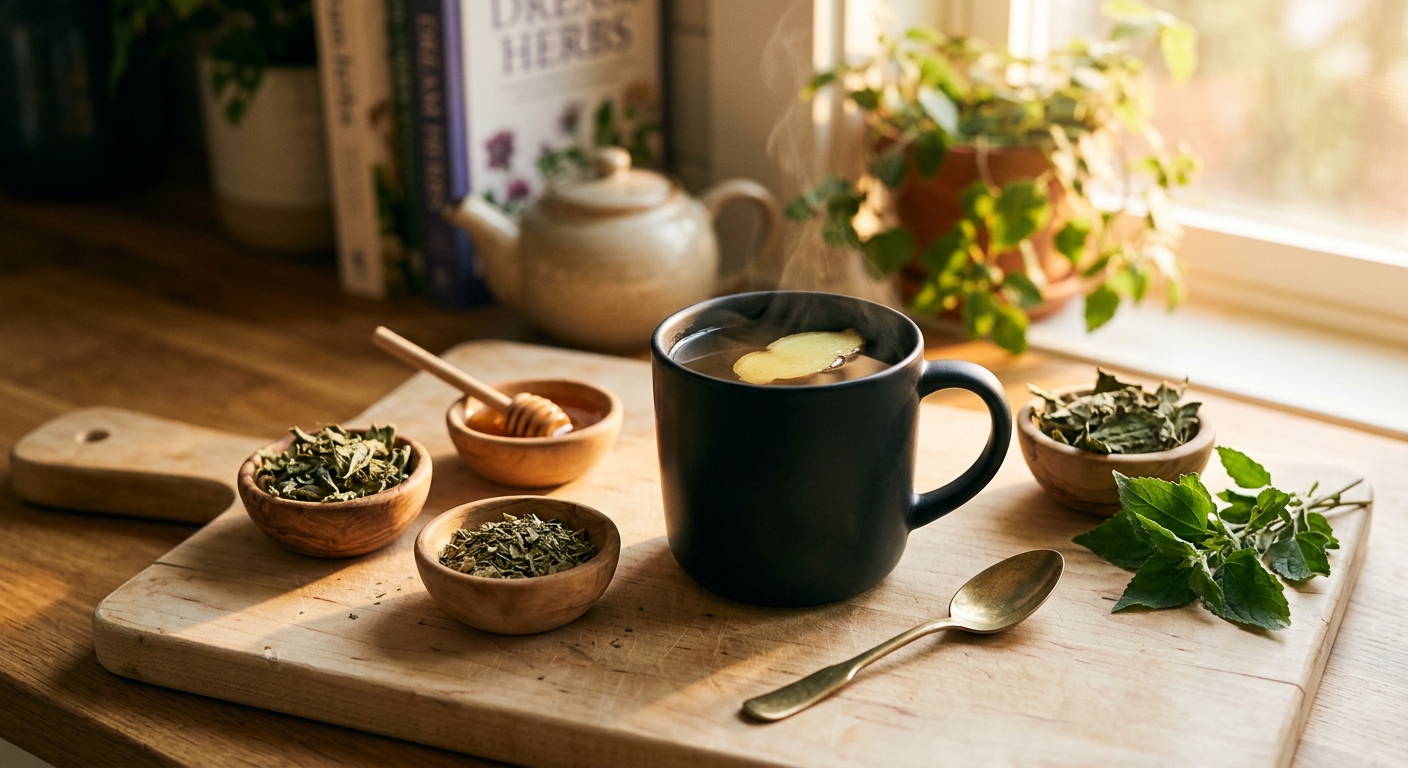
Deep in the tropical forests of Mexico and Central America grows a shrubby plant with small white flowers and a reputation that has captivated healers, dreamers, and ethnobotanists alike. Calea zacatechichi, commonly known as the Dream Herb, Leaf of God, or Bitter Grass, has been used for centuries by the Chontal Maya of Oaxaca as a sacred tool for oneiromancy, the practice of dream divination. Shamans and healers would brew the dried leaves into a bitter tea, drink it before sleep, and place a small bundle of the herb beneath their pillow to invite prophetic and lucid dreams. Its Nahuatl name, meaning “bitter grass,” is a fitting reference to its intensely bitter flavor, which is itself considered part of the ritual experience.
The herb belongs to the Asteraceae family and grows natively across Mexico, Guatemala, and Honduras. It was formally introduced to Western science in 1968 by ethnobotanist Thomas MacDougall, who documented its traditional use among the Chontal people. Since then, researchers have conducted preliminary studies on its effects on sleep architecture, finding that it may increase the frequency and vividness of hypnagogic imagery and REM-phase dreaming. While the science is still in early stages, the convergence of traditional knowledge and modern investigation has made Calea zacatechichi one of the most intriguing herbs in the world of sleep and consciousness research.
Beyond its reputation as a dream enhancer, Calea zacatechichi has traditionally been used to ease fever, soothe digestive complaints, and calm an anxious mind. Its bitter compounds stimulate digestive secretions and may support the parasympathetic nervous system, the branch of the autonomic nervous system responsible for rest and digestion. Whether you are drawn to this herb for its dreaming lore or simply seeking a deeper, more restful night, a warm cup of Calea tea taken in the quiet hour before bed is a ritual worth exploring with intention and care.
1
cups
Ingredients
- 1 tspdried Calea zacatechichi leaves (lightly crushed)
- 240 mlwater (90°C / 194°F)
- —raw honey or agave nectar to taste (strongly recommended to offset bitterness)
- —thin slice of fresh ginger (optional, to ease digestive sensitivity)
How to Brew
Click on an item below to shop for the recommended items for this recipe on Amazon.
As an Amazon Associate, we earn from qualifying purchases.
- Heat filtered water to approximately 90°C (194°F). Avoid a full rolling boil, as excessive heat can degrade some of the herb’s delicate aromatic compounds and intensify bitterness beyond palatability.
- Place 1 level teaspoon of dried, lightly crushed Calea zacatechichi leaves into a tea infuser or directly into your mug. Crushing the leaves gently between your fingers helps release the active resins and bitter lactones.
- Pour 240 ml of hot water over the leaves and immediately cover the mug with a saucer or lid. This trapping of steam prevents the escape of volatile terpenes and keeps the brew warm throughout the steep.
- Steep for 10 to 15 minutes. A longer steep extracts more of the bitter sesquiterpene lactones, which are the key active compounds. Start at 10 minutes on your first brew to gauge your tolerance.
- Remove the infuser or strain the leaves using a fine mesh strainer. Stir in raw honey or agave nectar generously, as the bitterness of this herb is significant. A pinch of cinnamon can also help round out the flavor.
- Sip slowly in a calm, dimly lit space 30 to 45 minutes before sleep. Some traditional users also rub a small amount of the strained leaves on their temples or place dried herb beneath their pillow as part of the ritual.
- Measure 1.5 teaspoons of dried Calea zacatechichi leaves per 240 ml of filtered room-temperature water. Cold water extracts compounds less efficiently than hot water, so a slightly higher leaf-to-water ratio compensates for the gentler extraction.
- Place the leaves directly into a clean glass jar or cold brew vessel. Pour room-temperature or lightly chilled filtered water over the leaves, ensuring all plant material is fully submerged.
- Seal the jar with a lid and allow it to sit at room temperature for 1 hour to initiate extraction, then transfer to the refrigerator for a further 7 to 11 hours. An overnight cold brew works well, starting it before bed and enjoying the mild batch the following evening.
- After steeping, strain the brew through a fine mesh strainer or cheesecloth into a clean glass. The resulting liquid will be a pale, slightly cloudy olive-gold with a markedly gentler bitterness than a hot-brewed cup.
- Sweeten with honey, agave, or a few drops of liquid stevia before drinking. Serve over ice or gently warmed on the stovetop, but do not boil. Consume 30 to 60 minutes before sleep.
- Measure 1 to 1.5 teaspoons of dried Calea zacatechichi leaves per 300 ml of cold filtered water and add both together to a small saucepan. Starting with cold water and bringing the herb up to temperature together allows for a fuller, more integrated extraction.
- Place the saucepan over medium-low heat and bring the water slowly to a very gentle simmer. Do not allow the liquid to reach a full rolling boil, as this can drive off aromatic compounds and create an overly harsh, acrid brew. You want small, lazy bubbles at the surface.
- Maintain a gentle simmer for 15 to 20 minutes, stirring occasionally. The liquid will reduce slightly and deepen to a richer amber-gold color. The aroma will be earthy, resinous, and distinctly herbal.
- Remove from heat and allow the decoction to rest, uncovered, for 3 to 5 minutes. Then strain through a fine mesh strainer into a mug, pressing the spent leaves lightly with a spoon to extract residual liquid.
- The resulting brew will be noticeably more bitter and more concentrated than a simple hot infusion. Sweeten generously with raw honey or agave and optionally add a squeeze of fresh lime juice, a pairing common in traditional Mexican herbal medicine, to add brightness and help temper the bitterness.
- Drink slowly and mindfully 30 to 45 minutes before bed in a quiet, comfortable setting. Given the potency of a full decoction, first-time users should consume no more than half a cup to assess individual sensitivity.
Health Benefits
Calea zacatechichi is best known ethnobotanically for its ability to increase the frequency, vividness, and recall of dreams. A 1991 human clinical study published in the journal Physiology and Behavior found that subjects who consumed the herb before sleep showed significant increases in hypnagogic imagery and self-reported dream recall compared to placebo, alongside measurable changes in EEG sleep patterns consistent with heightened REM activity.
The flavonoids acacetin and luteolin found in Calea zacatechichi interact with GABA-A receptors in the central nervous system, producing mild anxiolytic and sedative effects similar in mechanism to other better-studied sleep herbs. This gentle calming action can help ease the transition from wakefulness into sleep, particularly for those whose difficulty sleeping stems from a restless or anxious mind.
Traditional use across Mesoamerican plant medicine traditions includes Calea zacatechichi as a remedy for nervous exhaustion and emotional unease. Preclinical research supports this use, with animal studies demonstrating anxiolytic activity attributed to the herb’s flavonoid content and its modulation of inhibitory neurotransmitter pathways.
As a profoundly bitter herb, Calea zacatechichi stimulates the secretion of saliva, bile, and gastric enzymes through the cephalic phase of digestion, a reflex triggered by bitter taste receptors. This bitter tonic action has been used traditionally to ease indigestion, bloating, and sluggish digestion, making a pre-bedtime cup potentially beneficial for those whose sleep is disrupted by digestive discomfort.
Traditional Chontal and broader Mexican folk medicine has long employed Calea zacatechichi as a remedy for mild fevers. Preliminary phytochemical research suggests that compounds including ursolic acid and luteolin contribute anti-inflammatory activity that may underlie this traditional application, though formal clinical evidence in humans remains limited.
🧪 Key Bioactive Compounds
The Science Behind Calea Zacatechichi
The primary bioactive constituents responsible for Calea zacatechichi’s effects on sleep and dreaming belong to a class of compounds called sesquiterpene lactones, with caleicines I and II and calein A being among the most pharmacologically significant. These bitter compounds appear to influence the central nervous system directly, and animal studies have demonstrated that they can alter EEG recordings in ways consistent with changes in sleep architecture, particularly an increase in lighter, REM-adjacent sleep phases associated with dreaming. The landmark 1991 study by Mayagoitia and colleagues remains the most frequently cited human evidence for the herb’s dream-enhancing effects, documenting increased hypnagogic imagery, more frequent dream episodes, and greater dream recall in participants who received the herb versus placebo, accompanied by measurable EEG changes during sleep.
Beyond the sesquiterpene lactones, Calea zacatechichi contains a meaningful concentration of flavonoids, including acacetin and luteolin, which have been studied for their interactions with the gamma-aminobutyric acid (GABA) neurotransmitter system. GABA is the brain’s primary inhibitory neurotransmitter, and compounds that enhance its activity produce feelings of calm, reduce neuronal excitability, and facilitate sleep onset. Acacetin in particular has shown affinity for GABA-A receptor subunits in preclinical models, mimicking in part the mechanism of benzodiazepine-class medications but with a far gentler and more transient action. This provides a plausible neurochemical basis for the herb’s traditional use as a relaxant and sleep aid beyond its dream-specific reputation.
The bitter action of the herb also has a measurable physiological dimension. Bitter compounds including the sesquiterpene lactones and chlorogenic acid activate TAS2R bitter taste receptors both in the oral cavity and throughout the gastrointestinal tract. This activation triggers a cascade of digestive secretions including bile, pepsin, and hydrochloric acid through the vagus nerve, stimulating parasympathetic (rest-and-digest) nervous system tone. For individuals whose sleep is compromised by digestive tension or sympathetic nervous system overdrive, this vagal activation may itself contribute to the transition into deeper, more restorative rest. While robust, large-scale clinical trials on Calea zacatechichi remain absent from the literature, the convergence of traditional knowledge, ethnobotanical documentation, preliminary pharmacological data, and a single but methodologically credible human sleep study makes this one of the most scientifically promising and culturally rich herbs in the realm of sleep and dream medicine.
Brewing Tips
- Always cover your mug while the tea steeps. Calea zacatechichi contains volatile terpenes and resins that escape with steam. Trapping them under a saucer ensures you capture the full spectrum of active compounds in every sip.
- If the bitterness is overwhelming, try brewing at a slightly lower temperature (around 80°C / 176°F) for a shorter time (8 minutes). This produces a milder cup while still extracting meaningful amounts of the active compounds. Cold brewing is the gentlest option for sensitive palates.
- Keep a dedicated dream journal on your bedside table. The most consistent traditional and anecdotal reports of Calea zacatechichi’s effects describe increased dream complexity and detail upon waking rather than a dramatic or immediate sedative sensation. Recording your dreams first thing upon waking captures detail before it fades.