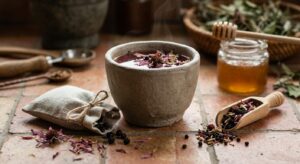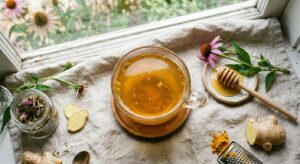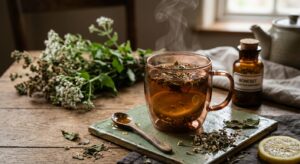
Long before modern immunology gave us the vocabulary to describe T-cells, natural killer cells, and cytokine signaling, healers from the Great Plains of North America to the mountain provinces of China were cultivating the very plants we now know can influence immune function at a cellular level. Echinacea was a staple remedy of the Lakota and other Indigenous peoples, used to treat everything from snakebite to respiratory illness. Elderberry was prized across medieval Europe as a cold and fever remedy, while astragalus root has anchored traditional Chinese medicine for over two thousand years as a premier tonic for what practitioners call Wei Qi, or defensive energy. Together, these three herbs form a synergistic blend that targets the immune system from multiple angles.
What makes this tea genuinely remarkable is the convergence of traditional wisdom and modern science. Researchers have identified specific polysaccharides in echinacea that stimulate macrophage activity, meaning they signal your body to produce and activate the white blood cells responsible for identifying and destroying pathogens. Elderberry anthocyanins have been shown to reduce the duration and severity of upper respiratory infections, while astragalus polysaccharides support bone marrow activity, which is precisely where white blood cells originate. Drinking this tea is not just a comforting ritual; it is a targeted intervention backed by an impressive body of research.
The sensory experience of this blend is equally rewarding. Echinacea brings a mild earthy tingle that herbalists often describe as a sign of its freshness and potency. Elderberry adds a deep, berry-forward sweetness with a subtle tartness, and astragalus contributes a faintly sweet, almost milky depth that rounds out the blend beautifully. Whether you brew it hot on a cold winter morning or prepare a cold-brew batch to sip throughout an autumn week, this is a tea that invites you to slow down, nourish yourself, and trust in the restorative intelligence of plants.
2
cups
Ingredients
- 2 tspdried echinacea root or purpurea herb
- 1 tspdried elderberries
- 1 tspdried astragalus root slices
- 500 mlwater (95 to 100°C / 203 to 212°F)
- —raw honey to taste (optional)
- —a squeeze of fresh lemon juice (optional)
How to Brew
Click on an item below to shop for the recommended items for this recipe on Amazon.
As an Amazon Associate, we earn from qualifying purchases.
- Bring 500 ml of fresh, filtered water to a near-boil of 95 to 100°C (203 to 212°F). Using filtered water makes a noticeable difference in the clarity and taste of the final brew.
- Combine 2 teaspoons of dried echinacea, 1 teaspoon of dried elderberries, and 1 teaspoon of astragalus root slices in a tea infuser, muslin bag, or directly into a small teapot or saucepan.
- Pour the hot water over the herbs and cover the vessel immediately. Covering is important because it traps the volatile aromatic compounds and prevents the brew from cooling too quickly.
- Steep for a minimum of 10 minutes, and up to 15 for a stronger therapeutic dose. The longer steep draws out the dense polysaccharides from the roots that give this tea its immune-boosting character.
- Strain the tea into two warmed mugs. Add raw honey to taste, which adds its own antimicrobial compounds, and a squeeze of fresh lemon juice for vitamin C and brightness.
- Drink while warm. For immune support during illness, 2 to 3 cups per day is the traditional and research-aligned recommendation, though this blend is also excellent as a preventive, taken 3 to 5 times per week through cold and flu season.
- Measure out 3 teaspoons of dried echinacea, 2 teaspoons of dried elderberries, and 2 teaspoons of astragalus root slices. Cold brew requires a higher herb-to-water ratio than hot brew because cool water is a less efficient solvent, so increase quantities by about 50 percent.
- Place the herbs into a clean glass jar or pitcher. Pour 700 ml of cold, filtered water over the herbs, ensuring they are fully submerged. Stir gently to wet all the plant material.
- Leave the jar at room temperature for the first 1 to 2 hours to allow initial extraction to begin, then transfer to the refrigerator. Steep for a total of 12 to 16 hours, or overnight.
- Strain the cold brew through a fine-mesh sieve lined with cheesecloth into a clean jar or bottle, pressing the spent herbs gently to extract remaining liquid. Discard the solids.
- Pour over ice into glasses. Sweeten with a small amount of honey dissolved in a teaspoon of warm water, or use a liquid elderflower or berry syrup so it blends easily into the cold liquid.
- Store the remaining cold brew in the refrigerator for up to 3 days. Shake or stir before each serving. This method is ideal for batch-preparing a weekly immune tonic supply.
- Place 1 tablespoon of astragalus root slices and 2 teaspoons of echinacea root into a small stainless steel or enamel saucepan. Add 600 ml of cold, filtered water. Allow the roots to soak for 5 minutes before applying heat, which helps pre-hydrate the plant fibers.
- Bring the water slowly to a gentle simmer over medium-low heat. Do not allow it to reach a rolling boil, as excessive heat can degrade some of the more delicate flavonoids. Maintain a gentle, steady simmer of roughly 85 to 95°C (185 to 203°F).
- Simmer uncovered for 20 to 30 minutes. You will notice the liquid reducing and deepening in color to a rich amber-brown. Stir occasionally and top up with a small splash of water if the level drops significantly.
- In the final 5 minutes of simmering, add 1.5 teaspoons of dried elderberries to the saucepan. Because elderberries are soft fruit and not dense root material, they require only a short cooking time to release their anthocyanins and polyphenols without losing them to prolonged heat exposure.
- Remove from heat and allow to cool for 3 to 5 minutes. Strain through a fine-mesh sieve or cheesecloth into mugs, pressing the spent plant material firmly to recover all the concentrated liquid.
- This decoction will be noticeably more concentrated and intensely flavored than a standard steep. Sweeten with raw honey and lemon juice. For acute illness support, this concentrated form can be taken in smaller portions of 100 to 150 ml, two to three times daily.
Health Benefits
Astragalus polysaccharides have been shown in multiple clinical and in vitro studies to stimulate hematopoiesis, the process by which bone marrow produces new blood cells, including neutrophils and lymphocytes. Echinacoside and alkylamides in echinacea further activate macrophages, natural killer cells, and dendritic cells, amplifying the immune system’s first-line defenses.
A meta-analysis published in Lancet Infectious Diseases found that echinacea preparations reduced the incidence of the common cold by 58 percent and the duration by 1.4 days. Elderberry extract has been shown in randomized controlled trials to shorten influenza duration by an average of four days compared to placebo, largely due to its anthocyanin-driven antiviral and cytokine-modulating activity.
Elderberries rank among the highest antioxidant-containing foods measured by ORAC value, with cyanidin-3-glucoside and other anthocyanins neutralizing free radicals that would otherwise damage immune cells and compromise their signaling ability. Echinacea’s caffeic acid derivatives add additional free-radical scavenging capacity, protecting white blood cells during periods of high immune activity.
Astragalus is classified in traditional Chinese medicine as an adaptogen, meaning it helps the body maintain homeostasis under stress. Modern research shows that astragalus polysaccharides have bidirectional immunomodulatory effects, stimulating immune function when it is suppressed and tempering overactivation to reduce autoimmune-style inflammatory overreactions.
The combination of elderberry’s antiviral polyphenols, echinacea’s mucous membrane-supporting properties, and astragalus’s lung tonic role in TCM makes this blend particularly well-suited for supporting the respiratory tract. Clinical research on all three herbs independently supports their use in reducing frequency, severity, and duration of upper respiratory tract infections.
🧪 Key Bioactive Compounds
The Science Behind Echinacea
The immune-boosting properties of this three-herb blend are rooted in well-characterized molecular mechanisms. Echinacea’s most bioactive fraction, its alkylamides, are among the few herbal compounds known to survive digestion and enter the bloodstream intact, where they interact with CB2 cannabinoid receptors expressed on immune cells. This interaction modulates the expression of TNF-alpha and other cytokines, fine-tuning the inflammatory response. Simultaneously, echinacoside and other caffeic acid derivatives act as direct stimulants of phagocytosis, increasing the rate at which macrophages identify and consume pathogens and cellular debris.
Elderberry’s anthocyanins operate through a complementary mechanism. Research published in the Journal of International Medical Research demonstrated that cyanidin-based flavonoids in elderberry can bind to and coat influenza virus hemagglutinin proteins, physically preventing the virus from attaching to and penetrating host cells. Beyond this antiviral barrier function, elderberry polyphenols have also been shown to stimulate the production of interleukin-1 beta, TNF-alpha, and IL-6 in healthy individuals, priming the immune system before infection takes hold. Critically, the same compounds also appear to reduce cytokine overproduction during active infection, helping to prevent the dangerous cytokine storms associated with severe respiratory illness.
Astragalus polysaccharides represent one of the most studied categories of herbal immunomodulators in traditional Chinese medicine research. Multiple studies have demonstrated that APS activates dendritic cells and promotes the differentiation of naive T-cells into Th1-type helper cells, which are essential for coordinating the adaptive immune response. Perhaps most fascinatingly, cycloastragenol, a saponin derived from astragalus, has been shown to activate telomerase in immune cells, slowing the telomere shortening that leads to immune cell senescence and age-related immunodeficiency. This makes astragalus particularly valuable not just for acute immune support, but as a long-term tonic for maintaining robust immune resilience over time.
Brewing Tips
- Buy whole astragalus root slices rather than powder for better quality control and a cleaner, less cloudy brew. The slices can be reused for a second, lighter decoction by simmering them again with fresh elderberries and echinacea.
- For acute cold or flu onset, shift to the decoction method and drink 2 to 3 small cups within the first 24 hours. Clinical evidence suggests echinacea is most effective when started at the very first sign of symptoms rather than once illness is established.
- Store dried elderberries, echinacea, and astragalus separately in airtight amber glass jars away from direct light and heat. Properly stored, whole dried herbs retain their potency for 12 to 18 months. Always smell your herbs before brewing; a vibrant, true-to-plant aroma is a reliable sign of good potency.