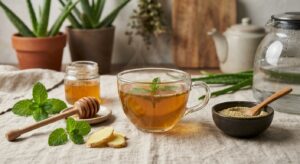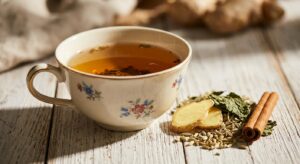
Few herbal pairings have earned their place at the dinner table as firmly as fennel and peppermint. Fennel (Foeniculum vulgare) has been valued since antiquity: the ancient Greeks called it marathon, and Roman naturalists like Pliny the Elder recorded dozens of uses for it. In India, a handful of roasted fennel seeds, known as saunf, is still offered at the end of restaurant meals to freshen the breath and settle the stomach. In Mediterranean kitchens, fennel infusions have long been given to adults and children alike after heavy feasts.
Peppermint (Mentha x piperita) is a younger plant by comparison, a natural hybrid of water mint and spearmint first described in England in the late 1600s. Its high menthol content made it a favorite in European apothecaries, and it quickly became a staple remedy for upset stomachs, nausea, and the uncomfortable fullness that follows a rich meal.
Brewed together, the two herbs balance one another beautifully. Fennel brings gentle sweetness and a warm, licorice-like roundness, while peppermint adds a clean, cooling lift. The result is a cup that tastes like a pleasant ending to the day and works with your digestion rather than against it. Because the blend is naturally caffeine-free, it is an ideal evening ritual.
2
cups
Ingredients
- 2 tspfennel seeds, lightly crushed
- 2 tspdried peppermint leaf
- 480 mlwater (95°C / 203°F)
- —raw honey to taste (optional)
- —a thin slice of lemon (optional)
How to Brew
Click on an item below to shop for the recommended items for this recipe on Amazon.
As an Amazon Associate, we earn from qualifying purchases.
- Measure the fennel seeds into a small mortar or onto a cutting board and crush them gently with a pestle or the flat of a knife. You only want to crack the seeds, not powder them, which releases the aromatic oils trapped inside.
- Place the crushed fennel and dried peppermint leaf into a teapot or directly into a large mug fitted with an infuser basket.
- Heat fresh water until it just comes to a boil, then pour it over the herbs. Fennel seeds are tough and benefit from near-boiling water to extract their oils.
- Cover immediately with a lid or saucer and steep for 7 to 10 minutes. Closer to 7 gives a lighter, minty cup; closer to 10 brings out more of fennel’s sweetness.
- Strain into cups, add honey or a thin lemon slice if desired, and sip slowly 15 to 30 minutes after your meal.
- Lightly crush 2 tablespoons of fennel seeds and combine them with 2 tablespoons of dried peppermint leaf in a large glass jar.
- Pour 1 liter of cool, filtered water over the herbs, stir once, and seal the jar with a tight lid.
- Refrigerate for 8 to 10 hours, or overnight. The long, cold extraction pulls out sweet, mellow flavors while leaving behind most of the astringency.
- Strain through a fine mesh strainer or a coffee filter into a clean pitcher, pressing gently on the herbs to release any remaining liquid.
- Serve over ice with a sprig of fresh mint. Keep refrigerated and drink within 48 hours.
- Lightly crush 2 teaspoons of fennel seeds and add them to a small saucepan with 480 ml of cold water.
- Bring the water to a gentle boil over medium heat, then reduce to a low simmer. Cover and simmer for 10 minutes. The kitchen will fill with a warm, sweet, licorice-like scent.
- Remove the pan from the heat and immediately stir in 2 teaspoons of dried peppermint leaf. Adding the mint off the heat protects its volatile menthol from being cooked away.
- Replace the lid and let the mint steep for 5 minutes.
- Strain into mugs through a fine sieve and serve warm, with honey if you like. This version is especially comforting when digestion feels sluggish.
Health Benefits
Both fennel and peppermint are classic carminatives, meaning they help the digestive tract release trapped gas. Fennel’s anethole and fenchone relax intestinal muscle, while peppermint’s menthol reduces spasm, and traditional use is supported by small clinical studies.
Peppermint oil has been studied for functional dyspepsia and has been shown to improve symptoms of fullness and discomfort. Fennel is traditionally used in the same way, and the two together make a gentle after-dinner support.
Menthol acts as a natural antispasmodic on gut smooth muscle, and peppermint is one of the best-studied herbs for the cramping associated with irritable bowel syndrome. Fennel adds a complementary calming effect on the intestines.
Chewing or sipping fennel after meals is a centuries-old custom in South Asia, and peppermint’s menthol provides an immediate cooling, clean sensation that helps neutralize lingering food odors.
Because the blend contains no caffeine and the ritual of a warm cup encourages slowing down, it supports an easy transition toward rest, especially when a heavy meal might otherwise cause discomfort in bed.
🧪 Key Bioactive Compounds
The Science Behind Fennel
The digestive reputation of fennel and peppermint rests largely on their essential oils. Fennel seed is rich in trans-anethole and fenchone, compounds that have been shown in laboratory and animal studies to relax smooth muscle and support the movement of gas through the intestinal tract. This is the basis for fennel’s classification as a carminative, and it explains why fennel preparations have been used for infant colic and adult bloating across so many cultures. Human trials are smaller in number, but several have reported reduced intestinal discomfort with fennel preparations.
Peppermint’s primary active, menthol, works through a well-characterized mechanism. It blocks calcium channels in the smooth muscle of the gut wall, which reduces muscle contraction and spasm. This is why enteric-coated peppermint oil has been studied in clinical trials for irritable bowel syndrome, with meta-analyses suggesting a modest but real benefit for abdominal pain and overall symptoms. Menthol also activates cold-sensing receptors, which produces the characteristic cooling sensation and may contribute to the soothing feeling many people report.
It is worth noting that most clinical research uses concentrated oils or standardized extracts rather than tea. A cup of tea delivers a much smaller dose of these volatile compounds, which is why covering the cup while steeping matters so much for retaining them. While the tea is not a medical treatment, its gentle, consistent use as part of a mindful after-meal routine aligns with both traditional practice and the underlying pharmacology of its ingredients.
Brewing Tips
- Crush the fennel seeds just before brewing. Whole seeds release their oils slowly, but cracking them open dramatically improves flavor and aroma.
- Always cover your cup or teapot while steeping to trap the volatile oils in both herbs, which otherwise escape with the steam.
- Drink the tea 15 to 30 minutes after eating rather than during the meal, so the herbs can support digestion once your stomach is working.
- Buy whole fennel seeds and dried peppermint leaf rather than pre-ground powders, and store both in airtight, light-proof containers to keep their oils potent for up to a year.
- If you prefer a milder mint flavor, reduce the peppermint to 1 teaspoon and increase the fennel slightly for a sweeter, rounder cup.