Few herbs carry the weight of history quite like anise. Cultivated in ancient Egypt, Greece, and Rome, Pimpinella anisum was so valued that it appeared in medical texts dating back to 1550 BCE and was even used as a form of currency in ancient trade. Roman bakers folded anise seeds into a spiced cake called mustaceum, served at the end of feasts to prevent indigestion, a tradition that some food historians believe may be the origin of after-dinner digestive liqueurs enjoyed across Europe today.
What makes anise seed so enduring is its remarkable versatility. In Ayurvedic medicine, it is classified as a warming carminative herb, used to kindle digestive fire and calm the stomach. Traditional Chinese medicine employs it to warm the middle burner and relieve cold-type abdominal pain. Across the Middle East, anise tea called yansoon is a daily household remedy passed between generations, offered to nursing mothers, colicky infants, and anyone suffering from a sluggish stomach. Its reach spans continents and millennia because it genuinely works.
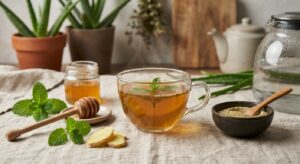
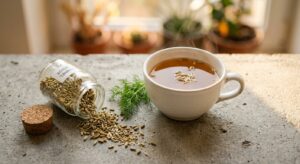
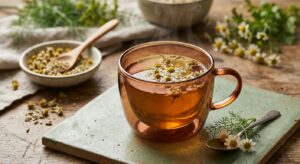
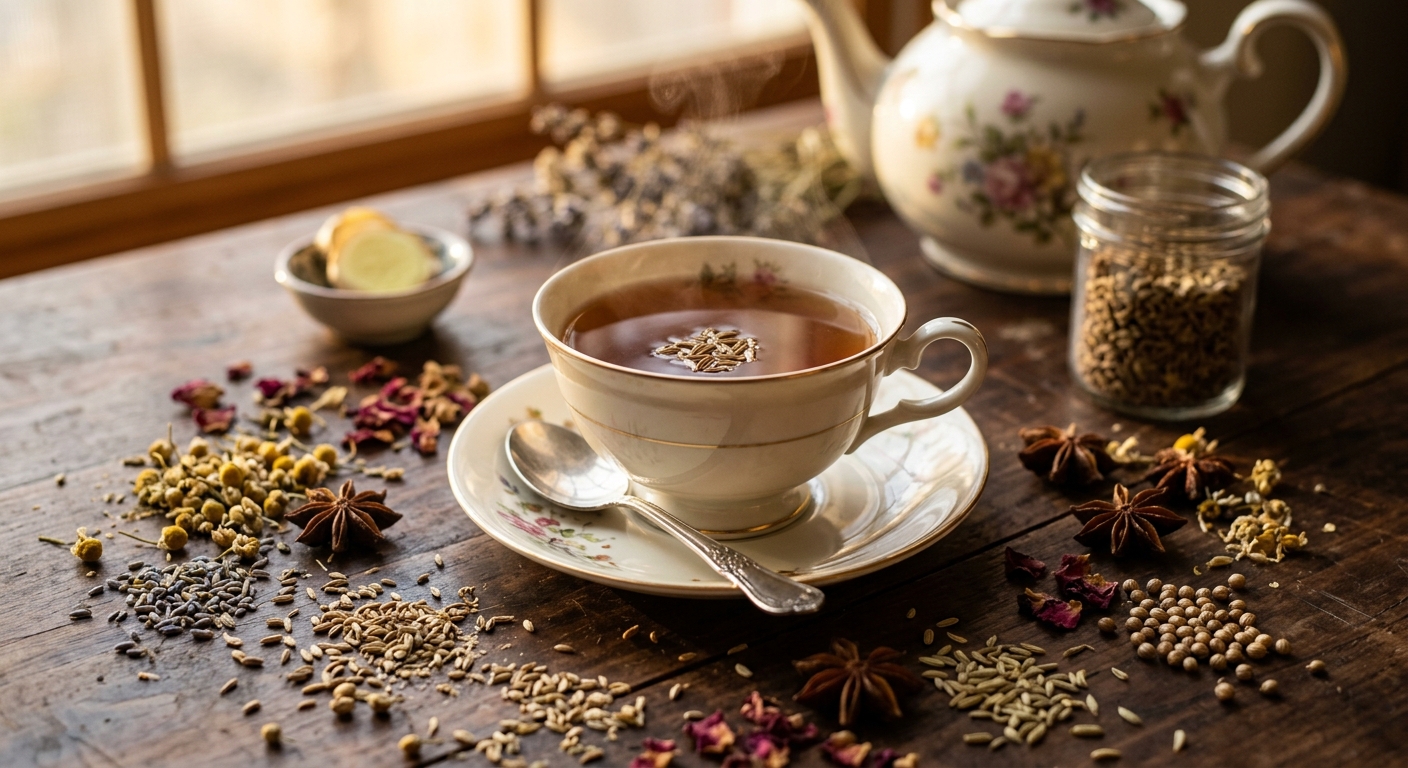
Beyond digestion, anise seed tea offers a deeply comforting sensory experience. The brewed tea pours a pale golden amber and fills the room with a warm, sweet licorice aroma that is simultaneously familiar and exotic. The flavor is gently sweet, slightly spicy, and smooth enough to sip without any sweetener. Whether you are brewing a cup after a heavy meal or simply craving something aromatic and grounding, anise seed tea delivers both the pleasure and the medicine in every sip.
2
cups
Ingredients
- 2 tspwhole dried anise seeds, lightly crushed
- 480 mlwater (95°C / 203°F)
- —raw honey or a slice of fresh ginger to taste (optional)
How to Brew
Click on an item below to shop for the recommended items for this recipe on Amazon.
As an Amazon Associate, we earn from qualifying purchases.
- Measure 1 teaspoon of whole dried anise seeds per cup. Place the seeds in a mortar and pestle and crush them lightly, just enough to crack the outer hull without grinding them to powder. You want cracked seeds, not a fine dust.
- Bring filtered water to approximately 93 to 96°C (200 to 205°F). If you do not have a temperature-controlled kettle, bring water to a full boil and allow it to rest off the heat for 60 to 90 seconds.
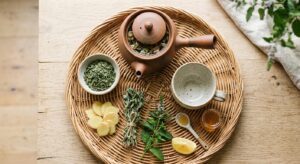
- Place the crushed seeds directly into a tea infuser or strainer set inside your mug or teapot. Pour the hot water over the seeds, ensuring full submersion.
- Cover the mug with a small plate or lid to trap the volatile aromatic oils as the tea steeps. Steep for 7 to 10 minutes. A longer steep produces a more intensely flavored, more therapeutically potent cup.
- Remove the infuser and discard the spent seeds. Taste the tea plain first. If desired, stir in a small amount of raw honey or a thin slice of fresh ginger for added warmth. Sip slowly after meals for best digestive results.
- Measure 2 teaspoons of whole anise seeds per 480 ml of cold filtered water. Lightly crush the seeds as you would for a hot brew, cracking the hull to expose the essential oils.
- Combine the crushed seeds and cold filtered water in a clean glass jar. Stir briefly to ensure the seeds are fully wet and distributed throughout the water. Do not use hot water at any point.
- Seal the jar loosely with a lid or cover it with a small cloth secured with a rubber band. Allow the jar to sit at room temperature for 1 hour, then transfer it to the refrigerator.
- Steep in the refrigerator for 10 to 14 hours, ideally overnight. The slow, cold extraction draws out the delicate sweetness of the seeds without over-extracting the sharper, more pungent volatile compounds.
- Strain the infusion through a fine mesh strainer or cheesecloth into a glass, pressing the seeds gently to release remaining liquid. Serve over ice with a thin slice of lemon or a sprig of fresh mint for a refreshing digestive cooler.
- Measure 1.5 teaspoons of whole anise seeds per 240 ml of water. Use a small saucepan. Lightly crush the seeds in a mortar and add them directly to the cold water in the saucepan before applying any heat.
- Place the saucepan over medium heat and bring the water and seeds to a gentle rolling boil together. Starting from cold water allows a slow extraction of deeper compounds as the temperature rises.
- Once boiling, immediately reduce the heat to a low simmer. The surface of the liquid should show small gentle bubbles, not a vigorous boil. Simmer uncovered for 15 to 20 minutes, allowing the liquid to reduce slightly and deepen in color to a warm amber.
- Remove from heat and allow the decoction to rest for 3 to 4 minutes. This brief rest lets the residual heat continue gentle extraction and allows any suspended particles to settle.
- Pour through a fine mesh strainer into a warmed mug, pressing the spent seeds firmly with the back of a spoon to capture every drop of the concentrated brew. Sweeten with honey if desired. This method produces a noticeably stronger, more medicinal cup best consumed in smaller portions of 120 to 180 ml at a time.
Health Benefits
Trans-anethole, the primary volatile oil in anise seed, acts as a carminative by relaxing the smooth muscle of the intestinal wall, allowing trapped gas to move through and exit the digestive tract. Multiple traditional medicine systems and modern phytotherapy research support anise as a first-line herbal remedy for flatulence and abdominal distension.
Both trans-anethole and pseudoisoeugenol have demonstrated antispasmodic activity in preclinical studies, reducing the frequency and intensity of smooth muscle contractions in the gut. This makes anise seed tea particularly useful after heavy meals or during episodes of irritable bowel-related cramping.
Anise seed tea has traditionally been used as a digestive bitter and appetite stimulant in Mediterranean and Middle Eastern folk medicine. Its warming aromatic compounds are thought to stimulate the secretion of digestive enzymes and bile, improving the breakdown of fats and proteins after meals.
Laboratory studies have shown that anise essential oil and its constituent trans-anethole exhibit significant antimicrobial activity against several pathogenic bacteria and fungi, including Candida species. Regular consumption of anise tea may help maintain a balanced gut microbiome and provide mild protection against common gastrointestinal pathogens.
Anise seed tea has a long traditional use for relieving nausea, morning sickness, and upper gastrointestinal discomfort. The volatile aromatic oils are believed to work in part by reducing the sensitivity of the stomach lining and modulating gastric motility, offering gentle relief without the side effects of pharmaceutical antiemetics.
🧪 Key Bioactive Compounds
The Science Behind Anise Seed
The therapeutic reputation of anise seed rests almost entirely on one compound: trans-anethole, a phenylpropanoid that constitutes 80 to 90 percent of the plant’s essential oil. Trans-anethole binds to and relaxes smooth muscle tissue throughout the gastrointestinal tract, which explains its centuries-old use as a carminative and antispasmodic. When smooth muscle in the intestinal wall is tense or in spasm, gas becomes trapped and cramps develop. Trans-anethole interrupts this cycle by reducing involuntary muscle contractions, allowing normal peristaltic movement to resume and gas to pass freely. This mechanism has been validated in several in vitro and animal studies examining the spasmolytic effects of anise oil on isolated intestinal tissue.
Beyond its mechanical effects on gut motility, trans-anethole has demonstrated notable antimicrobial properties in laboratory settings. Studies have shown it to be effective against a range of gram-positive and gram-negative bacteria, as well as several Candida fungal species that are commonly implicated in gut dysbiosis. While drinking a cup of tea delivers far lower concentrations than laboratory assay conditions, regular consumption of anise seed tea may contribute modestly to a balanced gut microbial environment. The flavonoids luteolin and quercetin add an anti-inflammatory dimension to this picture, helping to reduce low-grade inflammation in the intestinal lining that is increasingly associated with conditions like irritable bowel syndrome and leaky gut.
One area of scientific interest, and caution, is the weak estrogenic activity of trans-anethole. Research in animal models has found that anethole and its metabolite dianethole can bind to estrogen receptors, mimicking the hormone’s effects. This property may partly explain the traditional use of anise seed to stimulate milk production in nursing mothers and to regulate menstrual cycles, practices documented in Mediterranean herbalism for centuries. However, it also means that individuals with hormone-sensitive conditions should approach high or therapeutic doses with informed caution. At the quantities typical of a daily cup of tea, one to two teaspoons of seeds, the estrogenic exposure is considered low and unlikely to pose a risk for most healthy individuals, but it remains an important consideration for vulnerable populations.
Brewing Tips
- Always crush anise seeds lightly before brewing rather than using them whole. Even a few strokes in a mortar and pestle dramatically increases the surface area exposed to hot water, releasing far more of the volatile oils and resulting in a noticeably more aromatic and effective cup.
- Cover your mug or teapot with a small plate during steeping. Anise’s most beneficial compounds are volatile oils that can literally evaporate into the air. Covering the vessel traps them in the liquid where they belong.
- Store dried anise seeds in an airtight glass jar away from heat, light, and moisture. Whole seeds retain their potency for up to two years when stored correctly. Pre-ground anise loses its aromatic intensity within a few weeks, making whole seed brewing strongly preferable for both flavor and therapeutic value.