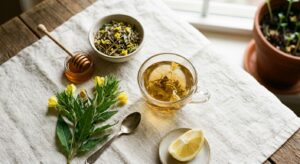
Blessed thistle (Cnicus benedictus) has been revered in European herbal medicine since at least the Middle Ages, when Benedictine monks cultivated it in monastery gardens and prescribed it for nearly every ailment imaginable. Its very name reflects the near-miraculous reputation it held, and 16th-century herbalists such as John Gerard praised it as a remedy for fevers, headaches, and weakness of the stomach. For women specifically, it earned a lasting place in traditional practice as a herb to support menstruation, ease digestive discomfort linked to hormonal shifts, and encourage milk production in nursing mothers.
What makes blessed thistle particularly compelling is its rich concentration of bitter compounds, especially the sesquiterpene lactone cnicin, which stimulate digestive secretions and support liver function. In Western herbalism, a well-functioning liver is considered central to hormonal health, as the liver processes and clears excess estrogens from the body. This connection between bitterness, digestion, and hormonal balance is why blessed thistle appears so consistently in traditional women’s formulas alongside herbs like raspberry leaf, red clover, and fenugreek.
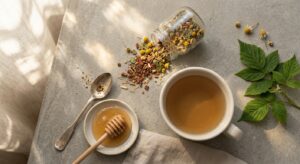
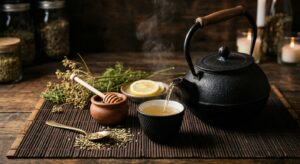
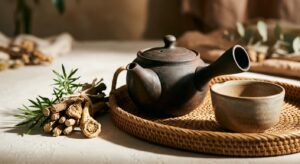
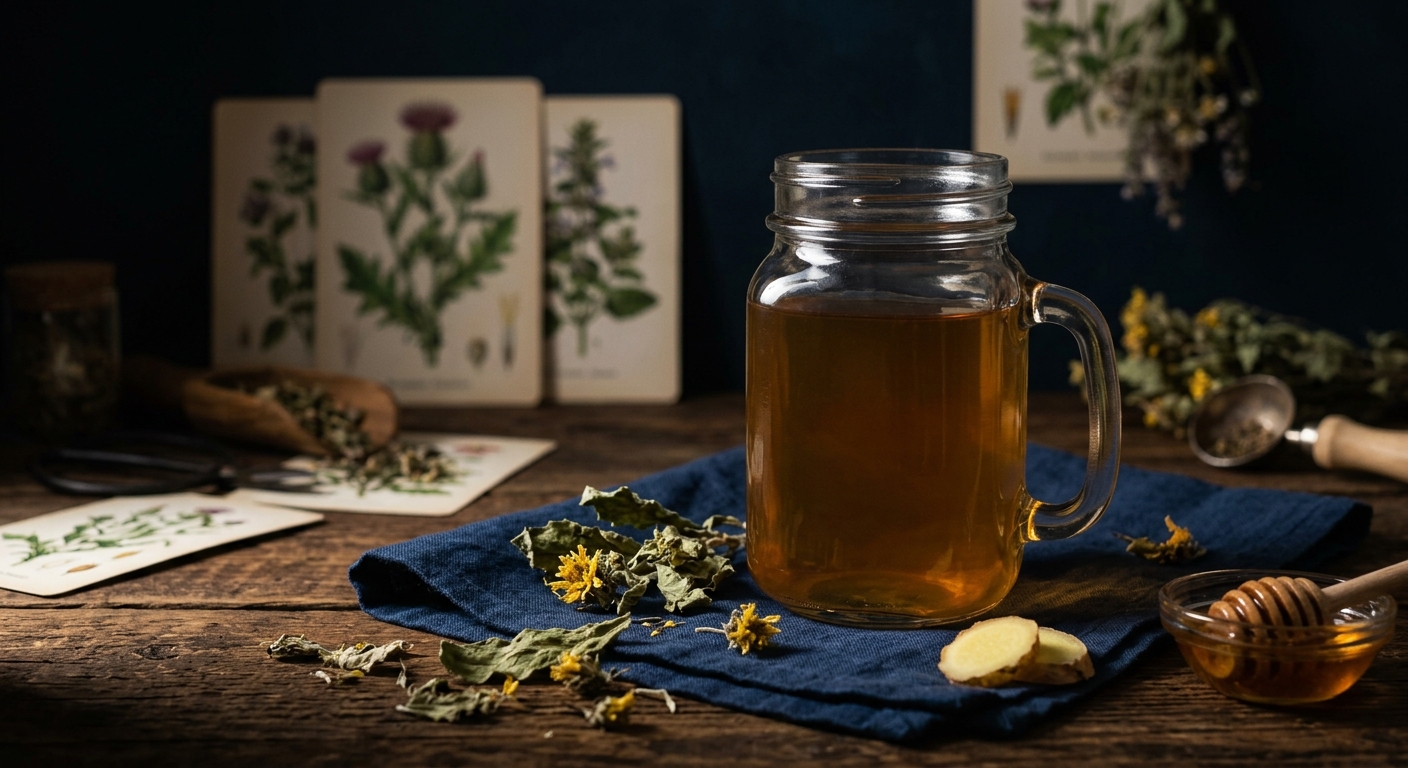
The sensory experience of blessed thistle tea is honest and rustic. It brews into a pale golden-green liquor with a distinctly bitter, slightly spicy edge reminiscent of gentian or dandelion root. It is rarely drunk for pleasure alone, but blended with warming, aromatic companions like fennel or ginger, it transforms into a deeply satisfying and functional brew. Whether you are navigating postpartum recovery, supporting a sluggish cycle, or simply seeking a bitter digestive tonic with centuries of tradition behind it, blessed thistle tea offers something genuinely useful.
2
cups
Ingredients
- 2 tspdried blessed thistle herb (leaf and flower)
- 480 mlwater (95°C / 203°F)
- —raw honey or licorice root to taste (optional, to soften bitterness)
- —1 small slice fresh ginger (optional, for warmth and palatability)
How to Brew
Click on an item below to shop for the recommended items for this recipe on Amazon.
As an Amazon Associate, we earn from qualifying purchases.
- Bring fresh, filtered water to 95°C (203°F). If you do not have a thermometer, bring water to a full boil and allow it to rest for 30 seconds before pouring.
- Place 1 teaspoon of dried blessed thistle herb per cup into a tea infuser or directly into a warmed teapot. Add a slice of fresh ginger now if using.
- Pour the hot water over the herb and cover the vessel immediately with a lid or small plate. Covering is important, as it traps the volatile aromatic oils that would otherwise escape with the steam.
- Steep for 10 to 15 minutes. A 10-minute steep produces a moderately bitter, approachable cup. Extending to 15 minutes draws out the full bitterness and digestive potency.
- Strain carefully through a fine mesh strainer into your mug. Sweeten lightly with raw honey or a small piece of licorice root if the bitterness is too intense. Drink warm, ideally 20 to 30 minutes before a meal for maximum digestive benefit.
- Measure 2 teaspoons of dried blessed thistle herb per 480 ml of cool, filtered water. Place the herb directly into a clean glass jar with a lid.
- Pour room-temperature or cool water over the herb. Stir gently to ensure all the plant material is fully submerged. You may add a few fennel seeds or a thin slice of lemon at this stage for a brighter, more approachable flavor.
- Seal the jar and leave it at room temperature for the first hour, then transfer it to the refrigerator and allow it to steep for a total of 8 to 12 hours, or overnight.
- When ready, strain the liquid through a fine mesh strainer or cheesecloth into a clean pitcher or bottle. Press the spent herb gently to recover any remaining liquid.
- Serve over ice in a tall glass. The cold brew version is milder and slightly sweeter, making it pleasant to drink without additional sweetener. It will keep refrigerated for up to 48 hours.
- Combine the following in a small saucepan: 1 teaspoon dried blessed thistle, 1 teaspoon dried raspberry leaf, 1 teaspoon dried nettle leaf, and half a teaspoon of fennel seeds per 240 ml of water. Scale the amounts proportionally for the number of servings you are making.
- Add cold, filtered water to the saucepan with the herbs and bring the mixture slowly to a gentle simmer over medium-low heat. Do not rush to a boil, as the gradual rise in temperature encourages even extraction.
- Reduce the heat to the lowest simmer possible and allow the blend to gently simmer uncovered for 20 minutes, stirring occasionally. The liquid will reduce slightly and deepen in color to a warm amber-green.
- Remove the saucepan from the heat, place a lid firmly on top, and allow the blend to continue infusing off the heat for a further 10 minutes. This two-stage approach extracts both heat-stable bitter compounds through the decoction and more delicate aromatics through the final covered infusion.
- Strain through a fine mesh strainer into mugs or a glass jar for storage. Press the herbs firmly to extract all liquid. Drink one cup warm, up to two cups per day. The remainder can be stored in the refrigerator for up to 24 hours and gently rewarmed before drinking.
Health Benefits
Blessed thistle has been used as a galactagogue for centuries and is frequently recommended alongside fenugreek in postpartum herbal protocols. While rigorous clinical trials are limited, several observational studies and midwifery traditions support its use for encouraging and sustaining milk supply in the early weeks after birth.
Cnicin, the principal bitter compound in blessed thistle, activates the cephalic phase of digestion by stimulating bitter taste receptors, which triggers the release of gastric juices, bile, and digestive enzymes. Enhanced bile flow supports the liver’s ability to conjugate and excrete excess estrogens, making this herb particularly relevant for women with estrogen-dominant patterns.
Traditional use of blessed thistle includes regulating delayed or absent menstruation and reducing cramping. Its antispasmodic volatile compounds, combined with anti-inflammatory flavonoids like luteolin, may help relax smooth muscle in the uterine wall and reduce the inflammatory prostaglandins that drive menstrual pain.
The combined action of flavonoids apigenin and luteolin alongside sesquiterpene lactones gives blessed thistle meaningful anti-inflammatory capacity. Chronic low-grade inflammation is increasingly recognized as a driver of conditions such as polycystic ovary syndrome, endometriosis, and cyclical mood changes, making antioxidant-rich botanical support a valuable adjunct to holistic women’s care.
As a classic bitter tonic, blessed thistle tea taken before meals has traditionally been used to improve appetite in women recovering from illness, postpartum depletion, or periods of hormonal fatigue. By enhancing digestive enzyme output, it may also improve the absorption of fat-soluble vitamins and minerals critical to reproductive health, including vitamins D, E, and magnesium.
🧪 Key Bioactive Compounds
The Science Behind Blessed Thistle
The most pharmacologically significant compound in blessed thistle is cnicin, a sesquiterpene lactone that accounts for roughly 0.2 to 0.7 percent of the dried herb’s weight. Sesquiterpene lactones are well established as the active bitter principles in many medicinal plants, and cnicin specifically has demonstrated antimicrobial, anti-inflammatory, and cytotoxic activity in laboratory studies. Its primary mechanism of action in the context of digestive and hormonal health is the stimulation of bitter taste receptors (TAS2Rs) in the oral cavity and gastrointestinal tract, which triggers a reflexive increase in the secretion of saliva, gastric acid, and bile. For women dealing with sluggish digestion linked to low progesterone or thyroid function, this bitter stimulation can represent a meaningful functional support with a centuries-long track record.
The flavonoid fraction of blessed thistle, dominated by apigenin and luteolin, contributes meaningfully to its anti-inflammatory profile. Both compounds inhibit the production of pro-inflammatory cytokines, including interleukin-6 and tumor necrosis factor-alpha, through suppression of the NF-kB signaling pathway. Luteolin has additionally been shown in cell studies to inhibit the enzyme aromatase, which converts androgens to estrogens in peripheral tissues. While these effects have primarily been demonstrated in vitro rather than in robust human trials, they provide a plausible biochemical basis for the traditional use of this herb in conditions associated with estrogen excess or inflammatory dysregulation of the menstrual cycle.
The galactagogue properties of blessed thistle remain an area where traditional evidence outpaces controlled research, but the proposed mechanisms are biologically reasonable. Bitter compounds in the herb may stimulate the vagus nerve, increasing prolactin release indirectly through a gut-brain axis mechanism. Additionally, its mild estrogenic activity from flavonoid compounds may support mammary gland tissue function. Midwifery literature consistently pairs blessed thistle with fenugreek for lactation support, and anecdotal evidence from nursing mothers is extensive, though well-designed randomized trials are still needed to establish efficacy conclusively. In the meantime, its safety profile when consumed as a tea in moderate amounts makes it a reasonable and historically grounded choice for postpartum herbal support.
Brewing Tips
- Always cover your mug or teapot while steeping blessed thistle tea. The aromatic volatile compounds that contribute to its antispasmodic and carminative effects will escape with the steam if left uncovered, reducing the tea’s effectiveness.
- If you find the bitterness overwhelming at first, begin with a shorter steep of 5 to 7 minutes and gradually increase the steeping time over a week or two. Your palate will adapt, and many women find they come to appreciate the bitterness as a signal of the tea’s therapeutic strength.
- For menstrual support, consider drinking blessed thistle tea cyclically rather than daily throughout the month. Many Western herbalists recommend drinking it in the luteal phase (the two weeks before menstruation) when digestive sluggishness and hormonal tension tend to peak, then pausing during the follicular phase to allow the body to respond to the tonic effect.