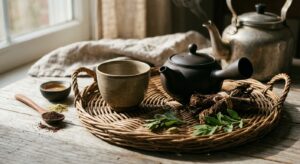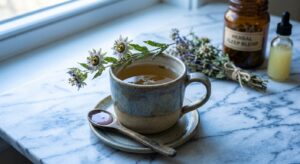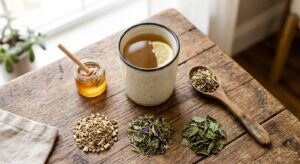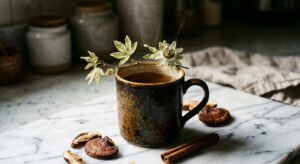
White peony root, known in Traditional Chinese Medicine as Bai Shao (白芍), has been revered for over two thousand years as one of the most versatile and gentle tonics in the classical herbal pharmacopoeia. Derived from the dried and processed root of Paeonia lactiflora, this herb holds a celebrated place in formulas designed to nourish the blood, calm the spirit, and ease the tension that accumulates in the body and mind. Unlike its showy flowering counterpart grown in gardens, it is the unassuming root beneath the soil that carries the plant’s most profound medicinal power.
In classical texts such as the Shennong Bencao Jing, white peony root was prescribed to address liver imbalances, muscle cramping, menstrual irregularities, and emotional restlessness. Traditional practitioners regarded it as a herb that softens what is rigid, whether that meant tight muscles, a contracted mind, or a spirit too wound up to find sleep. This conceptual framework, rooted in the idea of nourishing Yin and anchoring the Shen (spirit), translates remarkably well into modern understandings of how its key compounds interact with the nervous system.
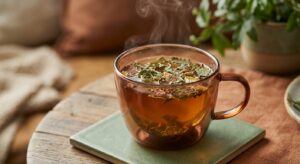
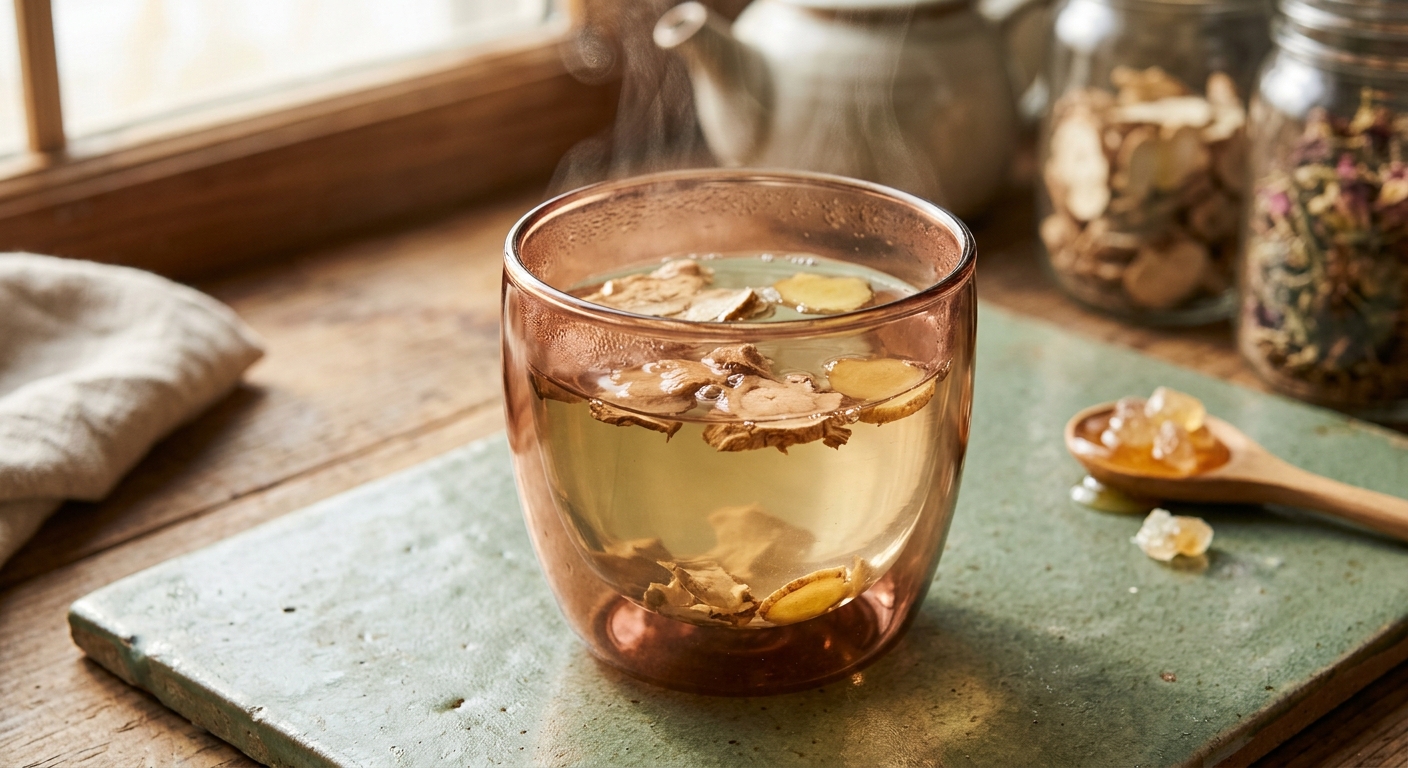
As a tea, white peony root delivers a complex sensory experience that sets it apart from more familiar herbal brews. Its flavor sits at the intersection of earthy bitterness and a quiet floral sweetness, with a smooth, slightly astringent finish that herbalists describe as grounding. Brewed slowly and patiently, it produces a pale amber cup with a subtle woody fragrance that invites stillness from the very first sip. For anyone seeking a meaningful evening ritual that draws on centuries of botanical wisdom, white peony root tea is a deeply rewarding place to begin.
2
cups
Ingredients
- 6 gdried white peony root (Bai Shao), sliced or broken into pieces
- 480 mlwater (90 to 95°C / 194 to 203°F)
- —raw honey or rock sugar to taste (optional)
- —a few slices of fresh ginger (optional, for warmth)
How to Brew
Click on an item below to shop for the recommended items for this recipe on Amazon.
As an Amazon Associate, we earn from qualifying purchases.
- Measure 6 grams of dried white peony root per 480 ml of water. If your root pieces are large, break or lightly crush them with the back of a spoon to increase the surface area exposed to hot water.
- Bring filtered water to 90 to 95°C (194 to 203°F). Avoid a full rolling boil, which can degrade delicate glycosides. A kettle with temperature control is ideal; alternatively, bring to a boil and rest for one minute before pouring.
- Place the root pieces in a small saucepan or a heatproof teapot. Pour the hot water directly over the root, ensuring all pieces are submerged.
- Cover the vessel with a lid to trap volatile aromatic compounds and steep for 15 to 20 minutes. The longer end of this range produces a more potent, slightly more bitter cup with deeper medicinal concentration.
- Strain the liquid through a fine-mesh strainer into your mug, pressing the softened root pieces gently to extract the last of the brew.
- Taste before sweetening. If desired, stir in a small amount of raw honey or rock sugar. Serve warm and drink slowly, ideally 30 to 60 minutes before bed.
- Measure 8 grams of dried white peony root per 480 ml of cold, filtered water. The slightly higher ratio compared to hot brewing compensates for the lower extraction efficiency of cold water.
- Lightly crush or break the root pieces to expose more surface area, then place them in a clean glass jar with a tight-fitting lid.
- Pour cold filtered water over the root pieces, making sure they are fully submerged. Stir briefly with a long spoon.
- Seal the jar and leave it at room temperature for one hour to allow the initial extraction to begin, then transfer to the refrigerator.
- Steep in the refrigerator for a further 11 to 15 hours (a total of 12 to 16 hours from start). Overnight steeping is the most convenient approach.
- Strain through a fine-mesh strainer into a glass or pitcher. The resulting brew can be served chilled over ice, or gently warmed on the stovetop if you prefer a warm drink. It will keep refrigerated for up to 48 hours.
- Measure 8 to 10 grams of dried white peony root per 600 ml of filtered water. Place the root pieces in a small, non-reactive saucepan (ceramic-coated or stainless steel is ideal). Add any companion herbs at this stage, such as 2 to 3 slices of fresh ginger or a small piece of dried tangerine peel, if desired.
- Pour the cold water over the herbs and let them soak for 15 minutes before applying heat. This pre-soak softens the root fibers and improves extraction efficiency, a practice consistent with classical Chinese decoction technique.
- Place the saucepan over medium heat and bring the liquid to a gentle simmer. Once small bubbles are visible at the edges (approximately 85 to 90°C / 185 to 194°F), reduce the heat to low to maintain a steady but gentle simmer. Do not allow it to boil vigorously.
- Simmer uncovered for 25 to 30 minutes. You will notice the liquid gradually deepening in color to a warm amber and reducing in volume. If the liquid reduces by more than a third, add a small splash of hot water to compensate.
- Remove from heat and allow the decoction to rest for 5 minutes. Strain through a fine-mesh strainer into a heatproof measuring jug, pressing the root pieces firmly to extract all liquid.
- Pour into cups. The yield will be approximately 400 ml of concentrated tea from the original 600 ml. Sip slowly and mindfully. A traditional serving is 150 to 200 ml per dose, taken warm in the evening.
Health Benefits
Paeoniflorin, the dominant compound in white peony root, has been shown in animal and in vitro studies to potentiate GABA receptor activity, the same inhibitory pathway targeted by common sleep medications. This translates to reduced time to sleep onset and improved sleep continuity without the grogginess associated with pharmaceutical sedatives.
White peony root has a well-documented history as a nervine in TCM, and modern research supports this. Paeoniflorin demonstrates anxiolytic activity comparable to diazepam in rodent models, partly through modulation of the HPA axis and reduction of corticosterone (the stress hormone) levels under chronic stress conditions.
In classical Chinese medicine, Bai Shao is one of the premier herbs for spasmolytic complaints. Albiflorin and paeoniflorin both act on smooth and skeletal muscle, and the combination is frequently prescribed for menstrual cramps, leg cramps, and the physical tension that can prevent sleep.
Traditional TCM doctrine assigned white peony root to the Liver meridian, and contemporary research has identified hepatoprotective activity. Paeoniflorin and paeonol have both shown the ability to reduce liver enzyme elevations and protect hepatocytes from oxidative damage in experimental models.
The polyphenol and glycoside content of white peony root contributes meaningful antioxidant capacity. Benzoylpaeoniflorin in particular has shown inhibition of NF-kB signaling pathways, a key mediator of systemic inflammation that is increasingly linked to sleep disruption and mood disorders.
🧪 Key Bioactive Compounds
The Science Behind White Peony Root
The pharmacological activity of white peony root is driven primarily by a family of monoterpene glycosides, with paeoniflorin accounting for roughly 2 to 5 percent of the dried root by weight. Paeoniflorin’s interaction with the central nervous system is multifaceted. It has been shown to positively modulate GABA-A receptors, the principal inhibitory receptors in the brain, producing effects that reduce neuronal firing rates and promote a calm, restful state. Research published in peer-reviewed pharmacology journals has demonstrated that paeoniflorin also suppresses the release of glutamate, the brain’s primary excitatory neurotransmitter, creating a dual mechanism that effectively quiets an overactive nervous system. This action offers a compelling scientific basis for its centuries-long use as a calming and sleep-supporting herb.
Beyond the nervous system, paeoniflorin and its related glycoside albiflorin exert notable anti-spasmodic effects on smooth and skeletal muscle tissue. Studies suggest these compounds inhibit voltage-gated calcium channels in muscle cells, reducing the intracellular calcium influx that triggers muscle contraction. This mechanism directly supports the traditional TCM indication for muscle cramping, night-time leg restlessness, and the physical tension that disrupts sleep. Interestingly, this calcium-channel modulation also contributes to white peony root’s mild cardiovascular benefits, including a gentle vasodilatory effect that can help lower elevated blood pressure over time.
The herb’s anti-inflammatory profile is underpinned by several compounds working in concert. Benzoylpaeoniflorin has demonstrated the ability to inhibit NF-kB, a transcription factor that orchestrates the production of pro-inflammatory cytokines including IL-6 and TNF-alpha. Chronic low-grade neuroinflammation is increasingly recognized as a significant contributor to insomnia, anxiety disorders, and mood dysregulation, meaning white peony root may address sleep disruption at a more fundamental physiological level than simple sedation alone. The polyphenol paeonol adds further antioxidant capacity, scavenging free radicals and reducing oxidative stress in neural tissue, which supports overall brain health and resilience over long-term use.
Brewing Tips
- Source your white peony root from a reputable TCM supplier or herb apothecary that provides batch testing for heavy metals and pesticides. Roots grown in industrial agricultural regions can accumulate contaminants, so certified organic or tested sourcing is especially important for a herb you intend to use regularly.
- Do not discard the root pieces after a single brew. White peony root holds enough active compounds for a second steeping, especially after a hot brew. Simply re-steep the same pieces with fresh hot water for an additional 10 to 15 minutes, producing a lighter but still beneficial second cup.
- If you find the bitterness of a hot brew too pronounced, try the cold brew method first. The lower temperature extraction yields a noticeably gentler, more approachable flavor while still delivering meaningful amounts of paeoniflorin and related glycosides.