Rhodiola rosea, also called golden root or roseroot, grows in the cold, rocky highlands of Siberia, Scandinavia, Iceland, and the mountains of Central Asia. For centuries, people living in these harsh climates turned to its thick, aromatic rhizome to endure long winters and demanding physical labor. Vikings are said to have used it for strength, and in Siberia, the root was traditionally given to newlyweds and travelers as a tonic for stamina and vitality. Russian researchers in the 20th century studied it extensively, and it earned a place among the classic adaptogens, a term for herbs thought to help the body adapt to stress.
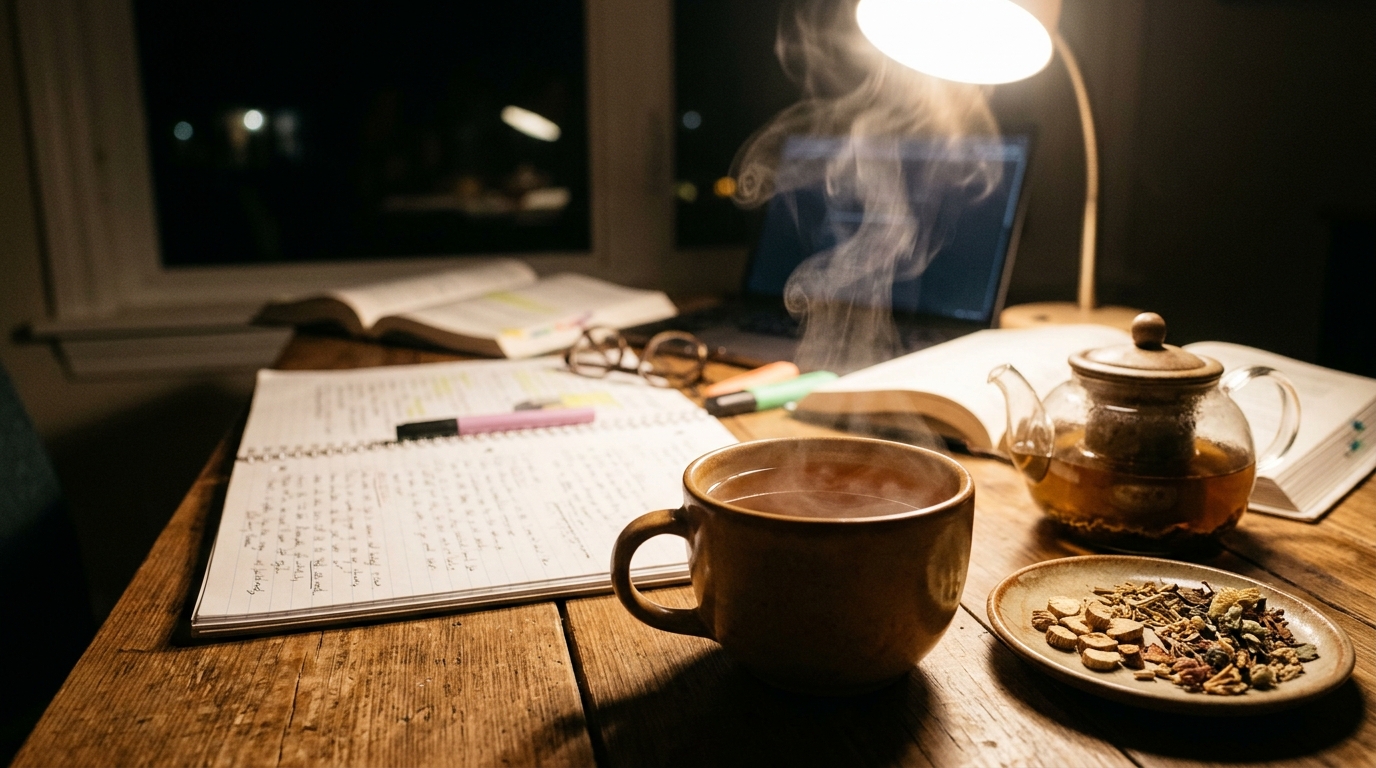
For students in the thick of exam season, the appeal is easy to understand. Long evenings of reading, memorizing, and problem solving tax both mind and body, and the usual remedy of coffee or energy drinks can leave you wired, anxious, and unable to sleep afterward. Rhodiola takes a different path. Rather than stimulating the nervous system directly, it is traditionally used to support resilience to mental fatigue and the wear of prolonged stress, which many people describe as a calm, steady kind of focus.
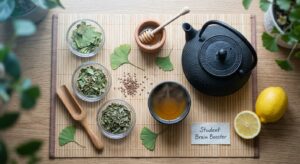
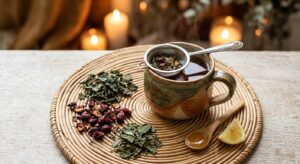
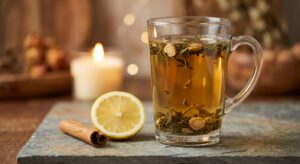
The tea itself has a distinctive character. The dried root smells faintly of roses (hence the species name rosea) with an earthy, slightly resinous undertone, and the brew is mildly bitter and astringent with a soft floral finish. Because rhodiola can feel mildly activating for some people, this evening tea is best enjoyed in the early evening, at the start of a study session, rather than right before bed. Think of it as a companion for the work, not a sleep aid.
2
cups
Ingredients
- 2 tspdried rhodiola root, cut and sifted
- 480 mlwater (95°C / 203°F)
- 1 tspdried peppermint leaf (optional, for brightness)
- —raw honey or a squeeze of lemon to taste (optional)
How to Brew
Click on an item below to shop for the recommended items for this recipe on Amazon.
As an Amazon Associate, we earn from qualifying purchases.
- Measure 1 teaspoon of cut and sifted dried rhodiola root per 240 ml of water into a large infuser basket or the bottom of a teapot. If you are using peppermint, add it now.
- Bring fresh water to just below a full boil, about 95°C (203°F). Fully boiling water can push the extraction toward harsh bitterness.
- Pour the hot water over the root and immediately cover the vessel with a lid or small plate to keep the volatile aromatics from escaping.
- Steep for 10 to 12 minutes. The liquid should turn a pale amber with a gentle rose-and-wood scent.
- Remove the infuser or strain the tea into your mug. Press the root lightly against the strainer to release the last of the liquid.
- Sweeten with a little raw honey or add a squeeze of lemon if you find the astringency strong. Sip slowly as you settle into your study session.
- Add 2 tablespoons of cut and sifted dried rhodiola root to a clean 1-liter glass jar. The ratio is higher than hot brewing because cold water extracts more slowly.
- Pour in 1 liter of cold, filtered water and stir gently so all of the root is submerged.
- Seal the jar and let it sit on the counter for 30 minutes, then transfer it to the refrigerator.
- Steep in the fridge for 8 to 10 hours, or overnight. Give the jar a gentle swirl once if you remember.
- Strain through a fine-mesh sieve or a coffee filter into a clean bottle to remove all root particles.
- Serve over ice with a lemon wedge or a few mint leaves. Keep refrigerated and drink within 48 hours.
- Place 2 teaspoons of dried rhodiola root in a small saucepan with 360 ml of cold water. Starting with cold water lets the root hydrate gradually.
- Bring the pot slowly to a boil over medium heat, then reduce to the lowest simmer.
- Cover and simmer gently for 15 to 20 minutes. The liquid will reduce slightly and darken to a rich golden brown.
- Remove the pot from the heat and let it rest, covered, for 5 minutes so the flavors settle.
- Strain through a fine-mesh sieve into a warmed mug, pressing the root to extract the remaining liquid.
- Taste before sweetening. The decoction is bolder and more bitter than an infusion, so a little honey, a cinnamon stick, or a splash of oat milk can round it out.
Health Benefits
Several small clinical trials, including studies on students and on night-shift workers, found that rhodiola extract reduced fatigue and improved performance on mental tasks. Results are encouraging but vary with extract type and dose.
As a classic adaptogen, rhodiola appears to modulate the body’s stress response, including activity along the hypothalamic-pituitary-adrenal axis. Trials in people with stress-related fatigue have reported improved symptoms over several weeks.
Studies suggest rhodiola may help sustain attention and concentration during demanding tasks, likely by influencing monoamine neurotransmitters such as serotonin and dopamine, without the sharp spike and crash of caffeine.
Preliminary research indicates rhodiola may ease mild low mood and emotional strain linked to stress. It should not replace professional care for anxiety or depression.
Salidroside, tyrosol, and related phenolics show antioxidant activity in laboratory work, which may help protect cells from the oxidative load associated with chronic stress and poor sleep.
🧪 Key Bioactive Compounds
The Science Behind Rhodiola
Rhodiola rosea contains more than 140 identified compounds, but research has focused on two main groups: the rosavins (rosavin, rosarin, and rosin) and salidroside. Rosavins are found only in Rhodiola rosea, which is why they serve as a quality marker, while salidroside appears in several rhodiola species. Together, these compounds are thought to give the plant its adaptogenic character, helping the body maintain balance under stress rather than simply pushing it in one direction.
The proposed mechanisms are varied. Laboratory and animal studies suggest rhodiola influences the stress-response system, including the release of cortisol and stress-activated proteins. It may also affect monoamine neurotransmitters such as serotonin, dopamine, and norepinephrine, which play roles in mood, motivation, and attention. Salidroside has been studied for its effects on cellular energy metabolism and for protecting neurons from oxidative damage, which may help explain the reduction in perceived fatigue reported in human trials.
It is worth being honest about the limits of the evidence. Many human studies are small, short, and use standardized extracts at specific doses, which is different from a cup of tea. A brewed tea delivers a lower and less predictable dose of active compounds, so the effect is likely gentler. Rhodiola is best viewed as a supportive ritual alongside good sleep, nutrition, movement, and breaks, rather than a substitute for them during exam season.
Brewing Tips
- Drink your rhodiola tea early in the evening, at the start of a study session, since its mildly activating nature may disrupt sleep if taken close to bedtime.
- Buy cut and sifted root from a reputable supplier and check that it is Rhodiola rosea, as other species have different compound profiles.
- Start with a weaker brew for the first few days to see how your body responds before increasing the amount.
- Cold brew a large batch on Sunday night so you have a smooth, ready-to-drink study tea waiting in the fridge all week.
- Take breaks from rhodiola every few weeks rather than using it continuously, as is traditional with adaptogens.