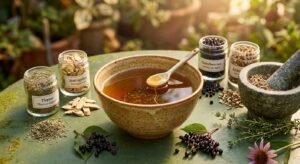
Long before echinacea lined the shelves of health food stores, it grew wild across the prairies of North America, and the Plains Indigenous peoples, including the Lakota, Cheyenne, and Comanche, knew it well. Echinacea purpurea, Echinacea angustifolia, and Echinacea pallida were used for generations to treat wounds, toothaches, sore throats, snakebites, and infections. It became one of the most widely used medicinal plants in the region, and by the late 1800s it had found its way into the practice of American physicians, who prescribed it for colds, flu, and septic conditions.
Today echinacea remains one of the best-selling herbal remedies in the world, particularly in the colder months. Its tea is distinctive: earthy and slightly bitter, with a curious tingling, numbing sensation on the tongue that comes from compounds called alkylamides. Rather than a gentle floral brew, echinacea tea is a plant-forward cup that tastes the way traditional medicine feels, grounded, a little wild, and deeply comforting when you are feeling run down.
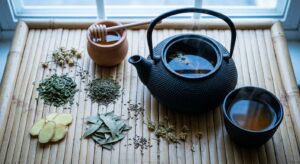
Making echinacea an evening ritual turns a remedy into a moment of calm. Pairing the herb with a few soothing companions, such as a slice of ginger or a spoonful of honey, creates a warm cup to slow down with at the end of the day. Rest is when the body does much of its repair work, so a small habit that signals winding down while supporting your seasonal wellness is a lovely thing to build into your night.
2
cups
Ingredients
- 2 tspdried echinacea (root, leaf, and flower blend)
- 480 mlwater (95°C / 203°F)
- 2 slicesfresh ginger (optional)
- —raw honey to taste (optional)
- —a squeeze of fresh lemon (optional)
How to Brew
Click on an item below to shop for the recommended items for this recipe on Amazon.
As an Amazon Associate, we earn from qualifying purchases.
- Bring fresh, filtered water to a boil, then let it rest for about 30 seconds so it settles near 95°C (203°F). Echinacea leaf and flower tolerate hot water well, and the root benefits from it.
- Measure 2 teaspoons of dried echinacea into a tea infuser or directly into a warmed teapot. If you are using a mix that includes a lot of root pieces, lean toward the fuller teaspoon measure.
- Add the optional ginger slices to the pot, then pour 480 ml (two cups) of the hot water over the herbs.
- Cover the pot or mug with a saucer or lid to trap the volatile aromatic compounds, and steep for 10 to 15 minutes. A longer steep draws out more of the tingling alkylamides and the earthy body of the tea.
- Strain into your cups, discarding the herbs. Stir in a little raw honey and a squeeze of lemon if you like, and sip slowly about 30 to 60 minutes before bed.
- Add 2 tablespoons of dried echinacea to a clean 1-liter glass jar. Cold brewing uses a slightly higher herb-to-water ratio because the extraction is slower.
- Pour 1 liter of cool, filtered water over the herbs and stir gently with a long spoon so every piece is saturated.
- Seal the jar and place it in the refrigerator. Let it steep for 8 to 10 hours, or overnight, until the water turns a pale straw color.
- Strain through a fine mesh sieve or a layer of cheesecloth into a clean jar, pressing the herbs gently to release the last of the liquid.
- Serve over ice or at cool room temperature, with a thin slice of lemon or a drizzle of honey. Keep refrigerated and drink within 2 days.
- Measure 1 tablespoon of dried echinacea root pieces (chopped, not powdered) into a small stainless steel or enamel saucepan. Avoid reactive metals like aluminum.
- Add 480 ml of cold, filtered water and let the root soak for 10 minutes. Starting with cold water helps draw out the water-soluble polysaccharides.
- Bring the pot slowly to a gentle simmer over medium-low heat, then reduce the heat, cover, and simmer for about 15 minutes. Do not allow it to boil hard.
- Remove the pot from the heat, add a few slices of fresh ginger or a pinch of dried peppermint if you like, and let everything steep covered for another 10 minutes.
- Strain through a fine sieve into a mug, sweeten with honey if desired, and drink while warm. The flavor will be deeper, more bitter, and more tingly than the standard hot brew.
Health Benefits
Alkylamides and polysaccharides in echinacea appear to stimulate macrophages and other immune cells, and several studies suggest regular use may support the body’s defenses during cold season.
Some clinical trials and meta-analyses suggest echinacea can modestly reduce the length and severity of the common cold when started at the first sign of symptoms, though results vary by preparation and species.
The mild numbing action of alkylamides, combined with the warmth of the tea, can ease throat irritation, and traditional use for sore throats spans centuries.
Phenolic compounds such as cichoric acid and rosmarinic acid neutralize free radicals in laboratory studies, contributing to the herb’s overall protective profile.
While echinacea is not sedating, the act of sipping a warm, aromatic tea before bed helps signal the body to wind down, and good sleep is itself essential to a healthy immune response.
🧪 Key Bioactive Compounds
The Science Behind Echinacea
Echinacea’s reputation rests on a surprisingly complex chemistry. Three main groups of compounds are thought to drive its effects: alkylamides, caffeic acid derivatives such as cichoric acid and echinacoside, and high-molecular-weight polysaccharides. The alkylamides are the most intriguing. These lipid-soluble molecules are structurally similar to the body’s own endocannabinoids and bind to CB2 receptors on immune cells, which helps explain how they can influence inflammatory signaling. They are also the source of the signature tingle you feel on your tongue, a useful sensory cue that you have a well-made, potent preparation.
The polysaccharides, including arabinogalactans, are water-soluble and tend to be extracted well by hot water, making tea a sensible way to use the herb. Laboratory studies show they can activate macrophages, the immune cells that engulf pathogens and debris. Meanwhile, the phenolic acids contribute antioxidant activity, helping to counter oxidative stress that accompanies infection and inflammation.
The clinical picture is mixed but cautiously encouraging. Large reviews, including work published through the Cochrane Collaboration, have found that results differ significantly depending on the species, plant part, and preparation used, which makes direct comparisons difficult. Some well-designed trials show a modest reduction in cold incidence or duration, while others show little effect. The most reasonable takeaway is that echinacea may offer gentle support rather than a guaranteed cure, and that it works best as part of a broader approach that includes rest, hydration, and good nutrition.
Brewing Tips
- Start drinking echinacea tea at the very first sign of a scratchy throat or sluggish feeling, since most evidence supports early use rather than waiting until symptoms are established.
- Look for a blend that includes root, leaf, and flower, or choose Echinacea purpurea or angustifolia root for the strongest tingle and the fullest range of compounds.
- Use echinacea in short cycles of about one to two weeks rather than daily all season, then take a break to keep the practice mindful and avoid over-reliance.
- Cover your cup while it steeps to keep the aromatic compounds in the tea instead of the steam.
- Pair your evening cup with other low-stimulation wind-down habits, such as dimming the lights and putting your phone away, to make the ritual more restful.