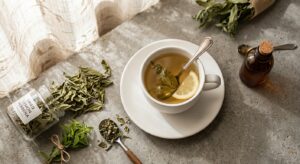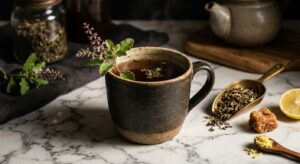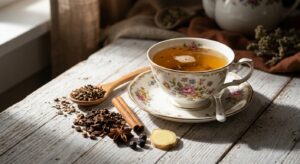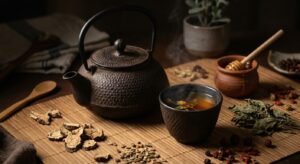
Long before the word “adaptogen” entered modern wellness vocabulary, healers in Ayurvedic India, Tibetan monasteries, and Scandinavian folk traditions were turning to the same small group of remarkable plants to help people endure hardship, illness, and exhaustion. Ashwagandha, known in Sanskrit as Withania somnifera, has been a cornerstone of Ayurvedic medicine for over 3,000 years, prescribed to warriors, elders, and anyone whose reserves had run dry. Tulsi, or holy basil (Ocimum tenuiflorum), was considered so sacred in India that it grew in nearly every household courtyard, revered as a protector of mind, body, and spirit. Rhodiola rosea, harvested from the cold rocky highlands of Siberia and Scandinavia, was traditionally given to Viking warriors before battle and to Soviet cosmonauts and athletes during the 20th century to sharpen performance under extreme conditions.
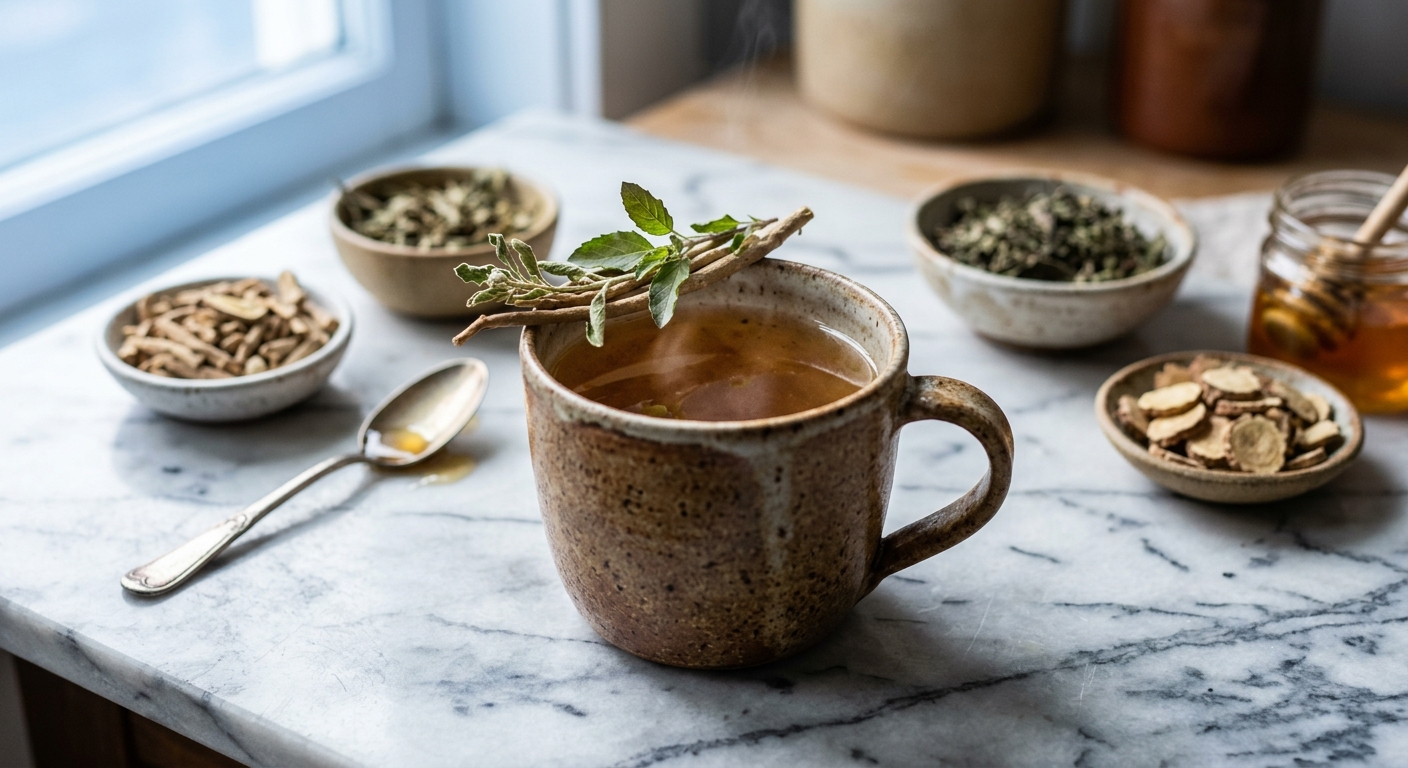
What unites these three herbs is a rare functional category: they are true adaptogens, meaning they help the body maintain homeostasis in the face of physical, emotional, and environmental stressors. Unlike stimulants that force wakefulness or sedatives that suppress the nervous system, adaptogens work bidirectionally, calming what is overstimulated and energizing what is depleted. Brewed together as a tea, they produce a deeply grounding, subtly earthy cup with warm spice notes from the tulsi and a faint bitterness from the rhodiola that speaks honestly to its potency.
This blend is best approached as a daily tonic rather than an acute remedy. The compounds responsible for its benefits, including withanolides, rosavins, and eugenol, build their effects gradually over consistent use. Many people report that after two to four weeks of daily drinking, the sharp edges of a stressful day feel more manageable, sleep quality improves, and the mental fog that often accompanies chronic stress begins to lift. Think of this tea less as a quick fix and more as a daily act of resilience.
2
cups
Ingredients
- 1 tspdried ashwagandha root (sliced or powdered)
- 1 tspdried tulsi (holy basil) leaves
- 0.5 tspdried rhodiola rosea root (sliced)
- 480 mlwater (95°C / 203°F)
- —raw honey or coconut sugar to taste (optional)
- —splash of oat milk or coconut milk (optional, helps with earthiness)
How to Brew
Click on an item below to shop for the recommended items for this recipe on Amazon.
As an Amazon Associate, we earn from qualifying purchases.
- Bring 480 ml of filtered water to 95 to 100°C (203 to 212°F) in an electric kettle or small saucepan.
- Place the ashwagandha root, tulsi leaves, and rhodiola root into a tea infuser, loose-leaf basket, or directly into a small heatproof pot.
- Pour the near-boiling water over the herbs and cover the vessel immediately with a lid or small plate to trap volatile aromatic compounds from the tulsi.
- Steep for 10 to 15 minutes. The longer end of this range will produce a more potent, slightly more bitter cup; 10 minutes is well-suited for first-time drinkers.
- Strain into your mug, pressing the herbs gently to extract all the liquid. If using powdered ashwagandha, use a fine-mesh strainer to catch any sediment.
- Sweeten with raw honey or a pinch of coconut sugar if desired, and add a splash of warm oat milk or coconut milk to soften the earthy bitterness and improve palatability.
- Measure 1.5 tsp dried ashwagandha root, 1.5 tsp dried tulsi leaves, and 1 tsp dried rhodiola root into a clean glass jar. Slightly increasing the herb quantity compensates for the slower, gentler cold extraction.
- Add 480 ml of cool filtered water (room temperature, not ice cold) to the jar and stir briefly to ensure all the herbs are submerged.
- Cover the jar loosely with a lid or cloth and let it rest at room temperature for 30 minutes before transferring to the refrigerator.
- Refrigerate overnight, or for 10 to 14 hours. The slow cold extraction produces a noticeably smoother, less astringent brew compared to hot steeping.
- The next morning, strain the blend through a fine-mesh strainer or cheesecloth into a glass, pressing the herbs gently to capture all the liquid.
- Serve over ice if desired, or at room temperature. Stir in a small drizzle of honey or a squeeze of fresh lemon juice to brighten the flavor. Drink within 24 hours of straining.
- Combine 1.5 tsp sliced ashwagandha root and 1 tsp sliced rhodiola root with 600 ml of cold filtered water in a small saucepan. Starting in cold water allows gradual extraction as the temperature rises.
- Bring the pot to a gentle simmer over medium heat, then reduce the heat to low. You want a steady, quiet simmer with small bubbles, not a rolling boil that could degrade delicate compounds.
- Simmer uncovered for 15 minutes, then add the 1.5 tsp of dried tulsi leaves to the pot. Tulsi is more delicate and should be added in the final phase so its volatile aromatic oils are preserved rather than driven off by prolonged heat.
- Continue simmering for another 5 to 10 minutes, then remove the pot from heat and cover. Allow the decoction to rest covered for 5 minutes before straining.
- Strain through a fine-mesh strainer or cheesecloth into two mugs, pressing the spent herbs firmly. You should have approximately 400 ml of concentrated, deeply colored liquid after evaporation.
- Taste before sweetening. A traditional Ayurvedic approach adds a pinch of ground cinnamon, a small pat of ghee, or a teaspoon of raw honey to balance the bitterness and support absorption of the fat-soluble withanolides in ashwagandha.
Health Benefits
A double-blind, randomized controlled trial published in Medicine (2019) found that participants taking ashwagandha root extract experienced a 30% reduction in serum cortisol compared to placebo. The withanolides in ashwagandha directly modulate the hypothalamic-pituitary-adrenal (HPA) axis, the body’s central stress regulation system.
Rhodiola rosea has been studied extensively in Scandinavian research for its fatigue-fighting effects. Clinical trials show that salidroside and rosavins reduce mental fatigue and improve performance on cognitive tasks during high-stress periods such as examination season or shift work, often producing noticeable effects within a single dose.
Ashwagandha contains triethylene glycol, a compound shown in a 2017 study in PLOS One to induce non-rapid eye movement (NREM) sleep. Unlike sedatives, it does not suppress normal sleep architecture, making it suitable for long-term use by those with stress-related insomnia.
Tulsi’s adaptogenic action is mediated partly through its ursolic acid and eugenol content, which modulate the sympathetic nervous system’s fight-or-flight response. Clinical studies on tulsi have documented reduced anxiety scores and improved cognitive flexibility in participants under chronic psychological stress.
All three herbs in this blend contain potent antioxidant compounds. Rhodiola’s salidroside, ashwagandha’s withanolides, and tulsi’s flavonoids collectively neutralize reactive oxygen species generated during chronic stress, protecting neurons, cardiovascular tissue, and the immune system from stress-induced oxidative damage.
🧪 Key Bioactive Compounds
The Science Behind Ashwagandha
The science behind this blend centers on the hypothalamic-pituitary-adrenal (HPA) axis, the biological command center for the stress response. When the brain perceives a threat, whether physical danger or a flooded inbox, the hypothalamus triggers a cascade that ends in the adrenal glands releasing cortisol. In short bursts, cortisol is adaptive and even life-saving. Under chronic stress, however, persistently elevated cortisol damages hippocampal neurons involved in memory, suppresses immune function, disrupts sleep architecture, and drives systemic inflammation. The withanolides in ashwagandha appear to interrupt this cascade at multiple points, primarily by modulating corticotropin-releasing factor (CRF) receptor sensitivity and reducing adrenal gland responsiveness to ACTH signals. A landmark 2012 double-blind trial in the Indian Journal of Psychological Medicine confirmed a 28% reduction in cortisol and significant improvements in all measures of perceived stress following 60 days of ashwagandha root extract supplementation.
Rhodiola rosea operates through complementary but distinct mechanisms. Its primary compounds, rosavins and salidroside, exert their effects primarily on the central monoaminergic system. Salidroside inhibits monoamine oxidase (MAO), the enzyme responsible for breaking down serotonin, dopamine, and norepinephrine in the synaptic cleft. This results in higher available concentrations of mood-regulating neurotransmitters during periods of stress, without the risks associated with pharmaceutical MAO inhibitors at the doses found in traditionally prepared teas. Additionally, salidroside has demonstrated neuroprotective effects in animal models, shielding hippocampal cells from stress-induced apoptosis (programmed cell death), which may explain the cognitive protective effects reported in human trials of rhodiola during high-demand periods.
Tulsi’s contributions to this blend are both neurological and systemic. Ursolic acid and several flavonoids in tulsi have been shown to downregulate NF-kB, a key transcription factor that drives the expression of inflammatory cytokines. Chronic psychological stress is now understood to generate a low-grade inflammatory state throughout the body, and this anti-inflammatory action forms a critical part of tulsi’s adaptogenic profile. Furthermore, tulsi contains compounds that enhance the activity of antioxidant enzymes including superoxide dismutase (SOD) and catalase, the body’s endogenous defense system against oxidative stress. When ashwagandha, rhodiola, and tulsi are combined, they address the stress response at three distinct but interconnected levels: hormonal regulation, neurotransmitter balance, and inflammatory signaling, making this blend considerably more comprehensive than any single herb alone.
Brewing Tips
- Use sliced or cut-and-sifted ashwagandha root rather than powder for hot brew and cold brew methods, as powder can make the tea gritty and harder to strain. Reserve ashwagandha powder for the decoction method where it incorporates more fully.
- Consistency is more important than dosage with adaptogens. Drinking one moderate cup daily for four to six weeks will produce more meaningful results than drinking several cups sporadically during stressful moments.
- If the earthy bitterness of ashwagandha is a barrier to enjoyment, add a half teaspoon of ground cinnamon or a few slices of fresh ginger during steeping. Both spices have independent stress-modulating benefits and genuinely improve palatability without masking the functional depth of the blend.