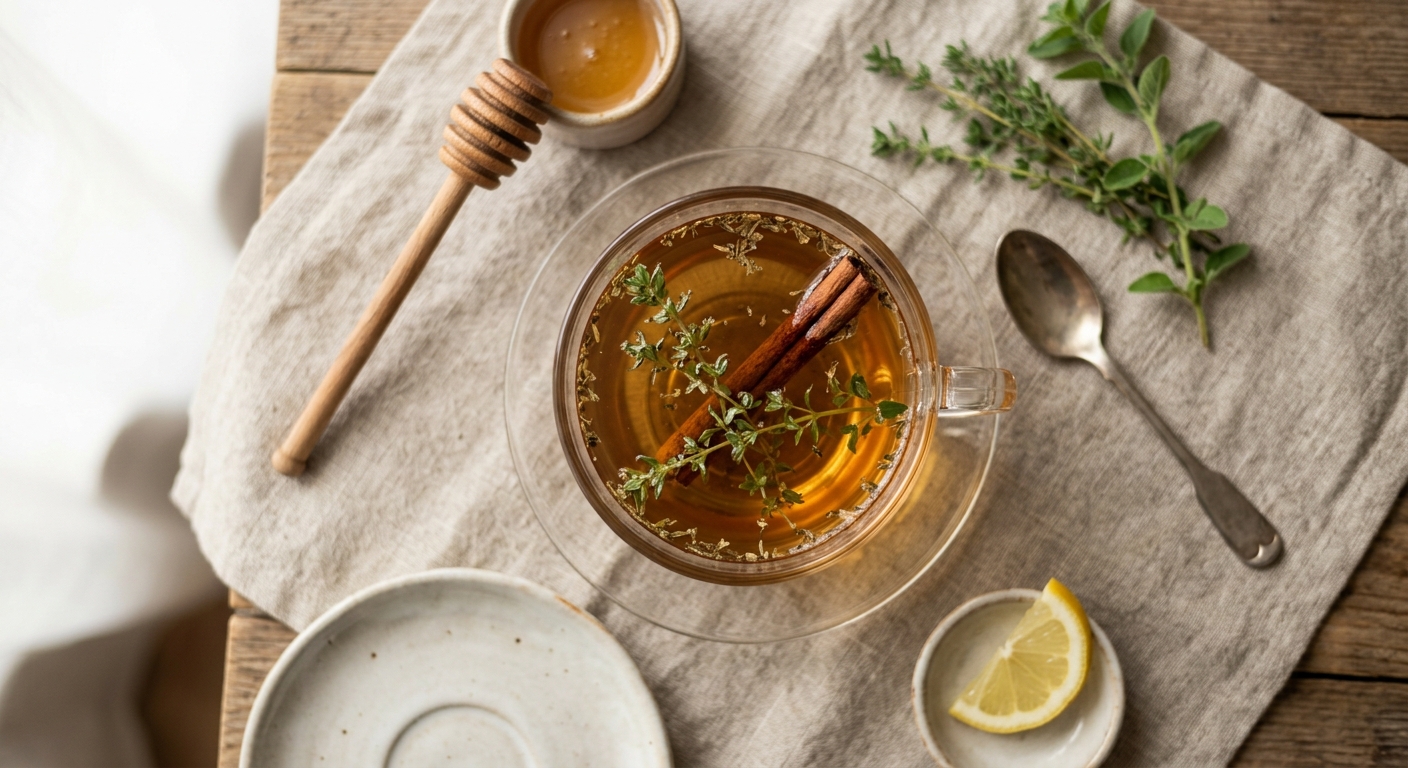
Long before pharmaceutical cough syrups lined pharmacy shelves, healers across the Mediterranean, Middle East, and Europe turned to two of the most pungent herbs in the garden to fight infection and strengthen the body. Thyme, known botanically as Thymus vulgaris, was burned as incense in ancient Greek temples, used as an embalming herb by Egyptians, and prescribed by medieval physicians as a remedy for chest ailments and digestive complaints. Oregano, Origanum vulgare, shares equally deep roots, with Hippocrates himself reportedly using it as an antiseptic and treatment for respiratory and gastrointestinal disease. Together, these two herbs form one of the most synergistic and time-tested herbal pairings in traditional plant medicine.
What makes this blend so compelling is not just its history but its remarkable concentration of bioactive compounds. Both thyme and oregano are extraordinarily rich in phenolic compounds, particularly thymol and carvacrol, two molecules that have been studied extensively for their antimicrobial, antiviral, and anti-inflammatory properties. When brewed as a tea, these volatile oils and antioxidants are released into the water, creating a deeply aromatic infusion that works from the inside out. The steam alone, rising from a freshly poured cup, acts as a natural aromatherapeutic decongestant, while the liquid itself coats and soothes irritated throat tissue.
This is not a delicate floral tea meant for quiet afternoons. Thyme and oregano blend tea is bold, herbaceous, and unapologetically medicinal in character, though it carries an earthy warmth and subtle sweetness that makes it genuinely enjoyable to drink. A spoonful of raw honey and a squeeze of lemon transform it into something that feels as comforting as it is curative. Whether you are at the first sign of a cold, deep in the middle of one, or simply looking to build your immune resilience through the colder months, this is one herbal tea that earns its place in the medicine cabinet and the kitchen alike.
2
cups
Ingredients
- 2 tspdried thyme
- 1 tspdried oregano
- 480 mlwater (95°C / 203°F)
- —raw honey to taste (optional)
- —fresh lemon juice to taste (optional)
- —1 cinnamon stick for added warmth (optional)
How to Brew
Click on an item below to shop for the recommended items for this recipe on Amazon.
As an Amazon Associate, we earn from qualifying purchases.
- Measure 2 teaspoons of dried thyme and 1 teaspoon of dried oregano per 240 ml of water. If using fresh herbs, double the quantity to 4 teaspoons thyme and 2 teaspoons oregano.
- Bring filtered water to 93 to 96°C (199 to 205°F). You want water that is just below a rolling boil to preserve the volatile aromatic oils without scorching them away entirely.
- Place the herbs into a tea infuser, mesh strainer, or directly into a teapot. Pour the hot water over the herbs, ensuring all plant material is fully submerged.
- Cover the mug or teapot with a lid or small plate to trap the volatile oils and steam that carry much of the medicinal benefit. Steep for 10 to 15 minutes. The longer end of the range produces a more potent, medicinal cup.
- Strain the herbs thoroughly and discard or compost them. Squeeze in fresh lemon juice and stir in raw honey while the tea is still warm so the honey dissolves fully and contributes its own antimicrobial properties.
- Sip slowly while inhaling the steam, especially if you are experiencing nasal congestion. Drink up to 3 cups per day during acute illness.
- Combine 3 teaspoons of dried thyme and 1.5 teaspoons of dried oregano with 480 ml of cold, filtered water in a glass jar. Cold brew uses a slightly higher herb ratio than hot brew to compensate for the slower, lower-temperature extraction.
- Stir the herbs gently to ensure they are fully saturated and making contact with the water. Do not crush or muddle the herbs at this stage, as that can introduce unwanted bitterness.
- Seal the jar with a lid and leave it at room temperature for 1 hour to begin the initial extraction, then transfer to the refrigerator.
- Allow the tea to steep in the refrigerator for a total of 8 to 12 hours, or overnight. The cold environment slows extraction and draws out water-soluble antioxidants like rosmarinic acid while leaving some of the harsher resins behind.
- Strain the infusion through a fine mesh strainer or cheesecloth, pressing gently on the herbs to extract the remaining liquid. Discard the herbs.
- Serve over ice with a wedge of lemon and a few drops of raw honey or a light honey simple syrup. The cold brew can be stored in the refrigerator for up to 48 hours.
- Combine 1 tablespoon of dried thyme and 2 teaspoons of dried oregano with 600 ml of cold, filtered water in a small saucepan. The higher herb-to-water ratio accounts for the evaporation that occurs during simmering.
- Place the saucepan over medium heat and bring the water slowly up to a gentle boil, allowing the herbs to begin releasing their oils as the temperature rises. Do not rush this step.
- Once boiling, reduce the heat to a low simmer and cover the saucepan partially with a lid, leaving a small gap to allow some evaporation while still trapping the majority of the volatile compounds. Simmer for 15 to 20 minutes.
- Remove from heat and allow the decoction to cool, covered, for an additional 5 minutes. This resting period allows any remaining compounds to settle into the liquid.
- Strain through a fine mesh strainer or cheesecloth into a mug or jar, pressing the spent herbs firmly to extract every drop. You should yield approximately 400 ml of concentrated decoction.
- Drink one cup of the decoction warm, sweetened with raw honey and lemon if desired. The remaining liquid can be stored in the refrigerator for up to 24 hours and gently reheated before drinking. Use this method for no more than 5 to 7 consecutive days.
Health Benefits
Thymol and carvacrol, the principal phenolic compounds in thyme and oregano respectively, have been shown in multiple in vitro studies to disrupt bacterial cell membranes and inhibit the replication of several common respiratory viruses. While human clinical trials are still limited, these findings support the long-standing traditional use of these herbs during infections.
Thyme has been approved by Germany’s Commission E as a treatment for upper respiratory catarrh and bronchitis, with studies showing thyme extract reduces cough frequency and severity comparably to some pharmaceutical expectorants. The anti-inflammatory action of both herbs helps calm irritated mucous membranes lining the throat and airways.
The volatile oils in thyme and oregano, particularly thymol and carvacrol, act as natural expectorants, helping to loosen and clear mucus from the bronchial passages. Inhaling the steam from a freshly brewed cup provides additional direct aromatherapeutic decongestant benefit to blocked nasal passages.
Both herbs rank among the highest antioxidant-density foods measured by ORAC values, largely due to their rosmarinic acid, luteolin, and apigenin content. These compounds neutralize free radicals that can damage immune cells and impair immune function, helping the body maintain a stronger and more responsive defense system.
Chronic low-grade inflammation weakens immune responsiveness and prolongs recovery from illness. The combined luteolin, rosmarinic acid, and ursolic acid content in this herbal blend inhibits key pro-inflammatory pathways, including COX-2 and NF-kB signaling, reducing systemic inflammation and supporting faster recovery.
🧪 Key Bioactive Compounds
The Science Behind Thyme
The therapeutic reputation of thyme and oregano is not merely rooted in tradition; it is increasingly supported by a growing body of scientific research into their principal bioactive compounds. Thymol, a phenolic monoterpene that gives thyme its characteristic sharp aroma, has been demonstrated in numerous laboratory studies to disrupt the integrity of bacterial cell membranes, effectively killing or inhibiting the growth of pathogens including Streptococcus pyogenes, Haemophilus influenzae, and Staphylococcus aureus. Carvacrol, the structurally similar dominant phenol in oregano, operates through comparable mechanisms and has shown efficacy against a wider range of organisms in vitro, including some antibiotic-resistant strains. Both compounds also appear to interfere with viral replication in cell-based models, though human clinical evidence for antiviral effects specifically remains an active area of investigation.
Rosmarinic acid deserves particular attention as one of the most potent and well-studied polyphenols present in both herbs. It functions simultaneously as a free-radical scavenger, protecting immune cells from oxidative damage, and as an anti-inflammatory agent by inhibiting the production of pro-inflammatory cytokines including interleukin-6 and tumor necrosis factor alpha. This dual action is clinically relevant during acute illness, when unchecked inflammation can prolong symptoms and delay recovery. Luteolin, a flavonoid shared by both herbs, further amplifies this anti-inflammatory effect by suppressing COX-2 enzyme activity, the same target addressed by many over-the-counter anti-inflammatory medications, through a gentler, non-synthetic pathway.
Perhaps most relevant to the respiratory applications for which this tea has been used historically is the expectorant and mucolytic activity of thymol and carvacrol. These volatile compounds, when consumed as a warm tea, are thought to irritate bronchial secretory cells in a mild way that stimulates the production of thinner, more easily expelled mucus. Germany’s Commission E, a scientific body that evaluates herbal medicines, formally approved thyme preparations for the treatment of upper respiratory infections and bronchitis based on a review of clinical evidence, making it one of the few culinary herbs to receive such regulatory recognition for medicinal use. The decoction method, which simmers these herbs for an extended period, produces the highest concentration of these therapeutic compounds in a single preparation.
Brewing Tips
- If using fresh herbs instead of dried, roughly bruise the sprigs between your fingers before steeping to help release the volatile oils locked within the plant tissue.
- Store dried thyme and oregano in airtight glass containers away from heat and direct light. Herbs older than 12 months lose significant volatile oil content and produce a noticeably weaker, less therapeutic tea.
- For a more complex and soothing cold remedy blend, add a thin slice of fresh ginger and two whole cloves to the pot before brewing. Both amplify the warming, antimicrobial, and anti-inflammatory action of the thyme and oregano base.