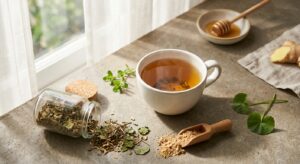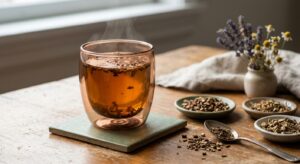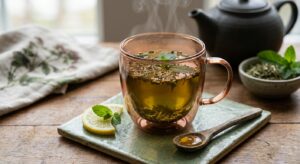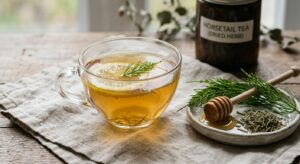
Long before pharmaceutical nootropics filled shelves, healers across Asia, Europe, and Ayurvedic traditions turned to plants to sharpen the mind. Ginkgo biloba, one of the oldest living tree species on Earth, has been used in Traditional Chinese Medicine for over 2,000 years to improve mental clarity and circulation to the brain. Rosemary, celebrated in ancient Greece where scholars wore garlands of it during examinations, has long been associated with memory and remembrance. Gotu kola, a cornerstone of Ayurvedic and traditional Southeast Asian medicine, earned the nickname “the herb of enlightenment” for its reputation in supporting longevity and mental acuity.
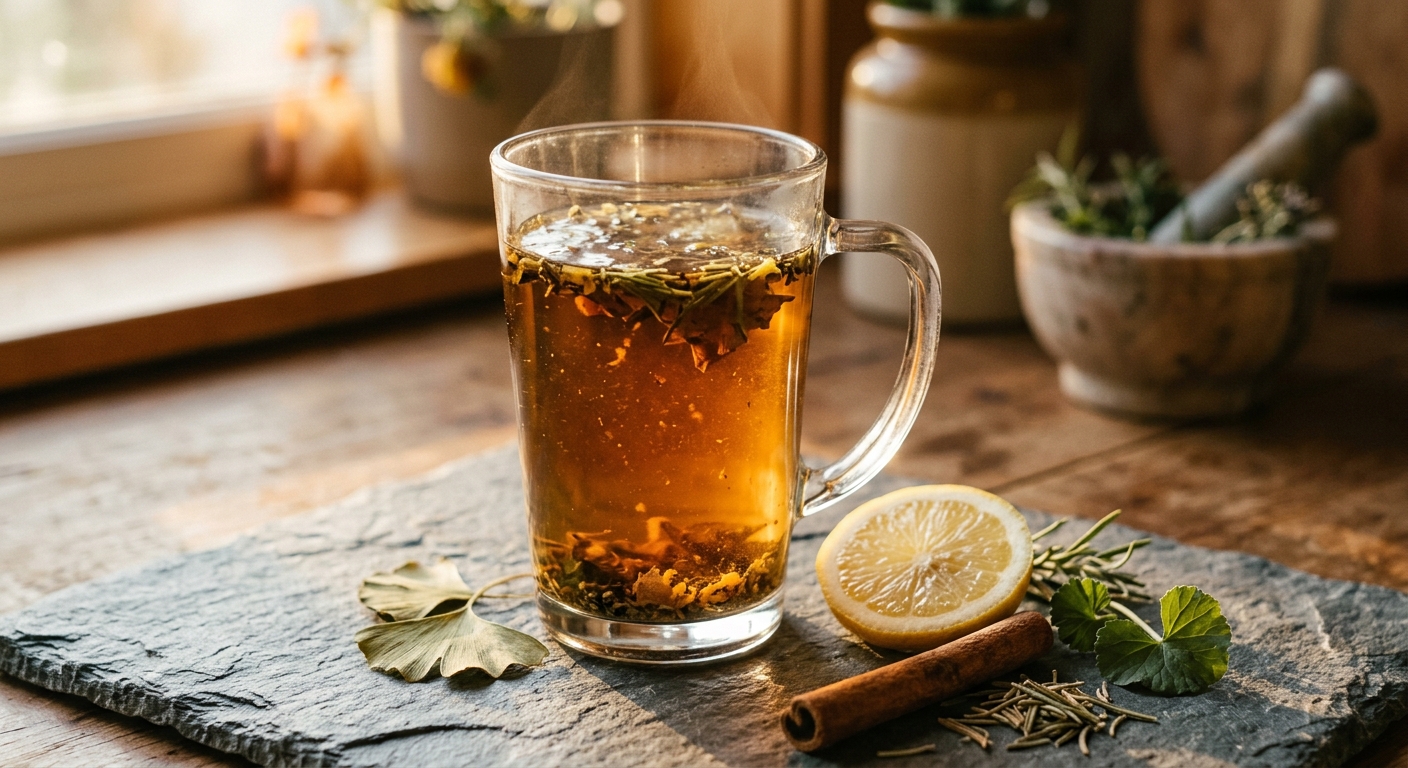
Together, these three herbs form a synergistic blend that works through complementary mechanisms. Ginkgo improves microcirculation and delivers oxygen-rich blood to brain tissue. Rosemary contributes volatile compounds that have been shown in clinical research to measurably improve memory performance. Gotu kola supports the regeneration of nerve pathways and helps calm the mental noise that prevents deep concentration. The result is a tea that is as grounding as it is invigorating, earthy and aromatic with a faintly resinous finish.
Whether you are preparing for a demanding workday, studying for an exam, or simply looking to support your cognitive health over the long term, this memory enhancement blend offers a gentle and natural approach. It is best enjoyed in the morning or early afternoon, allowing its circulatory and focus-boosting effects to carry you through the hours ahead without interfering with sleep.
2
cups
Ingredients
- 1.5 tspdried ginkgo biloba leaves
- 1 tspdried rosemary leaves
- 1 tspdried gotu kola herb
- 480 mlwater (90°C / 194°F)
- —raw honey or lemon to taste (optional)
How to Brew
Click on an item below to shop for the recommended items for this recipe on Amazon.
As an Amazon Associate, we earn from qualifying purchases.
- Heat filtered water to 90 to 95°C (194 to 203°F). Avoid a full rolling boil, as temperatures above 100°C can degrade the delicate flavonoid glycosides in ginkgo and volatile aromatic compounds in rosemary.
- Measure 1.5 teaspoons of dried ginkgo biloba leaves, 1 teaspoon of dried rosemary, and 1 teaspoon of dried gotu kola per 240 ml of water. Place all three herbs together into a mesh tea infuser or tea strainer basket.
- Place the infuser into your mug or teapot and pour the hot water directly over the herbs, ensuring all plant material is fully submerged. Cover with a lid or small plate to trap volatile aromatic compounds, which are key to rosemary’s cognitive effects.
- Steep for 7 to 10 minutes. For a lighter, more refreshing cup, aim for 7 minutes. For a more medicinal, full-bodied brew with deeper bitterness, steep for the full 10 minutes.
- Remove the infuser and discard the spent herbs. Taste before adding any sweetener. A small amount of raw honey can round out the bitterness without masking the herbal complexity. Sip slowly and enjoy within 20 minutes for peak aromatic potency.
- Measure a slightly increased ratio of herbs: 2 teaspoons of dried ginkgo biloba, 1.5 teaspoons of dried rosemary, and 1.5 teaspoons of dried gotu kola per 480 ml of cold, filtered water. Cold water extracts more slowly, so a higher herb-to-water ratio compensates.
- Combine the herbs and cold water in a glass jar. Stir gently to ensure all plant material is wet and submerged. Do not use a metal container, as prolonged contact can affect flavor.
- Seal the jar and leave it on your countertop at room temperature for the first 1 to 2 hours to begin extraction, then transfer to the refrigerator for the remaining 8 to 12 hours, ideally overnight.
- The next morning, strain the liquid through a fine-mesh strainer lined with cheesecloth or a nut milk bag to remove all fine herb particles. Cold-brewed ginkgo can leave fine leaf sediment, so double-straining is recommended.
- Pour over ice or enjoy chilled. The cold brew will keep refrigerated for up to 48 hours. Add a squeeze of lemon or a few fresh mint leaves to brighten the flavor before serving.
- Use a 3x ratio of herbs to water: 4 teaspoons of dried ginkgo biloba, 3 teaspoons of dried rosemary, and 3 teaspoons of dried gotu kola per 480 ml of filtered water. This higher concentration is intentional, as the concentrate will be diluted before drinking.
- Bring water to a near boil at 95 to 100°C (203 to 212°F) in a small saucepan. Add all herbs directly to the water rather than using an infuser, maximizing surface area contact for a more thorough extraction.
- Reduce heat to the lowest setting to maintain a gentle simmer, not a rolling boil. Cover the saucepan with a lid to minimize evaporation and retain aromatic volatiles. Simmer and steep for 15 to 20 minutes.
- Remove from heat and allow to cool for 5 minutes. Strain through a fine-mesh sieve lined with cheesecloth, pressing the herb material gently to extract every drop of liquid.
- Pour the finished concentrate into a clean glass jar and refrigerate. To serve, dilute approximately 60 to 80 ml of concentrate with 160 to 180 ml of hot water or pour over ice with cold water. Taste and adjust ratio to preference. Label the jar with the preparation date.
Health Benefits
Ginkgo biloba flavonol glycosides and bilobalide work together to improve cerebral blood flow, ensuring the brain receives adequate oxygen and glucose during cognitively demanding tasks. Multiple meta-analyses have shown standardized ginkgo extracts to produce measurable improvements in working memory, particularly in adults over 50.
Gotu kola’s asiaticoside and related triterpenes stimulate BDNF and nerve growth factor (NGF), proteins essential for the formation of new synaptic connections. Research published in peer-reviewed neuroscience journals has demonstrated that gotu kola supplementation enhances dendritic branching in hippocampal neurons, the very region responsible for memory formation.
The volatile compound 1,8-cineole in rosemary acts as a mild, natural acetylcholinesterase inhibitor, slowing the breakdown of acetylcholine in the synaptic cleft. A controlled study by Northumbria University found that participants in rooms diffused with rosemary aroma showed significantly higher scores on prospective memory tests compared to controls.
Chronic low-grade neuroinflammation is increasingly recognized as a contributing factor to cognitive decline and brain fog. Ursolic acid from rosemary and madecassoside from gotu kola both down-regulate pro-inflammatory cytokine pathways in the central nervous system, helping clear the mental fog that inflammation produces.
The brain is especially vulnerable to oxidative damage due to its high oxygen consumption and lipid-rich composition. Ginkgo flavonoids, gotu kola triterpenoids, and rosemary’s rosmarinic acid collectively quench reactive oxygen species in neural tissue, offering long-term neuroprotective benefits with regular consumption.
🧪 Key Bioactive Compounds
The Science Behind Ginkgo Biloba
The science behind this memory blend centers on three distinct but complementary mechanisms: cerebrovascular circulation, cholinergic preservation, and neurotrophin stimulation. Ginkgo biloba’s standardized extract, typically defined by its flavonol glycoside and terpene lactone content, has been studied in over 400 clinical trials. Its bilobalide content exerts neuroprotective effects by stabilizing mitochondrial membrane potential in neurons under ischemic or oxidative stress, while ginkgolides A and B selectively antagonize platelet-activating factor receptors, improving blood viscosity and microcirculation in the fine capillaries of the cerebral cortex and hippocampus.
Rosemary’s cognitive science is perhaps the most immediately tangible. The volatile monoterpene 1,8-cineole crosses the blood-brain barrier rapidly after inhalation or ingestion and measurably inhibits acetylcholinesterase, the enzyme that degrades acetylcholine after synaptic transmission. Since acetylcholine is the primary neurotransmitter involved in learning, attention, and episodic memory, even a modest elevation in synaptic acetylcholine levels produces noticeable improvements in memory recall speed and sustained attention. A landmark 2012 study by Moss and colleagues demonstrated a direct correlation between blood plasma concentrations of 1,8-cineole and scores on cognitive performance tests, making rosemary one of the few culinary herbs with direct pharmacokinetic evidence supporting its traditional reputation.
Gotu kola completes the triad by addressing the structural foundation of memory. Asiaticoside and madecassoside, its primary triterpenoid saponins, activate the ERK/MAPK signaling pathway, which is intimately involved in BDNF synthesis and long-term potentiation, the cellular mechanism by which the brain converts short-term experiences into long-term memories. Animal and human studies have shown that gotu kola extract increases dendritic arborization in hippocampal neurons, essentially creating more physical connections between brain cells. When combined with ginkgo’s circulatory support and rosemary’s cholinergic action, gotu kola rounds out a blend that addresses memory from the cellular level upward.
Brewing Tips
- Use whole dried rosemary leaves rather than powdered rosemary for this blend. Ground rosemary over-extracts quickly and produces a harsh, camphor-forward bitterness that overwhelms the subtler flavors of ginkgo and gotu kola.
- For best cognitive results, drink this tea consistently rather than occasionally. The neuroprotective and BDNF-stimulating effects of gotu kola in particular accumulate over several weeks of regular use, making this a long-term ritual rather than a one-time remedy.
- Store your dried herb blend in an airtight amber glass jar away from heat and light. Ginkgo flavonoids and rosemary’s volatile oils degrade significantly when exposed to UV light and humidity, which will reduce both potency and flavor within weeks if left in open or clear containers.