Marjoram has been quietly soothing nervous systems for millennia. Ancient Egyptians used it in medicinal preparations, and Greek physicians prescribed it as a remedy for anxiety and restless sleep. In classical mythology, Aphrodite herself was said to have cultivated marjoram on Mount Olympus, lending it an enduring association with peace, happiness, and gentle comfort. Throughout medieval Europe, marjoram bundles were hung in homes and tucked beneath pillows, a folk practice rooted in the intuitive understanding that this herb carries something inherently calming in its fragrance.
What sets marjoram apart from its more famous cousin oregano is its temperament. Where oregano is bold and resinous, marjoram is warm, sweet, and almost floral, with a delicate pine-like undertone that makes it as pleasant to sip as it is to inhale. This gentleness extends to its effects on the body. Marjoram has a longstanding reputation as a nervine tonic, meaning it helps calm and nourish an overstimulated nervous system rather than simply sedating it. Traditional herbalists across Europe and the Middle East recommended it specifically for people who could not quiet their minds at night, those who lay awake with racing thoughts rather than any identifiable pain or illness.
Modern phytochemistry is beginning to validate what folk healers observed centuries ago. Marjoram contains a rich array of volatile oils, flavonoids, and phenolic compounds that work together to reduce cortisol activity, ease muscle tension, and promote the physiological conditions that favor deep, restorative sleep. As interest in plant-based sleep support grows, marjoram tea is earning long-overdue recognition as a genuinely effective and deeply comforting bedtime brew.
2
cups
Ingredients
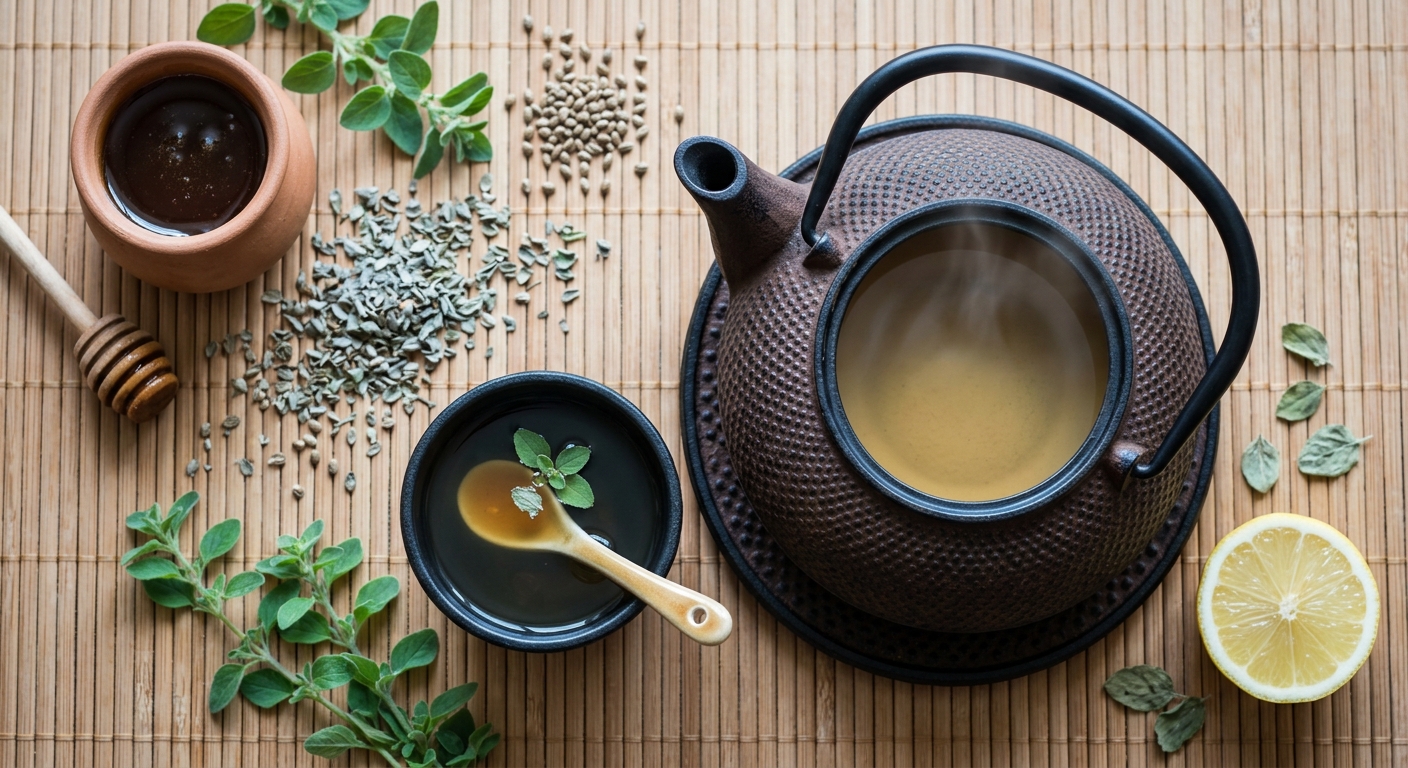
- 2 tspdried marjoram leaves (or 4 tsp fresh)
- 240 mlwater (90°C / 194°F)
- —raw honey to taste (optional)
- —lemon slice to taste (optional)
How to Brew
Click on an item below to shop for the recommended items for this recipe on Amazon.
As an Amazon Associate, we earn from qualifying purchases.
- Heat fresh filtered water in your electric kettle to 88 to 92°C (190 to 198°F). If your kettle lacks temperature control, bring water to a full boil and let it rest uncovered for 2 minutes before using.
- Add 1 teaspoon of dried marjoram leaves per 240 ml of water directly into your tea infuser or loose-leaf basket. For a more pronounced floral note, gently crush the dried leaves between your fingertips before placing them in the infuser to release more of the aromatic oils.
- Pour the heated water slowly over the marjoram and cover your mug immediately with a small saucer or lid. Covering the cup is essential – it traps the volatile oils that would otherwise escape with the steam, keeping both the aroma and the therapeutic compounds in your cup.
- Steep for 5 to 7 minutes. Taste at the 5-minute mark. A 5-minute steep produces a lighter, more floral cup, while 7 minutes yields a warmer, slightly more resinous flavor with greater depth.
- Remove the infuser, add raw honey and a squeeze of lemon if desired, and sip slowly in a dimly lit space 30 to 60 minutes before bed.
- Measure 2 teaspoons of dried marjoram leaves per 240 ml of cold, filtered water. For a cold brew pitcher serving four, use 8 teaspoons (approximately 4 grams) of marjoram to 960 ml of water.
- Combine the dried marjoram and cold water in a clean glass jar. Stir gently to ensure all leaves are fully submerged. Do not use a sealed lid that does not allow any airflow, as a very slight venting helps avoid any off-flavors during a long, room-temperature start.
- Allow the jar to sit at room temperature for the first 30 minutes to begin the infusion process, then transfer it to the refrigerator. Cold brew marjoram benefits from beginning its extraction at room temperature before chilling.
- Refrigerate for 8 to 12 hours (overnight is ideal). Check at 8 hours for a milder, sweeter result, or let it go to 12 hours for a fuller herbal character.
- Strain through a fine mesh strainer into a clean glass or pitcher, pressing the leaves gently with the back of a spoon to release the last of the infusion. Serve over ice, optionally sweetened with a light agave syrup or a splash of cucumber water for a refreshing evening variation.
- Heat water to 80 to 85°C (176 to 185°F). This lower temperature is intentional: you want a hot but not aggressive extraction to preserve the most delicate terpenes in marjoram that contribute to its sedative character.
- Place 1.5 teaspoons of dried marjoram per 240 ml into a small heatproof bowl or a wide-mouthed mug. Add 1 teaspoon of raw, unfiltered honey directly on top of the dried herb before adding any water.
- Pour the measured hot water over the honey-covered marjoram slowly, stirring once to begin dissolving the honey and distributing the herb. The honey will melt into the water and coat the leaf surfaces, encouraging a slower, more thorough extraction of aromatic oils.
- Cover the mug tightly with a saucer and steep for 10 to 15 minutes. The longer steep time at the lower temperature allows full extraction without bitterness. The steam trapped beneath the saucer will condense and drip back into the cup, returning the volatile oils to the drink.
- Strain carefully through a fine mesh strainer into a warmed mug. The resulting infusion should be noticeably deeper in sweetness and body than a standard hot brew. Sip slowly and without screens for the most effective pre-sleep ritual.
Health Benefits
Marjoram’s combination of linalool, apigenin, and sabinene hydrate works synergistically to lower central nervous system arousal, making it easier to transition from wakefulness to sleep. A 2015 study published in the Journal of Research in Medical Sciences found that aromatherapeutic exposure to marjoram significantly improved sleep quality in cardiac ICU patients, supporting its traditional role as a sleep aid.
Rosmarinic acid and apigenin both interact with the GABAergic system, the same neurotransmitter pathway targeted by prescription anti-anxiety medications, but through gentler, non-dependency-forming mechanisms. Regular consumption of marjoram tea may help blunt the edge of chronic low-grade anxiety, especially the kind that manifests as racing thoughts at bedtime.
Marjoram has been used as a digestive remedy in Ayurvedic and European herbal traditions for centuries. Its antispasmodic compounds, including ursolic acid and carvacrol, help relax smooth muscle in the gastrointestinal tract, relieving bloating, cramping, and indigestion that can disrupt sleep quality when consumed in an evening cup.
Rosmarinic acid has been shown in cell and animal studies to inhibit cortisol synthesis and reduce oxidative stress markers associated with chronic sympathetic nervous system activation. Drinking marjoram tea in the evening may help the body begin its cortisol wind-down, a necessary physiological step for entering deep sleep stages.
Marjoram ranks among the highest antioxidant-capacity herbs measured by ORAC values, driven largely by its rosmarinic acid, luteolin, and apigenin content. Regular consumption contributes to reduced oxidative load, which is increasingly linked to improved sleep architecture and cognitive health over time.
🧪 Key Bioactive Compounds
The Science Behind Marjoram
The sedative and anxiolytic reputation of marjoram tea rests on a well-populated roster of bioactive compounds, chief among them linalool and apigenin. Linalool, the same terpene alcohol responsible for lavender’s calming fame, has been shown in multiple preclinical studies to modulate GABA-A receptor activity. GABA (gamma-aminobutyric acid) is the brain’s primary inhibitory neurotransmitter, and enhancing its activity is the fundamental mechanism behind both pharmaceutical sleep aids and many effective herbal nervines. What distinguishes linalool from synthetic GABA modulators is its apparent lack of rebound insomnia or tolerance development at the doses found in herbal tea, making it suitable for long-term nightly use.
Rosmarinic acid, one of marjoram’s most abundant and well-studied phenolic compounds, contributes to the herb’s calming action through a different but complementary pathway. Research published in multiple peer-reviewed pharmacology journals has demonstrated that rosmarinic acid inhibits the enzyme GABA transaminase, which normally breaks down GABA in the synaptic cleft. By slowing GABA degradation, rosmarinic acid effectively prolongs the neurotransmitter’s inhibitory signal, reinforcing the relaxation response initiated by linalool. Additionally, rosmarinic acid is a potent inhibitor of pro-inflammatory cytokines linked to HPA axis dysregulation, the physiological mechanism by which chronic stress elevates evening cortisol and delays sleep onset.
Marjoram’s principal aromatic compound, sabinene hydrate, which accounts for 20 to 30 percent of its essential oil composition, has received growing attention in olfactory neuroscience research. Inhalation studies suggest that sabinene hydrate exerts direct effects on the limbic system via the olfactory nerve, the only sensory pathway with a direct anatomical connection to the amygdala and hippocampus. This means that simply smelling a freshly brewed cup of marjoram tea may begin activating the parasympathetic nervous system before the first sip is taken. Covering the mug during steeping and uncovering it slowly when you sit down to drink is therefore not merely a ritual preference but a pharmacologically meaningful step in your bedtime practice.
Brewing Tips
- Always cover your mug while steeping marjoram tea. The volatile terpenes that carry the herb’s most potent sleep-supporting compounds are highly aromatic and will escape with rising steam if the cup is left uncovered, reducing both the fragrance and the therapeutic value of your brew.
- Use dried marjoram rather than fresh when possible for bedtime tea. Drying concentrates the essential oils and phenolic compounds, and dried marjoram produces a more consistent, reliable infusion. If using fresh leaves, double the quantity (4 teaspoons per 240 ml) and consider lightly bruising them with a muddler before steeping.
- Source culinary-grade or certified organic dried marjoram from a reputable spice retailer or herb supplier rather than capsule-form supplements for tea brewing. Whole dried leaves retain their volatile oils far better than ground powder, which loses aromatic compounds rapidly after grinding.