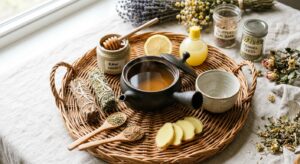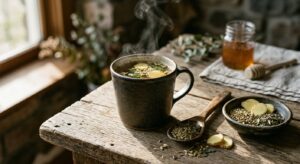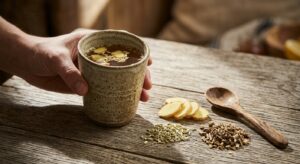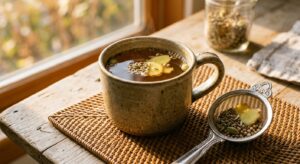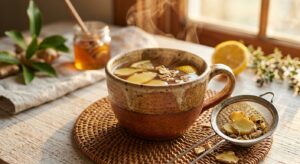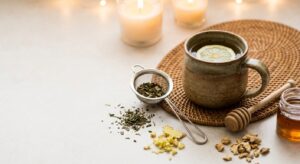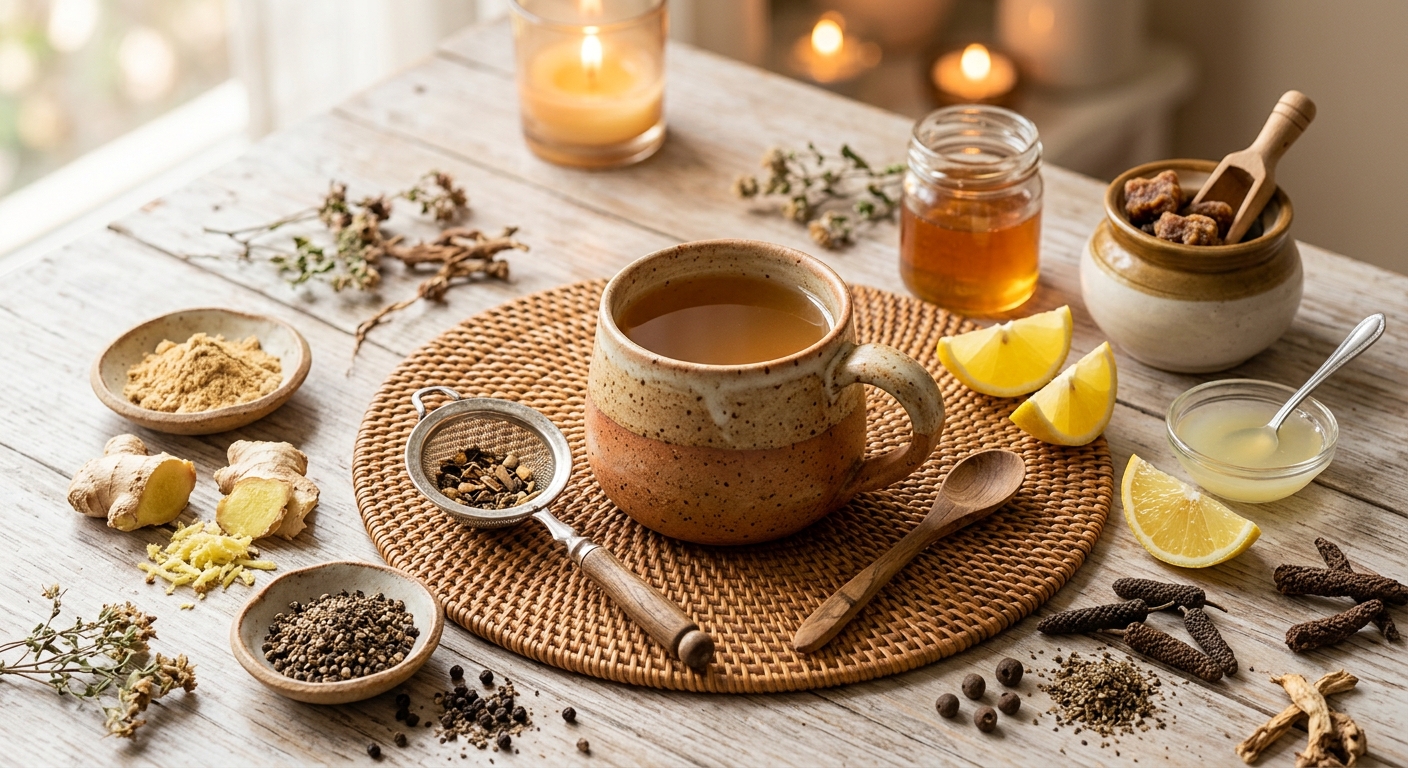
Trikatu, meaning ‘three pungents’ in Sanskrit, is one of the most revered formulas in Ayurvedic medicine. Composed of equal parts black pepper (Piper nigrum), long pepper (Piper longum), and dried ginger (Zingiber officinale), this trinity of spices has been prescribed by Ayurvedic physicians for over two thousand years to kindle agni, the metabolic fire believed to govern digestion, immunity, and mental clarity. Ancient texts including the Charaka Samhita and Sushruta Samhita reference Trikatu as a foundational remedy for sluggish digestion, respiratory congestion, and metabolic imbalance.
What makes Trikatu exceptional among digestive herbs is the synergy of its three ingredients. Ginger warms the gut lining and settles nausea, black pepper provides piperine to stimulate digestive enzymes and enhance the bioavailability of other nutrients, and long pepper contributes piperlongumine alongside its own warming, carminative properties. Together they form a compound more potent than any single ingredient alone, a principle Ayurveda calls yogavahi, the capacity to carry and amplify the effects of other substances. This is why Trikatu is frequently combined with other herbs and spices to boost their therapeutic reach.
As a tea, Trikatu delivers its benefits in a form that is immediate and satisfying. The brew unfolds as a bold, peppery infusion with a ginger-forward warmth that spreads through the chest and belly almost instantly. Traditionally consumed before or after meals, it is a practical ritual for anyone seeking to ease post-meal heaviness, reduce gas and bloating, or simply awaken a sluggish digestive system. Whether you are approaching it as an Ayurvedic tradition or a functional wellness practice, Trikatu tea is one of the most effective herbal blends available for gut support.
2
cups
Ingredients
- 1 tspdried ginger powder or freshly grated ginger root
- 0.5 tspblack pepper, coarsely ground
- 0.5 tsplong pepper (pippali), coarsely ground
- 480 mlfiltered water
- —raw honey or jaggery to taste (optional, add after cooling slightly)
- —a squeeze of fresh lemon juice (optional, enhances piperine absorption)
How to Brew
Click on an item below to shop for the recommended items for this recipe on Amazon.
As an Amazon Associate, we earn from qualifying purchases.
- Measure 480 ml of filtered water into a small saucepan and bring to a full boil over medium-high heat.
- Add 1 tsp dried ginger powder (or 1.5 tsp freshly grated ginger), 0.5 tsp coarsely ground black pepper, and 0.5 tsp coarsely ground long pepper directly into the boiling water.
- Reduce the heat to a gentle simmer and allow the spices to decoct uncovered for 10 to 15 minutes. The liquid will reduce slightly and deepen in colour. For a milder brew, simmer for 10 minutes; for a stronger medicinal preparation, simmer for the full 15.
- Remove from heat and allow to rest for 2 minutes so the spice particles settle to the bottom of the pan.
- Strain through a fine-mesh sieve or muslin cloth into your mug, pressing gently to extract all the liquid.
- Allow the tea to cool to a comfortable drinking temperature before adding raw honey or jaggery if desired (high heat degrades honey’s beneficial enzymes). Add a squeeze of lemon juice for an absorption-boosting finish.
- Place 1 tsp dried ginger powder (or 2 tsp freshly grated ginger for better cold extraction), 0.5 tsp coarsely cracked black pepper, and 0.5 tsp coarsely cracked long pepper into a glass jar.
- Pour 480 ml of room-temperature filtered water over the spices and stir vigorously for 30 seconds to distribute the particles evenly.
- Cover the jar loosely and allow it to steep at room temperature for 1 hour to begin extraction, then transfer to the refrigerator.
- Refrigerate for a further 7 to 11 hours (overnight is ideal). The slow, cold extraction draws out the volatile oils and mild resinous compounds without the harsh heat-driven bitterness.
- Strain through a fine-mesh sieve lined with muslin cloth into a clean pitcher, pressing gently to maximise yield. Discard the spent spices.
- Serve over ice in a tall glass. Stir in a drizzle of honey and a squeeze of lemon juice. Consume within 48 hours and store covered in the refrigerator.
- Combine 2 tsp dried ginger powder (or 3 tsp freshly grated ginger), 1 tsp coarsely ground black pepper, and 1 tsp coarsely ground long pepper in a small saucepan with 480 ml of filtered water.
- Bring to a full boil over medium heat, then reduce to a vigorous simmer. Add 2 tablespoons of jaggery or raw cane sugar to the simmering liquid, stirring until fully dissolved. The sugar helps preserve the concentrate and rounds out the pungent heat.
- Simmer uncovered for 25 to 30 minutes, stirring occasionally, until the liquid reduces by approximately half to roughly 240 ml. Watch carefully in the final 5 minutes to prevent scorching.
- Remove from heat and allow to cool for 10 minutes. Strain through a fine-mesh sieve lined with muslin into a sterilised glass jar, pressing firmly on the spice residue to extract every drop.
- To serve immediately, stir 1 to 2 tablespoons of the concentrate into 240 ml of hot water or warm oat milk. Adjust the ratio to your heat tolerance.
- Seal the jar and refrigerate. The concentrate will keep for up to 14 days. Shake or stir well before each use as natural settling will occur.
Health Benefits
Piperine from both pepper varieties triggers the release of digestive enzymes in the pancreas and stomach, improving the breakdown of proteins, fats, and carbohydrates. Clinical studies have shown that pepper alkaloids increase the activity of lipase and amylase, supporting more efficient digestion after meals.
Ginger’s volatile oils, including zingiberene and bisabolene, relax smooth muscle in the gastrointestinal tract and accelerate gastric emptying, reducing the fermentation that causes gas and bloating. Piperlongumine from long pepper adds complementary carminative action, making Trikatu particularly effective for post-meal discomfort.
6-Gingerol and 6-shogaol in ginger are among the most well-researched natural anti-nausea compounds, with multiple randomised controlled trials confirming ginger’s efficacy for nausea related to motion sickness, pregnancy, and chemotherapy. The warming properties of the blend also ease stomach spasms that contribute to nausea.
Piperine inhibits certain drug-metabolising enzymes in the gut and liver, slowing the breakdown of nutrients before they can be absorbed. This mechanism has been demonstrated to increase the bioavailability of curcumin, selenium, vitamin B6, and beta-carotene, making Trikatu a valuable addition to meals rich in these nutrients.
Ayurvedic tradition holds that Trikatu kindles agni, the digestive and metabolic fire, and emerging research offers partial support for this concept. Ginger has been shown to increase thermogenesis and improve insulin sensitivity, while piperine may modulate fat cell differentiation and reduce adipogenesis, suggesting a role in metabolic health beyond digestion.
🧪 Key Bioactive Compounds
The Science Behind Trikatu (Black Pepper, Long Pepper, Dried Ginger)
The three spices in Trikatu work through distinct but complementary biochemical pathways, which is why the combination produces effects greater than any single ingredient alone. Piperine, the primary alkaloid in both black pepper and long pepper, exerts its digestive effects by stimulating the secretion of hydrochloric acid in the stomach and activating pancreatic lipase, protease, and amylase. Beyond digestion, piperine’s most remarkable property is its ability to inhibit intestinal and hepatic phase I and phase II metabolising enzymes, particularly CYP3A4. This slows the breakdown of co-ingested compounds in the gut wall before they enter systemic circulation, a mechanism confirmed in numerous pharmacokinetic studies and responsible for the dramatic enhancement of curcumin bioavailability when piperine is present.
Ginger contributes two primary classes of bioactive compounds: gingerols in fresh root and the more potent shogaols that form when the root is dried through dehydration of gingerols. Both classes inhibit serotonin (5-HT3) receptors in the gastrointestinal tract, a mechanism shared with pharmaceutical anti-nausea drugs such as ondansetron. 6-Shogaol also inhibits prostaglandin synthesis and reduces the expression of pro-inflammatory cytokines including TNF-alpha and IL-1beta, giving dried ginger meaningful anti-inflammatory action in the gut lining. Additionally, ginger accelerates gastric emptying by enhancing antral contractions, which is the specific mechanism by which it relieves the uncomfortable fullness and bloating many people experience after large meals.
Long pepper (pippali) is the least studied of the three but contributes unique compounds including piperlongumine and retrofractamide alkaloids not found in black pepper. Piperlongumine has demonstrated significant anti-inflammatory activity in cell studies through NF-kB pathway suppression, and piperine content in long pepper is comparable to or slightly higher than in black pepper, reinforcing the blend’s enzymatic benefits. The concept of yogavahi in Ayurveda, describing Trikatu’s capacity to enhance the bioavailability of other substances, aligns remarkably well with the modern pharmacokinetic understanding of piperine’s enzyme-inhibiting activity, representing one of the more striking convergences between ancient empirical medicine and contemporary biochemistry.
Brewing Tips
- Use coarsely cracked whole peppercorns rather than pre-ground pepper powder for a fresher, more aromatic brew with better volatile oil content. Grind them briefly in a spice grinder or crush them with the flat of a knife just before brewing.
- If long pepper (pippali) is difficult to source locally, look for it at Indian grocery stores or Ayurvedic herb suppliers online. Do not substitute with additional black pepper, as long pepper’s piperlongumine and unique alkaloid profile contribute meaningfully to the blend’s digestive action.
- Drink Trikatu tea 15 to 20 minutes before a heavy or rich meal to prime digestive enzyme secretion, or sip it slowly after eating to ease post-meal heaviness. Avoid drinking it on a completely empty stomach until you have assessed your tolerance, as the heat can be intense for those new to pungent spices.