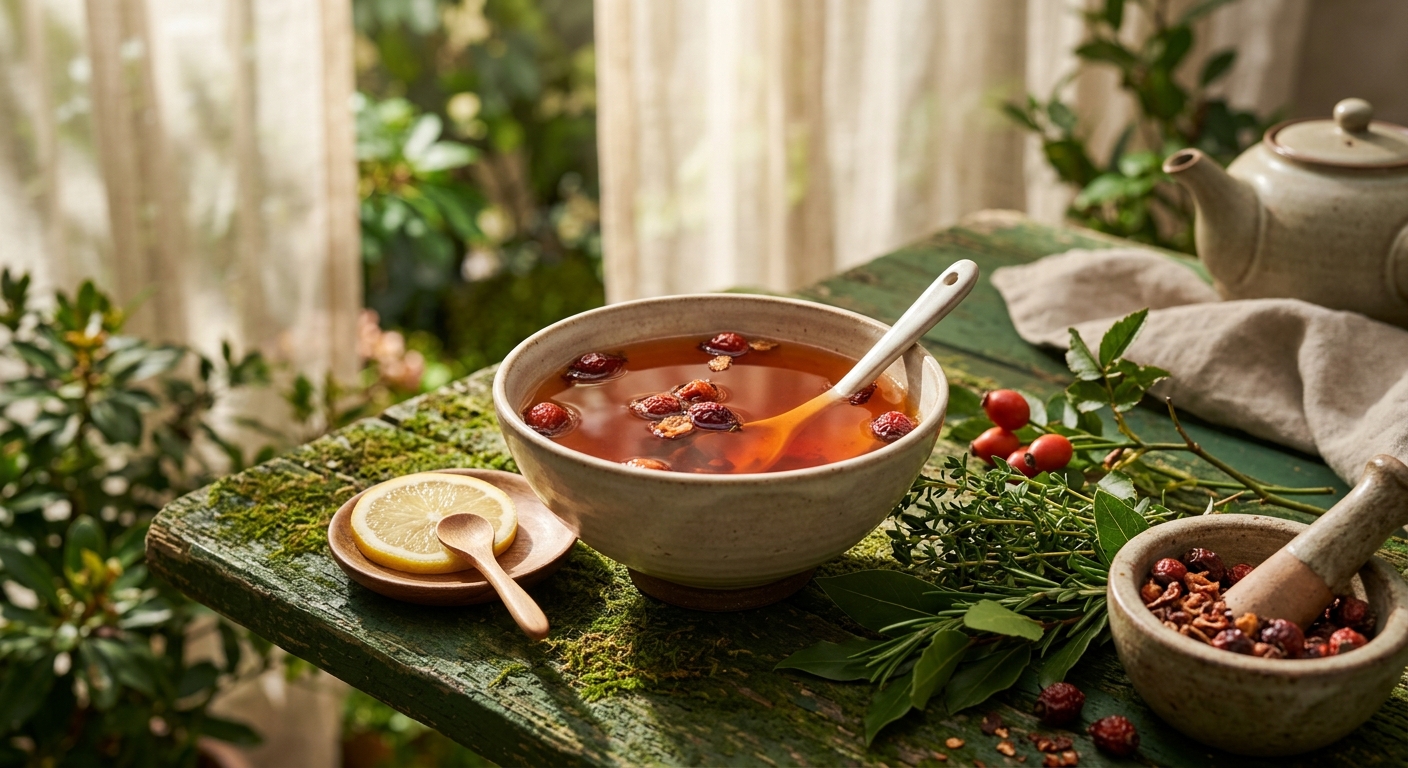
Long before vitamin C was isolated in a laboratory, foragers and herbalists across Europe and Asia were harvesting rosehips, the small, jewel-bright fruits left behind after the rose blooms fade, as a vital source of nourishment through cold winters. Rosa canina, the wild dog rose, has been gathered from hedgerows and hillsides for thousands of years, and during World War II, Britain organized a national rosehip syrup program to compensate for the shortage of citrus fruits and protect children from scurvy. That tradition of turning to this humble, tart berry in times of need is a testament to just how nutritionally extraordinary rosehips truly are.
In traditional herbal medicine, rosehips have been used across cultures for a remarkable range of purposes. Ayurvedic practitioners valued them as a tissue tonic and rejuvenative. Scandinavian folk medicine leaned on rosehip soups and teas to ward off winter illness. Native American tribes brewed rosehip preparations to soothe sore throats and ease digestive complaints. The common thread running through all of these traditions is the plant’s extraordinary ability to fortify the body and reduce inflammation, something modern science has confirmed through a growing body of clinical research.
What makes rosehip tea genuinely exciting is not just its vitamin C content, though gram for gram, dried rosehips contain significantly more vitamin C than oranges. It is the synergistic combination of bioflavonoids, carotenoids, and unique anti-inflammatory glycosides that sets this ruby brew apart from synthetic supplements. The flavor is as pleasing as the medicine: bright, tangy, and slightly floral, with a warming depth that makes it as enjoyable to drink as it is beneficial. Whether you are fighting off a seasonal cold, supporting joint health, or simply seeking an antioxidant-rich alternative to black tea, rosehip tea deserves a permanent place in your herbal cupboard.
2
cups
Ingredients
- 3 tbspdried rosehip pieces or whole dried rosehips
- 480 mlwater (95°C / 203°F for hot brew)
- —raw honey or maple syrup to taste (optional)
- —thin slice of fresh lemon (optional, enhances vitamin C absorption)
How to Brew
Click on an item below to shop for the recommended items for this recipe on Amazon.
As an Amazon Associate, we earn from qualifying purchases.
- If using whole dried rosehips, lightly crush them with the back of a spoon or a mortar and pestle to crack the skins and expose the seeds and pulp. This significantly improves nutrient extraction. Pre-cut or chopped rosehip pieces do not require crushing.
- Measure 3 tablespoons of dried rosehip pieces into a fine-mesh tea infuser, tea ball, or a small heatproof strainer set over your teapot or mug. Rosehips release fine seed hairs during brewing, so a fine mesh is essential to avoid a scratchy texture in the finished cup.
- Heat filtered water to approximately 90 to 95°C (194 to 203°F). Avoid a full rolling boil, as excessive heat can degrade some of the vitamin C content. If using a standard kettle, allow it to rest for 60 to 90 seconds after boiling before pouring.
- Pour the hot water slowly over the rosehips, fully saturating the fruit pieces. Cover the mug or teapot with a lid or small saucer to trap steam and prevent volatile aromatic compounds from escaping during steeping.
- Steep for 10 to 15 minutes. For a lighter, more delicate flavor, remove the infuser at 10 minutes. For a bolder, more medicinal cup with deeper color and a sharper tartness, steep the full 15 minutes.
- Remove the infuser, give the tea a gentle stir, and sweeten with raw honey or a squeeze of lemon if desired. Serve immediately and enjoy the deep ruby color against the light.
- Lightly crush 4 tablespoons of dried rosehip pieces using the back of a spoon or a mortar and pestle. Because cold water extracts compounds more slowly than hot water, breaking open the fruit pieces is even more important here to ensure a full-flavored result.
- Place the crushed rosehips directly into a clean glass jar. Do not use an infuser for this method – direct contact between the fruit and cold water throughout the long steep yields a richer extraction. You will strain the tea afterward.
- Pour 600 ml of cold, filtered water over the rosehips. Stir briefly to ensure all the fruit pieces are submerged. Cover the jar with a tight-fitting lid or a piece of cheesecloth secured with a rubber band.
- Allow the jar to sit at room temperature for 1 hour, then transfer it to the refrigerator. Steep for a total of 8 to 12 hours. Overnight cold brewing is ideal and produces a beautifully balanced, deeply colored tea.
- Once steeped, strain the tea through a fine-mesh strainer lined with cheesecloth or a coffee filter to remove all rosehip pieces and fine seed hairs. Pour into a tall glass over ice, sweeten with a light drizzle of honey or agave, and add a lemon slice for a bright finish. The cold brew will keep refrigerated for up to 3 days.
- Add 4 tablespoons of whole or lightly crushed dried rosehips directly into a small saucepan. For a medicinal-strength preparation, you may increase this to 5 tablespoons. Do not use an infuser, as the rosehips need to move freely through the water to release their full complement of compounds.
- Pour 600 ml of cold, filtered water into the saucepan with the rosehips. Starting in cold water rather than adding to boiling water allows the cell walls of the fruit to open gradually, resulting in a more thorough extraction of pectin and antioxidants.
- Place the saucepan over medium heat and bring the water slowly up to a gentle simmer, approximately 85 to 90°C (185 to 194°F). Do not allow it to reach a vigorous rolling boil, which can break down vitamin C rapidly. Adjust the heat as needed to maintain a steady, low simmer with small bubbles rising gently.
- Simmer uncovered for 20 to 25 minutes, stirring occasionally. As the rosehips cook, the liquid will deepen from a light pink to a rich, jewel-toned crimson. You may notice the liquid reducing slightly – this concentration of flavor and nutrients is exactly what you want.
- Remove the saucepan from heat and allow the decoction to cool for 5 minutes. Pour through a fine-mesh strainer lined with cheesecloth into a heatproof mug or jar, pressing gently on the softened rosehip pulp to extract the last of the liquid without forcing seed hairs through the mesh.
- Sweeten with raw honey after straining (not during simmering, to preserve the honey’s enzymes). Drink one cup immediately as a warming, immune-boosting tonic. Store any remaining decoction in a sealed jar in the refrigerator and consume within 48 hours, or use as a base for rosehip syrup by adding equal parts honey.
Health Benefits
Rosehips are among the richest plant sources of vitamin C, which is essential for the production and function of lymphocytes and phagocytes. Regular consumption during cold season has been shown in clinical studies to reduce the duration and severity of upper respiratory infections.
The unique galactolipid compound GOPO, found almost exclusively in rosehips, has been the subject of multiple randomized controlled trials demonstrating significant reductions in pain and stiffness associated with osteoarthritis, outperforming placebo and showing effects comparable to some over-the-counter pain medications.
The combination of vitamin C, lycopene, quercetin, and rutin in rosehips creates a broad-spectrum antioxidant effect that neutralizes reactive oxygen species, reduces cellular aging, and protects tissues from oxidative damage linked to chronic disease.
Vitamin C is the critical cofactor for collagen synthesis, and the ascorbic acid in rosehip tea directly supports the structural integrity of skin, connective tissue, and blood vessels. Traditional European herbalists used rosehip preparations specifically to promote wound healing and skin resilience.
The pectin and organic acids in rosehips act as gentle digestive aids, supporting the growth of beneficial gut bacteria and helping to regulate bowel transit. A healthy gut microbiome is now recognized as a cornerstone of systemic immune function.
🧪 Key Bioactive Compounds
The Science Behind Rosehip
The immune-boosting reputation of rosehip tea is grounded in genuine biochemistry. Ascorbic acid, commonly known as vitamin C, is the most well-known active compound in rosehips, and it plays a foundational role in immune function at every level. It stimulates the production and activity of neutrophils and lymphocytes, the white blood cells responsible for identifying and destroying pathogens. It also functions as a critical antioxidant within immune cells themselves, protecting them from the oxidative burst they generate when attacking microbes. Multiple meta-analyses have confirmed that adequate vitamin C intake reduces the incidence and duration of the common cold, particularly in people under physical stress.
Beyond vitamin C, rosehips contain a class of compounds that sets them apart from other vitamin C sources. GOPO, a galactolipid molecule identified and studied extensively by researchers in Scandinavia, has demonstrated a unique ability to inhibit the migration of inflammatory white blood cells called leukocytes to joint tissues. In clinical trials involving patients with osteoarthritis and rheumatoid arthritis, standardized rosehip powder consistently reduced levels of C-reactive protein (a key inflammatory biomarker) and improved pain scores. This anti-inflammatory action operates through a mechanism distinct from that of NSAIDs, making rosehips a complementary option rather than a direct substitute for conventional pain management.
The carotenoids found in rosehips, particularly lycopene and beta-carotene, contribute a second layer of antioxidant protection by quenching singlet oxygen and neutralizing lipid peroxidation in cell membranes. Rutin, a bioflavonoid abundant in rosehips, has been shown to enhance the bioavailability and regeneration of vitamin C within the body, creating a self-reinforcing antioxidant cycle. Pectin, the soluble fiber that gives rosehip tea a slightly full-bodied texture, acts as a prebiotic, selectively feeding beneficial gut bacteria such as Lactobacillus and Bifidobacterium species. Since an estimated 70 percent of immune activity is coordinated in the gut-associated lymphoid tissue, supporting the microbiome through rosehip pectin represents a meaningful, if indirect, contribution to systemic immune resilience.
Brewing Tips
- Always use a fine-mesh strainer lined with cheesecloth when straining rosehip tea. The tiny seed hairs inside the fruit, sometimes called itching powder in folk traditions, can cause throat irritation if consumed and must be fully removed before drinking.
- Purchase rosehips that are deep red or orange-red in color with a firm, dry texture. Pale, beige, or dusty-looking rosehips have likely lost much of their vitamin C content through improper storage or excessive age. Store your dried rosehips in an airtight container away from direct light and heat.
- Avoid adding lemon juice during simmering or decoction. The acid can interfere with pectin gelling and alter the flavor balance. Add lemon only after brewing is complete, just before drinking, to brighten the flavor and gain an extra hit of vitamin C.