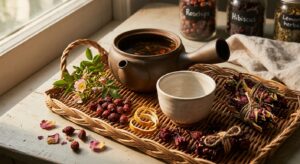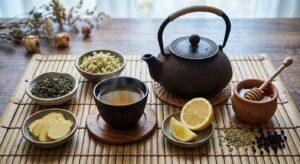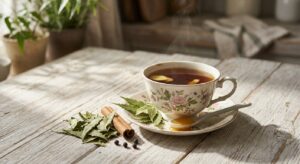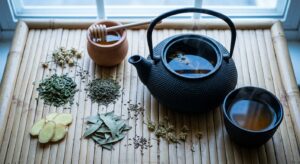
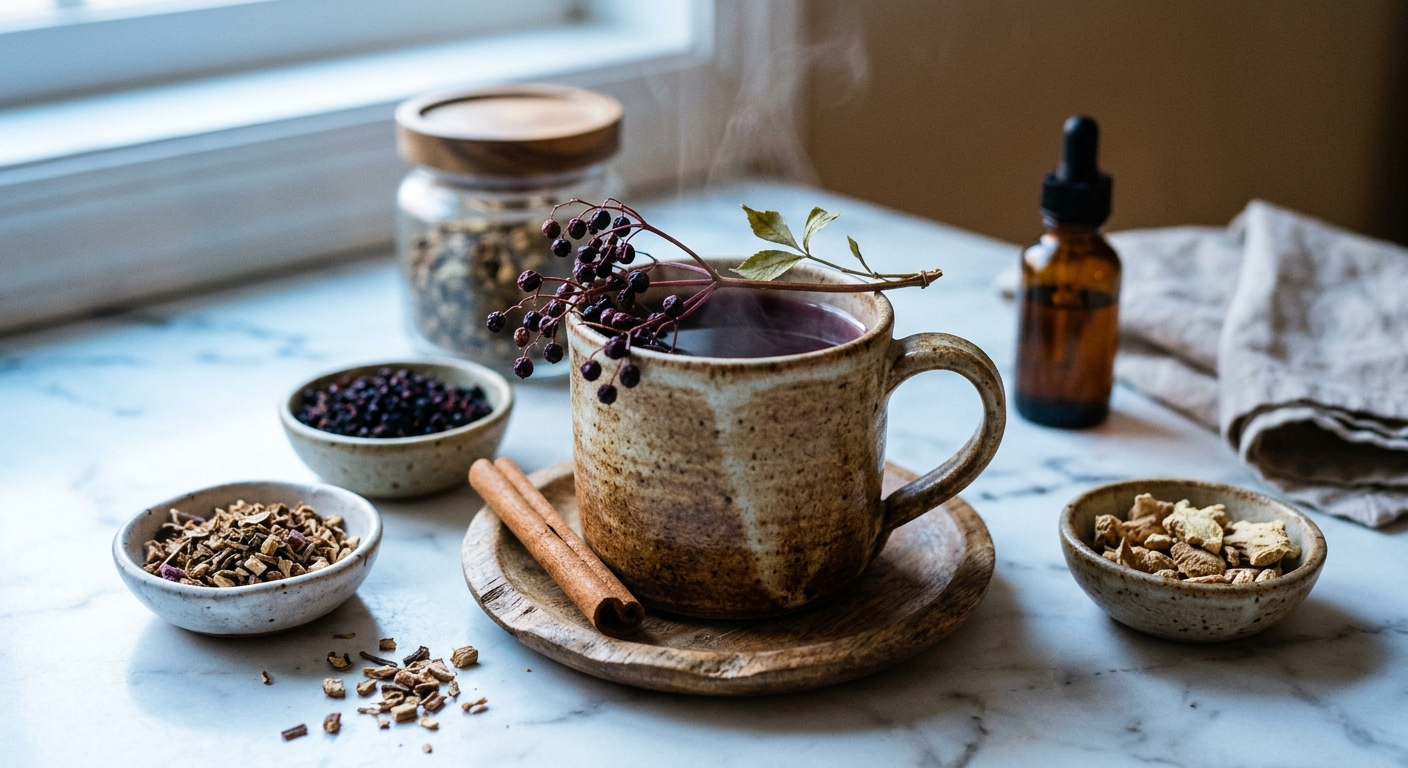
Long before modern medicine stocked pharmacy shelves with cold remedies, herbalists across Europe, Asia, and the Americas had already discovered the plants that could keep illness at bay. Elderberries were gathered in autumn and simmered into syrups by European folk healers. Ginger root warmed the bellies of Ayurvedic practitioners in India. Cinnamon was carried along ancient spice routes and prized not just for its flavor but for its ability to fight infection. Echinacea was a cornerstone of Native American medicine, used by the Plains tribes to treat everything from snake bites to cold and flu. Together, these four herbs form a winter wellness blend that is greater than the sum of its parts.
What makes this blend so compelling is the way each ingredient plays a distinct role. Elderberry brings broad-spectrum antiviral activity. Echinacea stimulates the innate immune system before a virus can take hold. Ginger reduces systemic inflammation and soothes a raw, irritated throat. Cinnamon adds antimicrobial muscle and, crucially, transforms the brew into something that genuinely tastes like the season itself, warming and spiced and deeply comforting. Drinking a cup feels as much like self-care as it does medicine.
This is not a tea for the height of summer. It is a cold-weather ritual, a morning mug before heading into the frost, a soothing evening drink when your throat starts to scratch. Brewed hot, it steams with the fragrance of a winter kitchen. Cold-brewed overnight, it becomes a tart, berry-forward tonic you can sip throughout the day. However you prepare it, winter wellness tea earns its place in your seasonal routine not just through science but through the simple, ancient comfort of being warmed from the inside out.
2
cups
Ingredients
- 2 tbspdried elderberries
- 1 tspdried echinacea root or purpurea herb
- 1 tspfreshly grated or dried ginger root
- 1 stickcinnamon (or 1/2 tsp ground cinnamon)
- 500 mlwater (for hot brew)
- —raw honey to taste (optional)
- —slice of fresh lemon (optional)
How to Brew
Click on an item below to shop for the recommended items for this recipe on Amazon.
As an Amazon Associate, we earn from qualifying purchases.
- Combine the dried elderberries, echinacea root, ginger, and cinnamon stick in a small saucepan. Add 500 ml of cold water.
- Bring the mixture to a full rolling boil over medium-high heat, then immediately reduce the heat to a gentle simmer. You want small, steady bubbles, not a vigorous boil.
- Simmer uncovered for 15 to 20 minutes. The liquid will reduce slightly and deepen to a dark ruby or violet color. Stir occasionally and watch that the simmer remains gentle.
- Remove from heat and allow the brew to rest for 2 to 3 minutes. This resting period lets the volatile aromatic compounds from the ginger and cinnamon settle back into the liquid rather than escaping as steam.
- Pour through a fine mesh strainer into your mug, pressing the berries lightly with a spoon to release any remaining liquid. Add raw honey and a squeeze of lemon if desired. Serve immediately while piping hot.
- Lightly crush the dried elderberries using the back of a spoon or a muddler before adding them to your jar. This breaks the skins and dramatically improves cold extraction overnight.
- Combine the crushed elderberries, echinacea herb (use the aerial parts rather than root for cold brew, as root compounds extract better with heat), sliced fresh ginger, and a cinnamon stick in a glass jar. Pour in 500 ml of room-temperature filtered water.
- Stir well, seal the jar loosely with a lid or cover with a cloth, and leave at room temperature for 2 hours to begin extraction. Then transfer the sealed jar to the refrigerator.
- Allow the jar to steep in the refrigerator for a total of 10 to 14 hours (overnight works perfectly). The color will develop slowly into a deep, jewel-like ruby-purple.
- In the morning, strain through a fine mesh strainer into a glass or bottle, pressing the berries gently. Taste before adding sweetener as cold brew elderberry is naturally tart and many drinkers enjoy it unsweetened over ice. Store any remaining tonic in the refrigerator for up to 48 hours.
- Double or triple the standard herb quantities: use 4 to 6 tablespoons of elderberries, 2 teaspoons of echinacea root, 2 teaspoons of grated ginger, and 2 cinnamon sticks. Add these to a saucepan with 750 ml of cold water.
- Bring to a full boil, then reduce to a steady simmer. Simmer uncovered for 30 to 40 minutes, allowing the liquid to reduce by roughly half. You should be left with approximately 300 to 350 ml of deeply concentrated liquid.
- In the final 5 minutes of simmering, add 2 tablespoons of raw honey directly to the pan and stir to incorporate. The honey acts as both a natural preservative and a throat-soothing agent.
- Remove from heat and allow to cool for 10 minutes before straining through a fine mesh strainer or cheesecloth into a sterilized glass jar. Press the solids firmly to extract every drop.
- Seal the jar and store in the refrigerator. To use, stir 2 to 3 tablespoons of concentrate into 200 ml of hot or cold water. Each jar yields approximately 10 to 14 servings and keeps for up to two weeks refrigerated.
Health Benefits
A 2016 randomized controlled trial published in Nutrients found that elderberry supplementation reduced cold duration and severity in air travelers. A 2019 meta-analysis in Complementary Medicine Research further confirmed that elderberry substantially reduced upper respiratory symptoms, making it one of the most evidence-supported herbs for cold and flu management.
Echinacea has been shown in multiple clinical trials to increase circulating levels of white blood cells, particularly monocytes and natural killer cells, within days of consumption. A Cochrane-adjacent review found that echinacea preparations reduced the incidence of the common cold by up to 35 percent in some trials, though results vary by preparation and species.
Ginger’s gingerols and shogaols directly inhibit COX-2 enzymes and reduce pro-inflammatory cytokines, helping to relieve the swollen, inflamed tissue in the throat and sinuses that makes colds so uncomfortable. This anti-inflammatory action is well-documented in both in vitro studies and small human trials.
Cinnamon bark’s trans-cinnamaldehyde has demonstrated antibacterial activity against common respiratory pathogens including Streptococcus pneumoniae and Haemophilus influenzae in laboratory studies. While these are not clinical trials in humans, they support cinnamon’s long traditional use as a warming antimicrobial herb during winter illness.
Elderberries have one of the highest ORAC (Oxygen Radical Absorbance Capacity) scores of any commonly used food or herb, outpacing blueberries and blackberries per gram. The anthocyanins and polyphenols in this blend collectively reduce oxidative stress, which is elevated during active infection and can otherwise prolong illness and tissue damage.
🧪 Key Bioactive Compounds
The Science Behind Elderberry
The immune-supporting power of this winter blend is rooted in a remarkable convergence of distinct molecular mechanisms. Elderberry’s anthocyanins, particularly cyanidin-3-glucoside and cyanidin-3-sambubioside, have been shown in laboratory studies to directly interfere with influenza virus replication. These pigment molecules bind to hemagglutinin proteins on the viral surface, physically blocking the virus from attaching to and penetrating respiratory epithelial cells. Beyond this antiviral blockade, elderberry also stimulates cytokine production, including interleukin-6 and tumor necrosis factor-alpha, which recruit immune cells to the site of infection. The result is a faster, more coordinated immune response in the critical early hours of viral exposure.
Echinacea contributes a complementary but mechanistically separate layer of protection. Its alkylamides, particularly those found in Echinacea purpurea and Echinacea angustifolia, interact with the endocannabinoid system via CB2 receptor binding. This unusual mechanism modulates the release of pro-inflammatory cytokines, helping the immune system respond vigorously without tipping into the excessive inflammation that can cause much of the discomfort associated with colds and flu. Separately, echinacea’s polysaccharides and glycoproteins activate macrophages and natural killer cells, the first-responder cells of the innate immune system, increasing phagocytic activity against bacterial and viral pathogens.
Ginger and cinnamon round out the blend with well-characterized anti-inflammatory and antimicrobial properties. The 6-gingerol in ginger inhibits the arachidonic acid pathway, reducing the production of prostaglandins and leukotrienes that cause tissue swelling and pain. This is the same pathway targeted by over-the-counter NSAIDs like ibuprofen, though ginger acts more gently and without gastric side effects at culinary doses. Cinnamon’s trans-cinnamaldehyde disrupts bacterial cell membrane integrity and interferes with biofilm formation, making it an effective secondary line of defense against the bacterial superinfections that can follow a viral cold. Together, these four herbs create a layered, multi-target approach to winter immune support that no single pharmaceutical agent can replicate.
Brewing Tips
- Use whole dried elderberries rather than elderberry powder for the hot brew and concentrate methods. Whole berries release their compounds more gradually during simmering, producing a richer, more complex flavor without the muddy bitterness that over-extracted powder can produce.
- Make a double batch of the concentrate at the start of each week and store it in a sterilized mason jar in the refrigerator. A two-tablespoon shot stirred into hot water each morning takes under a minute and delivers a consistent daily dose of all four herbs throughout the cold season.
- For maximum echinacea potency, rotate your usage: take this tea daily for 8 to 10 days at the first sign of a cold or during high-exposure periods, then take a 4 to 5 day break before resuming. Continuous daily use over many weeks may reduce echinacea’s immune-stimulating effectiveness as the body adapts to constant exposure.