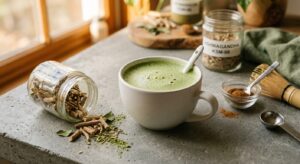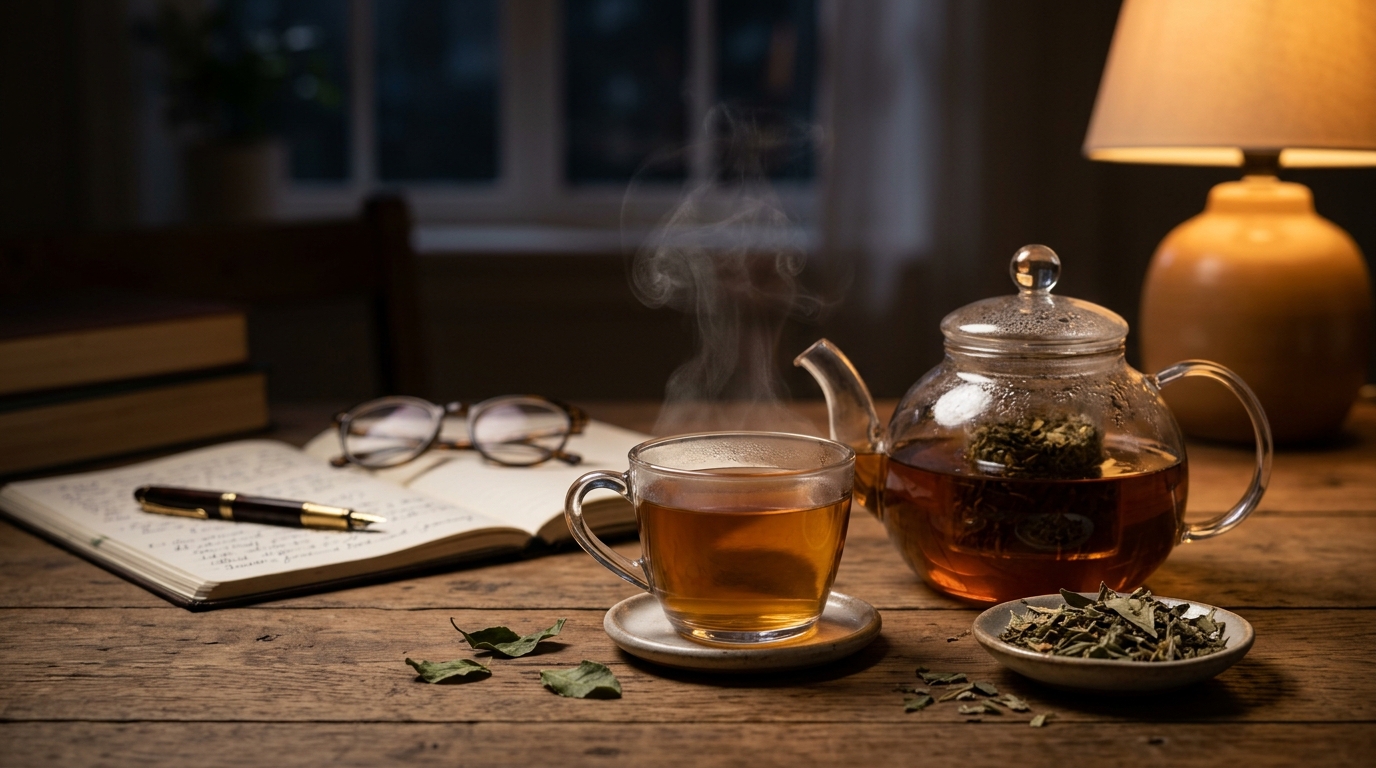
In the Ayurvedic tradition of India, few herbs are as closely tied to scholarship as bacopa (Bacopa monnieri) and gotu kola (Centella asiatica). Bacopa, known as Brahmi in Sanskrit, was traditionally given to students who memorized lengthy Vedic hymns, and its name is often linked to Brahma, the creator deity, signifying the expansive mind. Gotu kola, sometimes called Mandukaparni, has a parallel reputation across Ayurveda, Traditional Chinese Medicine, and Sri Lankan folk practice, where it is associated with longevity, clear thinking, and wound healing. A well-known Sri Lankan proverb credits the herb to elephants, noting that they eat it and live long, sharp-minded lives.
Both plants are creeping, water-loving herbs that thrive in marshy ground across South and Southeast Asia. Used together, they form a classic pairing: bacopa for its long-studied effects on memory and information processing, and gotu kola for its calming, circulation-supporting, and adaptogenic qualities. Where many focus herbs lean stimulating, this combination tends to settle the nervous system while sharpening attention, which is exactly why it suits the evening hours.
This tea is not a quick jolt. Bacopa in particular is known for subtle, cumulative effects that build with regular use over several weeks. Think of this as a ritual rather than a remedy: a warm, grounding cup that signals to your mind that it is time to settle in, open the book, and learn. The flavor is earthy, slightly bitter, and green, softened beautifully with a touch of honey, mint, or a little cardamom.
2
cups
Ingredients
- 2 tspdried bacopa (Bacopa monnieri) leaf and stem
- 2 tspdried gotu kola (Centella asiatica) leaf
- 480 mlwater (95°C / 203°F)
- 4 leavesfresh or dried peppermint (optional, to soften bitterness)
- —raw honey or a small pinch of cardamom to taste (optional)
How to Brew
Click on an item below to shop for the recommended items for this recipe on Amazon.
As an Amazon Associate, we earn from qualifying purchases.
- Measure 2 teaspoons of dried bacopa and 2 teaspoons of dried gotu kola into a teapot or large infuser basket. Lightly crush the leaves between your fingers to help release their compounds.
- Bring fresh water to a boil, then let it rest for about 30 seconds so it sits near 95°C (203°F). Fully boiling water can push the bitterness of bacopa harder than necessary.
- Pour the hot water over the herbs and cover the pot or mug immediately with a lid or small plate. Covering traps the volatile aromatics and helps extract the saponins responsible for bacopa’s activity.
- Steep for 8 to 10 minutes. Bacopa is a tougher, more fibrous herb than most leaf teas, so it rewards a longer steep than something like chamomile.
- Strain into two cups, pressing the herbs gently against the strainer to capture the last of the liquid. Stir in raw honey or add a few mint leaves if you want to round out the bitterness.
- Sip slowly about 30 to 60 minutes before you begin your evening study or reading session.
- Combine 3 teaspoons each of dried bacopa and dried gotu kola in a clean glass jar. Using a bit more herb than the hot method compensates for the gentler extraction of cool water.
- Pour 700 ml of cool, filtered water over the herbs and stir once with a long spoon to make sure all the plant material is submerged.
- Seal the jar and place it in the refrigerator. Let it steep for 8 to 12 hours, ideally overnight, giving the water time to slowly draw out the flavor and gentler compounds.
- In the morning or afternoon, strain through a fine mesh strainer or a layer of muslin to remove all plant fragments. Bacopa stems can be stringy, so a fine strain gives a cleaner cup.
- Pour over ice, add a squeeze of lime or a sprig of mint if desired, and sip through the afternoon or early evening. Finish within 24 hours for best freshness.
- Add 2 teaspoons of dried bacopa, 2 teaspoons of dried gotu kola, and 2 thin slices of fresh ginger to a small saucepan. The ginger adds warmth and helps balance the bitterness.
- Pour in 500 ml of cold water and bring the pot slowly to a gentle simmer over medium-low heat. Starting with cold water encourages even extraction from the tougher stems.
- Reduce the heat so the liquid barely bubbles, partially cover the pot, and simmer for 12 to 15 minutes until the liquid reduces slightly and turns a deeper olive-gold.
- Remove the pan from the heat, cover fully, and let the decoction rest for 5 minutes so the flavors settle and the temperature becomes comfortable to drink.
- Strain through a fine mesh sieve into your favorite mug. Sweeten with honey, or stir in a splash of warm oat milk or a pinch of cardamom for a more rounded, comforting evening drink.
Health Benefits
Several human trials have found that bacopa extract, taken consistently for around 8 to 12 weeks, improves memory acquisition and recall. The effect appears gradual and cumulative rather than immediate, which is why regular evening use is part of the ritual.
Both herbs are classed as nervines and adaptogens in traditional practice. Bacopa has been shown in studies to modestly reduce anxiety and stress reactivity, helping the mind settle into focus rather than overdrive.
Bacosides and the triterpenoids in gotu kola show antioxidant activity in laboratory and animal studies, helping to counter oxidative stress in brain tissue. Human evidence is still developing, but the traditional and preclinical picture is consistent.
Gotu kola has been studied for its effects on microcirculation and vein health, and improved blood flow is one proposed pathway by which it may support cognitive function.
Because neither herb contains caffeine and both tend toward a calming effect, this blend allows evening learners to work without disrupting sleep the way stimulating teas can.
🧪 Key Bioactive Compounds
The Science Behind Bacopa
The effects of bacopa are largely attributed to a family of triterpenoid saponins called bacosides, especially bacoside A and bacoside B. In laboratory studies, bacosides appear to enhance dendritic growth and synaptic communication in the hippocampus, a brain region central to memory formation. They also seem to support the cholinergic system, the same neurotransmitter pathway involved in learning and attention, while exerting antioxidant effects that protect neurons from oxidative damage. Clinical trials in healthy adults have generally reported improvements in memory retention and speed of information processing after 8 to 12 weeks of regular use, though results can vary with the extract type and dose used.
Gotu kola contributes a different but complementary set of actions. Its triterpenoids, chiefly asiaticoside, madecassoside, and their aglycones, have been studied for neuroprotective, anti-inflammatory, and mild anxiolytic effects. Some small human studies suggest improvements in mood and cognitive performance, and there is evidence that gotu kola supports microcirculation, which may help deliver oxygen and nutrients to brain tissue. Together, the two herbs address both the learning machinery of the brain and the calm, well-nourished environment in which it works best.
It is worth being honest about what the evidence does and does not show. Much of the strongest data comes from standardized extracts rather than simple teas, and a home infusion delivers lower and more variable concentrations of active compounds. Because saponins extract well in hot water over a longer steep, brewing methods that favor patience, such as a covered hot brew or a gentle decoction, tend to capture more of the herbs’ character. As a tea, this blend is best understood as a supportive daily ritual with gradual, subtle benefits rather than a guaranteed cognitive enhancer.
Brewing Tips
- Be patient and consistent. Bacopa’s cognitive effects build over weeks, so a nightly cup for 8 to 12 weeks is a more meaningful trial than occasional use.
- Drink it with or after a small snack, such as a few almonds or a piece of fruit, to reduce the chance of stomach upset from bacopa.
- Store both dried herbs in airtight, opaque containers away from heat and light, and use within 12 months for the best flavor and potency.
- Taste before sweetening. If the bitterness feels strong, try a slightly shorter steep or add mint and honey rather than reducing the herb amount too far.
- Pair the tea with a consistent evening routine, such as dimmed lights and a favorite study spot, so the ritual itself becomes a cue for focus.