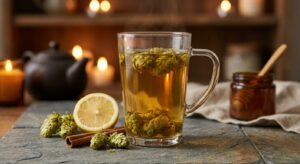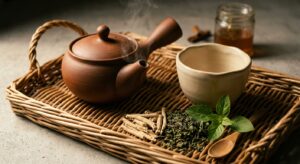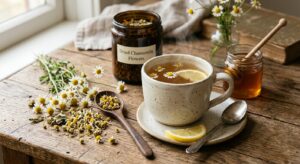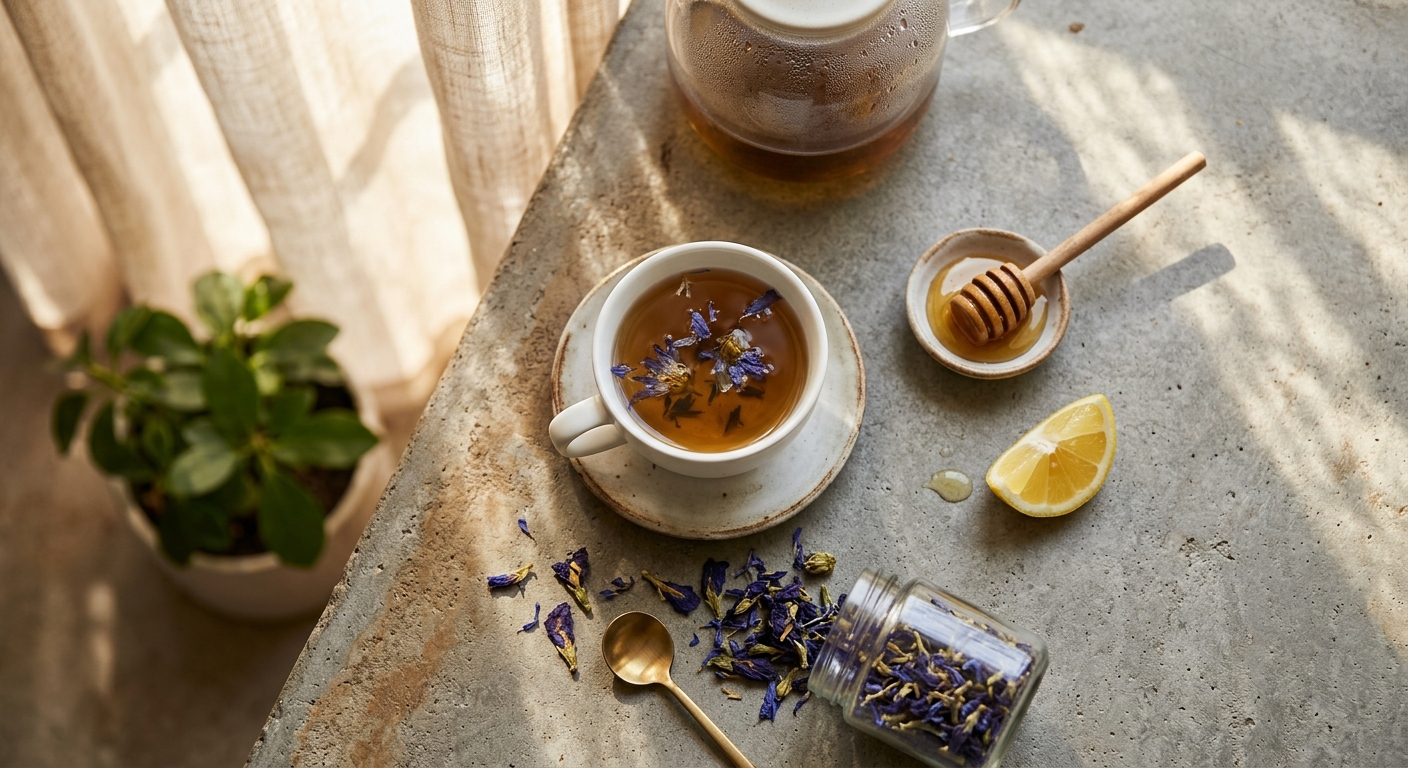
Few botanicals carry as much mystique and historical weight as the blue lotus flower, known scientifically as Nymphaea caerulea. Revered in ancient Egypt as a symbol of the sun, creation, and rebirth, the blue lotus was depicted throughout temple walls, papyrus scrolls, and royal ceremonies for over three thousand years. Priests and nobles steeped its petals in wine or water to achieve a state of gentle euphoria and heightened spiritual awareness, believing the flower to be a gift from the gods that bridged the mortal world and the divine. Its intoxicating fragrance and soft, lilac-blue petals made it one of the most cherished ritual plants in the ancient world.
Across the ancient Nile Delta and later throughout Southeast Asia, the blue lotus held a central place in healing traditions as well. Traditional healers prepared infusions of the dried flowers and petals to soothe anxiety, calm restless minds before sleep, and ease muscular tension. In Ayurvedic and Thai herbal traditions, related lotus species were used to support the heart, lift the spirit, and promote meditative states. The flower’s reputation as a gentle yet profoundly relaxing botanical has carried forward into modern herbalism, where it is now sought by those looking for a natural, plant-based way to unwind at the end of the day.
What makes blue lotus tea genuinely special is its unique combination of psychoactive alkaloids, primarily nuciferine and aporphine, which work synergistically to create a calm, dream-like state without the sedative heaviness of stronger sleep herbs. The experience is often described as a soft warmth spreading through the body, a quieting of mental chatter, and a heightened receptivity to the imagery and sensation that arrives just before sleep. Whether you are drawn to it for its history, its beauty, or its gentle effects on the mind and body, a well-brewed cup of blue lotus tea is one of herbalism’s most extraordinary experiences.
2
cups
Ingredients
- 2 tspdried blue lotus flowers and petals (Nymphaea caerulea)
- 480 mlwater (85°C / 185°F)
- —raw honey or agave syrup to taste (optional)
- —a few drops of lemon juice to brighten the flavor (optional)
How to Brew
Click on an item below to shop for the recommended items for this recipe on Amazon.
As an Amazon Associate, we earn from qualifying purchases.
- Heat filtered water to approximately 85°C (185°F). If you do not have a temperature-controlled kettle, bring water to a full boil and then allow it to rest for 3 to 4 minutes before pouring.
- Place 1 teaspoon of dried blue lotus flowers and petals per cup into a fine mesh tea infuser, tea strainer, or directly into your teapot. The petals are light and open beautifully when given space, so a teapot or open infuser is preferred over a tight capsule infuser.
- Pour the heated water gently over the petals, covering them fully. Place a lid or small saucer over your cup or teapot to trap the aromatic steam and prevent the volatile compounds from escaping.
- Allow the petals to steep for 10 to 15 minutes. The longer the steep, the more pronounced the earthy, musky undertones and the more potent the alkaloid extraction. Start with 10 minutes on your first brew to assess your personal tolerance.
- Strain the tea through a fine mesh sieve into your cup, pressing the petals lightly with the back of a spoon to release any remaining liquid.
- Add raw honey or agave syrup to taste if desired. Sip slowly, ideally 30 to 60 minutes before bedtime, in a calm and dimly lit environment to allow the flower’s relaxing properties to take full effect.
- Place 2 to 3 teaspoons of dried blue lotus flowers and petals into a clean glass jar or glass pitcher. Use a slightly higher quantity than you would for hot brew, as cold water extracts the aromatic compounds more slowly and requires more plant material to achieve a flavorful result.
- Pour 480 ml of cold, filtered water over the petals. Stir gently with a long spoon to submerge all of the plant material and ensure even contact between the water and the flowers.
- Cover the jar with a lid or stretch a piece of muslin cloth over the top secured with a rubber band, to keep out any contaminants while still allowing the infusion to breathe slightly.
- Leave the jar at room temperature for the first hour to allow the initial extraction to begin, then transfer it to the refrigerator and allow it to steep for 8 to 12 hours, or overnight. The slower, cooler extraction draws out a softer flavor and preserves the most volatile aromatic compounds.
- When ready to serve, strain the liquid through a fine mesh sieve or cheesecloth into a glass, pressing the petals gently to extract all remaining liquid. Discard the spent petals.
- Serve over ice or chilled on its own. Add a small drizzle of honey and a slice of lemon for a refreshing floral drink. Cold-brewed blue lotus is particularly enjoyable as an afternoon wind-down tea or early evening relaxation ritual.
- Place 2 teaspoons of dried blue lotus flowers and petals into a clear glass jar or glass bottle with a wide mouth. A clear vessel is important for sun tea, as it allows maximum sunlight to pass through and warm the water from all angles.
- Fill the jar with 480 ml of cold, filtered water. The petals will immediately begin to hydrate and slowly open as they absorb the water.
- Seal the jar loosely with a lid and place it in a sunny spot outdoors or on a sun-facing windowsill. Position it where it will receive consistent, direct sunlight for the full steeping period.
- Allow the jar to steep in the sunlight for 3 to 5 hours. You will notice the water gradually shifting to a warm golden hue as the flower compounds slowly infuse. Check the jar periodically and gently swirl it once or twice during steeping to encourage even extraction.
- Once the tea has reached your desired color and aroma, bring the jar inside and strain the liquid through a fine mesh sieve into a serving glass or teapot. The resulting tea should be fragrant, gently floral, and luminously golden.
- Serve warm as-is, allow it to cool to room temperature, or pour it over ice. Sweeten with honey if desired. Sun tea blue lotus pairs beautifully with a quiet meditative practice or a slow, intentional evening ritual.
Health Benefits
The alkaloids nuciferine and aporphine are believed to influence REM sleep cycles, with many users reporting more vivid, lucid, and memorable dreams when drinking blue lotus tea before bed. Traditional use across ancient Egypt and Southeast Asia specifically valued the flower for its capacity to enhance dream states and spiritual visions during sleep.
Nuciferine interacts with dopamine and serotonin receptors in the brain, helping to reduce feelings of anxiety and restlessness. The flavonoids kaempferol and quercetin further support this effect through GABA modulation, producing a calm, centered mental state that makes the tea ideal for evening wind-down routines.
Neferine and nuciferine together contribute to the noticeable physical relaxation reported by blue lotus tea drinkers, helping to release tension held in the muscles and soften the physical signs of stress. This makes blue lotus particularly effective for those who carry physical tension alongside mental anxiety.
Unlike stronger psychoactive plants, blue lotus produces a subtle, gentle elevation in mood that many describe as a soft warmth and sense of well-being. This effect is linked to nuciferine’s dopaminergic activity and makes the tea a pleasant, non-intoxicating way to shift out of a low or stressed emotional state.
The rich flavonoid content of blue lotus flowers, including quercetin, kaempferol, and myricetin, delivers meaningful antioxidant protection against free radical damage and reduces low-grade systemic inflammation. Regular moderate consumption may contribute to long-term cellular health and overall resilience.
🧪 Key Bioactive Compounds
The Science Behind Blue Lotus
The most pharmacologically significant compound in Nymphaea caerulea is nuciferine, an aporphine alkaloid that has been the subject of growing scientific interest for its neuroactive properties. Research published in the Journal of Natural Products and other pharmacognosy journals has identified nuciferine as a partial agonist and antagonist at multiple dopamine receptor subtypes, particularly D2 and D4 receptors. This interaction is thought to underlie the mild euphoric and calming qualities of blue lotus without producing the compulsive reward signals associated with stronger psychoactive substances. Additionally, nuciferine has demonstrated serotonin receptor activity, which may further explain its mood-modulating and anxiolytic effects.
Alongside nuciferine, the related alkaloid neferine has attracted attention for its cardiovascular and neurological properties. In vitro and animal studies have shown that neferine can induce muscle relaxation, reduce smooth muscle spasm, and exert anti-arrhythmic effects on cardiac tissue. These properties help to explain the physical sense of ease and bodily softening that blue lotus drinkers often describe. The flower’s flavonoid content, including kaempferol and quercetin, adds another layer of pharmacological activity. Kaempferol has been shown in neurological studies to modulate GABA-A receptor activity, the same receptor system targeted by prescription anxiolytics, and quercetin has demonstrated meaningful antioxidant and anti-inflammatory activity in multiple human and animal trials.
While the research on blue lotus remains in relatively early stages compared to better-studied herbs, the existing evidence is consistent with its long history of traditional use as a relaxant, mood lifter, and dream enhancer. The synergistic interaction between its alkaloids and flavonoids creates a complex pharmacological profile that is unlikely to be fully explained by any single compound in isolation. Scientists studying ethnobotanical plants have noted that the whole-flower preparation, as used in traditional tea brewing, may preserve bioactive ratios that enhance the herb’s overall effects more than isolated extracts. As interest in plant-based sleep and anxiety support continues to grow, blue lotus is increasingly regarded as a promising botanical deserving of more rigorous clinical investigation.
Brewing Tips
- Store dried blue lotus flowers in an airtight glass container away from light, heat, and moisture. Properly stored, dried petals retain their potency and aroma for up to 18 months. Avoid plastic containers, which can absorb and diminish the delicate volatile aromatic compounds.
- If you are new to blue lotus, begin with a modest amount, around half a teaspoon per cup, and steep for no more than 10 minutes on your first experience. The effects are subtle but real, and assessing your personal sensitivity before a full-strength brew is always wise.
- Blue lotus tea pairs exceptionally well with a quiet pre-sleep ritual. Dim the lights, put away screens, and sip your tea slowly over 15 to 20 minutes to allow both the physical and mental relaxation effects to build naturally before you lie down. Journaling your dreams the following morning can deepen your engagement with the flower’s traditional role as a dream plant.