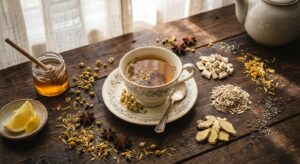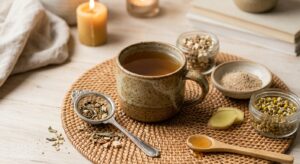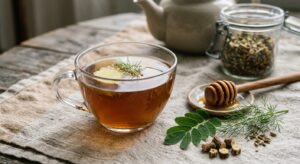
Long before children’s antacids existed, parents across Europe, the Middle East, and Asia reached for gentle herbal teas to calm their little ones’ upset stomachs. Chamomile was brewed in ancient Egypt and passed down through generations of European herbalists as a first remedy for colicky babies and gassy toddlers. Fennel seed tea was traditionally given to nursing mothers in Mediterranean cultures to ease both their own digestion and, through breast milk, their infant’s. Lemon balm, a member of the mint family, has been used since at least the Middle Ages to calm nervous stomachs and ease digestion in children and adults alike. Together, these three herbs form a time-honored trio that modern herbal medicine continues to recommend for pediatric digestive support.
What makes this blend especially suited to children is its naturally mild flavor and gentle action. Unlike stronger digestive herbs such as ginger or peppermint, which can be too stimulating or spicy for young palates and sensitive systems, chamomile, fennel, and lemon balm work softly. Fennel’s light anise sweetness makes the tea naturally appealing to kids without added sugar, while chamomile and lemon balm lend a floral, honey-like softness that many children enjoy from their very first sip. The blend is caffeine-free, making it safe to offer at any time of day, including before bed when tummy troubles so often peak.
This tea is a wonderful addition to the family wellness toolkit, offering a calm ritual around mealtimes that children can grow to associate with comfort and care. Preparing it together with a child, watching the golden brew steep and smelling the gentle anise-floral aroma rise from the cup, can itself become a soothing act. Whether offered warm after a heavy dinner, cooled into a gentle iced tea on a summer afternoon, or brewed as a mild concentrate for smaller sips, this blend meets children where they are, offering real botanical relief in the gentlest possible way.
2
cups
Ingredients
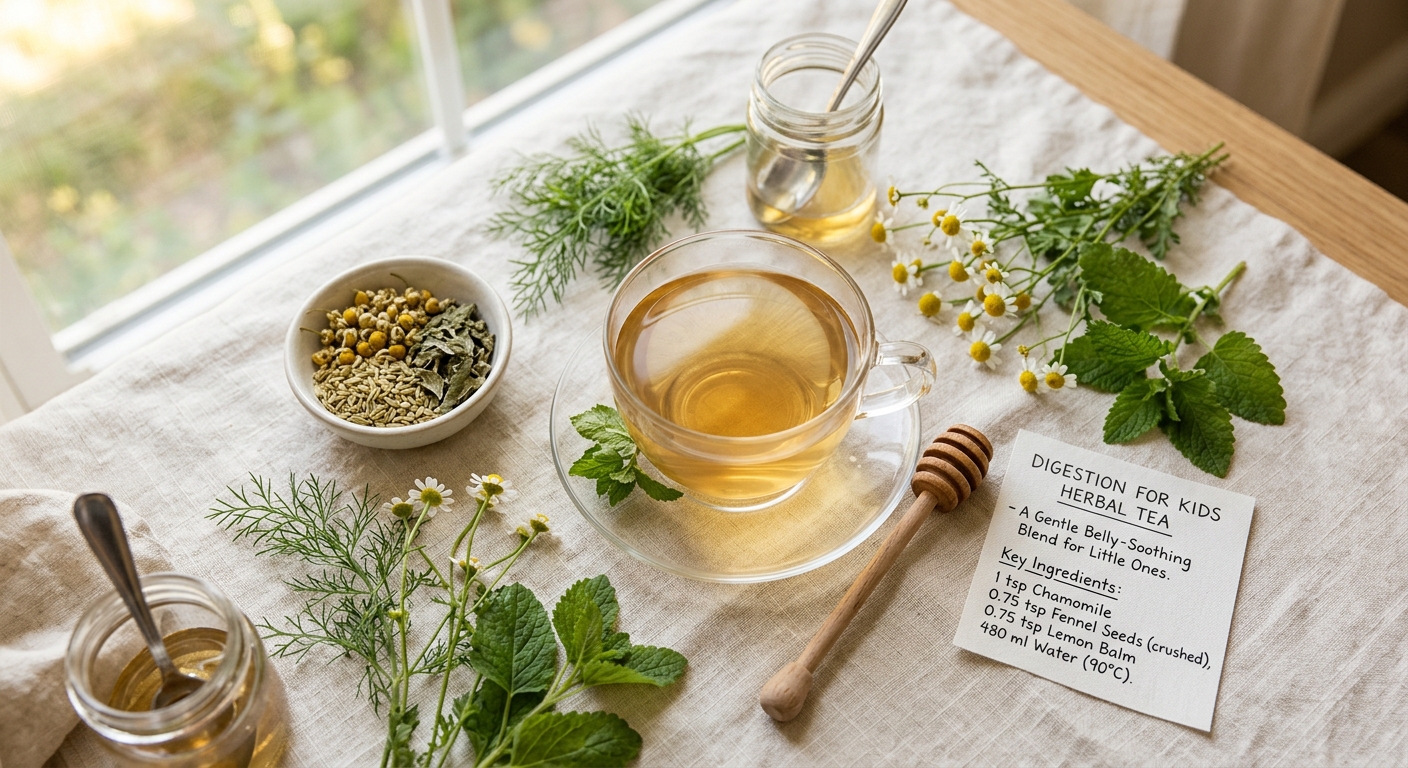
- 1 tspdried chamomile flowers
- 0.75 tspfennel seeds, lightly crushed
- 0.75 tspdried lemon balm leaves
- 480 mlwater (90°C / 194°F)
- —raw honey or a small amount of apple juice to sweeten (optional, for children over 1 year)
How to Brew
Click on an item below to shop for the recommended items for this recipe on Amazon.
As an Amazon Associate, we earn from qualifying purchases.
- Heat filtered water to 88 to 90°C (190 to 194°F). If you do not have a temperature-controlled kettle, bring water to a boil and let it rest for 2 to 3 minutes before pouring.
- Combine 1 tsp dried chamomile flowers, 0.75 tsp lightly crushed fennel seeds, and 0.75 tsp dried lemon balm leaves in a small tea infuser or a heatproof teapot. Crushing the fennel seeds gently releases their essential oils for better flavor and efficacy.
- Pour the hot water over the herbs and cover the cup or pot with a small saucer or lid. Covering the tea traps the volatile aromatic compounds that carry much of the digestive benefit, preventing them from evaporating into the air.
- Steep for 5 to 7 minutes. For younger or more sensitive children, stay closer to 5 minutes for a gentler infusion. For older children or more robust digestive support, steep to 7 minutes.
- Remove the infuser or strain the tea through a fine mesh strainer into cups. Allow to cool until comfortably warm, not hot, before serving. Add a small drizzle of raw honey or a splash of apple juice if the child prefers a sweeter taste.
- Combine 1.5 tsp dried chamomile flowers, 1 tsp lightly crushed fennel seeds, and 1 tsp dried lemon balm leaves in a clean glass jar. These amounts are slightly higher than the hot brew to compensate for the slower, cooler extraction.
- Pour 480 ml of cold, filtered water directly over the herbs. Do not use warm water, as the goal is a slow, cold extraction that draws out the sweeter, gentler flavor compounds while leaving behind any bitter tannins.
- Stir briefly to ensure all herbs are submerged, then loosely cover the jar with a lid or a small plate. Leave at room temperature for 30 minutes to let the herbs begin releasing their oils, then transfer to the refrigerator.
- Refrigerate for 6 to 8 hours or overnight. The long, cool steep produces a delicate, naturally sweet tea with a beautiful pale golden color.
- Strain through a fine mesh strainer into a clean pitcher or individual cups, pressing the herbs gently to release any remaining liquid. Serve chilled or over a small amount of ice. Sweeten lightly with diluted apple juice if desired. Refrigerate any unused portion and consume within 24 hours.
- Combine 1.5 tsp dried chamomile flowers, 1 tsp lightly crushed fennel seeds, and 1 tsp dried lemon balm leaves in a very clean, clear glass jar. Cleanliness is especially important for sun tea since the water never reaches pasteurization temperature.
- Fill the jar with 480 ml of cold, filtered water and stir gently to wet all the herbs. Secure the lid tightly.
- Place the jar in a sunny spot outdoors or on a sunny windowsill where it will receive direct sunlight. Let it steep for 2 to 3 hours, checking the color and depth of brew every hour. The tea is ready when it reaches a warm, soft golden color.
- Bring the jar inside and strain the tea through a fine mesh strainer into a clean pitcher. The tea will be at roughly room temperature and can be served as is, gently warmed on the stovetop over very low heat, or cooled further in the refrigerator.
- Serve the same day for best safety and freshness. Add a small amount of honey or a slice of apple to the cup for a fun, appealing presentation that children will enjoy.
Health Benefits
Fennel seeds are rich in anethole and fenchone, compounds with well-documented carminative properties that relax intestinal smooth muscle and help expel trapped gas. A 2016 study published in the Journal of Pediatric Gastroenterology and Nutrition found fennel-based remedies effective in reducing infantile colic symptoms, supporting its long traditional use for childhood digestive gas.
Both chamomile and fennel contain antispasmodic compounds, specifically bisabolol and apigenin in chamomile and anethole in fennel, that act directly on smooth muscle tissue in the gastrointestinal tract. This makes the blend particularly effective for the sharp, crampy tummy pains children experience after eating too quickly, eating rich foods, or during times of stress.
Lemon balm has been shown in clinical studies to reduce anxiety and improve mood, and its rosmarinic acid content directly influences the gut-brain axis. Many children experience stomachaches that are rooted in anxiety or overstimulation, and this blend’s combination of lemon balm and chamomile addresses both the physical and emotional components of digestive distress.
All three herbs in this blend stimulate the production of digestive enzymes and bile, supporting the breakdown of food and reducing the likelihood of indigestion after meals. Regular post-meal use of this tea as a gentle digestive ritual can help children with sluggish or sensitive digestion process their food more comfortably.
Tummy aches are a common complaint at bedtime, often combining genuine digestive discomfort with end-of-day anxiety. The chamomile and lemon balm in this blend are both mild sedatives, with chamomile’s apigenin gently promoting sleep onset while lemon balm reduces nervous tension, making this tea especially useful as a pre-bedtime comfort remedy.
🧪 Key Bioactive Compounds
The Science Behind Chamomile, Fennel, And Lemon Balm
The digestive benefits of this three-herb blend are well supported by both traditional use and an expanding body of modern phytochemical research. Chamomile’s two most studied bioactive compounds, apigenin and alpha-bisabolol, work through complementary pathways to calm the gastrointestinal tract. Apigenin is a flavonoid that binds to benzodiazepine receptors in the central nervous system and, critically for digestive health, acts on smooth muscle tissue in the gut wall to reduce spasms and cramping. Alpha-bisabolol, a sesquiterpene alcohol, has demonstrated anti-inflammatory activity in studies on intestinal cells, helping to reduce the low-level gut inflammation that underlies much of the discomfort in sensitive-stomached children.
Fennel seed contributes the compound anethole, a phenylpropanoid responsible for its characteristic anise aroma and the majority of its carminative action. Anethole and its close relative fenchone have been shown in experimental studies to relax the smooth muscle of the gastrointestinal tract, reducing the pressure that causes painful bloating and trapped gas. A randomized controlled trial published in Alternative Therapies in Health and Medicine found that a fennel-containing herbal combination significantly reduced symptoms of infantile colic compared to placebo, lending clinical credibility to what herbalists have observed for centuries. Fennel also stimulates the secretion of digestive enzymes, supporting more complete breakdown of food in the small intestine.
Lemon balm’s primary bioactive compound for digestive purposes is rosmarinic acid, a hydroxycinnamic acid derivative with both antioxidant and anti-inflammatory properties. Rosmarinic acid inhibits enzymes involved in the inflammatory cascade within gut tissue, helping to calm irritation and hypersensitivity in the intestinal lining. Lemon balm also contains eugenol and various terpene compounds that act on the enteric nervous system, the network of neurons embedded in the gut wall sometimes called the second brain. By calming nervous signaling in this system, lemon balm helps break the cycle of stress-triggered digestive upset that is so common in children, making it a particularly valuable herb when tummy troubles have an emotional as well as a physical component.
Brewing Tips
- Always lightly crush fennel seeds just before brewing using the back of a spoon or a mortar and pestle. Whole seeds release far less anethole during steeping, while pre-ground fennel loses its volatile oils too quickly. Fresh crushing gives you the best of both worlds.
- For very young children or those with particularly sensitive stomachs, brew the tea for only 4 to 5 minutes and dilute the finished brew with an equal amount of warm water or very mild, unsweetened apple juice. This produces a gentler infusion that is easier on small digestive systems while still delivering beneficial plant compounds.
- Store any pre-mixed dried herb blend in a small, airtight glass jar away from light and heat. A pre-mixed batch using a 2:1.5:1.5 ratio of chamomile to fennel to lemon balm by volume keeps well for up to three months and makes it easy to brew a comforting cup quickly when a child needs it most.