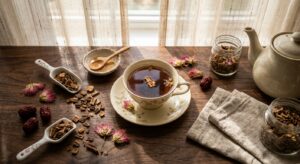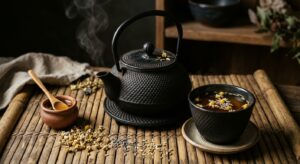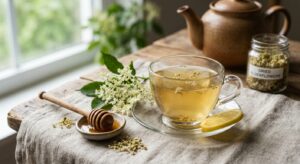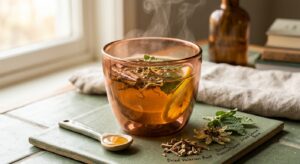
Long before melatonin gummies lined pharmacy shelves, healers across ancient Greece, Rome, and medieval Europe were turning to valerian root to calm restless minds and coax stubborn sleepers into rest. Hippocrates wrote of its virtues, and the Roman physician Galen prescribed it for insomnia as early as the second century. The name itself may derive from the Latin valere, meaning “to be strong” or “to be well,” a fitting tribute to a plant that has stood the test of centuries as a go-to remedy for the sleepless.
Valerian (Valeriana officinalis) is a perennial flowering plant native to Europe and Asia, now widely cultivated around the world. While its delicate pink and white blossoms are lovely, it is the root and rhizome that herbalists prize. When dried, the root develops a distinctive, pungent, earthy aroma that many find an acquired taste, but its potency makes it one of the most studied herbal sleep aids in modern phytomedicine. Traditional Chinese medicine, Ayurveda, and Western herbalism all have independent traditions of using valerian-family plants for nervous tension and disturbed sleep.
What sets valerian apart from most calming herbs is the depth of scientific attention it has attracted. Multiple clinical trials and systematic reviews have examined its effects on sleep onset latency, sleep quality, and next-day alertness. While research results are mixed, a meaningful body of evidence supports what herbalists have known for millennia: a warm cup of valerian root tea, taken about an hour before bed, can be a genuinely effective, non-habit-forming way to invite a deeper, more restorative night’s sleep.
2
cups
Ingredients
- 2 tspdried valerian root (cut and sifted)
- 480 mlwater (90°C / 194°F)
- —1 tsp raw honey or maple syrup to taste (optional)
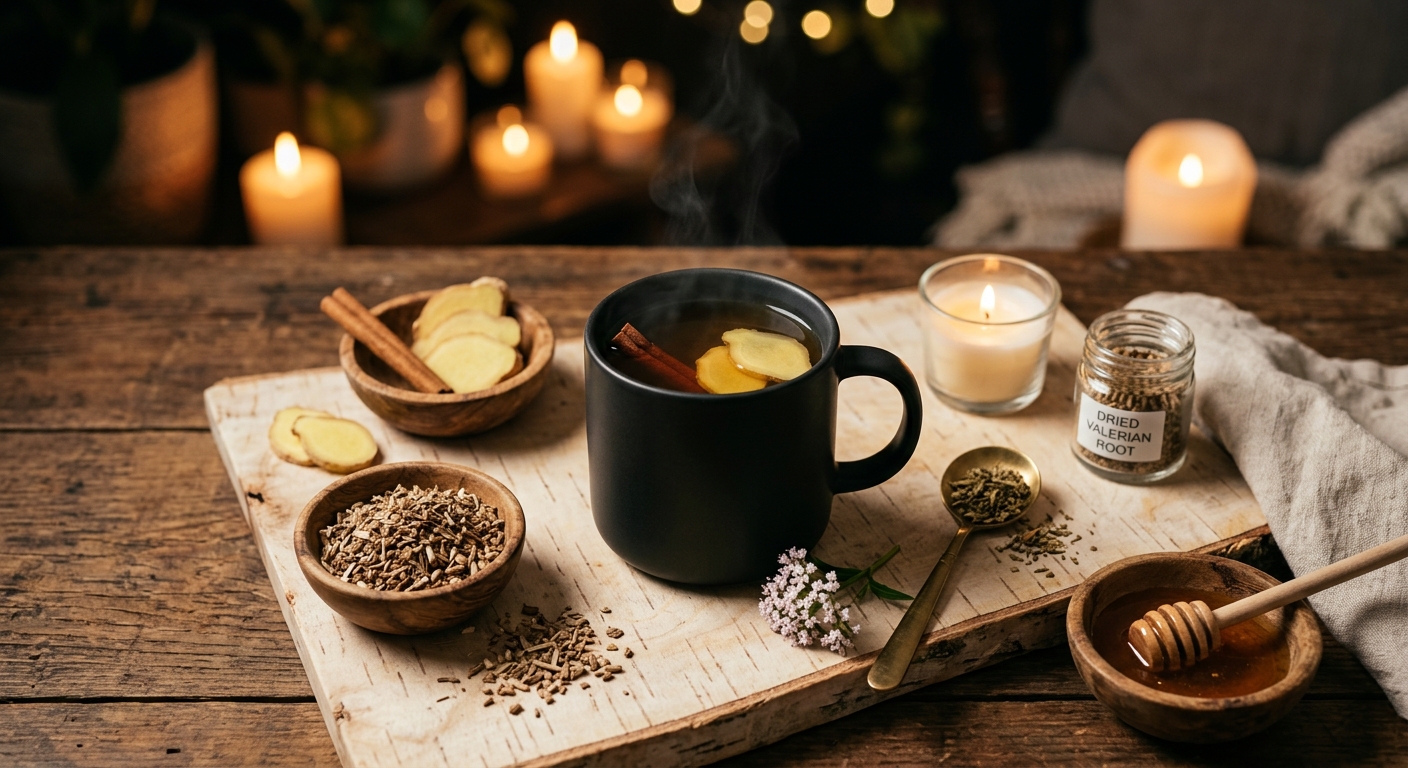
- —1 to 2 slices fresh ginger or a cinnamon stick (optional, to balance the earthy flavor)
How to Brew
Click on an item below to shop for the recommended items for this recipe on Amazon.
As an Amazon Associate, we earn from qualifying purchases.
- Measure 1 teaspoon of dried valerian root per cup (240 ml) of water. If using a mortar and pestle, lightly bruise the dried root pieces to help release the active compounds before placing them in your infuser or teapot.
- Heat filtered water to approximately 90 to 95°C (194 to 203°F). If you do not have a temperature-controlled kettle, bring water to a full boil and then let it rest for 60 to 90 seconds before pouring.
- Place the valerian root in a fine-mesh tea infuser, muslin bag, or directly in a teapot. Pour the hot water over the root and cover the vessel immediately with a lid or a small plate. Covering the brew traps the volatile oils, which carry much of the herb’s potency.
- Steep for a full 10 to 15 minutes. Valerian root is dense and fibrous compared to leaf or flower teas, and it genuinely needs this extended time. Taste at 10 minutes and continue steeping if you prefer a stronger brew.
- Strain thoroughly into your mug. Stir in honey, maple syrup, or a squeeze of lemon if desired, as these help balance the earthy, slightly bitter flavor. Drink approximately 30 to 60 minutes before your intended bedtime.
- Measure 2 teaspoons of dried valerian root per 480 ml of cold, filtered water. Because cold extraction is gentler, a slightly higher herb-to-water ratio compensates for the slower release of compounds.
- Combine the valerian root and cold water in a clean glass jar. Stir briefly to ensure all the root pieces are submerged. Do not use hot or warm water at any stage, as the goal is a full cold extraction.
- Seal the jar with a lid and leave it at room temperature for 1 hour to begin the extraction, then transfer it to the refrigerator and allow it to steep for a further 7 to 11 hours (a total of 8 to 12 hours, making it easy to prepare before bed for use the next evening).
- When ready, strain the liquid through a fine-mesh strainer or cheesecloth into a glass or jar, pressing gently on the spent root to extract the remaining liquid. Discard the root material.
- Gently warm the strained liquid on the stovetop over low heat until it reaches a comfortable drinking temperature, around 60 to 70°C (140 to 160°F). Do not boil. Alternatively, drink it slightly chilled if you prefer. Sweeten with honey or add a few drops of vanilla extract to soften the flavor before drinking 30 to 60 minutes before bed.
- Measure 1 to 1.5 teaspoons of dried valerian root per cup (240 ml) of water. Place the root pieces directly into a small stainless steel or ceramic saucepan. Avoid aluminum cookware, as it can react with the acids in the herb.
- Add cold, filtered water to the saucepan and bring the mixture slowly to a gentle simmer over medium-low heat. Do not rush this stage: a slow, gradual rise in temperature helps extract a fuller spectrum of compounds from the root.
- Once a gentle simmer is reached, reduce the heat to maintain a low, steady simmer. Do not allow the liquid to reach a rolling boil, as this can evaporate volatile compounds and degrade valerenic acids. Simmer uncovered for 20 to 25 minutes, stirring occasionally.
- Remove from heat and allow the decoction to cool for 3 to 5 minutes. Strain through a fine-mesh strainer or cheesecloth into a mug, pressing the spent root firmly to capture all the liquid.
- The resulting brew will be darker, richer, and more concentrated than a standard hot brew. Dilute with a small amount of hot water if the flavor is too intense. Stir in honey, a cinnamon stick, or a splash of oat milk to round out the robust, earthy flavor. Drink 45 to 60 minutes before bedtime.
Health Benefits
Several randomized controlled trials have found that valerian root supplementation significantly reduces the time it takes to fall asleep. A 2006 meta-analysis published in the American Journal of Medicine reviewed 16 studies and concluded that valerian may improve sleep quality without producing side effects, with the most consistent finding being faster sleep onset.
Beyond simply helping you fall asleep, valerian root has been shown to increase the proportion of slow-wave (deep) sleep, the most restorative stage. Participants in several studies reported waking less frequently and feeling more refreshed in the morning compared to placebo groups.
Valerenic acid’s ability to modulate GABA-A receptors gives valerian a measurable anxiolytic effect. Studies have shown it can reduce subjective feelings of anxiety, making it useful not only for sleep but also for managing the restless, worried thinking that often prevents sleep onset.
A 2011 randomized controlled trial published in Menopause found that postmenopausal women who took valerian extract reported significant improvements in sleep quality compared to those receiving a placebo, suggesting particular benefit for hormonally driven insomnia.
A small pilot study found that valerian supplementation reduced the symptoms of restless legs syndrome and decreased associated daytime sleepiness, pointing to a possible muscle-relaxant and nervous system-calming effect beyond simple sedation.
🧪 Key Bioactive Compounds
The Science Behind Valerian Root
Valerian root’s sleep-promoting reputation rests on a well-characterized set of bioactive compounds that converge on a single key neurological pathway: gamma-aminobutyric acid, or GABA. GABA is the brain’s primary inhibitory neurotransmitter, responsible for quieting overactive neural circuits and producing feelings of calm and drowsiness. The principal active compound in valerian, valerenic acid, works through at least two mechanisms: it directly modulates GABA-A receptors (the same receptors targeted by benzodiazepine drugs like diazepam) and it inhibits the enzyme GABA transaminase, which is responsible for breaking GABA down. The net result is a sustained increase in GABAergic tone in the brain, producing a calming, sleep-conducive state without the receptor downregulation and dependency risk associated with pharmaceutical agents.
Supporting valerenic acid is a cast of secondary compounds that contribute to the herb’s overall effect through complementary mechanisms. The flavonoid glycoside linarin and the flavonoid hesperidin both demonstrate anxiolytic activity in animal models, likely through additional interactions with GABA-A receptors. The amino acid glutamine, present in the water-soluble extract of fresh and moderately dried root, can cross the blood-brain barrier and serve as a direct precursor to GABA synthesis. This means that valerian root tea does not simply mimic GABA activity at the receptor level but may also help the brain produce more of its own calming neurotransmitter, a particularly elegant and holistic mechanism compared to purely synthetic alternatives.
The scientific literature on valerian is substantial but not uniformly conclusive, in part because study designs vary widely in terms of extract standardization, dosing, and outcome measures. However, several high-quality systematic reviews and meta-analyses, including those published in peer-reviewed journals such as Pharmacology Biochemistry and Behavior and the American Journal of Medicine, support the conclusion that valerian preparations meaningfully improve subjective sleep quality and reduce sleep onset latency, particularly with consistent use over two to four weeks. Unlike many pharmaceutical sleep aids, valerian does not appear to suppress REM sleep or alter normal sleep architecture, and next-day grogginess is rarely reported at standard doses. This favorable safety and tolerability profile makes it one of the most clinically credible herbal options for mild to moderate insomnia.
Brewing Tips
- For the best results, drink valerian root tea consistently for two to four weeks rather than relying on it only on bad nights. Clinical studies show that the sedative effect tends to build and become more pronounced with regular use, as the compounds accumulate to therapeutic levels.
- The intense earthy aroma and bitter taste of valerian root can be significantly softened by combining it with naturally sweet or aromatic herbs. Dried licorice root, spearmint, or cinnamon are excellent companions that improve flavor without interfering with the herb’s sleep-promoting activity.
- Always cover your mug or teapot while the root steeps. Valerian’s active volatile compounds, including isovaleric acid and valeranone, can escape with the steam, reducing the tea’s potency. A simple saucer placed over the mug during steeping makes a real difference.