Gastritis, the inflammation of the stomach lining, affects millions of people worldwide and can manifest as burning pain, nausea, bloating, and a persistent sense of digestive unease. Long before antacids lined pharmacy shelves, herbalists across cultures turned to the plant kingdom for relief. From Native American traditions using slippery elm bark to calm gastrointestinal distress, to European folk medicine relying on chamomile flowers for stomach ailments, and Ayurvedic practitioners prizing licorice root as a digestive protector, the herbs in this blend carry centuries of trusted use behind them.
What makes this tea genuinely special is the way its three core herbs address gastritis from multiple angles at once. Slippery elm contributes mucilaginous polysaccharides that physically coat the stomach lining, forming a protective gel-like barrier against acid. Chamomile brings powerful anti-inflammatory flavonoids that calm irritated tissues and ease spasm. Licorice root, particularly in its deglycyrrhizinated preparations, has been studied for its ability to stimulate mucus production in the stomach, reinforcing the natural protective layer that gastritis erodes. Together, they create a tea that is as purposeful as it is comforting.
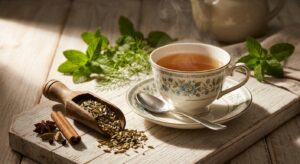
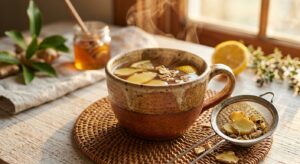
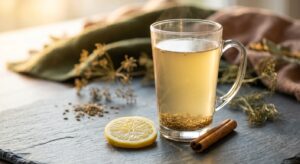
The sensory experience of this blend is itself part of the medicine. The tea brews to a soft, warm amber color with an earthy sweetness from the licorice, a delicate floral note from the chamomile, and a gentle, almost velvety texture from the slippery elm. Sipping it slowly, especially 20 to 30 minutes before meals or at the onset of symptoms, allows the mucilaginous compounds to coat the stomach effectively before food arrives. This is a tea designed not just to taste pleasant, but to be genuinely therapeutic with every unhurried cup.
2
cups
Ingredients
- 2 tspslippery elm bark powder
- 2 tspdried chamomile flowers
- 1 tsplicorice root (cut and sifted)
- 480 mlwater (85°C / 185°F)
- —raw honey to taste (optional)
- —a thin slice of fresh ginger (optional, for added anti-nausea support)
How to Brew
Click on an item below to shop for the recommended items for this recipe on Amazon.
As an Amazon Associate, we earn from qualifying purchases.
- Heat filtered water to 85°C (185°F). If you do not have a variable-temperature kettle, bring water to a boil and allow it to rest for 4 to 5 minutes before using.
- Place the slippery elm bark powder, dried chamomile flowers, and licorice root into a fine-mesh tea infuser or a small muslin brewing bag. Slippery elm powder can pass through standard infusers, so a muslin bag or a teapot with a fine strainer is recommended.
- Pour the heated water over the herbs and cover the cup or teapot with a lid or small saucer. Covering the brew traps the volatile aromatic oils from chamomile, preventing them from escaping with the steam.
- Steep for 10 to 15 minutes. A longer steep of 15 minutes will draw out more mucilaginous compounds from the slippery elm and more glycyrrhizin from the licorice root, making the tea more therapeutically active.
- Remove the infuser or strain the tea through a fine-mesh strainer or cheesecloth. Notice the slight body and silkiness in the liquid – this is the slippery elm mucilage at work.
- Allow the tea to cool to a comfortable sipping temperature. Drink slowly, 20 to 30 minutes before a meal or at the onset of gastric discomfort. Add raw honey if desired, as honey also has mild anti-inflammatory properties for the stomach lining.
- Combine the slippery elm bark powder, dried chamomile flowers, and licorice root in a clean glass jar. Use room-temperature filtered water, not chilled water from the refrigerator, for the first step, as this helps the herbs begin hydrating and releasing their compounds.
- Add 480 ml of room-temperature filtered water to the jar. Stir well with a long spoon for 60 seconds, paying particular attention to incorporating the slippery elm powder, which tends to settle or clump. The mixture will begin to take on a slightly viscous appearance almost immediately.
- Seal the jar with its lid and allow it to sit at room temperature for 1 hour to initiate extraction, then transfer to the refrigerator.
- Cold brew for a total of 8 to 12 hours (overnight is ideal). The longer the steep, the more mucilage will be extracted from the slippery elm, resulting in a thicker, silkier final tea.
- Strain the cold brew through a fine-mesh strainer lined with cheesecloth, pressing the herbs gently to release all of the gel-like liquid. The texture will be noticeably thicker than the hot brew version.
- Serve cold or allow to come to room temperature before drinking, as very cold liquids can sometimes aggravate gastritis symptoms. Sweeten lightly with honey if desired. Store any remaining cold brew in the refrigerator and consume within 24 hours, as the mucilaginous compounds can thicken further and the brew is best fresh.
- Place the licorice root pieces and slippery elm bark powder into a small saucepan. Add 600 ml of cold filtered water. Starting with cold water and bringing it up to heat together with the herbs encourages a more thorough extraction from the woody licorice root.
- Bring the water to a gentle simmer over medium-low heat, stirring occasionally. Do not allow the mixture to reach a rolling boil, as this can degrade certain beneficial compounds and cause the slippery elm to become excessively thick and gluey.
- Once a gentle simmer is reached, cover the saucepan with a lid and allow it to simmer quietly for 20 minutes. Check periodically and stir to prevent the slippery elm from settling and scorching on the bottom of the pan.
- After 20 minutes, remove the saucepan from heat. Add the dried chamomile flowers directly to the hot decoction, replace the lid, and allow everything to rest for an additional 5 minutes. This final covered steep extracts chamomile’s delicate anti-inflammatory flavonoids and aromatic compounds without exposing them to prolonged heat.
- Strain the decoction through a fine-mesh strainer lined with cheesecloth into a heat-safe pouring vessel, pressing the herb material gently to extract all of the liquid. You will notice the decoction is richer, darker, and has a more pronounced licorice flavor than the hot brew method.
- Allow the decoction to cool to a comfortable sipping temperature. This method produces approximately 400 ml after evaporation. Drink one cup before meals to support stomach lining protection. Add honey to balance the strong licorice flavor if needed.
Health Benefits
Slippery elm’s mucilaginous polysaccharides hydrate and swell in the stomach, forming a viscous protective layer over inflamed mucosa. This physical barrier helps reduce the direct contact of gastric acid with already irritated tissue, providing relief during active gastritis episodes.
Chamomile’s apigenin and bisabolol, alongside licorice root’s glycyrrhizic acid, work through multiple anti-inflammatory pathways, inhibiting inflammatory prostaglandins and cytokines in the gastric lining. Clinical studies on chamomile extract have shown measurable reductions in gastrointestinal inflammation markers.
Licorice root, particularly in its whole-herb form, has been shown in multiple studies to stimulate mucus-secreting cells in the stomach lining, increasing the thickness of the natural gastric mucus barrier. This mechanism is similar to how certain prescribed gastric-protective medications work.
Glabridin and other isoflavonoids from licorice root have demonstrated in vitro inhibitory effects against Helicobacter pylori, the bacterium responsible for a significant proportion of chronic gastritis and peptic ulcer cases. While not a replacement for antibiotic treatment, this property makes licorice root a valuable complementary support.
Chamomile acts as a mild antispasmodic, relaxing the smooth muscle of the gastrointestinal tract and reducing the cramping and spasm that often accompany gastritis flares. This effect is complemented by licorice root’s soothing action on inflamed mucous membranes throughout the digestive tract.
🧪 Key Bioactive Compounds
The Science Behind Slippery Elm
The therapeutic logic behind this blend is rooted in the physiology of the stomach lining itself. In healthy digestion, the stomach is protected from its own acid by a thick layer of mucus secreted by specialized goblet cells in the gastric mucosa. Gastritis occurs when this protective layer is compromised, whether by H. pylori infection, prolonged NSAID use, alcohol, stress, or autoimmune activity, leaving the delicate epithelial cells exposed to corrosive gastric acid. The three herbs in this formula address this disruption through distinct but complementary mechanisms, targeting the problem from the outside in and the inside out simultaneously.
Slippery elm operates through a purely physical mechanism that requires no enzymatic conversion or receptor binding. Its inner bark contains a high concentration of mucilaginous polysaccharides, long-chain carbohydrate molecules that absorb water and swell into a thick, gel-like substance. When ingested, this gel adheres to the gastric mucosa, forming a supplementary protective coating that mimics and reinforces the stomach’s own mucus layer. Research published in complementary medicine journals has validated this traditional use, noting that slippery elm preparations reduce mucosal irritation scores in subjects with inflammatory digestive conditions. Licorice root works through both direct and indirect mechanisms. Glycyrrhizic acid inhibits the enzyme 11-beta-hydroxysteroid dehydrogenase type 2, which prolongs the local action of cortisol in mucosal tissues, producing an anti-inflammatory effect similar to mild corticosteroid activity without systemic hormonal side effects at typical tea doses. Separately, glabridin and other isoflavonoids in licorice root have shown measurable inhibitory activity against H. pylori in cell culture studies, suggesting a direct antimicrobial component to its gastric benefits.
Chamomile’s contribution is primarily anti-inflammatory and antispasmodic. Its principal flavonoid, apigenin, inhibits the production of inflammatory prostaglandins via the cyclooxygenase (COX) pathway, a mechanism shared with over-the-counter anti-inflammatory drugs but delivered gently and alongside other synergistic compounds. Bisabolol, a sesquiterpene alcohol that forms a significant part of chamomile’s volatile oil fraction, has demonstrated direct anti-inflammatory activity on gastrointestinal mucosal tissue in animal model studies, reducing inflammatory cell infiltration and oxidative stress markers. Chamazulene, produced during the drying and extraction process from the precursor compound matricine, adds further anti-inflammatory potency. The combination of these three herb profiles creates what herbalists call a synergistic or polypharmaceutical effect, where the whole blend achieves more than the sum of its individual parts, addressing barrier protection, inflammation reduction, and potential antimicrobial activity in a single cup.
Brewing Tips
- Drink this tea on an empty stomach or 20 to 30 minutes before meals to allow the slippery elm mucilage to coat the stomach lining before food and acid production arrive. Taking it after meals significantly reduces this protective coating effect.
- If you find the slippery elm powder difficult to strain cleanly, try whisking it first in a small amount of cool water to form a smooth paste before adding it to the rest of the brew. This prevents clumping and makes straining much easier.
- For an acute gastritis flare, use the decoction method to maximize licorice root extraction, then allow the tea to cool to just above room temperature before drinking. Extremely hot or extremely cold liquids can irritate an already inflamed stomach lining, so a gentle warmth is always best.