Few herbs carry as much historical weight as Nigella sativa, the small black seed known across cultures as black seed, black cumin, or kalonji. Revered in Islamic medicine as a remedy for everything except death, referenced in ancient Egyptian texts, and prized in Ayurvedic and Unani traditions, black seed has been a cornerstone of plant medicine for more than three thousand years. The seeds were even discovered in the tomb of Tutankhamun, suggesting their value was considered worthy of the afterlife. Today, modern research is beginning to confirm what traditional healers have long known: this tiny seed contains a remarkable array of bioactive compounds with genuine therapeutic potential.
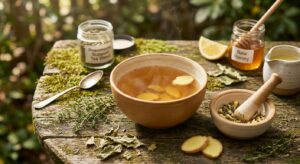
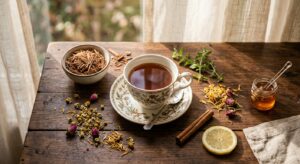
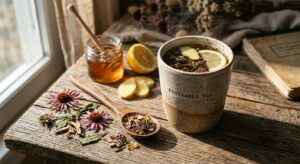
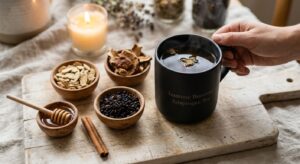
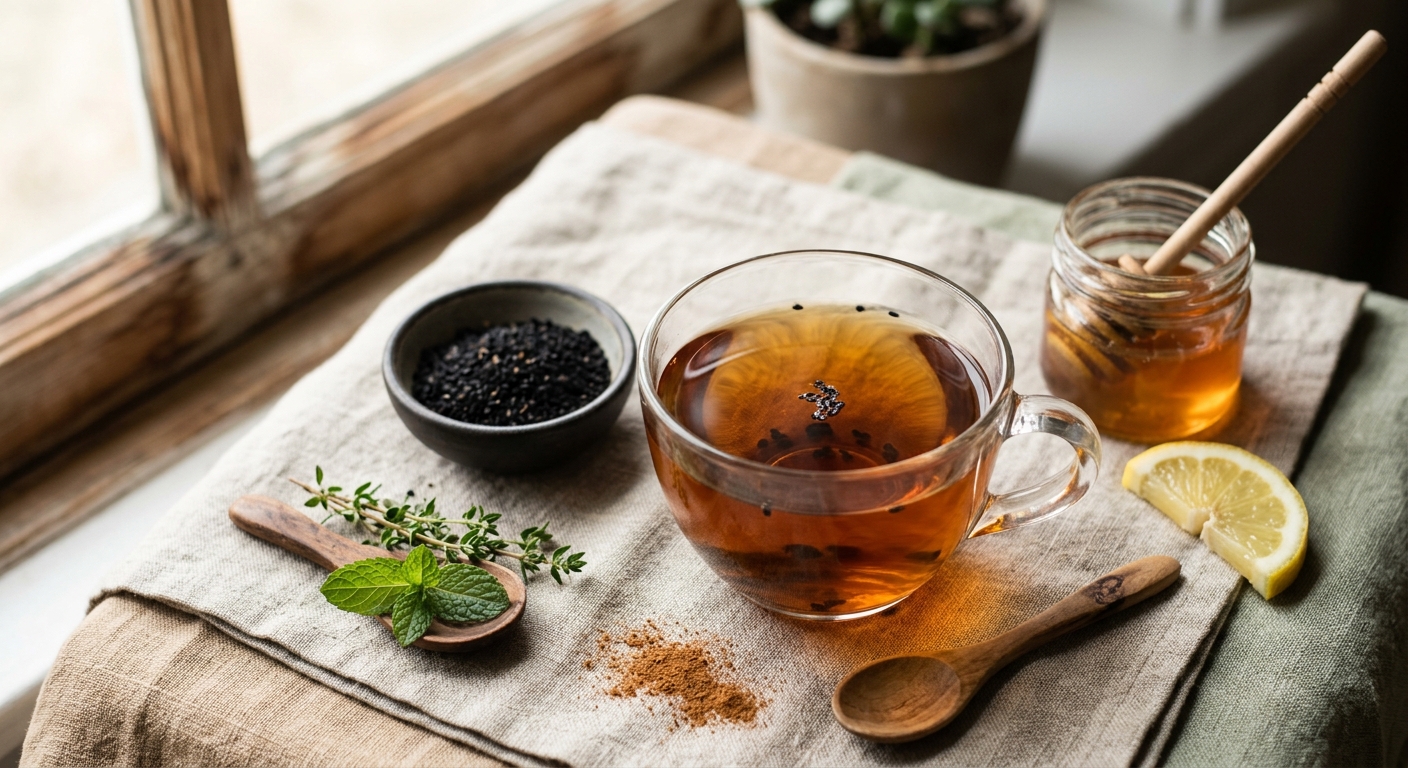
Black seed tea occupies a unique place in the world of herbal infusions. Unlike delicate floral teas that require careful temperature management to preserve fragile volatile oils, black seed benefits from a direct and confident brewing approach. The seeds can be lightly crushed or used whole, releasing a complex aroma that blends warm pepper, faint nuttiness, and an earthy oregano-like character. In North Africa and the Middle East, black seed tea is often prepared with honey and a squeeze of lemon, creating a deeply satisfying medicinal drink that has comforted generations through cold seasons and immune challenges.
What sets black seed apart from many herbal remedies is the remarkable depth of its scientific literature. With over two thousand peer-reviewed studies published in recent decades, Nigella sativa is one of the most extensively researched medicinal plants in the world. Its primary active compound, thymoquinone, has demonstrated antioxidant, anti-inflammatory, antiviral, and immune-modulating properties in laboratory and clinical settings. Whether you are reaching for it at the first sign of a cold, as part of a daily wellness ritual, or simply to enjoy its bold and warming flavor, black seed tea is a brew that earns its ancient reputation.
2
cups
Ingredients
- 2 tspwhole or lightly crushed black seeds (Nigella sativa)
- 480 mlwater (95°C / 203°F)
- —raw honey to taste (optional)
- —fresh lemon juice to taste (optional)
- —pinch of ground cinnamon (optional)
How to Brew
Click on an item below to shop for the recommended items for this recipe on Amazon.
As an Amazon Associate, we earn from qualifying purchases.
- Measure 2 teaspoons of black seeds per 480 ml of water. Place the seeds in a mortar and pestle and give them just 4 to 5 light crushes, enough to crack some seeds without fully grinding them. This opens the seed coat and dramatically increases the extraction of bioactive compounds.
- Bring your water to 93 to 96°C (200 to 205°F). Avoid a full rolling boil if possible, as sustained very high heat can degrade some of the more volatile essential oils. If you do not have a temperature-controlled kettle, bring water to a boil and let it rest for 60 to 90 seconds.
- Add the lightly crushed seeds to your tea infuser or directly to a small saucepan. Pour the hot water over the seeds and cover immediately with a lid or a small saucer to trap the volatile aromatic compounds that carry much of the medicinal benefit.
- Steep for 8 to 10 minutes. A longer steep will produce a bolder, more medicinal flavor. For first-time drinkers, 8 minutes offers a more approachable taste. For those seeking maximum potency, lean toward 10 minutes.
- Strain the tea through a fine mesh strainer into your mug. Add raw honey while the tea is still hot so it dissolves fully. A squeeze of fresh lemon juice brightens the flavor and adds a complementary boost of vitamin C that pairs well with black seed’s immune-supporting properties.
- Sip slowly while warm. This tea is traditionally consumed on an empty stomach in the morning or in the evening before sleep for maximum absorption of its active compounds.
- Measure 3 teaspoons of whole black seeds per 480 ml of filtered water. Cold brew requires a slightly higher seed ratio than hot brew because lower temperatures extract more slowly and less aggressively from the seed cell walls.
- Place the whole seeds directly into a clean glass jar. Do not crush the seeds for cold brew as the extended contact time with cool water will gently draw out compounds without needing the physical cell rupture that hot brewing benefits from.
- Pour room-temperature or cool filtered water over the seeds. Stir gently for 20 to 30 seconds to ensure all seeds are fully saturated, then seal the jar with a lid.
- Leave the jar on your counter for the first 2 hours at room temperature to initiate extraction, then transfer to the refrigerator. Allow to steep for a total of 10 to 14 hours, ideally overnight.
- When ready to serve, strain through a fine mesh strainer lined with a small piece of cheesecloth for a cleaner result. The cold brew will appear lighter in color and taste noticeably smoother and less peppery than its hot-brewed counterpart.
- Serve over ice with a drizzle of honey and a thin slice of fresh lemon. Cold brew black seed tea is an excellent choice during warmer months or as a refreshing immune-support drink throughout the day.
- Measure 2 heaped teaspoons of black seeds per 600 ml of water to account for evaporation during simmering. Lightly crush the seeds with a mortar and pestle using 6 to 8 firm strikes to break them open without pulverizing them completely.
- Add the crushed seeds and cold water together into a small saucepan. Starting with cold water and bringing everything up to temperature together helps extract compounds from the seeds more evenly and completely than adding seeds to already-boiling water.
- Bring the water to a gentle boil over medium heat, then immediately reduce to a low simmer. Maintain a steady, gentle simmer for 15 to 20 minutes. You will notice the liquid deepening in color and the kitchen filling with a warm, spiced aroma.
- Keep the saucepan partially covered during simmering to retain aromatic volatile oils while still allowing some steam to escape. Stir occasionally to prevent any seeds from settling and scorching on the bottom.
- After simmering, remove from heat and allow the decoction to rest uncovered for 3 to 5 minutes. Then strain through a fine mesh strainer into a mug or heatproof cup, pressing gently on the spent seeds with the back of a spoon to extract the last of the liquid.
- Sweeten with raw honey or a small piece of date, and add a pinch of ground cinnamon if desired. This decoction is notably stronger and more intensely flavored than a standard steep. Begin with smaller sips and adjust the amount of honey to balance the bold, peppery depth.
Health Benefits
Thymoquinone has been shown in multiple clinical trials to modulate both innate and adaptive immunity, increasing natural killer cell activity and T-cell proliferation. A 2020 review in Phytotherapy Research concluded that Nigella sativa preparations significantly enhanced immune markers in healthy adults and those with chronic inflammatory conditions.
Alpha-hederin and thymoquinone together have demonstrated bronchodilatory and anti-inflammatory effects on airway tissues. Clinical studies have shown that black seed supplementation reduces frequency and severity of asthma attacks and improves lung function scores in patients with mild to moderate asthma.
Thymoquinone and thymohydroquinone are among the most potent natural antioxidants identified in food-grade plants, neutralizing reactive oxygen species and upregulating the body’s own antioxidant enzyme systems including superoxide dismutase and catalase. This activity helps protect immune cells from oxidative damage during acute illness.
Thymol and carvacrol, the dominant essential oil compounds in black seed, have well-documented antimicrobial properties against common respiratory pathogens including Staphylococcus aureus and certain influenza strains. Traditional use of black seed tea during colds and upper respiratory infections is supported by these in-vitro findings.
Multiple clinical studies have found that regular consumption of Nigella sativa extracts significantly reduces serum levels of CRP (C-reactive protein) and IL-6, two of the most important markers of systemic inflammation. This anti-inflammatory activity may contribute to long-term immune resilience and reduced susceptibility to recurrent infections.
🧪 Key Bioactive Compounds
The Science Behind Black Seed (Nigella Sativa)
The scientific story of black seed tea begins with thymoquinone, a benzoquinone compound that makes up 30 to 48 percent of the essential oil fraction of Nigella sativa seeds. Thymoquinone exerts its anti-inflammatory effects primarily by inhibiting NF-kB (nuclear factor kappa B), a protein complex that acts as a master regulator of inflammatory gene expression. By suppressing NF-kB activation, thymoquinone reduces the transcription of pro-inflammatory cytokines including TNF-alpha, IL-1beta, and IL-6, which are central to the systemic inflammation that makes colds and infections feel so debilitating. This mechanism is similar in principle to how many anti-inflammatory pharmaceutical drugs work, but with a notably gentler side effect profile at typical herbal doses.
The immune-modulating properties of black seed are particularly well documented. Research published in journals including the Journal of Ethnopharmacology and Immunological Investigations has shown that thymoquinone enhances the proliferation and activity of CD4 and CD8 T-lymphocytes, the immune cells responsible for identifying and destroying virus-infected cells. Alpha-hederin, a saponin compound extracted readily into hot water, has been found in studies to inhibit histamine release from mast cells, which explains the traditional use of black seed in treating allergic respiratory conditions. Together, these compounds create a synergistic immunological effect that is genuinely difficult to attribute to any single molecule in isolation.
Beyond immune function, the antioxidant chemistry of black seed tea is worth understanding. Thymoquinone does not merely scavenge free radicals directly; it also upregulates endogenous antioxidant enzymes including glutathione peroxidase, superoxide dismutase, and catalase. This means black seed tea effectively teaches the body to defend itself more efficiently rather than simply providing an external antioxidant top-up. Clinical pharmacokinetic studies have shown that thymoquinone is absorbed from aqueous preparations including tea, though bioavailability is enhanced when consumed with a small amount of dietary fat, such as a few drops of black seed oil added to the brewed tea. This is why traditional preparations across the Middle East often combine both the tea and the oil.
Brewing Tips
- Store black seeds in an airtight container away from light and heat. The essential oils that carry the majority of the medicinal benefit are volatile and will degrade within a few months if the seeds are stored poorly. Buy in small quantities and use within six months of opening for maximum potency.
- Never add honey to boiling-hot tea. Allow the brewed tea to cool to approximately 60°C (140°F) before stirring in honey. High heat above 70°C destroys the enzymes and antimicrobial compounds in raw honey that complement black seed’s own immune-supporting activity.
- For a more approachable introduction to the bold flavor, begin with 1 teaspoon of seeds per cup rather than 2, and gradually increase over several days as your palate adjusts. Black seed has a distinctive peppery bitterness that most people find pleasant once accustomed to it, but it can be surprising on first encounter.